
The allure of the Sunshine State is undeniable. From the vibrant beaches of Miami to the magical kingdom of Walt Disney World Resort, Florida beckons travelers with its diverse attractions, warm climate, and unique lifestyle. For many, especially budget-conscious explorers or those on spontaneous road trips, the idea of sleeping in their car might arise as a convenient and cost-effective accommodation solution. However, before you recline your seat and drift off to sleep on a Florida roadside, it’s crucial to understand the legalities involved. The simple answer to “Is it illegal to sleep in your car in Florida?” is not a straightforward yes or no. Instead, it’s a nuanced question with answers that vary significantly based on location and specific circumstances.
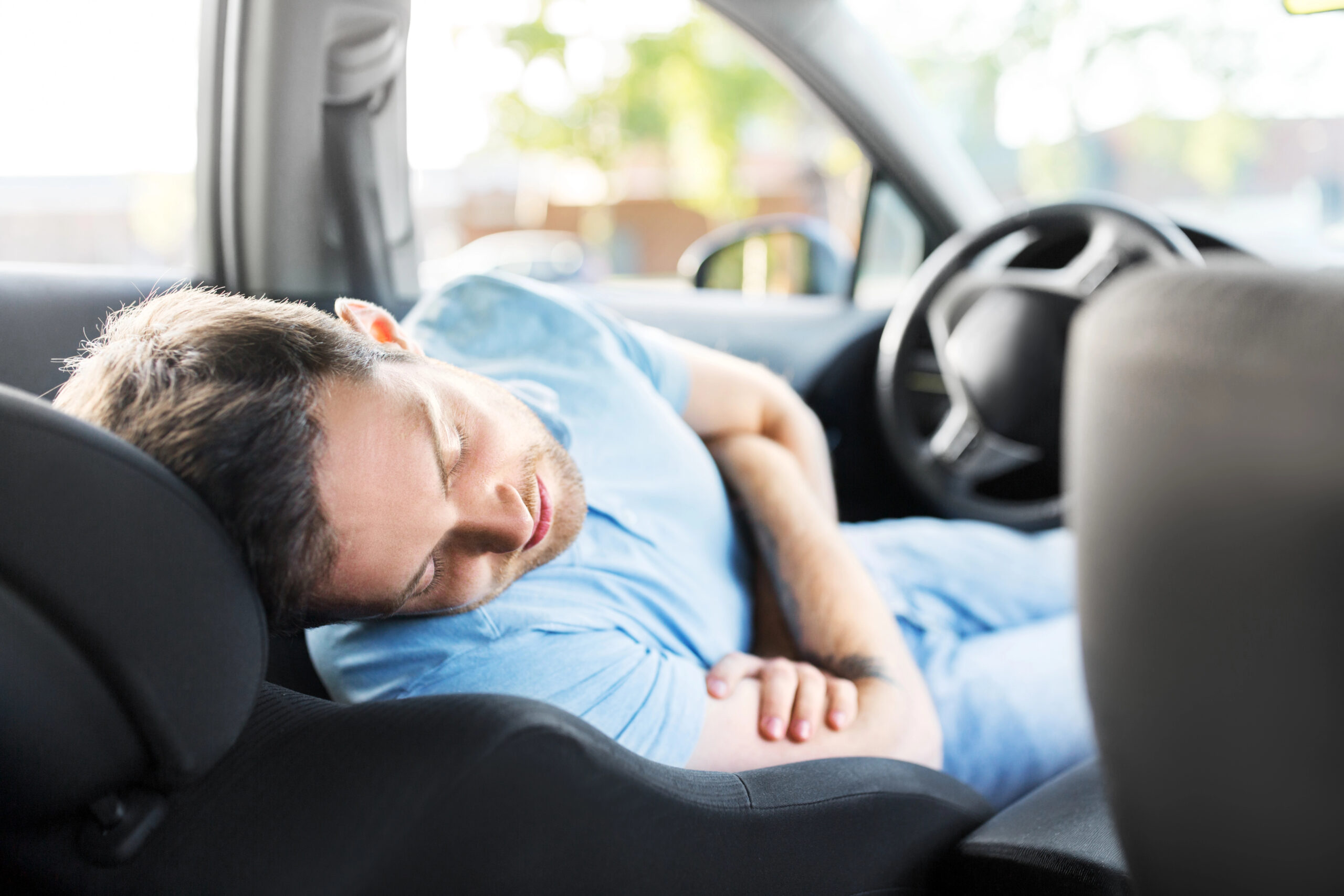
The overarching principle to consider is that while Florida doesn’t have a statewide law explicitly banning sleeping in your car, numerous local ordinances and parking regulations can effectively prohibit it. This means that what might be permissible in one town could land you a citation in another. Understanding these local nuances is key to avoiding potential fines and ensuring a safe and legal experience.
Navigating Local Laws and Parking Regulations
The most significant factor determining the legality of sleeping in your car in Florida is the specific city or county you are in. Many municipalities have enacted ordinances against loitering, camping, or sleeping in public spaces, which includes parking lots and streets. These laws are often put in place to prevent issues like vagrancy, unauthorized camping, and to maintain the aesthetic and safety of public areas.
City Ordinances and Their Impact
Cities across Florida often have their own interpretations and enforcement of public order. For instance, sleeping in your car on a public street in a residential area might be frowned upon and could lead to a police visit, even if there isn’t a specific “no sleeping in cars” law. The rationale behind such enforcement often falls under broader public nuisance or trespassing laws. If a property owner or law enforcement officer perceives your presence as a nuisance or unauthorized, they can ask you to leave, and failure to comply could result in further action.
- Residential Neighborhoods: Generally, sleeping in your car in a residential neighborhood is not advisable. Residents and local authorities may view it as suspicious or intrusive, potentially leading to complaints and police intervention.
- Downtown Areas and Commercial Districts: Many city centers and commercial zones have strict parking restrictions, often with time limits or prohibitions on overnight parking. Sleeping in your car in these areas is likely to be met with enforcement, especially if your vehicle is present for extended periods.
- Tourist Hotspots: While the idea of sleeping near a popular attraction like Universal Orlando Resort might seem appealing, parking lots for major attractions usually have rules against overnight stays. These lots are primarily for daytime visitors, and security personnel will likely enforce no-sleeping policies.
County Regulations and Public Lands
Beyond city limits, county regulations also play a role. Public lands managed by counties might have specific rules regarding camping or overnight stays. For example, county parks often close at dusk and prohibit overnight parking or sleeping. Similarly, some county-owned parking lots may have posted signage indicating no overnight parking. It’s always essential to check for any posted signs that might restrict overnight stays.
Practical Considerations and Alternatives for the Discerning Traveler
Even if you manage to find a spot where sleeping in your car isn’t explicitly illegal, there are practical considerations that can make it an uncomfortable or even risky endeavor. Safety, comfort, and the risk of being asked to move are all factors that a savvy traveler considers when choosing their accommodation.
Safety First: Choosing Your Overnight Spot Wisely
Safety is paramount when considering sleeping in your car. While Florida is generally a safe state, being alone in a vehicle overnight in an unfamiliar location can make you vulnerable.
- Well-Lit and Populated Areas: If you choose to sleep in your car, opt for well-lit areas with a degree of foot traffic or visible activity, such as 24-hour Walmart parking lots (though policies can vary and are best confirmed with store management) or certain truck stops. These locations can offer a sense of security due to the presence of other people.
- Avoid Secluded Spots: Secluded areas, deserted parking lots, or dark, unpopulated streets should be avoided entirely for safety reasons.
- Be Discreet: Draw your window coverings and avoid drawing attention to yourself. The goal is to blend in and not appear to be intentionally camping.
Comfort and Amenities for the Road Warrior
Sleeping in a car, even for a night, can be far from luxurious. The limited space, the inability to fully stretch out, and temperature fluctuations can significantly impact your sleep quality. This is where the value of proper accommodation truly shines.
- Temperature Control: Florida can experience significant temperature swings, from hot and humid days to cooler nights. Without climate control, sleeping in your car can be either uncomfortably hot or surprisingly chilly.
- Restroom Access: Finding a clean and accessible restroom in the middle of the night can be a challenge when sleeping in your car. This is a basic amenity that most hotels and even some campgrounds provide readily.
- Comfortable Sleeping Arrangements: A car’s seats are not designed for sleeping. Investing in a comfortable mattress or sleeping pad can help, but it still doesn’t compare to a proper bed in a hotel room.
Legal Alternatives for Budget Travelers and Long-Term Stays
For those seeking budget-friendly accommodation in Florida, there are several legal and comfortable alternatives to sleeping in your car. These options cater to a range of needs, from short-term stays to longer commitments.
- Campgrounds and RV Parks: Florida boasts numerous campgrounds and RV parks that offer designated spots for tents and vehicles. These provide amenities like restrooms, showers, and often electricity and water hookups, offering a safe and legal way to “camp” with your vehicle. Popular options include state parks and private campgrounds.
- Hostels: For solo travelers or those on a tight budget, hostels offer dormitory-style beds at affordable prices. They are a great way to meet other travelers and often provide communal kitchens and social areas.
- Budget Hotels and Motels: Even in popular tourist destinations, you can often find budget-friendly hotels or motels that offer a private room with a bed and bathroom for a reasonable price. Websites dedicated to accommodation comparison can help you find the best deals.
- Extended Stay Hotels and Airbnb: For longer trips or those seeking more amenities, extended stay hotels or Airbnb rentals can be cost-effective, especially if you plan to cook some of your meals. These often provide kitchenettes and more space than a standard hotel room.
- Rest Stops and Welcome Centers: While not ideal for sleeping, Florida rest stops and welcome centers can be safe places to take a break, use the restroom, and perhaps catch a short nap during the day. However, overnight sleeping is generally discouraged or prohibited.
Understanding “Trespassing” and “Loitering” Laws
The legality of sleeping in your car in Florida often hinges on interpretations of trespassing and loitering laws. These are broad statutes that can be applied in various situations.
Trespassing
Trespassing occurs when you remain on private property after being asked to leave or when you enter property without permission. This applies to private parking lots. If a business owner or their representative asks you to leave their property because you are sleeping in your car, you must comply. Failure to do so can result in a trespassing charge. Similarly, some public parking lots may have posted rules against overnight parking or sleeping, effectively making your presence unauthorized and therefore trespassing.
Loitering
Loitering laws, often related to vagrancy or public nuisance, can also be used to address people sleeping in their cars. These laws generally prohibit lingering in public places without a legitimate purpose, especially if it causes a disturbance or appears to be an attempt to camp. While enforcement can vary, being perceived as “loitering” with your car can lead to police interaction and potential fines.

Conclusion: Prioritize Legal and Comfortable Travel
In conclusion, while there isn’t a blanket law prohibiting sleeping in your car in Florida, the reality is that local ordinances and parking regulations frequently make it illegal or impractical. The risk of fines, being asked to move, or facing more serious charges for trespassing or loitering is significant. For a safe, comfortable, and stress-free travel experience through the Sunshine State, it is always advisable to seek out legal and designated accommodation options. From the bustling streets of Orlando to the serene shores of the Florida Keys, there are plentiful alternatives that align with various budgets and travel styles, ensuring your journey is memorable for all the right reasons. Prioritizing proper lodging not only respects local laws but also significantly enhances your overall travel experience, allowing you to fully enjoy all that Florida has to offer.
LifeOutOfTheBox is a participant in the Amazon Services LLC Associates Program, an affiliate advertising program designed to provide a means for sites to earn advertising fees by advertising and linking to Amazon.com. Amazon, the Amazon logo, AmazonSupply, and the AmazonSupply logo are trademarks of Amazon.com, Inc. or its affiliates. As an Amazon Associate we earn affiliate commissions from qualifying purchases.