
The Sunshine State, a land synonymous with palm trees, sandy beaches, and year-round warmth, conjures images of swimming pools and vibrant outdoor festivals. But what happens when the whispers of winter winds begin to blow, and a question as improbable as a snowman on South Beach arises: Is it supposed to snow in Florida? For many, the very notion seems as far-fetched as a polar bear convention in the Everglades. Yet, the answer, like many things in the diverse climate of the United States, is not a simple yes or no. It’s a nuanced exploration of meteorological quirks, historical anomalies, and the surprising resilience of nature to defy expectations.
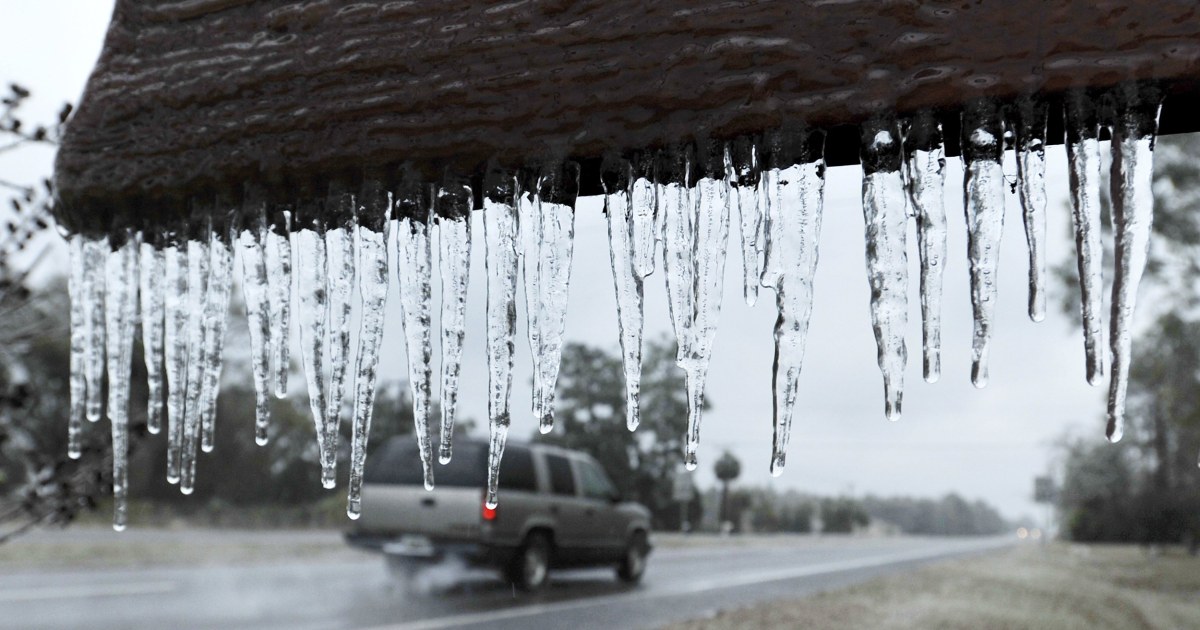
While snow is an exceptionally rare occurrence in most of Florida, it is not entirely unprecedented. Understanding why this is the case involves delving into the state’s geographical position, its prevailing weather patterns, and the specific atmospheric conditions required for frozen precipitation to grace the sandy soil. This article will explore the unlikelihood of snow in Florida, examine the rare instances when it has occurred, and offer insights for travelers and locals alike on how to prepare for the unexpected. From the palm-fringed coastlines of Miami to the rolling hills of the Panhandle, the possibility of a frosty landscape remains a captivating, albeit remote, prospect.
Florida’s Climate: A Winter Paradox
Florida’s climate is predominantly subtropical to tropical, characterized by hot, humid summers and mild, pleasant winters. This climatic profile is largely dictated by its southern latitude and its extensive coastlines, which moderate temperatures. The Gulf Stream current offshore also plays a significant role, keeping winter temperatures from dipping too low. The vast majority of the state experiences average winter temperatures that hover comfortably above freezing. This makes it a prime destination for those seeking to escape the harsh winters of more northern regions, a cornerstone of Florida’s booming tourism industry.
The Usual Suspects: What Florida Winters Typically Bring
When most people think of a Florida winter, they envision clear blue skies, balmy afternoons perfect for exploring Walt Disney World or soaking up the sun on Clearwater Beach, and evenings cool enough for a light jacket, perhaps a cozy dinner at a charming Orlando restaurant. The typical weather patterns involve high-pressure systems moving in from the continent, bringing cooler, drier air. However, these systems rarely bring the kind of sustained, frigid temperatures necessary for snow formation.
Rain is the much more common form of winter precipitation in Florida. Cold fronts can sweep through, bringing much-needed rain to the parched landscape, but these fronts are usually not cold enough to freeze the moisture in the atmosphere. Instead, rain showers, sometimes accompanied by thunderstorms, are the norm. The state’s tourism infrastructure, from luxury resorts like the Ritz-Carlton Orlando, Grande Lakes to budget-friendly motels and vacation rentals, is built around these predictable, mild winter conditions. Travelers book flights and accommodations with the expectation of escaping frost and snow, not encountering it.
The Meteorological Formula for Snow
For snow to fall, a specific set of atmospheric conditions must align. First, the temperature in the clouds where precipitation forms must be below freezing (0°C or 32°F). Second, the air from the clouds all the way down to the ground must remain at or below freezing. If the air near the ground is too warm, the snowflakes will melt before they reach the surface, turning into rain.
In Florida, the primary challenge to snowfall is the ground temperature and the temperature of the lower atmosphere. While cold fronts can bring temperatures down, they often don’t drop low enough, or sustainedly enough, to meet the criteria for snow. The humidity that is characteristic of Florida’s climate can also play a role; when it’s cold enough for snow, the air often feels very dry, which is less common in Florida during these brief cold snaps. The state’s geography, being a peninsula surrounded by warm ocean waters, also acts as a natural buffer against extreme cold. This is why even during some of the coldest weather experienced in the United States, Florida often remains a relative haven of milder temperatures.
Rare Flurries: When Florida Has Witnessed Snow
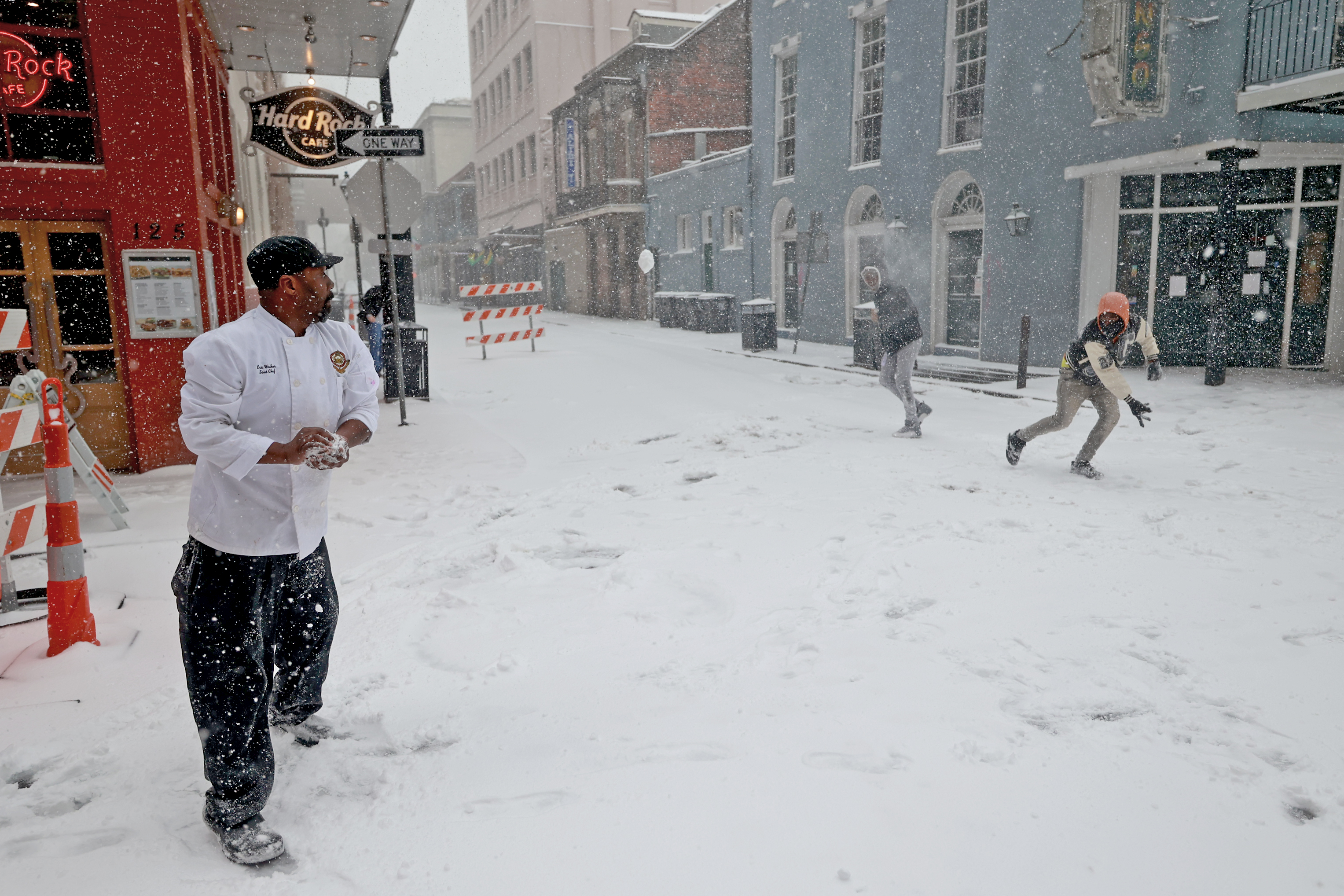
Despite the general unlikelihood, Florida has, on very rare occasions, experienced snowfall. These events are often localized, brief, and are etched into the memories of those who witnessed them as remarkable anomalies. The most significant and widely reported snowfall event in Florida’s history occurred in January 1977, an event often referred to as the “Great Snow of ’77.” This historic cold snap brought snow, sleet, and freezing rain to many parts of the state, including areas that rarely, if ever, see such conditions.
The Historic Snow of 1977
The winter of 1977 was exceptionally cold across the United States, and Florida was not immune. On January 19th and 20th, a powerful cold air mass, combined with a moisture-laden low-pressure system, converged over the state. Snowflakes were reported as far south as Miami, a truly astonishing sight for residents accustomed to only sun and surf. Pictures from the era show bewildered Floridians marveling at a dusting of white on palm trees and iconic landmarks like the Miami Herald building.
The impact on daily life was significant. Schools were closed, traffic was disrupted, and many residents were simply stunned by the phenomenon. While the accumulation was generally light, the mere presence of snow was a once-in-a-lifetime event for many. This snowfall, though fleeting, serves as a potent reminder that even the most predictable climates can hold surprises. For tourists who happened to be visiting during this period, perhaps staying at hotels like the Fontainebleau Miami Beach, it was an unforgettable, albeit unexpected, travel experience. The memory of seeing snow against the backdrop of typically tropical scenery is something few forget.
Other Notable Snowfall Events
Beyond the 1977 event, there have been other instances of light snow or sleet in parts of Florida. The Panhandle region, being geographically closer to more northern states and subject to stronger cold fronts, has a slightly higher propensity for experiencing frozen precipitation. For example, in February 2010, parts of the Panhandle, including cities like Tallahassee and Pensacola, received a light dusting of snow. While not as widespread or impactful as the 1977 event, it was still a notable occasion for these areas.
Occasionally, freezing rain or ice storms can occur in northern Florida, which can be just as disruptive as snow, if not more so, due to the slick road conditions they create. These events, while not technically snow, contribute to the rare instances of winter weather that deviate from the norm. For travelers planning a winter visit to these northern parts of the state, it’s always wise to check the forecast and be prepared for a wider range of potential weather conditions than typically associated with Florida. This preparedness can extend to accommodation choices; while many opt for beachfront resorts, considering locations with easier access to major roadways in case of inclement weather might be prudent.
Preparing for the Unlikely: What Travelers and Locals Should Know
While the odds are overwhelmingly in favor of sunshine and mild temperatures, the possibility, however remote, of snow or other winter weather in Florida warrants a brief mention for preparedness. This is particularly relevant for those venturing into the northern parts of the state or during unusually severe winter weather patterns affecting the continental United States.
Travel Tips for Winter in Florida
For most of Florida, particularly the southern half, winter is the peak tourist season. The weather is idyllic, perfect for exploring the numerous theme parks in Orlando, visiting the vibrant art deco district of Miami Beach, or embarking on a cruise from Port Canaveral. Hotels like the Grand Hyatt Tampa Bay or charming boutique inns in St. Augustine are typically booked well in advance. The advice for travelers is generally to pack light clothing, swimwear, and sun protection.
However, if your travel plans include the Panhandle, or if you are visiting during a period of unusually cold weather predicted for the entire United States, it’s prudent to pack a few warmer layers. A light jacket, a sweater, and perhaps a hat and gloves can be useful, especially for evenings. Checking the weather forecast diligently before and during your trip is always recommended, regardless of the season. If snow is even a remote possibility in a forecast, it’s a sign of an unusual weather pattern, and it’s wise to be prepared for potential travel disruptions. Understanding local conditions, even for a famously warm destination, can enhance your travel experience and ensure you’re not caught off guard.
Local Insights and Adaptation
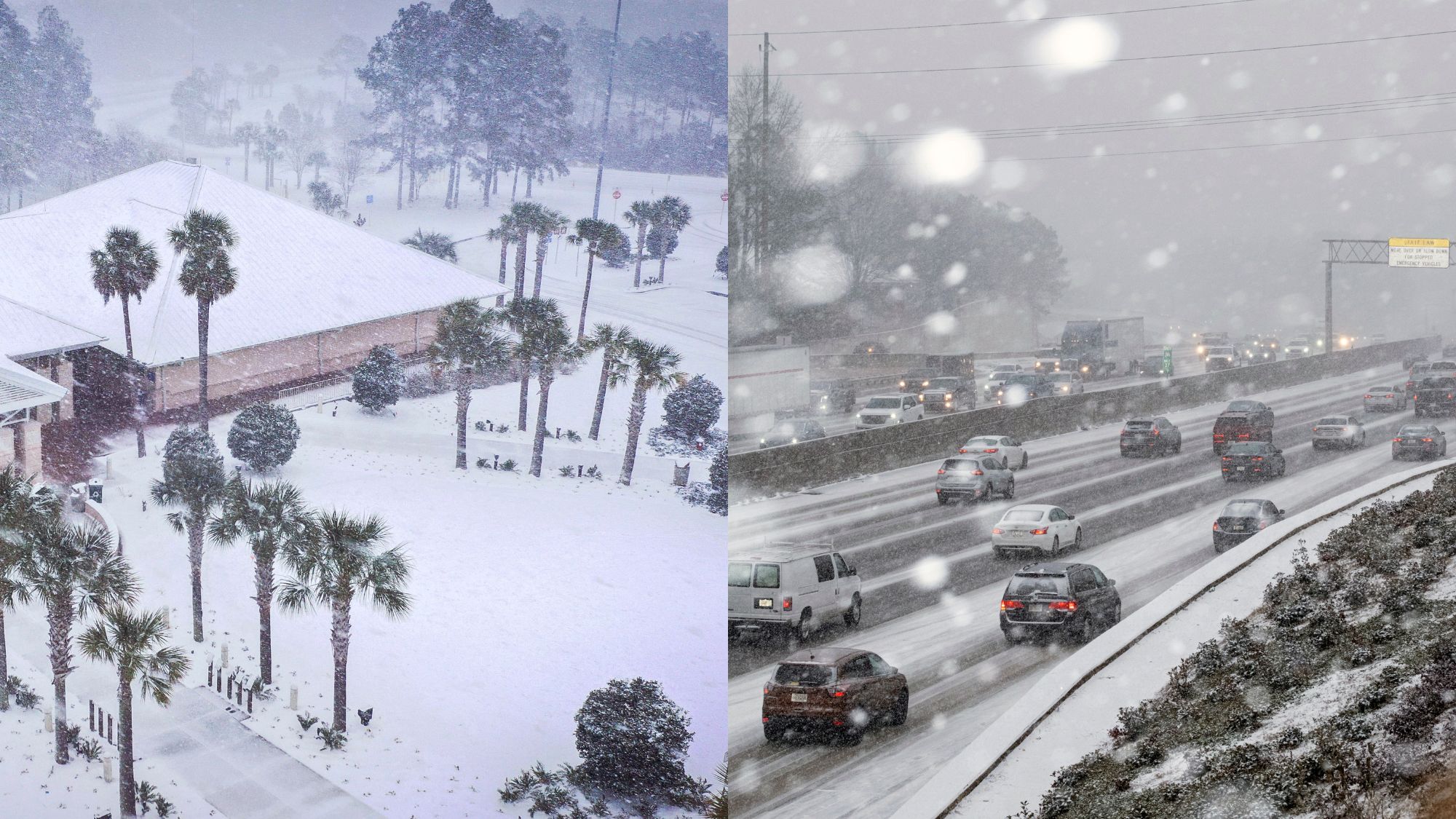
Floridians are generally well-accustomed to dealing with hurricanes and tropical storms, but snow is a far less frequent adversary. When it does occur, there can be a degree of unpreparedness. Stores may quickly sell out of basic winter supplies if a significant cold snap is forecast. Roads can become hazardous, especially with the type of tires commonly used on vehicles in Florida. Local governments and emergency services are more geared towards tropical weather events than snow removal.
For locals, the advice is to heed weather warnings, especially from trusted sources like the National Weather Service. If snow is predicted, it’s wise to stock up on essential groceries and ensure your vehicle is in good working order. If you don’t have experience driving in snowy or icy conditions, it’s best to stay home. The culture of Florida embraces its warm climate, and while the rare snowfall might be a novel and even exciting event, it’s also a reminder of the unpredictable nature of weather. The resilience of the state, however, lies in its ability to adapt, whether to the intense heat of summer, the fury of a hurricane, or the dusting of a truly exceptional winter morning. Even in a state known for its perpetual sunshine, the possibility of a winter surprise keeps things interesting, offering a unique layer to the Florida experience.
LifeOutOfTheBox is a participant in the Amazon Services LLC Associates Program, an affiliate advertising program designed to provide a means for sites to earn advertising fees by advertising and linking to Amazon.com. Amazon, the Amazon logo, AmazonSupply, and the AmazonSupply logo are trademarks of Amazon.com, Inc. or its affiliates. As an Amazon Associate we earn affiliate commissions from qualifying purchases.