
Florida, the Sunshine State, beckons millions of visitors each year with its diverse attractions, from world-renowned theme parks to pristine beaches and vibrant cultural hubs. Whether you’re planning a lavish luxury travel escape, a fun-filled family trip, or a tranquil long-term stay, understanding the state’s geography is key. This often starts with deciphering its communication landscape, and a fundamental part of that is knowing the Florida area codes. These numerical prefixes not only direct calls but also offer a fascinating glimpse into the state’s expansive reach and varied regions. From the bustling metropolises of South Florida to the historical charm of the Panhandle, each area code tells a story of distinct communities and unique experiences.

Unpacking Florida’s Diverse Dialing Landscape
Florida’s rapid growth and population density have necessitated a complex and ever-evolving system of area codes. As the state continues to attract new residents and tourists alike, the demand for phone numbers has led to the introduction of overlay area codes. These overlays are designed to expand the available number pool without disrupting existing numbers. Understanding these codes can be particularly helpful for travelers looking to connect with local businesses, book accommodations at specific resorts, or simply navigate the state. For instance, knowing the area code for Orlando can help you identify hotels and attractions in that specific tourist hotspot, while familiarizing yourself with the codes in the Florida Keys might guide your search for secluded villas and unique island experiences.
The Florida Public Service Commission oversees the assignment and management of these area codes, ensuring efficient allocation and addressing future needs. This dynamic approach means that what might have been a single area code for a large region years ago may now be a patchwork of several, reflecting the distinct development and population centers within that area. This detailed segmentation allows for a more granular understanding of the state, from the professional services available in Miami to the laid-back lifestyle found in smaller coastal towns.
The Pulse of South Florida: Miami-Dade and Broward Counties
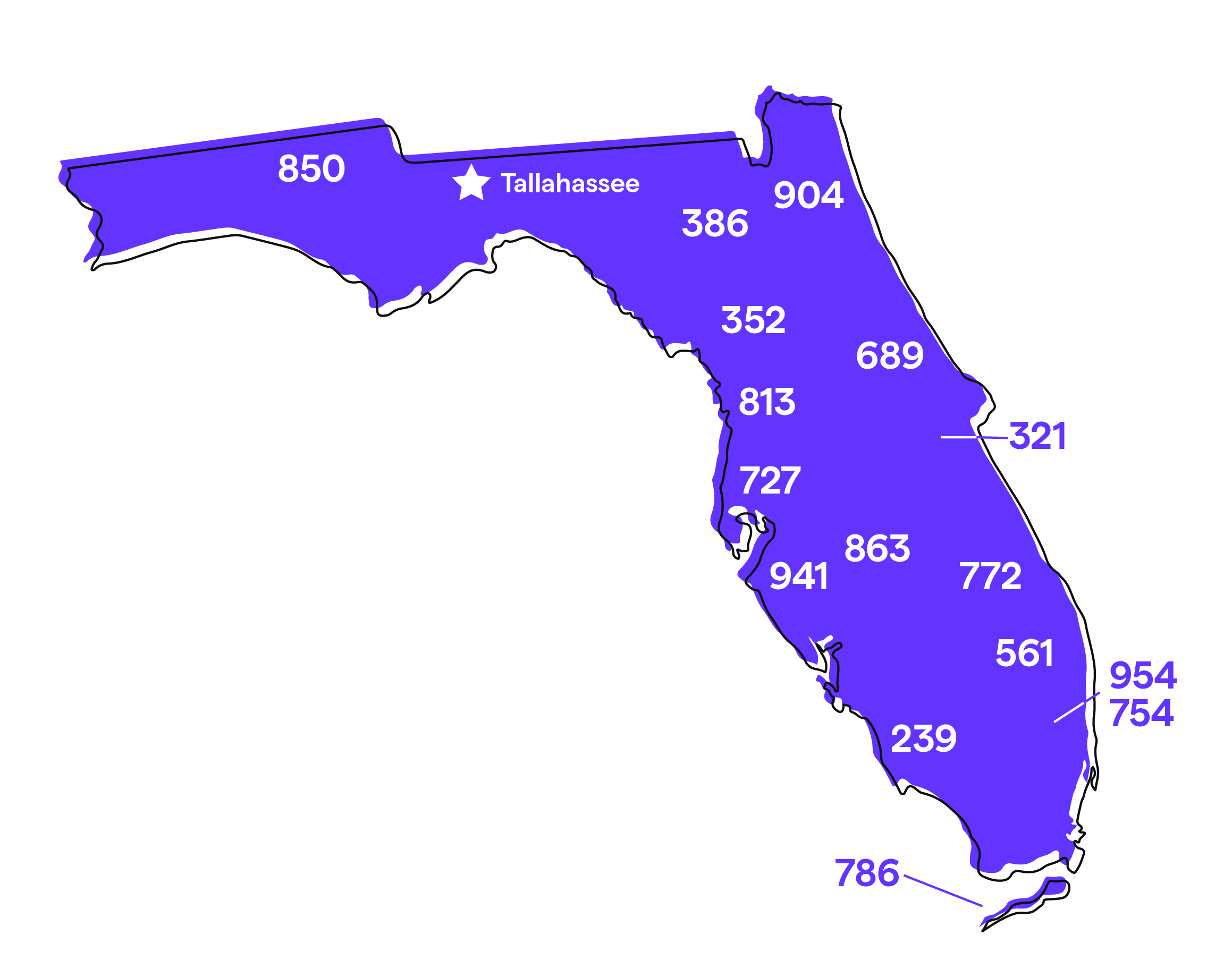
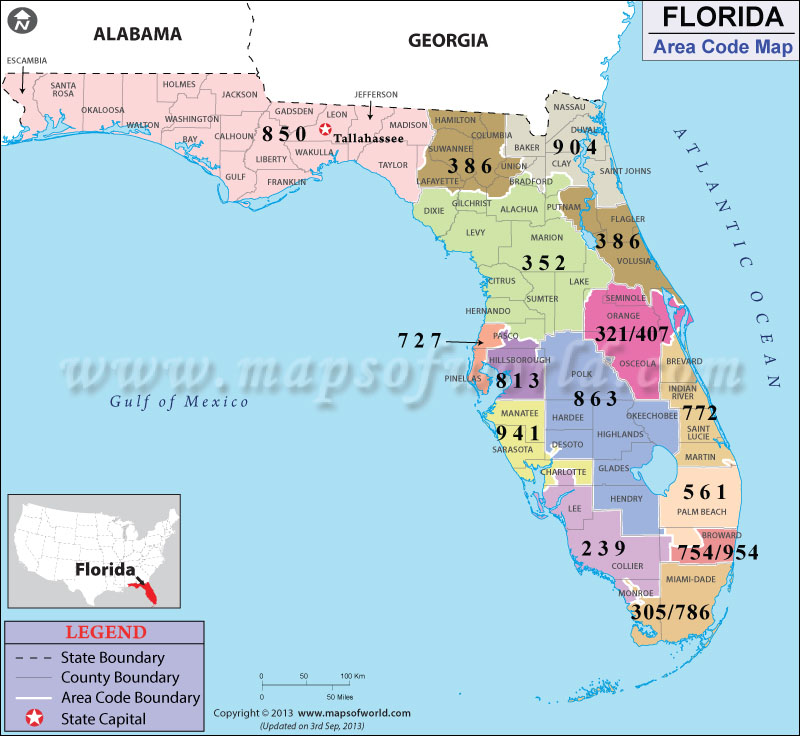
South Florida, a region synonymous with sun-drenched beaches, vibrant nightlife, and a rich tapestry of cultures, is served by a significant number of area codes. This densely populated area, encompassing major cities like Miami, Fort Lauderdale, and West Palm Beach, experiences the most frequent introduction of new area codes due to its sustained growth. The original area code for much of this region, 305, still covers Miami-Dade County, a testament to its enduring significance. However, as the population expanded, overlays became necessary.
The 786 area code was introduced as an overlay for the 305 region, covering the same geographical territory but allowing for a greater supply of phone numbers. This is a common strategy in areas with high demand, ensuring that businesses and residents can obtain unique numbers without forcing existing users to change theirs. Further north, Broward County, home to Fort Lauderdale and its expansive resorts, is primarily served by area codes 954 and its overlay, 754. These codes encompass a wealth of tourist attractions, from the bustling Port Everglades to the serene Bonnet House Museum & Gardens.
Moving further up the southeastern coast, Palm Beach County, known for its affluent communities and high-end hotels, is covered by area codes 561 and its overlay, 724. This region is a prime example of how area codes can correspond with distinct economic and lifestyle profiles within the state. For travelers seeking luxury accommodation or exploring the historical architecture and cultural offerings, understanding these codes can provide a valuable directional compass. The presence of multiple area codes in these southern counties underscores their status as major economic and cultural engines of Florida.
Navigating the I-4 Corridor: Orlando and Tampa Bay
The I-4 Corridor, the bustling stretch of highway connecting the major metropolitan areas of Tampa and Orlando, is a cornerstone of Florida’s tourism industry. This region is home to some of the world’s most famous theme parks, family-friendly attractions, and a diverse array of dining and entertainment options. Consequently, it also features a complex layering of area codes to accommodate its massive population and constant influx of visitors.
The iconic Orlando area, the heart of the theme park universe, is primarily served by area codes 407, 321, and 689. The 407 code was the original for this central region, but the explosion of tourism and residential growth led to the introduction of 321 and more recently, 689, as overlays. These codes cover not only the world-renowned Walt Disney World Resort and Universal Orlando Resort, but also the surrounding communities and a multitude of hotels offering various amenities. When booking your stay, whether it’s a themed suite or a convenient apartment, recognizing these codes can help you pinpoint your desired location.
Heading west towards the Gulf Coast, the Tampa Bay area, encompassing cities like Tampa, St. Petersburg, and Clearwater, is covered by area codes 813, 727, and the newer overlay, 642. The 813 code historically served the greater Tampa metropolitan area, including downtown Tampa and its business districts, and also areas east of the city. The 727 code was later split off to cover the coastal communities of Pinellas County, including St. Petersburg and Clearwater, renowned for their beautiful beaches and thriving arts scenes. The introduction of 642 as an overlay for both 813 and 727 addresses the continuing need for more phone numbers in this dynamic region, supporting its robust tourism sector and residential expansion.
Exploring the Panhandle and Beyond: Northern and Western Florida
The northern and western parts of Florida, often referred to as the Panhandle and extending into the western reaches of the state, offer a different, yet equally captivating, experience. This region is characterized by its historic cities, beautiful coastline along the Gulf of Mexico, and a more relaxed pace of life compared to the southern metropolises. The area codes here reflect the historical settlement patterns and the more dispersed population centers.
Tallahassee, the state capital, and its surrounding areas are predominantly covered by area code 850. This code serves a vast geographical area stretching across the northern part of the state, encompassing cities like Pensacola, Panama City, and Destin, popular destinations for their pristine beaches and outdoor activities. Due to its size and population growth, the 850 area code has seen overlays introduced, with 448 being a recent addition to ensure sufficient numbering resources. Travelers planning trips to this scenic region will find a variety of accommodation options, from charming beachfront apartments to family-friendly hotels.
Moving further west, the area code 850 continues to be the primary code. However, for areas in the westernmost part of the Panhandle and stretching into the western side of the state, like parts of Okaloosa County, the overlay code 448 is also in use. This region boasts numerous landmarks of natural beauty, including state parks and the famous Emerald Coast beaches, offering diverse experiences for visitors. Understanding these codes can be helpful when researching local tourism information, booking tours, or connecting with local guides who can share insights into the local culture and hidden gems.
Additionally, some western parts of central Florida, such as parts of Citrus County and Hernando County, have historically been served by 352. This area code covers a broad range of communities, from the historic town of Dunnellon to areas surrounding Ocala, known for its equestrian heritage and natural springs. While not as densely populated as South Florida, these areas offer unique travel opportunities, from exploring nature trails to enjoying a more relaxed budget travel experience. The presence of multiple area codes across the state highlights the vastness and diversity of Florida, offering something for every type of traveler.
LifeOutOfTheBox is a participant in the Amazon Services LLC Associates Program, an affiliate advertising program designed to provide a means for sites to earn advertising fees by advertising and linking to Amazon.com. Amazon, the Amazon logo, AmazonSupply, and the AmazonSupply logo are trademarks of Amazon.com, Inc. or its affiliates. As an Amazon Associate we earn affiliate commissions from qualifying purchases.