
Embarking on a new chapter, whether it’s a thrilling adventure through the vibrant landscapes of Florida, a luxurious escape to a world-class resort, or simply immersing yourself in the rich tapestry of local culture, often begins with a crucial step: obtaining the necessary credentials. For many, this means securing a driver’s license, a key that unlocks the freedom to explore the Sunshine State’s diverse offerings. While the allure of Miami’s art deco charm, the family fun of Orlando’s theme parks, or the serene beauty of the Florida Keys beckons, understanding the administrative pathways is paramount. This guide aims to demystify the process of getting your Florida driver’s license, ensuring your journey from aspiration to exploration is as smooth as a sunset over the Gulf of Mexico.
Navigating the requirements for a Florida driver’s license might seem like a daunting task, especially when you’re also planning your dream vacation, researching the perfect hotel suite, or considering a long-term accommodation in a picturesque villa. However, by breaking down the process into manageable steps, you can efficiently acquire the documentation needed to fully experience all that Florida has to offer, from its iconic landmarks to its hidden culinary gems. Whether you’re a new resident looking to settle into a new lifestyle or a visitor preparing for an extended stay, this information is tailored to guide you through the essential requirements.
Understanding the Core Requirements for a Florida Driver’s License
The Florida Department of Highway Safety and Motor Vehicles (FLHSMV) oversees the issuance of driver’s licenses, ensuring that all drivers meet a certain standard of knowledge and ability. The specific requirements can vary depending on your age, citizenship status, and whether you are applying for a learner’s permit, a Class D (operator) license, or a commercial driver’s license (CDL). For the vast majority of individuals seeking to drive for personal purposes, the focus will be on the Class D license.
Eligibility and Documentation: The Foundation of Your Application
Before you even step into a Tax Collector’s office or a Driver License Service Center, it’s crucial to gather the necessary documentation. Florida operates under a strict system of identity verification and proof of residency. This is designed to ensure the integrity of the licensing process and to comply with federal standards.
Proof of Identity and Social Security Number
The cornerstone of your application is proving who you are and that you are legally entitled to hold a Florida driver’s license. You will typically need to provide:
- Proof of Identity: This usually involves a certified U.S. birth certificate, a U.S. passport, or a Florida identification card. If you were born outside the U.S., you might need your passport with a visa and your I-94 Arrival/Departure Record.
- Proof of Social Security Number: A Social Security card is the most common document. However, a W-2 form or a pay stub with your name and Social Security number can also suffice.
- Proof of Residential Address: You’ll need two documents to prove you reside in Florida. These can include a utility bill, a lease agreement, a mortgage statement, or mail from a financial institution. The key is that these documents must show your name and Florida address.
Gathering these documents can sometimes take time, especially if you need to request certified copies. It’s advisable to start this process well in advance of your planned visit to the licensing office, particularly if you are planning a trip that might involve staying at places like the Ritz-Carlton Amelia Island or exploring the historic streets of St. Augustine.
Proof of Legal Presence
For non-U.S. citizens, demonstrating legal presence in the United States is a critical step. This often involves presenting your U.S. Passport, Permanent Resident Card (Green Card), or other relevant immigration documents. The FLHSMV will verify the validity and expiration dates of these documents with federal agencies. Understanding your specific immigration status and the corresponding documents required is essential to avoid any delays in your application process.
The Testing and Examination Phase: Demonstrating Your Competence
Once you have your documentation in order, the next phase involves demonstrating your knowledge of traffic laws and your ability to operate a vehicle safely. Florida employs a multi-step testing process to ensure all licensed drivers are well-prepared.
The Vision and Written Knowledge Tests
The initial hurdle for most applicants is the vision screening and the written knowledge test.
Vision Screening: A Prerequisite for Safe Driving
Before anything else, your eyesight will be tested to ensure it meets the minimum standards for driving. This is a simple, in-office test that checks your ability to see clearly. If you wear glasses or contact lenses, be sure to bring them to the test. If you fail the vision screening, you may be required to get a corrective prescription from an eye doctor before proceeding. This is a vital step, as clear vision is fundamental to safe navigation, whether you’re driving on the bustling highways of South Florida or exploring the scenic routes along the coast.
Written Knowledge Test: Understanding Florida’s Traffic Laws
This computer-based test assesses your understanding of Florida’s traffic laws, road signs, and safe driving practices. It covers a wide range of topics, from speed limits and right-of-way rules to the effects of alcohol and drugs on driving. Studying the official Florida Driver Handbook is highly recommended. You can usually download a copy from the FLHSMV website. Familiarizing yourself with this material is crucial, especially if your lifestyle involves frequent driving or you are planning a road trip to explore attractions like Everglades National Park or the Ringling Museum of Art. Passing this test is a prerequisite for moving on to the driving skills test.
The Driving Skills Test: Proving Your Practical Abilities
After successfully passing the written test and, if applicable, completing a Traffic Law and Substance Abuse Education course (often referred to as the “drug and alcohol course”), you will be eligible to take the driving skills test. This test evaluates your ability to operate a vehicle safely and proficiently.
What to Expect During the Driving Skills Test
A certified examiner will accompany you in your vehicle and assess your performance on various driving maneuvers. They will be looking for your ability to:
- Perform basic driving tasks such as starting, stopping, and steering.
- Obey traffic signals and signs.
- Maintain proper lane position and make safe lane changes.
- Execute turns correctly.
- Parallel park (this may be a separate component or integrated into the main test depending on the location).
- Demonstrate awareness of your surroundings and other road users.
It’s important to ensure your vehicle is in good working condition, with functioning brake lights, turn signals, and a horn. If you are under 18, you will need to have held your learner’s permit for at least 12 months and completed a supervised driving log. This practical assessment is the final step before you are awarded your Florida driver’s license, allowing you to fully enjoy experiences such as exploring the unique ecosystems of the Florida Everglades or enjoying a stay at a beachfront resort in Clearwater.
Special Considerations for Different Applicant Groups
While the core requirements are similar for most applicants, certain groups may have additional considerations or specific pathways to obtaining their Florida driver’s license. Understanding these nuances can streamline the process.
For Minors: The Graduated Driver Licensing Program
Florida employs a Graduated Driver Licensing (GDL) program for individuals under the age of 18, designed to introduce driving privileges gradually and safely.
Learner’s Permit (Learner’s License)
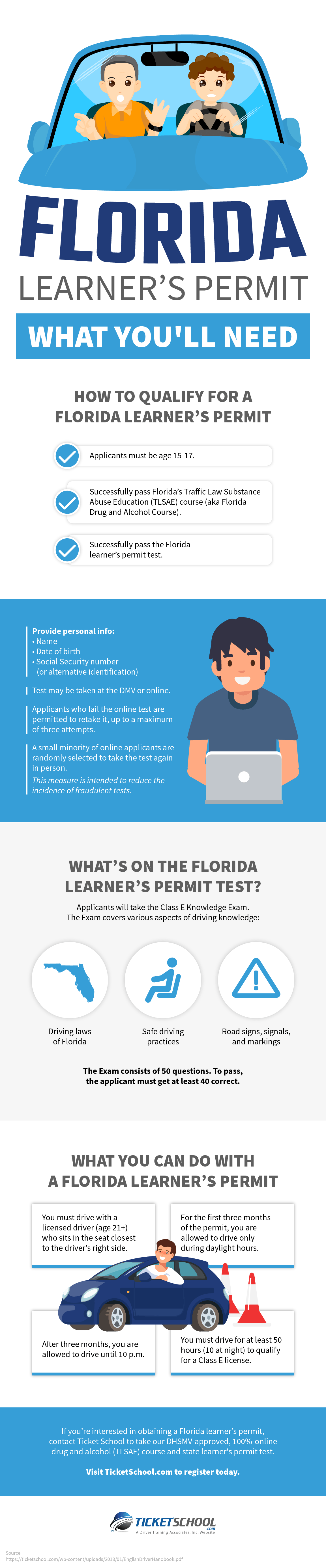
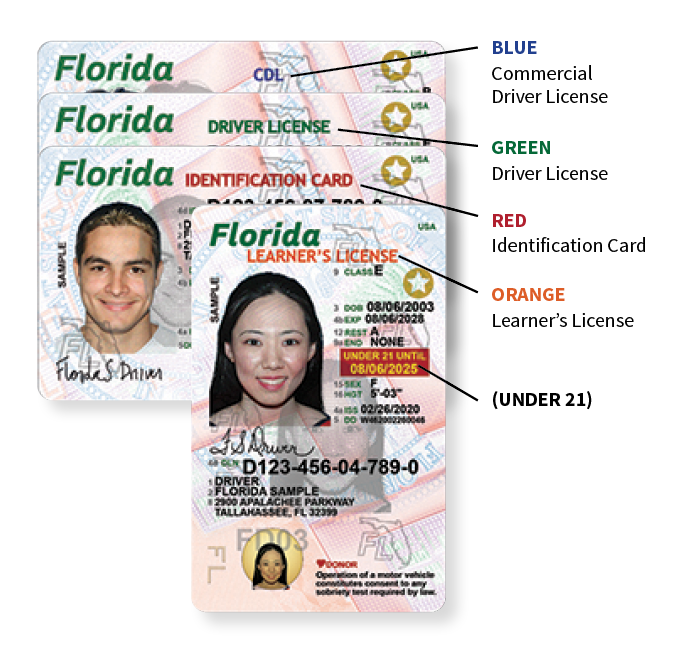
At age 15, individuals can apply for a learner’s permit. To obtain this, they must:
- Complete a Traffic Law and Substance Abuse Education course.
- Pass the vision and written knowledge tests.
- Have a parent or legal guardian sign the application.
With a learner’s permit, a licensed driver who is at least 21 years old must accompany the permit holder at all times when driving. Driving is restricted to daylight hours for the first three months, after which it can be extended to 10 p.m.
Intermediate Driver’s License
At age 16, and after holding a learner’s permit for at least 12 months, individuals can apply for an intermediate driver’s license. They must also have completed at least 40 hours of supervised driving, including 10 hours at night, and pass the driving skills test. This license has further restrictions, such as limiting driving between 11 p.m. and 5 a.m. unless driving to or from work or school.
Full Driver’s License
At age 18, individuals are eligible for a full, unrestricted Class D driver’s license, provided they have met all previous requirements and passed the necessary tests. This allows them the freedom to explore all the wonders of Florida, from the theme parks of Orlando to the historical significance of Key West, and to enjoy a wide range of accommodations, from budget-friendly apartments to luxurious villas.
For New Residents: Transferring Your Out-of-State License
If you are moving to Florida from another U.S. state and have a valid driver’s license from that state, the process is generally more straightforward.
What You Need to Transfer
Typically, new residents have 30 days after establishing residency in Florida to obtain a Florida driver’s license. You will need:
- Your out-of-state driver’s license.
- Proof of identity and Social Security number (as detailed previously).
- Proof of Florida residency (two documents).
- You will also need to surrender your out-of-state license.
In most cases, new residents are not required to retake the written knowledge test or the driving skills test, provided their out-of-state license is valid. However, you will still need to complete a vision screening. This makes it easier for individuals to continue their lifestyle of travel and exploration without significant interruption, allowing them to quickly plan trips to places like Walt Disney World Resort or discover charming towns.
For Non-U.S. Citizens: Navigating Immigration Requirements
As mentioned earlier, non-U.S. citizens must provide proof of legal presence in the United States. The validity of your Florida driver’s license will often be tied to the expiration date of your immigration documents. It is crucial to ensure all your immigration paperwork is up-to-date before applying. The FLHSMV will verify your status with the appropriate federal agencies, so accurate and current documentation is key. This ensures that whether you are a student at a Florida university, a temporary worker, or a permanent resident, you can obtain the necessary credentials to navigate the state, perhaps to attend an event at the Amway Center or to enjoy a family vacation.
By understanding these requirements and preparing adequately, you can confidently navigate the process of obtaining your Florida driver’s license. This essential document will unlock the freedom to experience the diverse attractions, vibrant culture, and stunning nature that Florida has to offer, from the bustling streets of Tampa to the tranquil beaches of Sanibel Island, making your stay and exploration truly unforgettable.
LifeOutOfTheBox is a participant in the Amazon Services LLC Associates Program, an affiliate advertising program designed to provide a means for sites to earn advertising fees by advertising and linking to Amazon.com. Amazon, the Amazon logo, AmazonSupply, and the AmazonSupply logo are trademarks of Amazon.com, Inc. or its affiliates. As an Amazon Associate we earn affiliate commissions from qualifying purchases.