
Embarking on a journey to the Sunshine State, whether for a leisurely vacation, a business trip, or perhaps even a permanent relocation, often brings up practical considerations. Among these, understanding the requirements for obtaining a Florida ID is a crucial step for many travelers and new residents. This guide delves into the essential documents and processes involved, ensuring your transition or visit to Florida is as smooth as possible. While the primary purpose of a Florida ID is for identification, its utility extends beyond mere proof of identity, becoming a key to unlocking various aspects of life in the state, from accessing certain attractions to establishing residency for services.
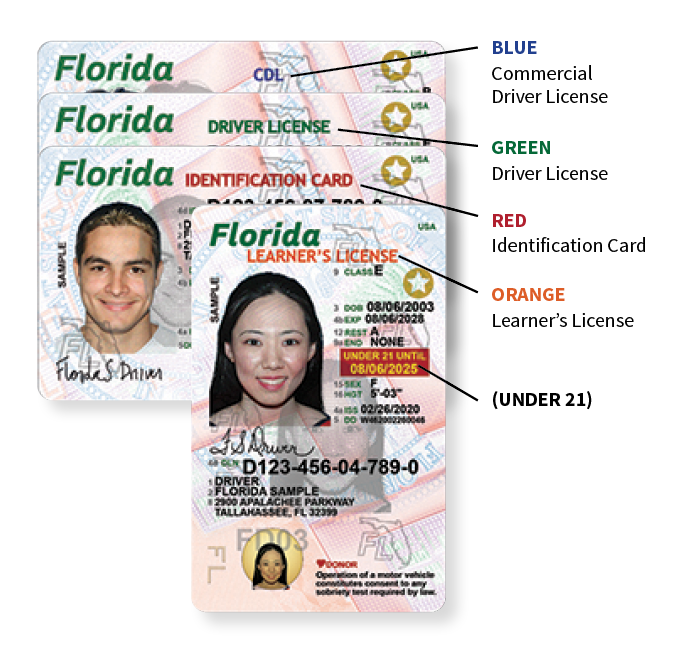
Navigating the bureaucracy of any government agency can seem daunting, but with clear information and preparation, obtaining your Florida ID becomes an achievable task. This article aims to demystify the process, providing a comprehensive overview of what you’ll need, categorized for ease of understanding. We’ll cover the primary identification documents, proof of residency, and any other stipulations that might apply. Whether you’re planning to explore the vibrant theme parks of Orlando, soak up the sun on the beaches of Miami, or immerse yourself in the historical charm of St. Augustine, having the correct identification can significantly enhance your experience.
Establishing Your Identity: Core Documentation Requirements
The foundation of any Florida ID application lies in providing verifiable proof of your identity. The Department of Highway Safety and Motor Vehicles (DHSMV) mandates specific documents to ensure that the applicant is who they claim to be. This multi-layered approach to verification is designed to enhance security and prevent fraudulent applications. It’s imperative to gather these documents well in advance of your visit to a DHSMV service center to avoid delays.
Primary Identification Documents
The DHSMV requires you to present at least one acceptable primary identification document. These are typically official government-issued documents that bear your photograph and are considered highly reliable. The most commonly accepted primary identification includes:
- U.S. Birth Certificate: A certified copy of your birth certificate, issued by a state or county, is a primary document. It must be original or a certified copy and cannot be a hospital certificate. Ensure it has a raised seal, an official signature, and is from a reputable issuing agency.
- Valid U.S. Passport: A current and valid U.S. passport is a universally accepted form of identification. Whether it’s a regular passport or a passport card, it serves as strong proof of identity.
- Consular Report of Birth Abroad: For those born outside the United States but are citizens, this document serves as a primary identification source.
- Certificate of Citizenship: Issued by the U.S. Citizenship and Immigration Services (USCIS), this document confirms your U.S. citizenship.
- Certificate of Naturalization: Another USCIS-issued document, this proves that you have been naturalized as a U.S. citizen.
- Permanent Resident Card (Green Card): For lawful permanent residents of the United States, a valid Green Card is an acceptable primary identification document.
It is crucial to note that expired documents will not be accepted. The name on your primary identification document must also match the name you wish to appear on your Florida ID. If there are discrepancies, such as a name change due to marriage or divorce, you will need to provide supporting legal documentation, such as a marriage certificate or a court order, to establish the link.
Secondary Identification Documents
In addition to a primary identification document, you will generally need to present a secondary form of identification. These documents, while also official, may not carry the same weight as primary documents but are essential for corroborating your identity. Examples of acceptable secondary identification include:
- Social Security Card: Your original Social Security card is a vital document. While it may not have a photograph, it contains your unique Social Security number, which is a key piece of information for verification.
- U.S. Driver’s License (from another state): If you possess a valid driver’s license from another U.S. state, it can often be used as a secondary form of identification.
- Marriage Certificate: As mentioned earlier, a marriage certificate can be used to support a name change.
- Divorce Decree: Similarly, a divorce decree can be used to establish a name change.
- Court Orders: Any official court order that bears your name and indicates a legal change or confirmation of identity can be accepted.
- Foreign Passports: While not a primary document for a Florida ID for U.S. citizens, a valid foreign passport can sometimes be used as a secondary document for non-U.S. citizens applying for specific types of identification.
The DHSMV has a comprehensive list of all acceptable primary and secondary documents on its official website, and it’s highly recommended to consult this list before your appointment to ensure you have the correct documentation. Bringing photocopies of these documents is generally not sufficient; you must present the originals or certified copies.
Proving Your Residency: Establishing Your Connection to Florida
Beyond identity, a significant part of obtaining a Florida ID involves demonstrating that you are a resident of the state, especially if you are applying for a Florida driver’s license or a state ID card that reflects residency. This is a crucial step, as Florida requires proof of domicile for its residents. The definition of residency for the purpose of obtaining a Florida ID is generally considered establishing a “fixed and permanent residence” in Florida.
Acceptable Proof of Residential Address
To satisfy the residency requirement, you will need to provide at least two different documents from separate sources that clearly show your Florida residential address. These documents must be current and readily verifiable. Here are some common examples of acceptable proof of residential address:
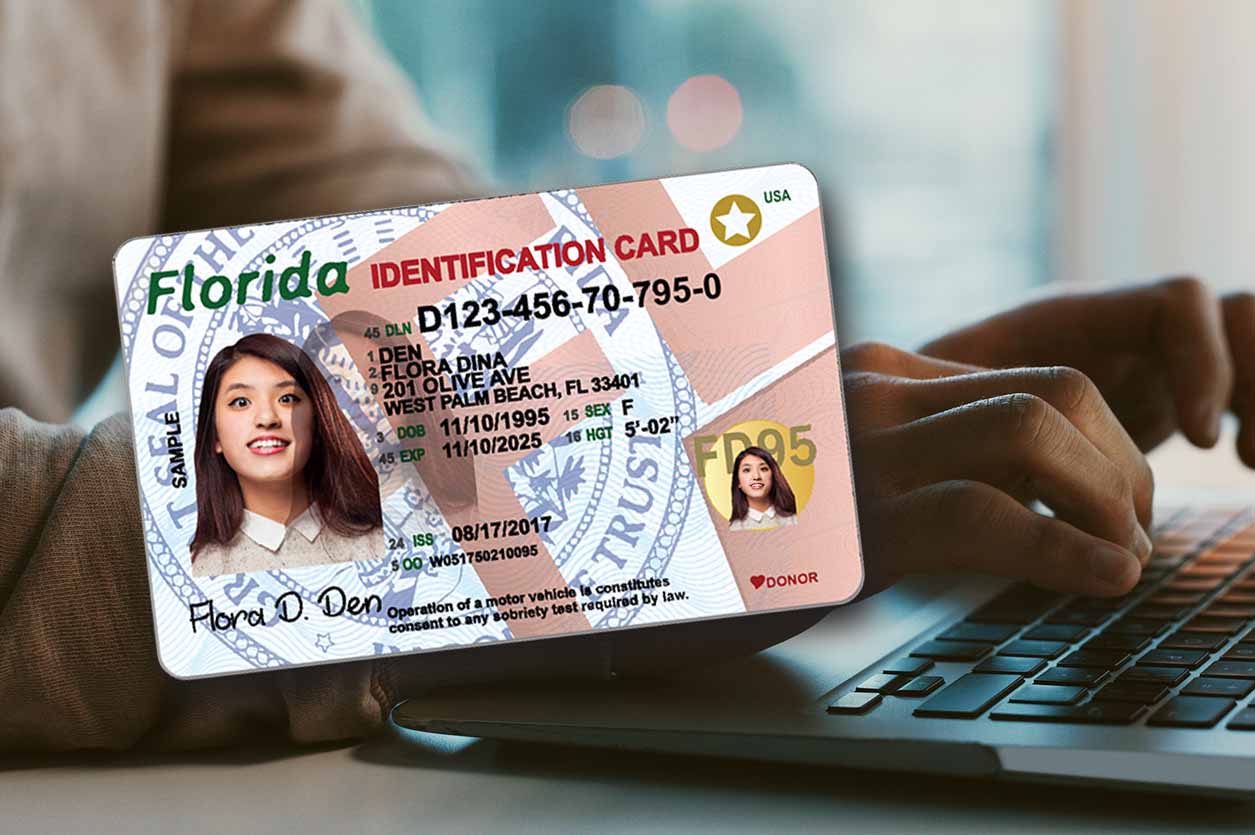
- Lease Agreement or Deed: A valid lease agreement for a rental property or a deed for a property you own in Florida serves as strong evidence of residency.
- Utility Bills: Recent utility bills (e.g., electricity, water, gas, internet) for your Florida address are widely accepted. Ensure the bills are not older than a specified period, usually 60 days.
- Bank Statements: Bank statements or financial institution statements that show your Florida address are also acceptable. Again, recent statements are required.
- Mortgage Statements: If you own a home in Florida, a recent mortgage statement will work as proof of residency.
- School Records: If you have children attending school in Florida, school enrollment documents or report cards bearing your Florida address can be used.
- Property Tax Records: Official property tax statements for your Florida property are a reliable indicator of residency.
- W-2 Forms or 1099 Forms: If you are employed in Florida, a recent W-2 or 1099 form that lists your Florida address can be used.
- Mail from Government Agencies: Official correspondence from federal, state, or local government agencies addressed to you at your Florida residence can also be considered.
It’s important to understand that not all documents are treated equally, and the DHSMV may have specific requirements for the types and recency of these documents. For instance, a post office box is generally not accepted as proof of residential address. You must have a physical address where you reside. If you are living with someone else, you may need additional documentation or a sworn statement from the homeowner or leaseholder confirming your residency.
Special Considerations for Minors and Students
Minors applying for a Florida ID or driver’s license may have slightly different requirements, often relying on parental or guardian documentation for proof of residency. Similarly, students studying in Florida but who are not yet considered residents for voting purposes might need to provide documentation from their educational institution along with other residency proofs. It is always best to check the specific guidelines for minors and students on the DHSMV website, as requirements can vary.
Additional Requirements and Application Process
Once you have gathered all the necessary identification and proof of residency documents, you are ready to proceed with the application process. This typically involves visiting a DHSMV service center, completing an application form, and potentially undergoing further verification steps.
The Application Process at a DHSMV Service Center
The application for a Florida ID is generally completed in person at one of the many DHSMV driver license or tax collector service centers located throughout the state. It’s advisable to check the DHSMV website for the nearest service center and to see if appointments are required or recommended, as wait times can vary significantly.
Upon arrival, you will be asked to present your original documents for verification. A customer service representative will review your paperwork to ensure everything is in order. You will also need to complete an official application form, providing details such as your name, address, date of birth, and other relevant personal information.
A crucial part of the process for a driver’s license, and often for an ID card, is the vision test. You will be asked to read letters on a chart to ensure your eyesight meets the required standards for driving. For an ID card, a vision test may not always be mandatory, but it’s best to be prepared.
You will also likely have your photograph taken at the service center. This photograph will appear on your official Florida ID. It’s important to dress appropriately and ensure your appearance is suitable for an official identification document.
Finally, you will be required to pay the applicable fees for the ID. The cost can vary depending on the type of ID and whether it’s an original application or a renewal. Accepted payment methods usually include cash, checks, and credit/debit cards.

Real ID Compliance
Many individuals applying for a Florida ID will be seeking a Real ID-compliant card. Starting May 7, 2025, a Real ID-compliant driver’s license or identification card will be required for boarding federally regulated commercial aircraft and accessing certain federal facilities. To obtain a Real ID, you will need to provide additional documentation beyond standard identification and proof of residency. This typically includes:
- Proof of Social Security Number: Your original Social Security card or a W-2 form.
- Proof of Identity: A Real ID-compliant document like a U.S. birth certificate or an unexpired U.S. passport.
- Proof of Residential Address: Two documents showing your Florida address (as detailed in the previous section).
- Proof of Legal Presence: This is usually covered by your birth certificate or passport for U.S. citizens. For non-U.S. citizens, specific immigration documents are required.
It is essential to check the DHSMV’s official Real ID checklist to ensure you have all the required documents. The process for obtaining a Real ID is more stringent, and having all the correct documentation upfront will prevent unnecessary return trips.
Obtaining a Florida ID is a straightforward process once you understand the requirements. By meticulously gathering your identification documents, proof of residency, and preparing for the application process, you can ensure a smooth and efficient experience, allowing you to fully enjoy your time in the beautiful state of Florida. Whether you’re planning a visit to Disney World, seeking accommodation at the iconic Fontainebleau Miami Beach, or simply looking to explore the natural wonders of the Everglades, your Florida ID will be an invaluable asset.
LifeOutOfTheBox is a participant in the Amazon Services LLC Associates Program, an affiliate advertising program designed to provide a means for sites to earn advertising fees by advertising and linking to Amazon.com. Amazon, the Amazon logo, AmazonSupply, and the AmazonSupply logo are trademarks of Amazon.com, Inc. or its affiliates. As an Amazon Associate we earn affiliate commissions from qualifying purchases.