
Florida, often dubbed the “Sunshine State,” is renowned for its balmy weather, attracting millions of visitors each year seeking sun-drenched beaches, thrilling theme parks, and vibrant city life. Understanding Florida’s climate is paramount for anyone planning a trip, whether it’s a luxurious resort getaway, a budget-friendly family adventure, or a long-term residential stay. The state’s geographical position, bordered by the Atlantic Ocean to the east and the Gulf of Mexico to the west, coupled with its southern latitude, dictates a predominantly subtropical and tropical climate, characterized by warm temperatures, distinct wet and dry seasons, and the occasional dramatic weather event.
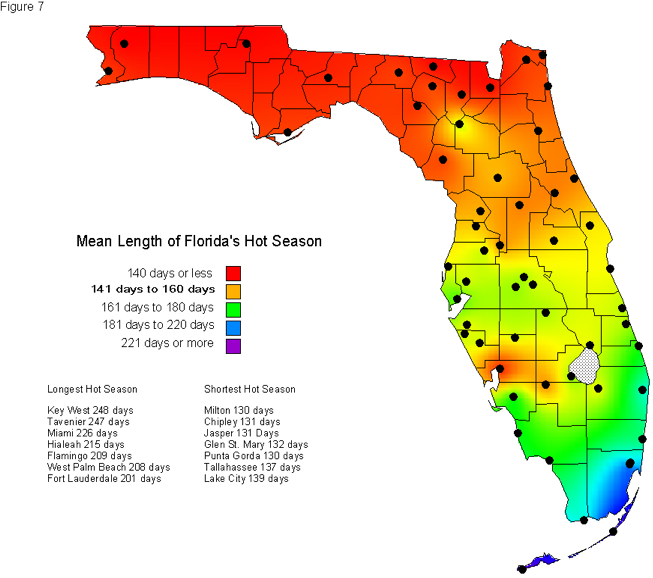
The Sunshine State’s climate can be broadly divided into two main seasons: a warm, humid summer and a mild, drier winter. However, there are subtle variations across the state, with the northern regions experiencing slightly cooler winters and more pronounced seasonal changes compared to the tropical climate of South Florida. This detailed exploration will delve into the nuances of Florida’s weather patterns, providing essential insights for travelers and residents alike, ensuring your visit or stay is as comfortable and enjoyable as possible. From planning the perfect beach day in Miami Beach to navigating the theme park crowds in Orlando, knowing what to expect from the climate is key to maximizing your Florida experience.
Florida’s Seasonal Climate Breakdown
Florida’s climate is a story of two distinct halves, though the lines can blur depending on your specific location within the state. The dominant influence is its subtropical to tropical nature, leading to consistently warm temperatures throughout much of the year. This offers a stark contrast to many other parts of the United States, making it a perennial favorite for those escaping colder climes. However, it’s not simply a case of perpetual sunshine; understanding the seasonal shifts is crucial for effective planning.
Summer: The Humid Embrace
The summer months in Florida, typically from May through October, are characterized by high temperatures and significant humidity. This period is often referred to as the “wet season” due to the frequent afternoon thunderstorms. Average temperatures often hover in the high 80s to low 90s Fahrenheit (around 31-33°C), but the oppressive humidity can make it feel significantly hotter, with heat index values frequently exceeding 100°F (38°C).
These daily thunderstorms are a hallmark of Florida summers. They usually develop in the afternoon due to intense solar heating and the convergence of moist air. While these storms can be brief and intense, often bringing heavy downpours, lightning, and gusty winds, they also provide a temporary reprieve from the heat. The skies typically clear up relatively quickly, leading to more pleasant evenings.
Coastal areas often experience a moderating effect from the ocean breezes, which can offer some relief from the inland heat. However, the humidity remains a constant factor, so staying hydrated and seeking air-conditioned environments is essential. For visitors planning to explore attractions like Everglades National Park or enjoy watersports, it’s advisable to start activities early in the morning to avoid the peak heat and the likelihood of afternoon storms.
The Atlantic hurricane season officially runs from June 1st to November 30th, with the peak typically occurring between August and October. While not every year sees direct hits, the threat of tropical storms and hurricanes is a reality for Florida during this period. These systems can bring torrential rain, destructive winds, and significant storm surge, impacting travel plans and potentially causing widespread disruptions. Staying informed about weather forecasts and heeding evacuation orders are critical safety measures during this season. Even without a direct hurricane, tropical systems can still bring extended periods of heavy rain and strong winds to the state.
Winter: The Pleasant Pause
From November through April, Florida transitions into its dry season and offers a welcome respite from the summer heat and humidity. This is arguably the most popular time of year for tourism, as the weather is generally mild and comfortable, making it ideal for outdoor activities and exploring the state’s many attractions.
Average daytime temperatures during the winter months typically range from the mid-60s to the mid-70s Fahrenheit (around 18-24°C) in the southern half of the state, while North Florida might experience cooler temperatures, occasionally dipping into the 40s and 50s Fahrenheit (4-15°C) at night. Freezing temperatures are rare, especially in South Florida, though they can occur in the northern panhandle and central regions on occasion, particularly during cold snaps originating from the continental interior.
The winter months are characterized by lower humidity and less rainfall. Sunshine is abundant, contributing to the “Sunshine State” moniker. This makes it perfect for leisurely strolls through historic districts like St. Augustine or enjoying the beaches along the Emerald Coast. Outdoor dining, golfing, and visiting attractions like Walt Disney World Resort or Universal Orlando Resort are particularly pleasant during this time.
While generally dry, occasional cold fronts can sweep through Florida during the winter, bringing a temporary dip in temperatures and increased wind. These can be a refreshing change for those accustomed to the summer heat, but they can also necessitate packing a light jacket or sweater. Snow is virtually unheard of in Florida, with the exception of very rare occurrences in the northernmost parts of the state, making it a consistent draw for those seeking to escape winter’s chill.
Regional Climate Variations Within Florida
While Florida’s climate is largely uniform in its general warmth, there are discernible differences as one travels from the northern reaches to the southern tip. These variations, though often subtle, can influence packing choices and activity planning for visitors.
North Florida: The Transitional Zone
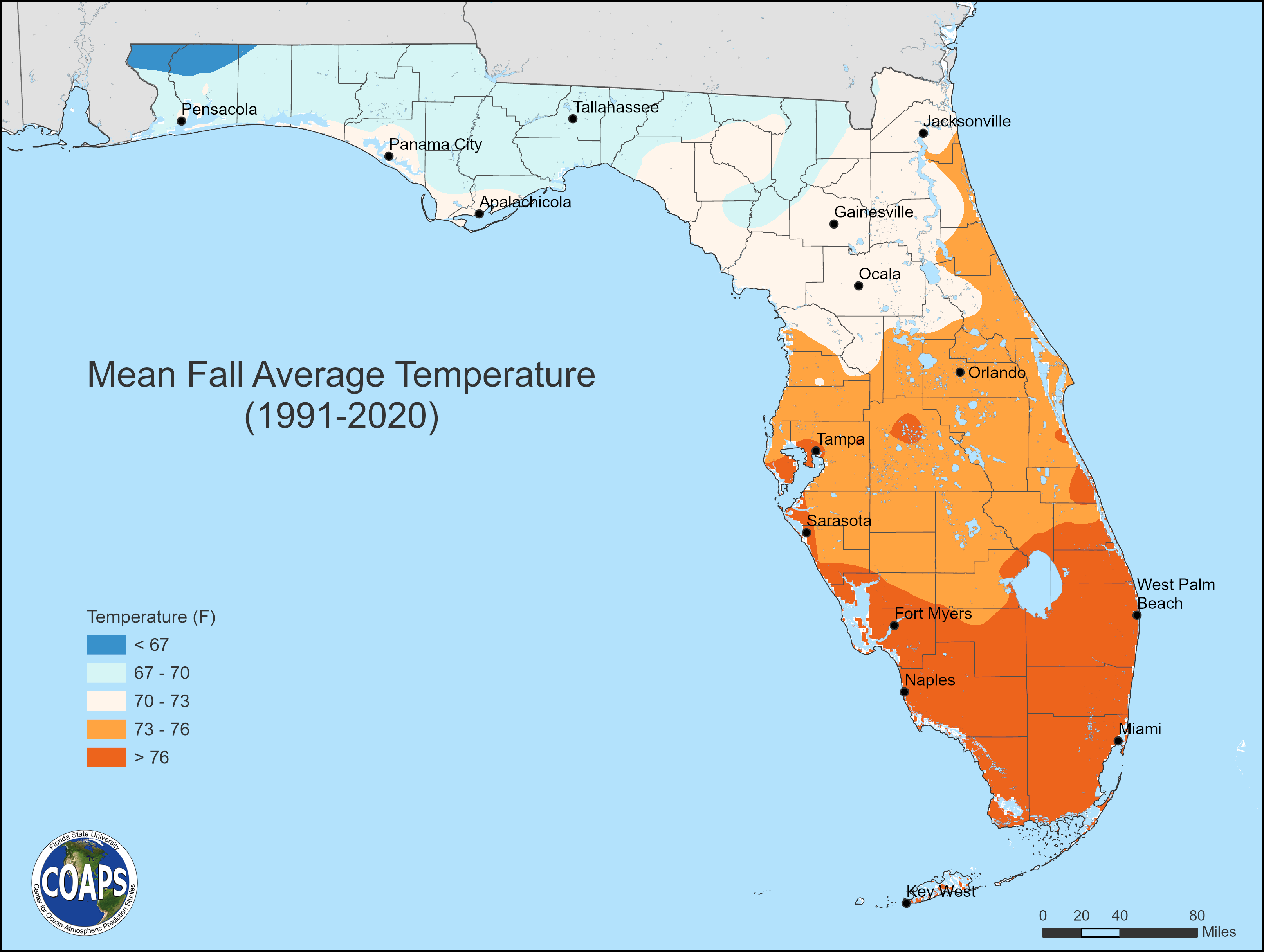
North Florida, encompassing areas like the Florida Panhandle and cities such as Jacksonville and Tallahassee, experiences a climate that is a transition between the subtropical south and the more temperate continental United States. Winters here are noticeably cooler than in the southern parts of the state. Daytime temperatures in winter can average in the 50s and 60s Fahrenheit (10-20°C), with nighttime lows occasionally dropping into the 30s and 40s Fahrenheit (0-10°C). Frost is more common, and while snow is exceptionally rare, it has been recorded historically.
Summers in North Florida are hot and humid, similar to the rest of the state, with temperatures frequently reaching the high 80s and 90s Fahrenheit (31-37°C). The rainfall pattern is also similar, with a distinct wet season in the summer characterized by afternoon thunderstorms. However, the overall rainfall might be slightly higher in the panhandle compared to South Florida, influenced by weather systems moving in from the Gulf of Mexico.
Central Florida: The Heart of the Theme Parks
Central Florida, home to the world-famous theme park capital, Orlando, enjoys a climate that embodies the typical subtropical experience. Summers are hot and humid, with temperatures consistently in the high 80s and low 90s Fahrenheit (31-33°C), accompanied by the frequent afternoon thunderstorms. The humidity can make these temperatures feel even more intense, so staying hydrated is crucial, especially when spending long days at attractions like SeaWorld Orlando or exploring the resorts.
Winters in Central Florida are generally mild and pleasant, making it a prime destination during the cooler months. Average daytime temperatures range from the 60s to the 70s Fahrenheit (15-25°C), with cooler evenings that might require a light jacket. While cold snaps are infrequent, they can occur, bringing temperatures down into the 40s Fahrenheit (4-9°C) on occasion. This comfortable winter climate is a major draw for families and individuals seeking to escape harsh northern winters.
South Florida: The Tropical Paradise
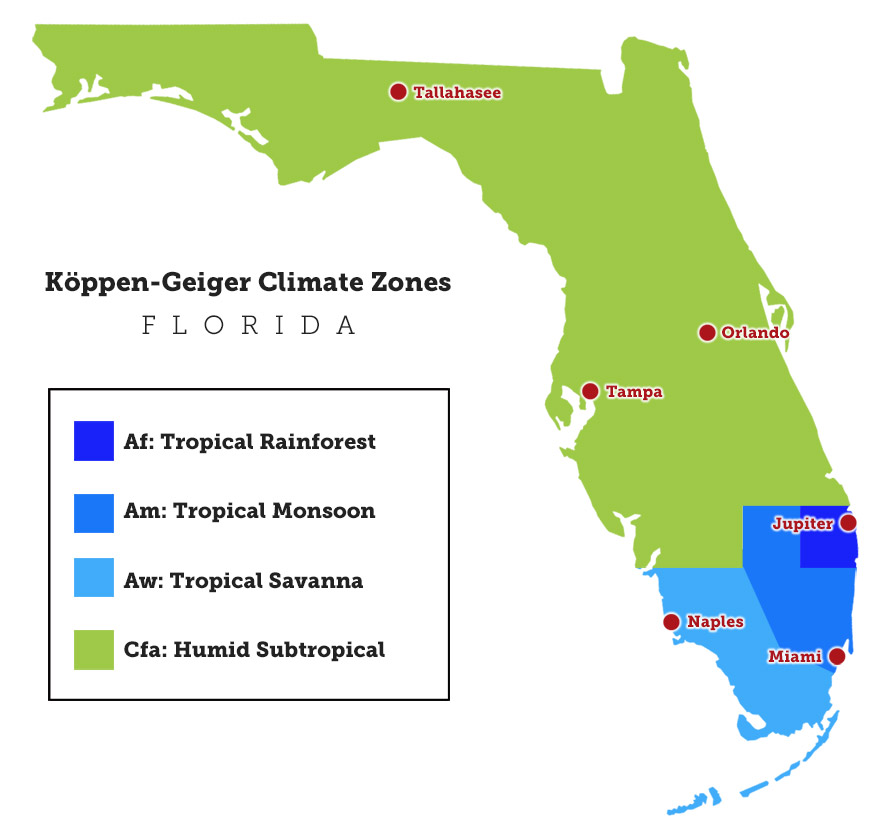
South Florida, including the vibrant metropolitan areas of Miami, Fort Lauderdale, and the tropical tip of the Keys, experiences the most distinctly tropical climate in the state. The temperature variation between summer and winter is less pronounced here than in the northern regions.
Summers are hot and very humid, with temperatures often in the low to mid-90s Fahrenheit (32-35°C) and heat indices soaring. The rainy season is prominent, with daily downpours a common occurrence, particularly in the afternoon. This tropical humidity contributes to the lush vegetation and the exotic feel of the region.
Winters in South Florida are exceptionally mild and pleasant, often described as near-perfect. Daytime temperatures typically range from the mid-70s to low 80s Fahrenheit (24-28°C), with very few days dipping below the 60s Fahrenheit (15°C). The humidity is significantly lower during this period, making it an ideal time to enjoy the beaches, explore the Art Deco Historic District in Miami, or visit the unique ecosystem of Biscayne National Park. This consistent warmth makes South Florida a year-round destination for sun-seekers.
Planning Your Florida Trip Around the Climate
Understanding Florida’s climate is not just about knowing the average temperatures; it’s about strategic planning to make the most of your visit, no matter your travel style or chosen activities. Whether you’re looking for luxury beachfront accommodation, a budget-friendly family trip, or a longer-term stay, the weather will undoubtedly play a role in your experience.
Peak Seasons and Shoulder Seasons
The most popular time to visit Florida is generally during the winter months, from December to April. This period coincides with North America’s winter, making Florida a prime destination for escaping the cold. The pleasant weather, lower humidity, and abundant sunshine draw large crowds, particularly to the theme parks in Orlando and the beaches of South Florida. This also translates to higher prices for flights and accommodation, including upscale resorts and boutique hotels. Booking well in advance is highly recommended for this peak season.
The shoulder seasons, typically April to May and September to November, can offer a compelling alternative. In the spring, the weather remains pleasant, and the summer crowds have not yet arrived, though the humidity begins to build towards May. The fall offers a transition out of the intense summer heat and humidity, with the added benefit of potentially lower prices before the winter rush. However, it’s important to remember that fall is also the peak of hurricane season, so travelers should remain vigilant about weather forecasts.
The summer months, from June to August, are characterized by intense heat, high humidity, and frequent afternoon thunderstorms. While this is the low season for many tourist destinations, it can be an attractive time for families with children on school break. The parks are open, and you can often find better deals on accommodation. However, visitors must be prepared for the heat and the possibility of rain interrupting outdoor plans. Likewise, the late hurricane season in September and October can bring significant weather disruptions, though it also offers some of the best deals for accommodation.
Packing Essentials and Preparedness
When packing for a Florida trip, the climate dictates the essentials. During the summer months, lightweight, breathable clothing is a must. Think cotton t-shirts, shorts, and sundresses. A wide-brimmed hat, sunglasses, and high SPF sunscreen are non-negotiable to protect against the intense sun. An umbrella or a lightweight, waterproof jacket is essential for the frequent afternoon showers. Comfortable walking shoes are vital for exploring attractions, and sandals are perfect for the beach. Hydration packs or reusable water bottles are also a good idea.
For the milder winter months, layering is key. While daytime temperatures are often warm enough for t-shirts, evenings can be cooler, especially in North Florida. Packing a light sweater, a long-sleeved shirt, and perhaps a light jacket will ensure comfort. Jeans or comfortable trousers are suitable for cooler evenings or days. Even in winter, the Florida sun can be strong, so sunscreen and a hat are still recommended for extended outdoor activities.
Regardless of the season, always check the weather forecast close to your departure date, as Florida weather can be unpredictable. For those planning to visit during hurricane season, staying informed about potential storm developments is crucial. This includes monitoring official weather reports and having a plan in place for potential disruptions. When booking accommodation, consider properties with good air conditioning and, if traveling during hurricane season, inquire about their hurricane preparedness policies. Whether you’re staying at a luxurious resort in Palm Beach or a vacation rental in the Florida Keys, being prepared for Florida’s diverse climate will significantly enhance your travel experience.
LifeOutOfTheBox is a participant in the Amazon Services LLC Associates Program, an affiliate advertising program designed to provide a means for sites to earn advertising fees by advertising and linking to Amazon.com. Amazon, the Amazon logo, AmazonSupply, and the AmazonSupply logo are trademarks of Amazon.com, Inc. or its affiliates. As an Amazon Associate we earn affiliate commissions from qualifying purchases.