
Navigating the economic landscape of any region, especially one as dynamic and popular as Florida, involves understanding its core financial underpinnings. For those considering working, starting a business, or simply planning a budget for their travels and accommodations, knowing the minimum wage is a crucial piece of information. While Florida is renowned for its vibrant tourism, luxurious resorts, and diverse lifestyle offerings, the state’s minimum wage plays a significant role in the daily lives of its residents and the operational costs for businesses within its borders. This article delves into the current minimum wage in Florida, its historical context, and how it intersects with the state’s thriving travel and tourism sectors.
Understanding Florida’s Minimum Wage: Current Status and Future Projections
The minimum wage is the lowest hourly wage that employers are legally permitted to pay their employees. It’s a fundamental component of labor law designed to protect workers from exploitation and ensure a basic standard of living. In Florida, like in many other states, the minimum wage is subject to change, often influenced by legislative action and, in some cases, by the rate of inflation.
The Current Florida Minimum Wage Rate
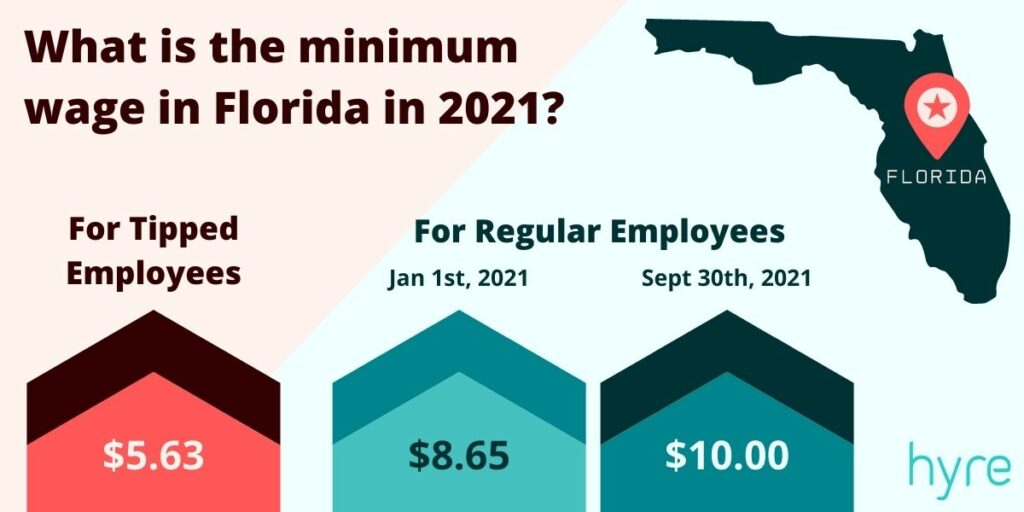
As of January 1, 2024, Florida’s minimum wage stands at $13.00 per hour. This rate applies to most employees, regardless of whether they receive tips. For employees who regularly receive tips, a separate tipped minimum wage exists. As of the same date, the minimum wage for tipped employees is $10.00 per hour, with the expectation that tips will bring their total earnings up to at least the standard minimum wage. If an employee’s tips, combined with the $10.00 per hour wage, do not reach $13.00 per hour, the employer is legally obligated to make up the difference.
It’s important for both employers and employees to stay informed about these figures, as non-compliance can lead to legal repercussions for businesses. The Florida Department of Economic Opportunity (now the Florida Department of Commerce) is typically the state agency responsible for overseeing and communicating minimum wage updates.
Historical Increases and Future Adjustments
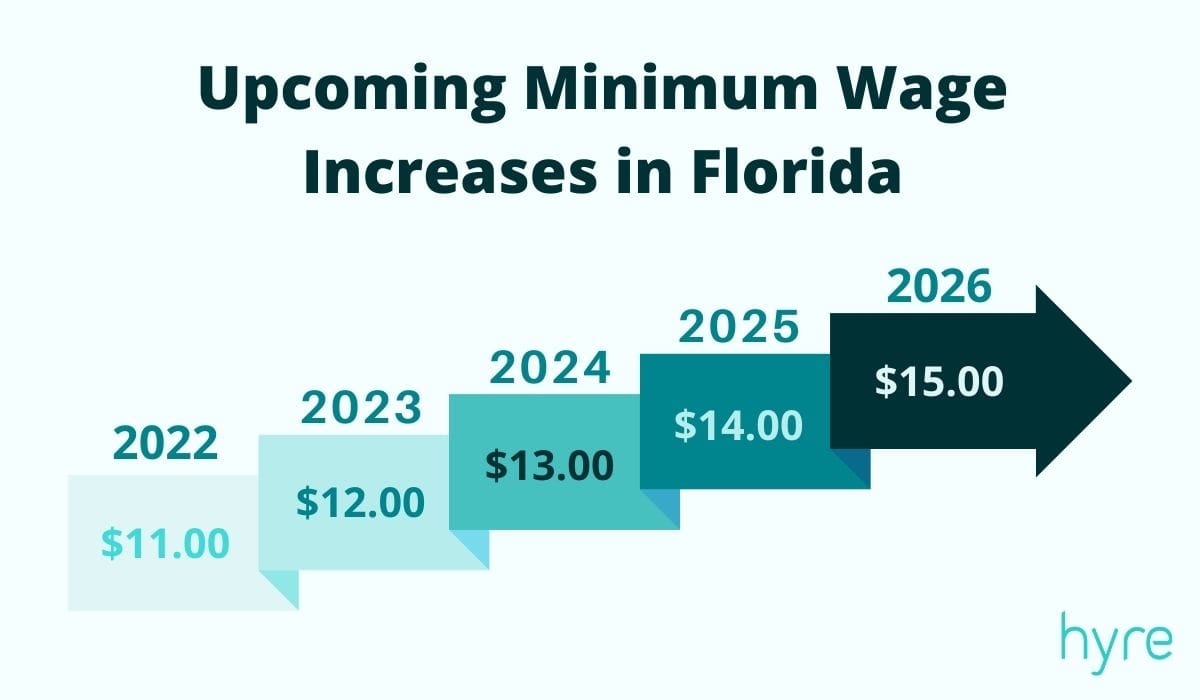
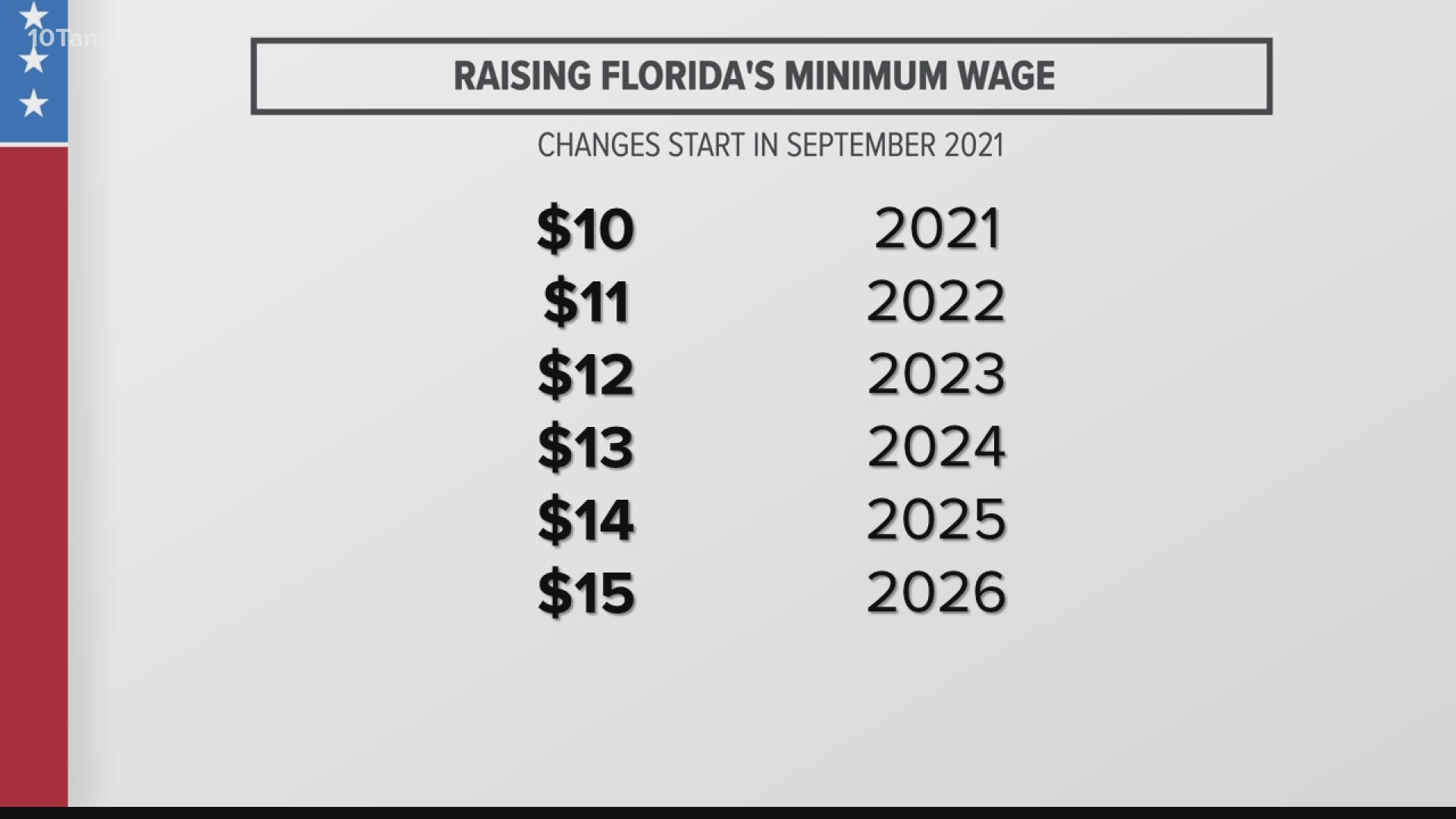
Florida has a history of gradually increasing its minimum wage. In 2020, voters approved a constitutional amendment that mandated an annual increase in the minimum wage by $1.00 each year until it reached $15.00 per hour. This phased approach aims to allow businesses to adapt to the rising labor costs while gradually improving the earning potential of low-wage workers.
Following the 2024 rate of $13.00 per hour, further increases are scheduled:
- January 1, 2025: The minimum wage is projected to increase to $14.00 per hour.
- January 1, 2026: The minimum wage is projected to increase to $15.00 per hour.
After reaching $15.00 per hour in 2026, the minimum wage in Florida is slated to be adjusted annually for inflation, based on the percentage increase in the Consumer Price Index (CPI) for all urban consumers in the Florida region. This mechanism ensures that the purchasing power of the minimum wage keeps pace with the cost of living.
The Minimum Wage’s Impact on Florida’s Thriving Tourism and Lifestyle Sectors
Florida’s economy is heavily reliant on its robust tourism and hospitality industries. From the theme parks of Orlando to the beaches of Miami and the natural wonders of the Everglades, millions of visitors flock to the Sunshine State each year. These industries are significant employers, offering a wide range of jobs from entry-level service positions to management roles in hotels, resorts, restaurants, and attractions.
Employment in the Hospitality and Tourism Industries
The minimum wage directly affects a large segment of the workforce in these sectors. Many roles, such as housekeepers, restaurant servers, front desk agents, and entry-level theme park staff, are often paid at or near the minimum wage. As the minimum wage increases, these workers see a direct boost in their income, which can improve their quality of life and consumer spending power.
For businesses in the hospitality sector, such as the Walt Disney World Resort or the luxury accommodations found in Miami Beach, increasing labor costs due to higher minimum wages can present challenges. These businesses often operate on tight margins, and labor represents a substantial portion of their expenses. To cope, they may explore several strategies:
- Price Adjustments: Increasing the prices of rooms, dining, and attraction tickets to offset higher labor costs. This could impact the affordability of certain budget travel options.
- Automation and Efficiency: Investing in technology to automate tasks and improve operational efficiency, thereby reducing the need for some manual labor.
- Staff Training and Upskilling: Focusing on training existing staff to handle more complex roles or to increase their productivity, potentially leading to higher wages for more skilled employees.
- Menu Optimization and Service Model Changes: Restaurants might adjust their menus to reduce food preparation costs or modify their service models to streamline operations.
However, proponents of minimum wage increases argue that higher wages can lead to reduced employee turnover, increased morale, and improved customer service. A more motivated and financially stable workforce can contribute to a better overall guest experience, which is paramount in the competitive tourism landscape. This can, in turn, benefit businesses by fostering loyalty and positive reviews for accommodations like the Grand Hyatt Hotel or the boutique apartments available for long-term stay.
The Ripple Effect on Accommodation and Travel Costs
The cost of accommodation, a cornerstone of Florida’s tourism industry, can be indirectly influenced by the minimum wage. When hotels and resorts, from large chains like the Marriott to independent villas, face higher labor expenses, these costs are often passed on to consumers. This means that the price of a suite at a Palm Beach resort or a family trip to a Clearwater Beach vacation rental might see incremental increases over time.
For luxury travel enthusiasts, these increases might be less impactful. However, for those planning family trips or budget travel adventures, even small price hikes can necessitate adjustments to their itineraries or spending. Travelers might need to allocate a larger portion of their budget for accommodation or seek out more affordable options.
The minimum wage also affects the cost of services that contribute to the overall travel experience. For example, the wages paid to staff at local restaurants offering authentic Florida cuisine, tour guides providing insights into local culture, or those working at landmarks like the Vizcaya Museum & Gardens all factor into the price of experiencing these aspects of the state.
Navigating Florida’s Economy: Implications for Residents and Visitors
Understanding Florida’s minimum wage is not just an academic exercise; it has tangible implications for both the residents who call the state home and the visitors who come to explore its attractions.
For Florida Residents
For individuals earning minimum wage in Florida, the scheduled increases represent a significant opportunity to improve their financial standing. A higher minimum wage can lead to:
- Increased Disposable Income: More money available for essential expenses like housing, food, and transportation, as well as for discretionary spending on lifestyle activities.
- Improved Standard of Living: The ability to afford better housing, healthcare, and educational opportunities.
- Reduced Reliance on Public Assistance: As wages increase, fewer individuals may need to rely on government support programs.
However, there’s also a potential concern that rising labor costs could lead to increased prices for goods and services, potentially eroding some of the gains from higher wages, especially if inflation outpaces wage growth. This is where the annual CPI adjustment becomes critical for maintaining the real value of the minimum wage.
For Visitors and Travelers
For those planning a trip to Florida, the minimum wage impacts the overall cost of their vacation. While direct price increases on attractions or accommodation might not always be immediate or dramatic, the cumulative effect of increased operating costs for businesses can lead to higher prices over time.
When booking hotels, considering different types of accommodation, or planning experiences, travelers should factor in the general economic conditions of the destination. A higher minimum wage generally indicates a stronger local economy with more disposable income for residents, which can translate to more vibrant local businesses and a better experience for tourists.
Visitors exploring the diverse offerings of Florida, from the theme parks of Orlando to the historical sites of St. Augustine or the natural beauty of the Florida Keys, will find that the state’s economic policies, including its minimum wage, shape the affordability and accessibility of these experiences.
Conclusion: A Balancing Act for Florida’s Economic Growth
Florida’s minimum wage is a dynamic policy that reflects the state’s commitment to supporting its workforce while fostering a robust economy. The planned increases leading up to $15.00 per hour by 2026, followed by inflation adjustments, signal a clear direction toward improving the financial well-being of low-wage workers.
This evolving wage structure presents both opportunities and challenges for Florida’s vital travel and tourism sectors. While businesses may face increased labor costs, these can be mitigated through innovation and operational efficiencies. Simultaneously, a higher minimum wage can stimulate local economies, enhance consumer spending, and contribute to a more equitable society.
For anyone engaging with the Florida economy, whether as a resident seeking employment, an entrepreneur starting a business, or a traveler planning their next adventure to explore its unique landmarks and lifestyle offerings, understanding the minimum wage is an essential part of navigating the Sunshine State’s economic landscape. The state’s continuous effort to balance fair wages with economic growth will undoubtedly continue to shape the experiences of its residents and visitors alike.
LifeOutOfTheBox is a participant in the Amazon Services LLC Associates Program, an affiliate advertising program designed to provide a means for sites to earn advertising fees by advertising and linking to Amazon.com. Amazon, the Amazon logo, AmazonSupply, and the AmazonSupply logo are trademarks of Amazon.com, Inc. or its affiliates. As an Amazon Associate we earn affiliate commissions from qualifying purchases.