
Pensacola, Florida, a vibrant coastal city nestled on the Gulf Coast, beckons travelers with its pristine white-sand beaches, rich history, and a laid-back atmosphere. When planning a visit to this charming destination, understanding the local climate is paramount to ensuring a comfortable and enjoyable experience. The question, “What is the temperature in Pensacola, Florida?” is a fundamental one for any prospective tourist, influencing everything from the clothing they pack to the activities they prioritize. This comprehensive guide delves into Pensacola’s climate, offering insights into its seasonal variations, average temperatures, and how these factors can shape your dream vacation.

Pensacola’s location in the Florida Panhandle grants it a humid subtropical climate, characterized by hot, humid summers and mild winters. This means that sunshine is abundant year-round, punctuated by occasional rain showers, particularly during the warmer months. For many, the allure of Pensacola lies in its ability to offer a diverse range of experiences, catering to both those seeking a sun-drenched beach escape and those eager to immerse themselves in its historical and cultural tapestry. Knowing the expected temperatures will help you tailor your itinerary, ensuring you make the most of the city’s offerings, from exploring historical landmarks to indulging in fresh seafood.
The city’s temperate weather makes it a popular destination throughout the year, though each season brings its own unique charm and set of considerations. Whether you’re envisioning lazy days spent lounging on the shores of Pensacola Beach or delving into the maritime history at the Naval Aviation Museum, understanding the thermometer’s readings will be your first step in crafting the perfect getaway. Let’s embark on a detailed exploration of Pensacola’s climate, empowering you to plan your visit with confidence.
Understanding Pensacola’s Seasonal Climate Patterns
Pensacola experiences distinct seasons, each with its own temperature profile and typical weather patterns. Understanding these variations is key to selecting the best time to visit and what to expect upon arrival. The city’s proximity to the Gulf of Mexico plays a significant role in moderating its temperatures, preventing extreme fluctuations that might be experienced in inland regions.
Summer: Embracing the Heat and Humidity
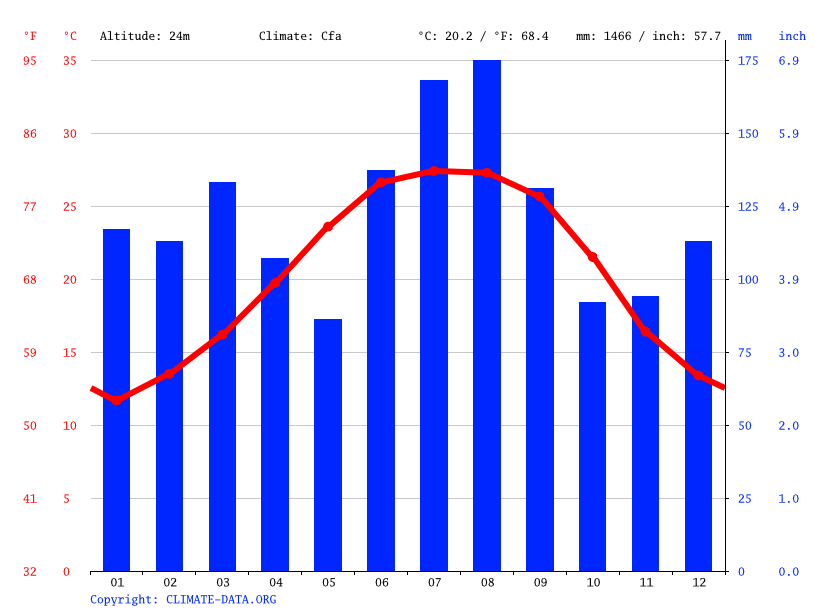
The summer months in Pensacola, typically from June through August, are characterized by significant heat and high humidity. Average daily temperatures often hover in the upper 80s to low 90s Fahrenheit (around 30-33°C). However, with the humidity, it can often feel considerably warmer, with heat index values frequently exceeding 100°F (38°C). Mornings are usually pleasant, but the afternoons can be intense, making it crucial to stay hydrated and seek air-conditioned environments during the peak heat of the day.
These are also the months when thunderstorms are most frequent. While often brief and intense, they can bring welcome relief from the heat, accompanied by spectacular lightning displays. For beach lovers, summer is prime time for swimming, sunbathing, and water sports. The Gulf waters are at their warmest, making them incredibly inviting.
Autumn: A Pleasant Transition
As the calendar turns to fall, from September through November, Pensacola experiences a delightful transformation. The oppressive heat and humidity of summer begin to recede, giving way to milder temperatures and clearer skies. September can still feel quite warm, with average highs in the mid-80s Fahrenheit (around 29°C), but by October and November, temperatures become significantly more comfortable, with daily highs averaging in the 70s Fahrenheit (21-25°C). Evenings start to cool down, offering a pleasant respite.
Autumn is often considered one of the best times to visit Pensacola. The crowds from the summer peak have thinned, and the weather is ideal for outdoor activities. This is a fantastic period for exploring the historic downtown area, visiting landmarks like Fort Pickens, or enjoying leisurely strolls along the coast. The slightly cooler temperatures make it more comfortable to engage in activities that might be too strenuous during the summer heat.
Winter: Mild and Invigorating
Pensacola’s winters, from December through February, are generally mild. Snow is extremely rare, and freezing temperatures are infrequent. Average daily temperatures during the winter months typically range from the high 50s to low 60s Fahrenheit (12-17°C) for highs, with overnight lows often dipping into the 40s Fahrenheit (4-9°C). While you won’t typically need heavy winter coats, a light jacket or sweater is advisable for cooler evenings and mornings.
Winter offers a different kind of charm for visitors. The pace of life slows down, and you can often find great deals on accommodations. It’s a wonderful time for those who enjoy a quieter travel experience, focusing on cultural attractions, historical exploration, and enjoying the natural beauty of the area without the intense summer sun. The beaches, though cooler, are still beautiful for walking and enjoying the fresh sea air.
Spring: A Blooming Awakening
Spring in Pensacola, spanning March through May, is a period of renewal and pleasant weather. Temperatures begin to climb steadily, with March still offering cooler days similar to late winter, while May often feels like the beginning of summer. Average daily highs in March are in the low 70s Fahrenheit (around 22°C), gradually increasing to the mid-80s Fahrenheit (around 29°C) by May. Humidity starts to build as spring progresses, but it’s generally less intense than in the summer months.
Spring is an excellent time to visit for those who appreciate blooming flora and a vibrant atmosphere. The city comes alive with outdoor events and festivals. The waters of the Gulf of Mexico begin to warm up, making beach activities increasingly appealing as the season progresses. It’s a transitional period that offers a good balance of comfortable temperatures and the promise of warmer days ahead, perfect for exploring the diverse attractions Pensacola has to offer, from the beaches to its charming downtown districts.
Planning Your Pensacola Experience Based on Temperature
The temperature in Pensacola, Florida, directly influences the types of activities you can enjoy and the overall atmosphere of your visit. Understanding these nuances allows for strategic planning, maximizing your enjoyment and comfort. Whether you’re booking a stay at a luxurious resort like the Grand Hotel Golf Resort & Spa or seeking a more budget-friendly apartment rental, the weather will play a role.
Maximizing Outdoor Adventures in Cooler Months
The milder temperatures of autumn and spring are ideal for those who prefer to be outdoors without the intense heat. This is the perfect season for extended exploration of Pensacola’s natural beauty.

Exploring Historic Landmarks and Nature Trails
The cooler months provide an optimal environment for discovering the rich history embedded within Pensacola. Visitors can comfortably spend hours wandering through the historic streets of downtown, marveling at the architecture, and visiting significant sites like the Pensacola Historic Village. The cooler air makes it more pleasant to explore landmarks such as the Old Christ Church or to delve into the maritime past at the Historic Pensacola Village.
For nature enthusiasts, the fall and spring offer perfect conditions for hiking and biking. The trails around Big Lagoon State Park or along the Gulf Islands National Seashore become more accessible and enjoyable when the temperatures are moderate. You can explore at your own pace, appreciating the local flora and fauna without the discomfort of extreme heat. Boat tours exploring the bay or dolphin-watching excursions are also more comfortable during these transitional seasons.
Beach Activities and Water Sports During Shoulder Seasons
While the summer months boast the warmest waters, the shoulder seasons of spring and fall offer a delightful compromise for beachgoers. In late spring, as the water begins to warm, and in early fall, before it cools significantly, you can still enjoy swimming and a variety of water sports. The beaches are less crowded, offering a more relaxed experience.
Activities like paddleboarding, kayaking, and parasailing can be enjoyed with greater comfort. Evenings can be spent with bonfires on the beach (where permitted) or enjoying a meal at one of the many beachfront restaurants, with the pleasant breeze providing a welcome coolness. The sunlight is often softer, making for beautiful photography opportunities without the harsh glare of the midday summer sun.
Adapting to Summer Heat for Beachfront Bliss
Summer in Pensacola is synonymous with beach life, and while the temperatures are high, the allure of the Gulf waters is undeniable. Strategic planning can help you embrace the heat and enjoy the quintessential Pensacola summer experience.
Embracing the Water: Swimming, Sunbathing, and Cooling Off
The primary draw of Pensacola during the summer is its stunning coastline, with Pensacola Beach and nearby areas offering miles of powdery white sand. The water temperature in the Gulf of Mexico is at its most inviting during these months, typically ranging from the high 70s to the low 80s Fahrenheit (26-28°C). This makes it perfect for extended swimming, body surfing, and simply floating in the refreshing waves.
To combat the heat, early morning and late afternoon visits to the beach are highly recommended. This allows you to enjoy the sun and sand before the peak heat of the day. Staying hydrated is paramount; carry plenty of water and consider packing refreshing snacks. Many beach resorts and hotels offer direct beach access, making it easy to pop back to your room for a cool shower or a break in the air conditioning. Water sports like jet-skiing and tubing are also popular, offering exhilarating ways to cool off and enjoy the ocean.
Seeking Shade and Indoor Attractions
When the midday sun becomes too intense, Pensacola offers a wealth of indoor and shaded attractions. The Naval Aviation Museum is a must-visit, offering hours of exploration in a climate-controlled environment. Its impressive collection of aircraft and engaging exhibits make it a fascinating destination for all ages.
The Pensacola Children’s Museum provides interactive fun for younger visitors, while the Pensacola Museum of Art offers a cultural respite. Exploring the shops and restaurants in the vibrant downtown area, especially those with air-conditioned interiors, is another excellent way to escape the heat. Many resorts also offer excellent amenities like spas, indoor pools, and various dining options, providing opportunities for relaxation and entertainment away from the direct sun.
Winter Wonders: A Quieter, Cooler Pensacola
While not a typical winter wonderland, Pensacola’s mild winters offer a unique opportunity to experience the city at a more relaxed pace, with pleasant temperatures for exploring its many facets.
Birdwatching and Coastal Exploration in Cooler Air
The cooler winter months are an excellent time for nature observation. The Audubon Society often highlights Pensacola as a prime location for birdwatching, especially during migratory seasons. Areas like the Gulf Islands National Seashore become tranquil havens for observing a variety of avian species. The crisp, cooler air makes for comfortable walks along the shore and through coastal habitats.
Exploring the historic sites, such as the aforementioned Fort Pickens, is particularly enjoyable during the winter. Without the crowds and heat, you can immerse yourself in the history and imagine life in bygone eras. The Historic Pensacola Village also offers guided tours that are more leisurely and informative in the cooler temperatures.
Enjoying Local Cuisine and Cultural Events
Winter is a fantastic time to delve into Pensacola’s culinary scene. With fewer tourists, you can often enjoy more intimate dining experiences at local restaurants, savoring fresh Gulf seafood and regional specialties. Cozying up in a restaurant with a warm meal is a perfect way to enjoy the cooler evenings.
The winter months may also see fewer large-scale outdoor festivals, but there are often indoor cultural events, concerts, and theater performances. Checking local listings for events happening at venues like the Pensacola Saenger Theatre can reveal opportunities for entertainment. The slower pace of winter also makes it an ideal time for a long-term stay, allowing you to truly settle in and experience the local lifestyle.
In conclusion, the temperature in Pensacola, Florida, plays a crucial role in shaping a visitor’s experience. Whether you seek the sun-drenched beaches of summer, the pleasant breezes of spring and fall, or the tranquil coolness of winter, Pensacola offers a welcoming climate for every type of traveler. By understanding its seasonal variations and planning accordingly, you can ensure your trip to this captivating Gulf Coast city is filled with unforgettable moments and comfortable exploration, allowing you to truly live life out of the box.
LifeOutOfTheBox is a participant in the Amazon Services LLC Associates Program, an affiliate advertising program designed to provide a means for sites to earn advertising fees by advertising and linking to Amazon.com. Amazon, the Amazon logo, AmazonSupply, and the AmazonSupply logo are trademarks of Amazon.com, Inc. or its affiliates. As an Amazon Associate we earn affiliate commissions from qualifying purchases.