
Orlando, Florida, a city synonymous with world-class theme parks, vibrant entertainment, and a year-round allure, beckons travelers from across the globe. Whether you’re planning a magical adventure at Walt Disney World, seeking thrills at Universal Orlando Resort, or exploring the abundant natural beauty of the Sunshine State, understanding the local climate is paramount to crafting an unforgettable experience. The weather in Orlando plays a significant role in shaping daily activities, from the types of attractions you might enjoy to the packing list essentials you’ll need. This guide aims to provide a comprehensive overview of Orlando’s weather patterns throughout the year, helping you plan your perfect trip, whether you’re looking for luxury travel, budget travel, or a memorable family trip.
Orlando’s Climate: A Year-Round Sunshine State Experience
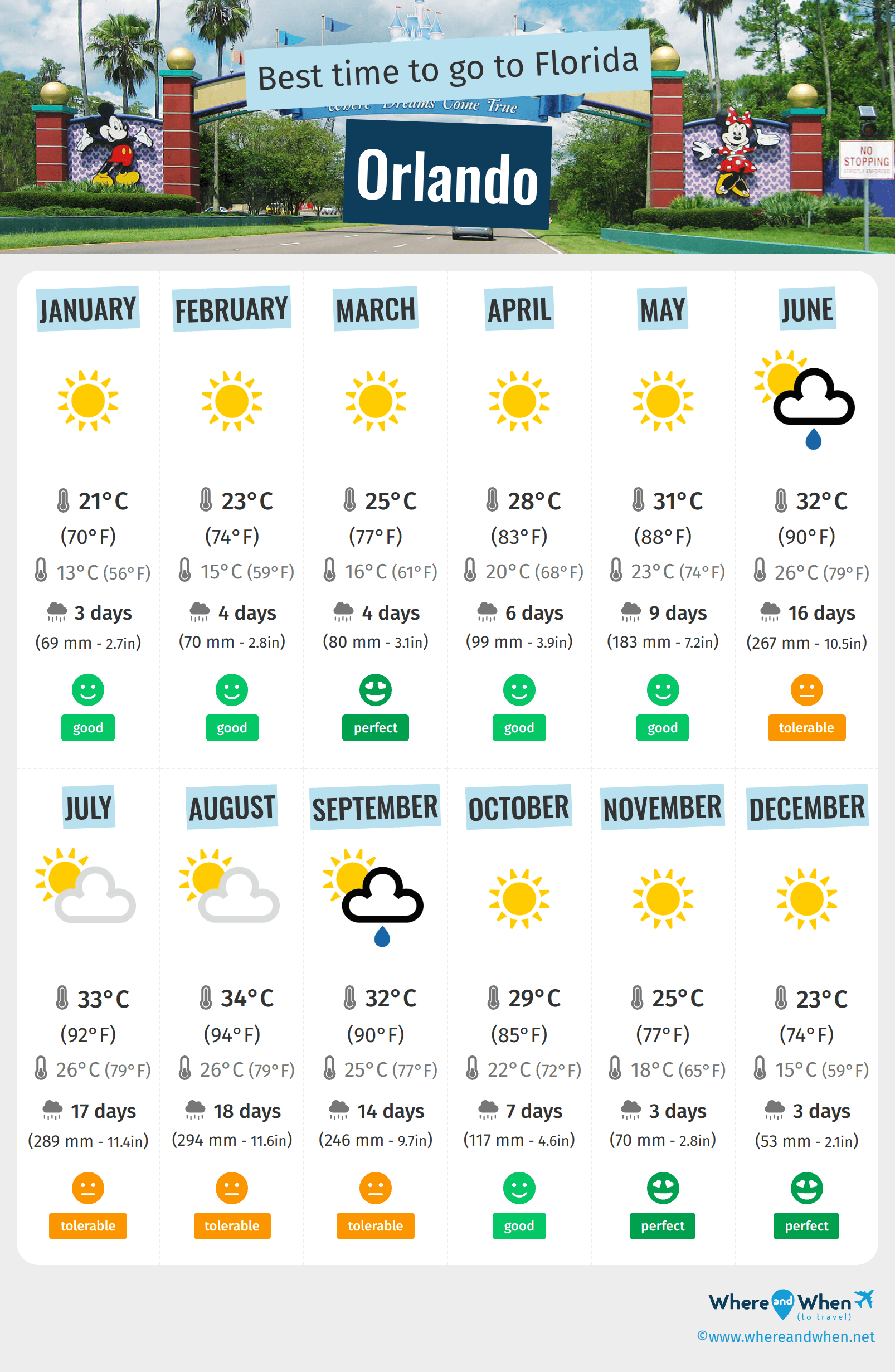
Orlando boasts a humid subtropical climate, characterized by hot, humid summers and mild winters. This translates to a generally pleasant atmosphere for much of the year, though it’s important to be prepared for the distinct variations between seasons. Understanding these nuances allows for better planning regarding your accommodation, such as choosing a resort with excellent amenities or an apartment that suits your needs for a long-term stay.
Summer in Orlando: Heat, Humidity, and Afternoon Thunderstorms
The summer months, typically from June through August, are defined by high temperatures and significant humidity. Daytime temperatures frequently soar into the 90s Fahrenheit (around 32-35°C), often feeling even warmer due to the humidity. Mornings tend to be sunny and warm, offering a window for outdoor activities before the heat intensifies.
A hallmark of Orlando summers is the prevalence of afternoon thunderstorms. These are usually brief but can be intense, featuring heavy rain, lightning, and sometimes gusty winds. While they might disrupt outdoor plans for a short period, they often bring a welcome, temporary cooling effect. It’s wise to build flexibility into your itinerary during these months, perhaps scheduling indoor attractions like museums or the many shops at Disney Springs for the mid-afternoon.
Packing Essentials for Summer: Lightweight, breathable clothing (cotton, linen), a wide-brimmed hat, sunglasses, and high-SPF sunscreen are non-negotiable. A reusable water bottle is also a must to stay hydrated. Evenings remain warm and humid, so short sleeves and shorts are standard attire. For those venturing into water parks like Volcano Bay or enjoying the numerous swimming pools at hotels like the Gaylord Palms Resort & Convention Center, swimwear is essential.
Autumn in Orlando: A Transition to Pleasant Conditions
September marks the beginning of a delightful transition in Orlando’s weather. While still warm and humid, the intensity of the summer heat begins to wane. September and October can still see temperatures in the high 80s Fahrenheit (around 30-32°C), but the humidity starts to decrease, making outdoor exploration more comfortable.
This is also the peak season for visiting many of Orlando’s famous attractions, including SeaWorld Orlando and ICON Park. The legendary Halloween events at Walt Disney World and Universal Orlando Resort are held during this period, and the milder weather makes enjoying these festivities even more appealing.
Packing Essentials for Autumn: You can begin to pack slightly heavier layers, though still focusing on comfortable, lighter clothing. Long pants or capris, light sweaters or cardigans for the evenings, and comfortable walking shoes are recommended. The possibility of rain still exists, so a light rain jacket or umbrella remains advisable. This season is ideal for exploring the architecture and historical aspects of the region, perhaps visiting the Mennello Museum of American Art.
Winter in Orlando: Mild Temperatures and Lower Humidity
Orlando’s winters, from December through February, are a significant draw for those escaping colder climates. The weather is generally mild and sunny, with average daytime temperatures ranging from the mid-60s to the low 70s Fahrenheit (around 18-22°C). Frost is rare, and snow is virtually unheard of. This is an excellent time for exploring outdoor activities and enjoying the natural landscapes, such as Wekiwa Springs State Park.
While most days are pleasant, occasional cold fronts can bring cooler temperatures, especially in the mornings and evenings. These brief dips can bring temperatures down into the 40s or 50s Fahrenheit (around 4-15°C), necessitating warmer clothing. The humidity is also at its lowest during these months, making the air feel crisp and refreshing.
Packing Essentials for Winter: Layers are key. Pack t-shirts, long-sleeved shirts, and a jacket or fleece. Jeans or comfortable pants are suitable for day and evening wear. A scarf and gloves might be appreciated for cooler mornings or evenings, especially if you plan on early morning visits to popular attractions or boat tours on the St. Johns River. The mild weather is perfect for strolling through charming areas or enjoying the dining scene, perhaps experiencing the local culture and food.
Spring in Orlando: A Gradual Warming and Blooming Beauty
Spring in Orlando, from March through May, offers a delightful continuation of pleasant weather. Temperatures gradually warm up from the mild winter, reaching the 70s and 80s Fahrenheit (around 21-30°C) by late spring. The humidity begins to increase as the season progresses, but it’s generally less oppressive than in the summer.
This is another prime season for tourism, coinciding with spring break for many families and students. The attractions are bustling, and outdoor activities are in full swing. The gardens and natural areas around Orlando are often in bloom, adding to the scenic beauty. This period is also great for exploring the numerous resorts and their offerings, enjoying the sunshine by the pool or participating in various recreational activities.

Packing Essentials for Spring: Similar to autumn, pack a mix of light clothing and items for cooler mornings and evenings. Comfortable walking shoes are a must for exploring parks like EPCOT or the animal encounters at Discovery Cove. Sun protection remains crucial. You might also consider packing a light raincoat, as brief spring showers can occur. This season is perfect for exploring the famous places and experiencing the unique blend of nature and entertainment Orlando offers.
Planning Your Orlando Itinerary Based on Weather
Understanding Orlando’s climate allows for strategic planning that maximizes your enjoyment and minimizes potential discomfort.
Embracing the Elements: Activities for Every Season
- Summer (June-August): Focus on water-based activities like water parks (Typhoon Lagoon), hotel pools, and indoor attractions. Early morning park visits at Magic Kingdom or Hollywood Studios are advisable. Evenings are pleasant for outdoor dining or enjoying shows.
- Autumn (September-November): Ideal for exploring theme parks without extreme heat. Enjoy Halloween events, outdoor dining, and leisurely walks through areas like Downtown Orlando. This is a good time for longer excursions to nearby natural landmarks.
- Winter (December-February): Perfect for extended outdoor exploration, including visiting the Orlando Science Center or enjoying the holiday festivities. Golfing and exploring the surrounding countryside are also popular.
- Spring (March-May): A fantastic time for all outdoor activities, including visiting attractions like Animal Kingdom and Universal’s Islands of Adventure. Enjoy the blooming flora in botanical gardens or parks.
Accommodation Considerations and Weather
Your choice of accommodation can significantly impact your comfort, especially given Orlando’s weather.
- Hotels and Resorts: Look for properties with excellent pool facilities, especially if visiting during summer. Hotels like Four Seasons Resort Orlando at Walt Disney World Resort often feature extensive water amenities and air-conditioned common areas. Consider resorts with indoor play areas for children during peak heat or rain.
- Vacation Rentals and Villas: Renting a villa or an apartment can provide more space and a private pool, offering a great way to enjoy the sunshine at your own pace, particularly during milder seasons. Having a kitchen also allows for preparing meals to escape the midday heat.
- Long-Term Stays: For extended visits, consider the seasonal variations. A winter stay might focus more on outdoor exploration, while a summer stay would necessitate better cooling systems and access to water activities. Websites offering accommodation booking and reviews can help you find the best options.
Essential Travel Tips for Orlando’s Climate
Regardless of when you visit, some general tips will enhance your Orlando experience.
Sun Protection and Hydration
The Florida sun, even during milder months, can be intense. Always use sunscreen with a high SPF, wear hats, and seek shade when possible. Staying hydrated is crucial, especially during summer and spring. Carry a reusable water bottle and take advantage of water fountains or refill stations.
Preparing for Rain
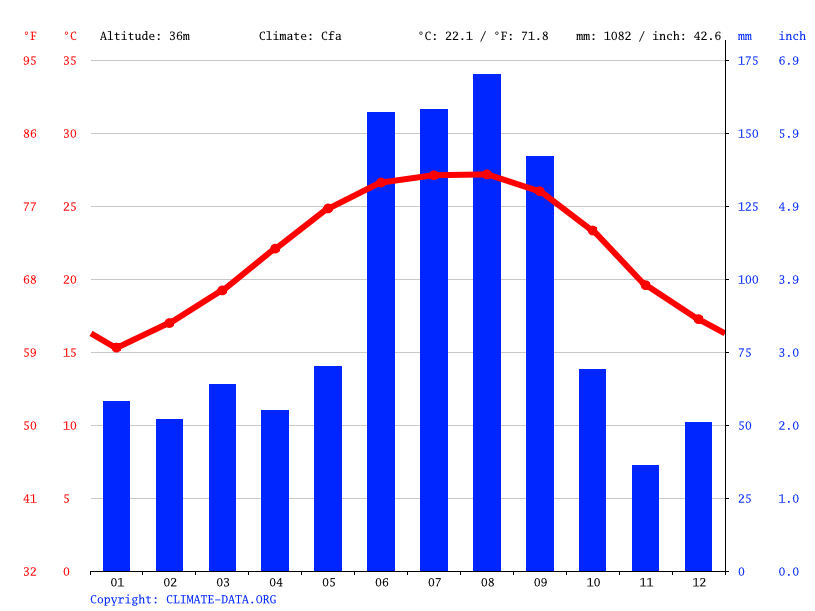
Afternoon showers are a common occurrence in Orlando, particularly during the summer and early autumn. Pack a compact umbrella or a lightweight, waterproof jacket. This will allow you to continue enjoying your day with minimal disruption. Many attractions offer covered waiting areas or indoor alternatives.
Packing Smartly
Always check the weather forecast closer to your travel dates, as conditions can vary. Pack versatile clothing items that can be layered. Comfortable walking shoes are paramount, as you’ll likely be doing a lot of walking within the parks and around the city.
Considering Peak Travel Times
Orlando is a popular destination year-round, but certain periods coincide with school holidays and major events, leading to higher crowds and prices. These include spring break, summer vacation, and the winter holiday season. If you prefer fewer crowds and potentially milder weather, consider traveling during the shoulder seasons of late spring (after spring break) or early autumn (before the Halloween rush). Exploring tourism tips can further refine your travel plans.
In conclusion, Orlando, Florida, offers a delightful climate for travelers seeking sunshine and fun. By understanding the nuances of each season – the warm, humid summers with afternoon showers, the pleasant transition of autumn, the mild and refreshing winters, and the steadily warming springs – you can plan a trip that perfectly aligns with your preferences and ensures a memorable escape to this magical destination. Whether you’re focused on thrill rides at Universal Studios Florida, the enchanting worlds of Walt Disney World’s Epcot, or simply relaxing by a pool at a resort, the weather in Orlando is an integral part of the Sunshine State experience.
LifeOutOfTheBox is a participant in the Amazon Services LLC Associates Program, an affiliate advertising program designed to provide a means for sites to earn advertising fees by advertising and linking to Amazon.com. Amazon, the Amazon logo, AmazonSupply, and the AmazonSupply logo are trademarks of Amazon.com, Inc. or its affiliates. As an Amazon Associate we earn affiliate commissions from qualifying purchases.