
The Sunshine State, a perennial favorite for tourists and residents alike, has a long and often turbulent history with hurricanes. The very name “Florida” evokes images of sun-drenched beaches, vibrant theme parks, and lush natural landscapes. However, beneath this idyllic surface lies a reality shaped by powerful tropical cyclones that have, at times, unleashed unimaginable devastation. When we ask, “What is the worst hurricane that hit Florida?”, we’re not just seeking a single, definitive answer, but rather an exploration of the storms that have left the deepest scars on the state’s history, economy, and the lives of its people.
The concept of “worst” can be subjective. Is it the storm that caused the most fatalities? The one that inflicted the most property damage? Or perhaps the one that had the most profound long-term impact on the state’s infrastructure and development? Florida has experienced a multitude of catastrophic hurricanes, each with its own grim distinction. To truly understand the “worst,” we must delve into the records, examine the scientific data, and listen to the stories of those who lived through these terrifying events.
The Measuring Sticks of Catastrophe: Defining “Worst”
Before we identify specific storms, it’s crucial to understand how we measure a hurricane’s severity. Meteorologists and emergency managers use several key metrics to categorize and compare these powerful weather systems.
Fatalities: The Ultimate Human Cost
The most somber metric for assessing a hurricane’s impact is the number of lives lost. Storms that result in significant loss of life represent the most tragic form of natural disaster, leaving behind grieving families and communities struggling to rebuild. While modern warning systems and evacuation protocols have improved dramatically over the decades, historical hurricanes, before such advancements were in place, often claimed a far greater toll in human lives.
Economic Damage: Rebuilding Beyond Repair
Hurricanes can inflict billions of dollars in damage, impacting everything from individual homes and businesses to critical public infrastructure like roads, bridges, and power grids. The economic fallout of a major hurricane can take years, even decades, to recover from, influencing insurance rates, development patterns, and the overall financial well-being of affected regions. This economic devastation can ripple outwards, affecting national economies as well.
Intensity and Wind Speed: The Raw Power of Nature
The Saffir-Simpson Hurricane Wind Scale is the primary tool for measuring a hurricane’s intensity, categorizing storms from Category 1 (74-95 mph winds) to Category 5 (157+ mph winds). While wind speed is a critical factor, it’s not the only determinant of a hurricane’s destructive potential. Storm surge, rainfall-induced flooding, and even the speed at which a storm moves can significantly amplify its impact.
Storm Surge: The Silent Killer
Often the most deadly aspect of a hurricane, storm surge is the abnormal rise of water generated by a storm’s winds, over and above the predicted astronomical tide. A powerful surge can inundate coastal areas with feet of water, destroying structures and creating treacherous conditions for those unable to evacuate. The low-lying nature of much of Florida’s coastline makes it particularly vulnerable to the devastating effects of storm surge.
Rainfall and Inland Flooding: Beyond the Coastline
While coastal communities bear the brunt of wind and surge, hurricanes can also unleash torrential rainfall that leads to widespread inland flooding. This can affect areas far from the coast, impacting agriculture, infrastructure, and posing a significant threat to life. The sheer volume of water can overwhelm drainage systems and cause rivers to overflow their banks, leading to prolonged and widespread inundation.
Landmark Hurricanes: Contenders for “The Worst”
Florida’s history is punctuated by a series of incredibly destructive hurricanes. Pinpointing the single “worst” is a challenge, as each storm has its own unique story of devastation. However, several storms stand out for their catastrophic impacts, frequently cited in discussions of Florida’s most severe weather events.
The Labor Day Hurricane of 1935: A Category 5 Cataclysm
Often considered the most intense hurricane to make landfall in the United States in terms of central pressure, the Labor Day Hurricane of 1935 was a Category 5 monster that struck the Florida Keys with devastating force. This storm, which made landfall on Labor Day, September 2nd, 1935, had sustained winds of 185 mph and an incredibly low central pressure of 892 millibars. The storm surge was immense, reportedly reaching 18-20 feet in some areas of the Keys.

The impact on the small, sparsely populated communities of the Keys was apocalyptic. The hurricane virtually obliterated the islands, destroying homes, businesses, and the Overseas Railroad. The death toll was staggering, with estimates ranging from 400 to 600 people. Many of the victims were World War I veterans who were working on the construction of a highway in the Keys. The lack of adequate warning systems and evacuation infrastructure at the time contributed to the horrific loss of life. The sheer power and fury of this storm left an indelible mark on the history of the Florida Keys and remains a stark reminder of nature’s destructive capabilities. It serves as a benchmark for intensity, demonstrating the terrifying potential of a Category 5 storm.
Hurricane Andrew (1992): The Modern Era’s Wake-Up Call
In stark contrast to the pre-modern era of the Labor Day Hurricane, Hurricane Andrew in 1992 offered a brutal lesson in the destructive power of a modern-day Category 5 storm striking a densely populated area. Andrew made landfall on August 24th, 1992, near Homestead, Florida, with sustained winds of 165 mph. While slightly less intense than the 1935 Labor Day Hurricane in terms of wind speed and central pressure, Andrew’s impact was amplified by its direct assault on South Florida’s burgeoning population centers, including Homestead, Florida City, and Kendall.
The damage inflicted by Andrew was immense, estimated at over $26 billion in 1992 dollars (equivalent to over $50 billion today), making it the costliest hurricane in U.S. history at that time. Over 100,000 homes were destroyed or rendered uninhabitable, and significant damage was sustained by infrastructure, businesses, and crucial facilities like hospitals and schools. The iconic skyline of Miami was battered, and entire neighborhoods were reduced to rubble.
Andrew’s wrath extended beyond wind damage; it also brought a formidable storm surge that inundated coastal areas. The storm’s eye passed directly over Homestead Air Force Base, causing catastrophic damage. The aftermath saw a massive relief effort, and Andrew’s devastation led to significant improvements in building codes and hurricane preparedness strategies across Florida. It underscored the importance of robust building standards and the need for effective evacuation plans in a state experiencing rapid population growth. Many residents who lost everything found solace and support in temporary shelters and aid organizations that sprang up in the wake of the storm, a testament to community resilience.
Hurricane Okeechobee (1928): A Flood of Tragedy
While wind and surge often dominate hurricane discussions, Hurricane Okeechobee of 1928 serves as a chilling reminder of the deadly potential of rainfall and subsequent flooding. This powerful storm, which made landfall near Jupiter, Florida, on September 16th, 1928, was a Category 4 hurricane with estimated winds of 140 mph. However, its most devastating impact was the colossal storm surge that overwhelmed the dikes around Lake Okeechobee.
The surge, reportedly reaching 10-15 feet, breached the inadequate flood protection system of Lake Okeechobee, sending a wall of water cascading into the surrounding agricultural communities and towns. The city of Belle Glade, along with other settlements on the lake’s southern shore, was inundated. The death toll was catastrophic, with conservative estimates placing it at over 2,500, making it one of the deadliest natural disasters in U.S. history. Many of the victims were migrant farm laborers living in poorly constructed housing.
The aftermath of Hurricane Okeechobee led to significant federal investment in strengthening the Herbert Hoover Dike around Lake Okeechobee, a monumental engineering project aimed at preventing a recurrence of such a devastating flood. This hurricane highlighted the critical need for comprehensive flood control measures, especially in areas adjacent to large bodies of water. The sheer scale of the inundation underscored that the impact of a hurricane can extend far inland, with devastating consequences.
Other Notable Florida Hurricanes
Beyond these three monumental storms, Florida’s hurricane history is replete with other significant events that have shaped its landscape and preparedness. Each has left its unique legacy, contributing to the collective understanding of the risks associated with living in this beautiful but vulnerable state.
Hurricane Irma (2017): A State-Wide Scourge
While perhaps not reaching the peak intensity of Andrew at landfall, Hurricane Irma in 2017 was a behemoth in terms of its size and its widespread impact across the entire state. This Category 5 hurricane churned across the Caribbean before making landfall in Florida as a Category 4 storm. Its sheer size meant that much of the Florida peninsula experienced hurricane-force winds for extended periods.
Irma brought significant storm surge to both the Gulf and Atlantic coasts, with areas like Naples and Miami experiencing severe coastal flooding. Inland areas suffered from widespread power outages affecting millions, and significant rainfall caused flooding. The economic damage was substantial, and the logistical challenge of evacuating millions of Floridians was unprecedented. Irma’s trajectory across the state meant that its impact was felt from the Keys to the Panhandle, a truly state-wide catastrophe. The storm’s sheer scale tested the resilience of Florida’s infrastructure and emergency response systems to their limits.
Hurricane Michael (2018): A Shocking Intensification
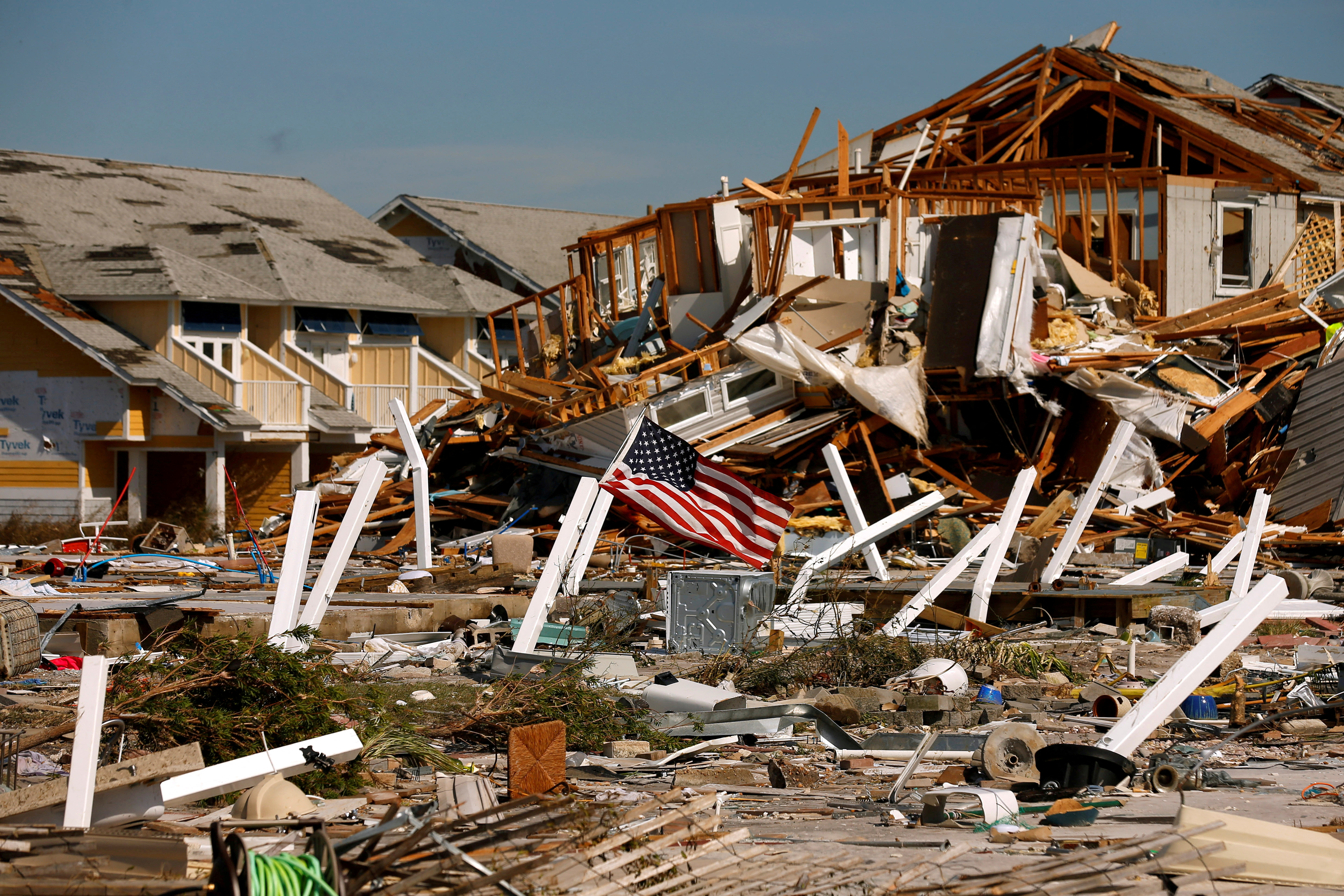
Hurricane Michael, which made landfall in the Florida Panhandle on October 10th, 2018, was a Category 5 hurricane, one of only four to have made landfall in the continental United States. It rapidly intensified in the days leading up to landfall, catching many by surprise. Michael struck the coast near Mexico Beach and Tyndall Air Force Base with sustained winds of 160 mph, causing catastrophic damage.
The storm surge was significant, and the winds were powerful enough to obliterate many structures, leaving behind scenes of utter devastation. Michael’s rapid intensification was a stark reminder that hurricanes can evolve quickly, underscoring the need for constant vigilance and accurate forecasting. The storm’s focus on the Panhandle meant that specific communities, like Mexico Beach, were virtually wiped off the map, highlighting the localized yet absolute destruction that can occur.

Preparing for the Inevitable: Florida’s Ongoing Hurricane Battle
Florida’s relationship with hurricanes is a dynamic and ongoing one. The state continues to be a prime target for these powerful storms, and with continued population growth and rising sea levels, the challenges of hurricane preparedness and mitigation only grow.
The lessons learned from historical storms like the Labor Day Hurricane, Andrew, and Okeechobee have driven significant advancements in building codes, early warning systems, and evacuation strategies. However, the ever-present threat means that vigilance, education, and robust infrastructure remain paramount. For anyone planning a trip to Florida or considering making it their home, understanding the history of these powerful storms and the ongoing efforts to mitigate their impact is an essential part of appreciating the state’s unique character and embracing its lifestyle. From the stunning beaches and vibrant cities like Miami and Orlando to the serene natural beauty of the Everglades, Florida offers a wealth of experiences, but always with the underlying awareness of its powerful natural forces. Responsible tourism and residency involve respecting these forces and preparing accordingly, ensuring that the beauty of the Sunshine State can be enjoyed for generations to come.
LifeOutOfTheBox is a participant in the Amazon Services LLC Associates Program, an affiliate advertising program designed to provide a means for sites to earn advertising fees by advertising and linking to Amazon.com. Amazon, the Amazon logo, AmazonSupply, and the AmazonSupply logo are trademarks of Amazon.com, Inc. or its affiliates. As an Amazon Associate we earn affiliate commissions from qualifying purchases.