
Central Florida, a region synonymous with sunshine, theme parks, and vibrant citrus groves, is more than just a popular vacation destination. It’s a unique ecological tapestry, and understanding its planting zone is crucial for anyone looking to cultivate a garden, appreciate the local flora, or even simply understand the resilience of the region’s natural beauty. For visitors and residents alike, grasping the nuances of Central Florida’s climate, particularly its USDA Plant Hardiness Zone, unlocks a deeper appreciation for the landscape, influencing everything from the types of plants that thrive to the best times for outdoor activities and experiencing local culture.

This exploration delves into the core of Central Florida’s climate and its implications, touching upon various aspects relevant to the lifeoutofthebox.com ethos: from guiding travel experiences and suggesting accommodation options that embrace the local environment to highlighting tourism activities that showcase the region’s natural wonders and offering lifestyle tips for those seeking to connect with the land. Whether you’re planning a family trip to Orlando, seeking a luxurious resort stay, or dreaming of a permanent move to enjoy the balmy weather year-round, understanding the planting zone provides a foundational insight into what makes Central Florida so special.
Unpacking Central Florida’s Climate and Planting Zones
The United States Department of Agriculture (USDA) Plant Hardiness Zone Map is an indispensable tool for gardeners and horticulturists. It divides North America into zones based on average annual minimum winter temperatures, providing a guideline for which perennial plants are most likely to survive a winter in a particular location. For Central Florida, this map reveals a surprisingly consistent and favorable climate for a wide array of plant life.
Central Florida’s Dominant Planting Zones
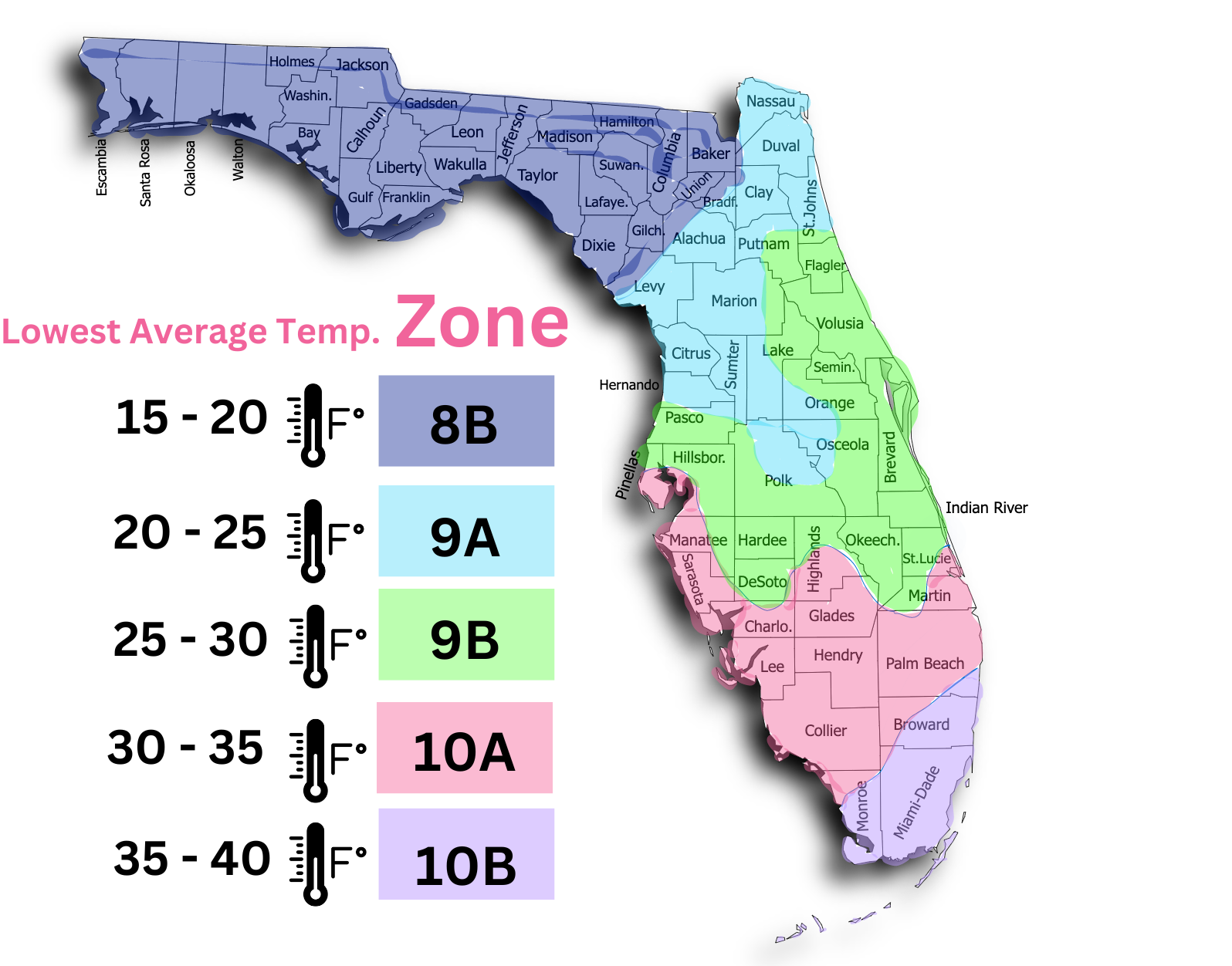
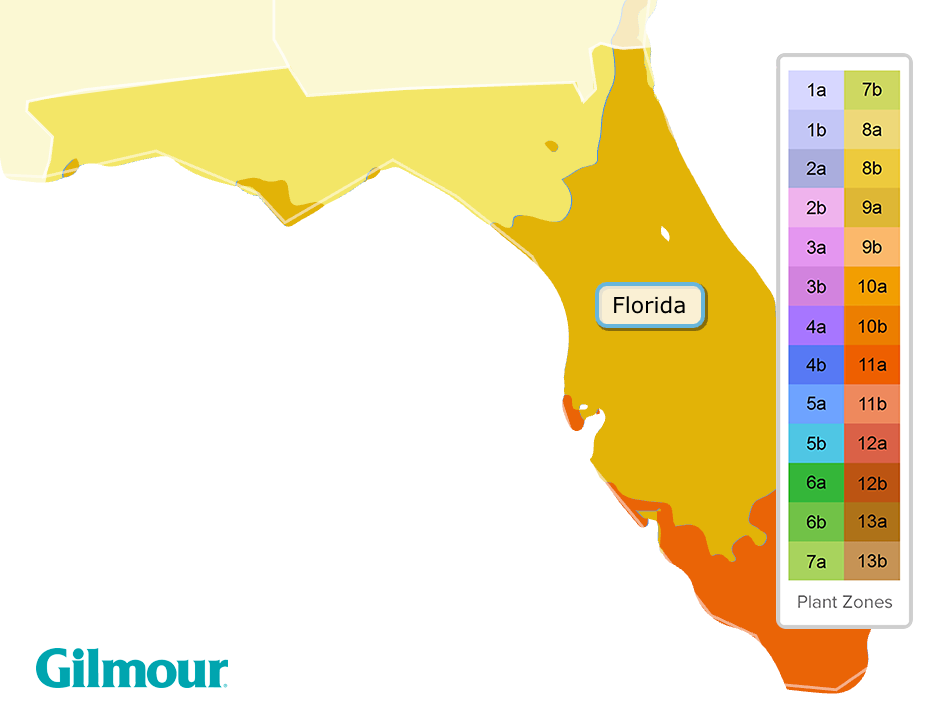
Central Florida predominantly falls within USDA Hardiness Zones 9a and 9b. These zones are characterized by average annual minimum winter temperatures ranging from 20°F to 30°F (-6.7°C to -1.1°C). This relatively mild winter climate is a significant factor contributing to the region’s lush vegetation and its status as a major agricultural hub, especially for citrus.
- Zone 9a: Experiences average minimum winter temperatures between 20°F and 25°F (-6.7°C to -3.9°C). While frosts can occur, they are typically infrequent and short-lived.
- Zone 9b: Features average minimum winter temperatures between 25°F and 30°F (-3.9°C to -1.1°C). This offers an even more protected environment for sensitive plants.
These zones mean that many tropical and subtropical plants, which might struggle in more northern climates, can flourish here. This creates a unique horticultural landscape that influences not only gardens and farms but also the natural beauty found in state parks and wildlife refuges. For travelers, this means vibrant floral displays are common throughout much of the year, adding to the visual appeal of destinations like Tampa and Kissimmee.
The Influence of Microclimates
While the USDA zones provide a broad overview, it’s important to acknowledge the existence of microclimates within Central Florida. These smaller, localized variations in temperature and humidity can be influenced by factors such as proximity to large bodies of water, urban heat island effects, and elevation.
- Coastal Influence: Areas closer to the Atlantic coast, such as Cocoa Beach or Daytona Beach, may experience slightly moderated temperatures due to the moderating effect of the ocean. This can sometimes push them towards the warmer end of Zone 9b or even hint at Zone 10 in very protected areas.
- Inland Variations: Inland cities like Lakeland or Winter Haven, while still firmly in Zone 9, might experience slightly colder snaps on clear, still nights due to a lack of oceanic influence.
- Urban Centers: The “heat island effect” in larger cities like Orlando can mean that downtown areas are a few degrees warmer than surrounding rural areas, offering a slight buffer against the coldest winter nights for urban gardens.
Understanding these microclimates can be particularly helpful for gardeners aiming for specific results or for tourists looking to experience the peak bloom of certain flowers during their visit. It also highlights how the diverse environments within Central Florida contribute to its rich biodiversity.
Exploring Central Florida Through its Flora and Climate
The mild climate defined by its planting zones directly impacts the types of attractions and activities that draw millions to Central Florida each year. From world-renowned theme parks to serene natural landscapes, the region’s ability to support a vast array of plant life is a cornerstone of its appeal.
Attractions Rooted in Nature and Climate
The popularity of Central Florida as a travel destination is intrinsically linked to its pleasant climate and the resulting lush environment. Many of the most cherished attractions capitalize on the ability to offer outdoor experiences year-round.
- Theme Parks: Giants like Walt Disney World Resort and Universal Orlando Resort are designed for outdoor enjoyment. Their meticulously landscaped grounds, featuring a vibrant palette of tropical and subtropical plants, are a testament to the region’s suitability for horticulture. The ability to maintain these extensive gardens and offer outdoor entertainment throughout the year is a direct benefit of the planting zone.
- Botanical Gardens and Nature Preserves: Destinations like Harry P. Leu Gardens in Orlando or the Bok Tower Gardens in Lake Wales showcase the incredible diversity of plants that thrive in Central Florida. These gardens are living examples of what Zone 9a and 9b can support, featuring everything from native Florida wildflowers and towering oaks to exotic palms and flowering trees from around the globe. For nature enthusiasts, visiting these locales offers a chance to see firsthand the horticultural bounty.
- Wildlife Experiences: The rich plant life supports a diverse animal population. Eco-tours and wildlife viewing opportunities in areas like the Everglades National Park (though further south, its influence extends conceptually) or local sanctuaries often highlight the interplay between the flora and fauna. Kayaking through mangrove tunnels or spotting manatees in the Crystal River are experiences made possible by a climate that sustains these delicate ecosystems.
Accommodation and Lifestyle Embracing the Outdoors
The climate and planting zones also influence the types of accommodation and lifestyle choices available in Central Florida. Many hotels, resorts, and residential communities are designed to maximize the enjoyment of the outdoors.
- Resorts with Lush Grounds: Many resorts in areas like Kissimmee and along Florida’s coasts offer expansive, beautifully landscaped grounds. These often feature swimming pools, walking paths, and outdoor dining areas surrounded by flowering plants and palm trees, creating a tropical oasis for guests. Think of the sprawling Gaylord Palms Resort & Convention Center with its internal atrium showcasing tropical flora, or beachfront properties in Clearwater designed to blend with the coastal environment.
- Villas and Apartments with Gardens: For longer stays or residential living, properties often boast private gardens or communal green spaces. This allows residents to engage directly with the planting zone, cultivating their own edible gardens or simply enjoying the beauty of their surroundings. The availability of fresh produce, from citrus to year-round vegetables, is a significant lifestyle perk.
- Outdoor Activities and Tourism Tips: The mild winters are perfect for exploring Central Florida without the intense summer heat. This opens up opportunities for outdoor activities like cycling on the West Orange Trail, visiting farmers’ markets, or enjoying evening strolls through charming downtowns like Mount Dora. The tourism tips often revolve around embracing the outdoor lifestyle, suggesting activities that leverage the favorable climate.
Cultivating a Deeper Appreciation: Gardening and Local Produce
For those who wish to connect more intimately with Central Florida’s environment, understanding its planting zone is the first step towards successful gardening. The ability to grow a wide variety of plants extends beyond ornamental beauty; it impacts the local food scene and provides a rewarding lifestyle choice.
Gardening in Zone 9a and 9b
Gardening in Central Florida is a rewarding endeavor, thanks to the extended growing seasons afforded by its planting zones. While the mild winters prevent many plants from succumbing to frost, the warm summers bring their own set of challenges and opportunities.
- Year-Round Growing Potential: Unlike many parts of the country, Central Florida rarely experiences a complete dormant season for plants. This allows for multiple harvests of many vegetables and continuous blooming of ornamental plants. However, strategic planting is key to avoid the most intense summer heat and humidity for certain crops.
- Selecting the Right Plants: Understanding Zone 9a and 9b is crucial for selecting plants that will thrive. Tropical and subtropical species are ideal. Think of:
- Citrus: Oranges, grapefruits, lemons, and limes are iconic.
- Tropical Fruits: Mangoes, avocados, papayas, and bananas can be grown successfully.
- Flowers: Hibiscus, bougainvillea, gardenias, and orchids flourish.
- Vegetables: Many heat-tolerant vegetables like tomatoes, peppers, and beans do well, but cool-season crops like lettuce and broccoli can be grown during the milder winter months.
- Dealing with Summer Challenges: The intense heat, humidity, and frequent thunderstorms of Central Florida summers can be tough on some plants. Proper soil drainage, mulching to retain moisture and suppress weeds, and choosing heat-tolerant varieties are essential strategies. Pests and diseases can also be more prevalent in this climate, requiring vigilant care.
- Community Gardens and Local Nurseries: Many communities offer community garden plots, providing a space for residents to grow their own food and connect with fellow gardeners. Local nurseries are invaluable resources for advice on plant selection and care specific to the Central Florida climate.
The Bounty of Central Florida’s Produce
The agricultural productivity stemming from Central Florida’s favorable planting zones directly influences its food culture and offers a delightful experience for visitors and residents alike.
- Citrus Groves: The most famous agricultural export is citrus. Vast citrus groves dot the landscape, producing oranges for juice, grapefruits, and other citrus fruits. Visiting a citrus grove during harvest season is a quintessential Central Florida experience.
- Farmers’ Markets: Numerous farmers’ markets operate throughout the region, offering a direct connection to local farmers and their harvest. Here, you can find fresh produce, from ripe strawberries in the spring to sweet corn and juicy tomatoes in the summer, as well as local honey, jams, and baked goods. These markets are vibrant hubs of local culture.
- Farm-to-Table Dining: The abundance of fresh, local ingredients has fostered a thriving farm-to-table dining scene in cities like Winter Park and Tampa. Restaurants often highlight seasonal produce, offering diners a true taste of Central Florida’s agricultural bounty. This focus on fresh, local food enhances the culinary tourism aspect of the region.
By understanding the planting zone, one can gain a deeper appreciation for the natural beauty, the agricultural richness, and the lifestyle opportunities that Central Florida offers. It’s a region where the climate dictates much of the experience, making it a truly unique and vibrant part of Florida. Whether you are planning a visit for a week or looking for a place to call home, embracing the nuances of its planting zones will undoubtedly enrich your journey.
LifeOutOfTheBox is a participant in the Amazon Services LLC Associates Program, an affiliate advertising program designed to provide a means for sites to earn advertising fees by advertising and linking to Amazon.com. Amazon, the Amazon logo, AmazonSupply, and the AmazonSupply logo are trademarks of Amazon.com, Inc. or its affiliates. As an Amazon Associate we earn affiliate commissions from qualifying purchases.