
Navigating the Sunshine State, whether for a spontaneous beach getaway or a meticulously planned business trip, often hinges on understanding its temporal landscape. Florida, a vast and geographically diverse state, operates within specific time zones, and crucially, observes Daylight Saving Time. For travelers, business professionals, and even residents planning their day, knowing the precise time in Florida right now is more than a convenience; it’s essential for seamless scheduling, catching flights, booking tours, and enjoying every moment of their stay. This guide aims to clarify the time zones in Florida, explain Daylight Saving Time’s impact, and offer practical advice for managing time effectively across this vibrant state.
Understanding Florida’s Time Zones
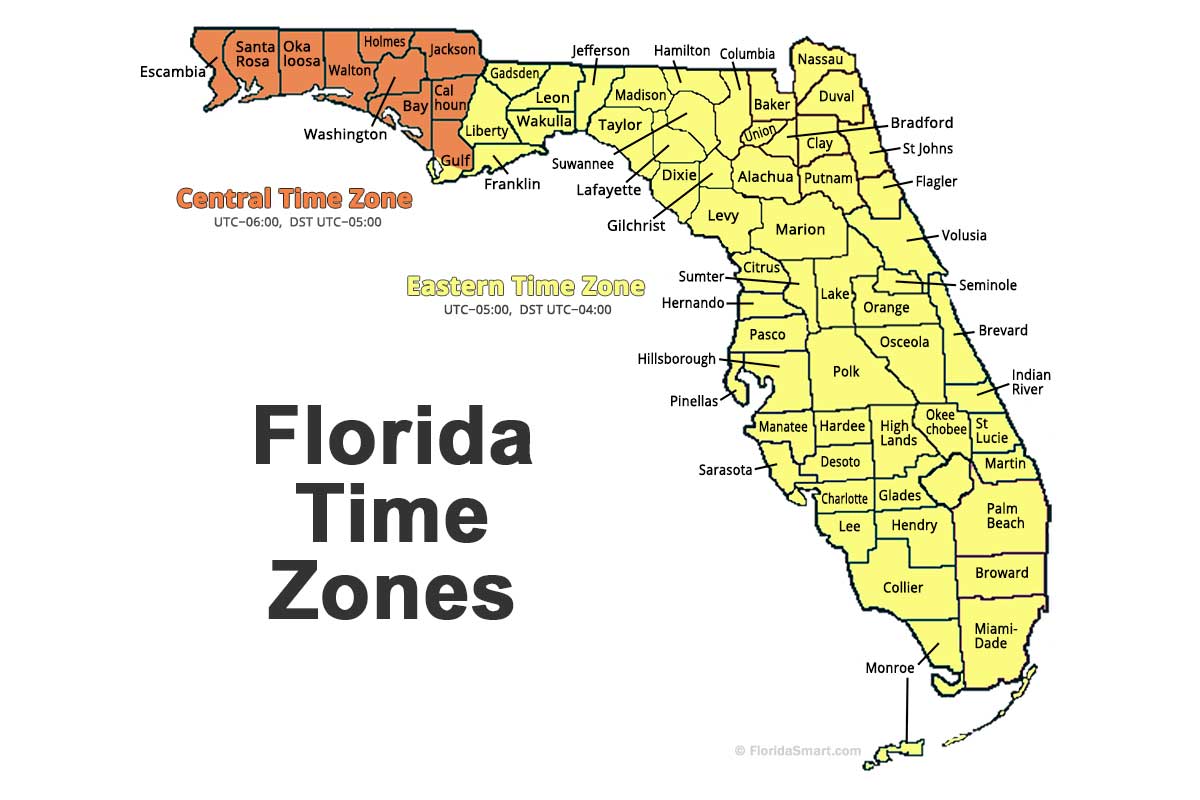
Florida is unique in that it spans two distinct time zones, primarily influenced by its geographical positioning. This division is a critical factor for anyone traveling across the state or coordinating with individuals in different parts of Florida.
Eastern Standard Time (EST) and Eastern Daylight Time (EDT)
The vast majority of Florida, encompassing its major metropolitan areas like Miami, Orlando, Tampa, and Jacksonville, falls within the Eastern Time Zone. This zone is officially designated as Eastern Standard Time (EST) during the colder months and observes Eastern Daylight Time (EDT) during the warmer months.
- EST (UTC-5): This is the standard time observed from early November to early March.
- EDT (UTC-4): This is the daylight saving time observed from early March to early November.
When it’s noon EST, it’s 5 PM UTC. When it’s noon EDT, it’s 4 PM UTC. This means that during daylight saving months, clocks are moved forward by one hour, effectively extending daylight into the evening hours, which is particularly beneficial for outdoor activities and evening entertainment in popular destinations like Walt Disney World Resort or the beaches of Clearwater.
Central Standard Time (CST) and Central Daylight Time (CDT)
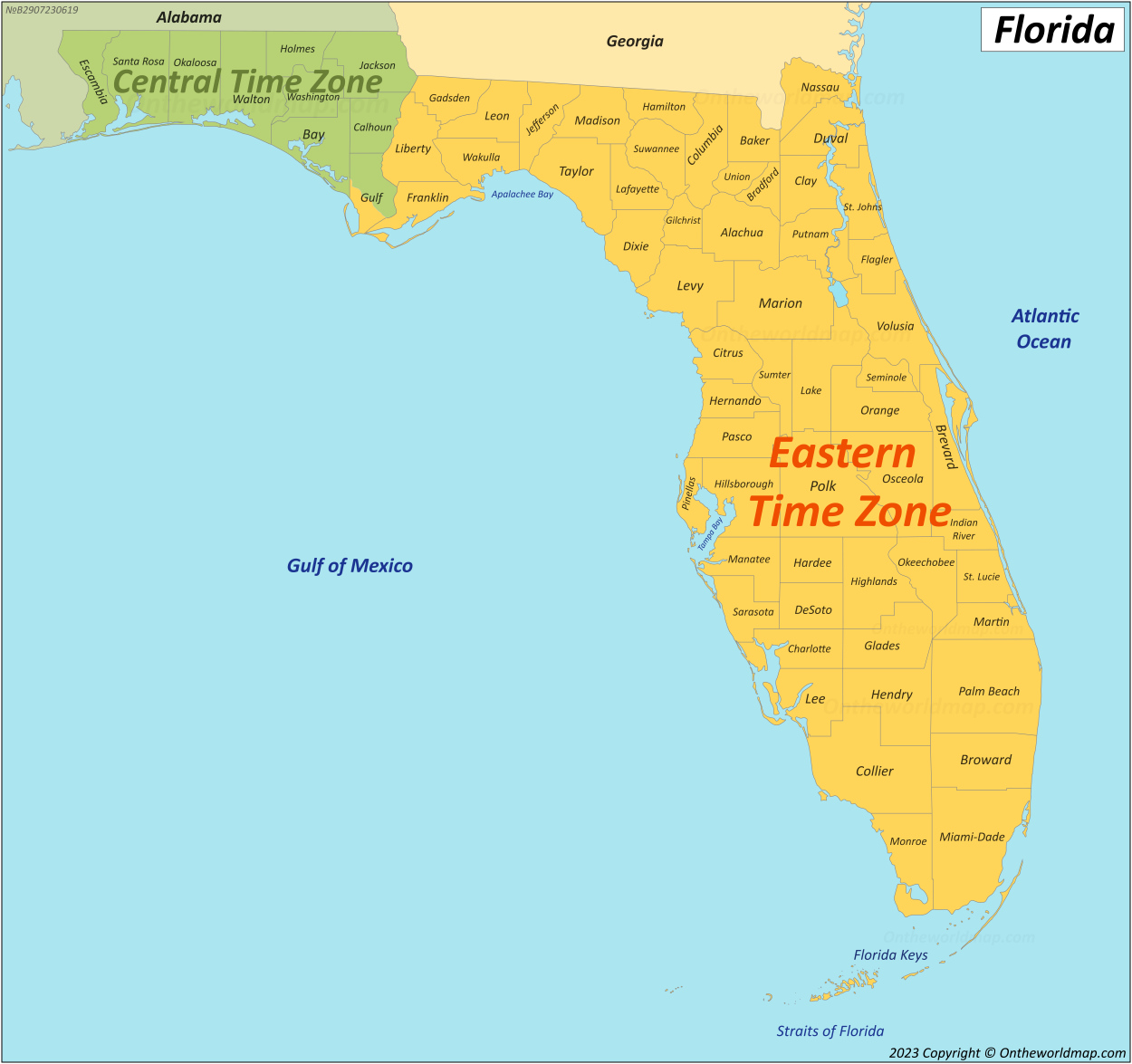
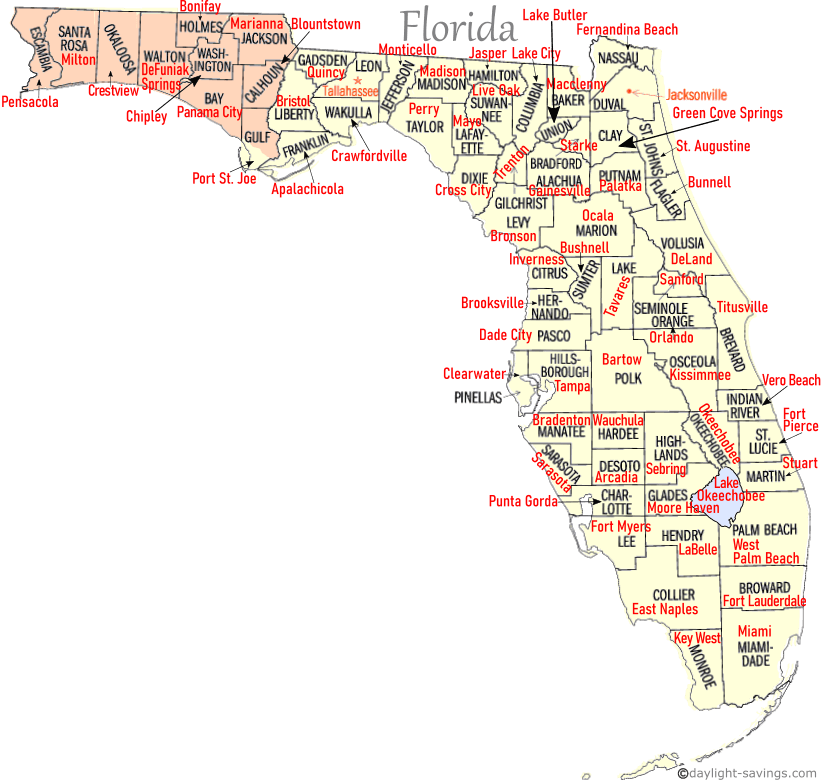
A small portion of the Florida Panhandle, specifically the counties west of the Apalachicola River, observes the Central Time Zone. This includes cities like Pensacola and Panama City. Similar to the Eastern Time Zone, this region also observes Daylight Saving Time.
- CST (UTC-6): This is the standard time observed during winter months.
- CDT (UTC-5): This is the daylight saving time observed during summer months.
The difference between the Eastern Time Zone and the Central Time Zone is one hour. So, when it’s 1:00 PM EDT in Miami, it is 12:00 PM CDT in Pensacola. This is a crucial distinction for travelers moving between these regions, ensuring they don’t miss appointments or events. For instance, attending a sunset cruise departing from St. Pete Beach might be at a different clock time if you are coming from Tallahassee.
The Impact of Daylight Saving Time (DST)
Daylight Saving Time is a significant factor in understanding the current time in Florida. The state adheres to the federally mandated schedule for DST, meaning clocks spring forward in March and fall back in November.
When Does Daylight Saving Time Start and End?
In the United States, including Florida, Daylight Saving Time begins on the second Sunday in March and ends on the first Sunday in November.
- Spring Forward: On the second Sunday in March, at 2:00 AM local time, clocks are advanced by one hour to 3:00 AM. This signifies the start of EDT and CDT.
- Fall Back: On the first Sunday in November, at 2:00 AM local time, clocks are set back by one hour to 1:00 AM. This marks the return to EST and CST.
The transition to and from DST can sometimes cause minor disruptions if not accounted for, especially for international travelers or those with early morning flights. For example, on the day DST begins, a flight departing at 2:30 AM would effectively depart at 3:30 AM according to the new time. Conversely, on the day DST ends, a 1:30 AM flight would depart at 1:30 AM, but it would be an hour later by the clock. Understanding these shifts is vital for precise travel planning, whether you are heading to Key West for a vacation or visiting the Everglades National Park for an airboat tour.
Why DST Matters for Travelers and Residents
The implementation of Daylight Saving Time has tangible effects on daily life and travel in Florida.
- Extended Daylight Hours: During EDT and CDT, the extra hour of daylight in the evening is a boon for tourists looking to maximize their outdoor experiences. Activities like exploring the theme parks in Orlando, enjoying the beaches of South Beach, or visiting attractions like the Kennedy Space Center Visitor Complex can be enjoyed for longer into the evening.
- Business and Appointments: For business travelers, synchronizing meetings across different time zones is paramount. The DST shifts require careful recalibration of schedules to avoid misunderstandings, especially when coordinating with offices in other states or countries.
- Airline and Transportation Schedules: Airlines and other transportation services operate on strict schedules. Changes due to DST must be factored in to avoid missed connections or delayed arrivals. Always double-check flight times and public transport schedules when traveling during the DST transition periods.
- Communication and Coordination: Whether arranging a dinner reservation at a renowned restaurant in Ybor City or coordinating with family back home, knowing the current time, including DST status, ensures smooth communication.
Practical Tips for Managing Time in Florida
Being mindful of Florida’s time zones and Daylight Saving Time practices can significantly enhance your experience in the Sunshine State. Here are some practical tips to ensure you’re always on schedule.
Checking the Current Time Accurately
In today’s digital age, checking the current time is simpler than ever, but it’s important to use reliable sources.
- Online Time Converters: Websites dedicated to time zone conversions offer real-time updates for any location, including cities across Florida. Simply search for “current time in Florida” and you’ll find numerous options. These tools automatically account for DST.
- Smartphone and Smart Devices: Your smartphone, tablet, or smartwatch, when connected to the internet, will automatically update to the correct local time based on your location. Ensure your device’s time zone settings are configured correctly.
- Hotel Concierge and Information: Upon arrival at your hotel, such as the Ritz-Carlton, Amelia Island or any other establishment, the front desk or concierge can provide the accurate local time. Many hotel rooms also feature digital clocks that are synchronized.
Planning Your Itinerary
Effective time management is key to a successful trip, whether it’s a short visit or an extended stay.
- Factor in Time Zone Differences: If you are traveling from a different time zone to Florida, or vice versa, remember to adjust your internal clock. Consider the potential impact of jet lag and how it might affect your perception of time, especially in the initial days.
- Bookings and Reservations: When booking tours, restaurant reservations, or tickets for attractions like a show at the Dr. Phillips Center for the Performing Arts, always confirm the local time in Florida. This is especially important for early morning activities or evening performances.
- Driving Across Time Zones: If your travels involve driving across the Panhandle, remember the one-hour difference between the Eastern and Central time zones. Plan your driving routes and expected arrival times accordingly to avoid confusion. A scenic drive along the coast from Destin to St. Augustine will involve crossing the time zone boundary if you venture west into the Panhandle.
- Embrace the Local Pace: While time management is crucial, remember that Florida is also known for its relaxed pace of life, especially in its coastal communities. Allow for some flexibility in your schedule to simply enjoy the moment, whether it’s watching the sunset over the Gulf of Mexico or savoring a Cuban sandwich in Tampa.
By understanding the intricacies of Florida’s time zones and the rhythm of Daylight Saving Time, you can navigate your travels and daily life in the Sunshine State with confidence and precision, ensuring that every moment is well-spent.
LifeOutOfTheBox is a participant in the Amazon Services LLC Associates Program, an affiliate advertising program designed to provide a means for sites to earn advertising fees by advertising and linking to Amazon.com. Amazon, the Amazon logo, AmazonSupply, and the AmazonSupply logo are trademarks of Amazon.com, Inc. or its affiliates. As an Amazon Associate we earn affiliate commissions from qualifying purchases.