
When planning a trip to Daytona, Florida, one of the most crucial pieces of information to consider is the weather. This vibrant Florida destination, renowned for its stunning beaches and thrilling Daytona 500 race, beckons travelers year-round. However, understanding the typical climate patterns will help you pack appropriately, choose the best time to visit, and maximize your enjoyment of all that Daytona Beach has to offer. From the gentle warmth of spring to the sun-drenched days of summer, and the pleasant breezes of autumn, Daytona experiences a tropical savanna climate, characterized by distinct wet and dry seasons. This article will delve into the nuances of Daytona’s weather, offering insights to help you craft the perfect Florida getaway, whether you’re seeking luxury travel, a budget-friendly adventure, or a memorable family trip.
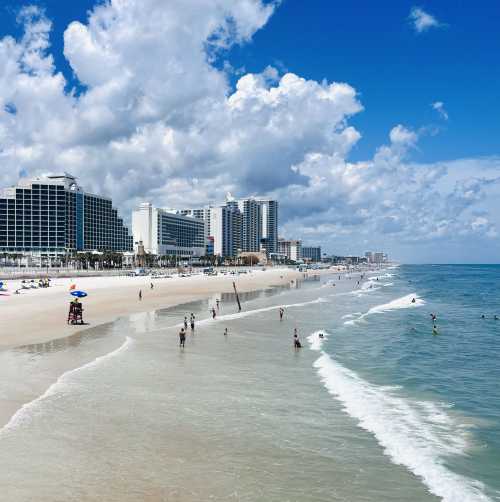
The primary driver of Daytona’s climate is its southeastern Florida location, which exposes it to warm ocean currents from the Atlantic Ocean. This proximity to the sea moderates temperatures, preventing extreme heat or cold, but also contributes to higher humidity levels, especially during the summer months. Understanding these general characteristics is the first step in appreciating the subtle shifts throughout the year, each offering a unique experience for visitors staying at a resort or exploring local attractions.
Seasonal Weather Patterns in Daytona Beach
Daytona Beach experiences a fairly consistent and pleasant climate throughout much of the year, making it an attractive destination for a variety of travel styles and interests. The seasonal variations are less about dramatic temperature swings and more about shifts in precipitation and humidity. For those considering accommodation, knowing these patterns can influence your decision on the best time to book, whether it’s for a short stay or a longer retreat.
Spring (March – May): A Breath of Fresh Air
Spring in Daytona Beach is arguably one of the most delightful times to visit. The winter chill has faded, and the Florida sun begins to warm the coastline without the intense heat and humidity of summer. Average temperatures during this period typically range from the low 70s to the mid-80s Fahrenheit. The humidity is generally lower than in the summer months, making it ideal for outdoor activities, exploring landmarks, and enjoying the miles of sandy shores.
- Daytime Temperatures: Expect comfortable warmth, perfect for beachcombing, visiting Daytona International Speedway, or exploring the Daytona Beach Boardwalk.
- Evening Temperatures: Evenings remain mild, often allowing for comfortable al fresco dining at local eateries or a leisurely stroll along the oceanfront.
- Rainfall: Spring is part of Daytona’s drier season. While occasional showers can occur, they are typically brief and don’t usually disrupt extended periods of outdoor enjoyment. This makes it a prime time for those interested in activities and experiences.
- Winds: A gentle ocean breeze is common, adding to the refreshing atmosphere.
This season is particularly popular for families and couples looking for a relaxed yet engaging vacation. The pleasant weather complements the vibrant local culture and the many outdoor attractions that Daytona boasts. If you’re considering a long-term stay, spring offers a fantastic balance of sunshine and comfort.
Summer (June – August): Sun, Heat, and Afternoon Showers
Summer in Daytona Beach is synonymous with heat and humidity. This is when the city experiences its highest temperatures and most significant rainfall. While the sun shines brightly for much of the day, it’s important to be prepared for the tropical conditions. Average temperatures often hover in the upper 80s to low 90s Fahrenheit, with the heat index sometimes making it feel even hotter due to the high humidity.
- Daytime Temperatures: Expect consistently warm to hot temperatures. Hydration and sun protection are paramount when venturing out. This is the peak season for beach-goers, but early mornings and late afternoons are often the most comfortable times for extended sun exposure.
- Evening Temperatures: Evenings offer some respite from the peak daytime heat, but humidity can linger, making the air feel thick.
- Rainfall: Summer is Daytona’s wet season. Afternoon thunderstorms are a frequent occurrence. These storms are often intense but usually pass relatively quickly, clearing the air and bringing a temporary drop in temperature. They can, however, impact planned outdoor activities, so having indoor alternatives in mind is wise.
- Ocean Temperature: The Atlantic Ocean is at its warmest during the summer, offering inviting conditions for swimming and water sports.
Despite the heat and rain, summer is a popular time for vacations, with many seeking the quintessential Florida beach experience. Visitors can still enjoy the resorts and apartments, with plenty of opportunities for indoor activities and exploring the culinary scene.
Autumn (September – November): A Pleasant Transition
As summer gives way to autumn, Daytona Beach experiences a noticeable shift towards more comfortable weather. The oppressive heat and humidity begin to recede, making way for pleasant temperatures and a lower chance of significant rainfall. This makes autumn an excellent time to visit, especially for those who find the summer heat too intense. Average temperatures gradually decrease from the mid-80s in early autumn to the comfortable low 70s by November.
- Daytime Temperatures: Days are warm and sunny, offering a perfect blend for enjoying the beaches and outdoor attractions. It’s a fantastic time for exploring landmarks like the Ponce Inlet Lighthouse or enjoying the car culture associated with the Daytona 500.
- Evening Temperatures: Evenings become cooler and more crisp, making them ideal for enjoying the nightlife or a quiet dinner.
- Rainfall: Rainfall significantly decreases during autumn, marking the return to Daytona’s drier season. The chance of disruptive thunderstorms is much lower.
- Winds: The ocean breezes remain, providing a cooling effect and making outdoor activities even more enjoyable.
Autumn is often considered a sweet spot for budget travel as well, with crowds potentially thinning after the summer rush, leading to more favorable rates on hotels and villas.
Winter (December – February): Mild and Breezy
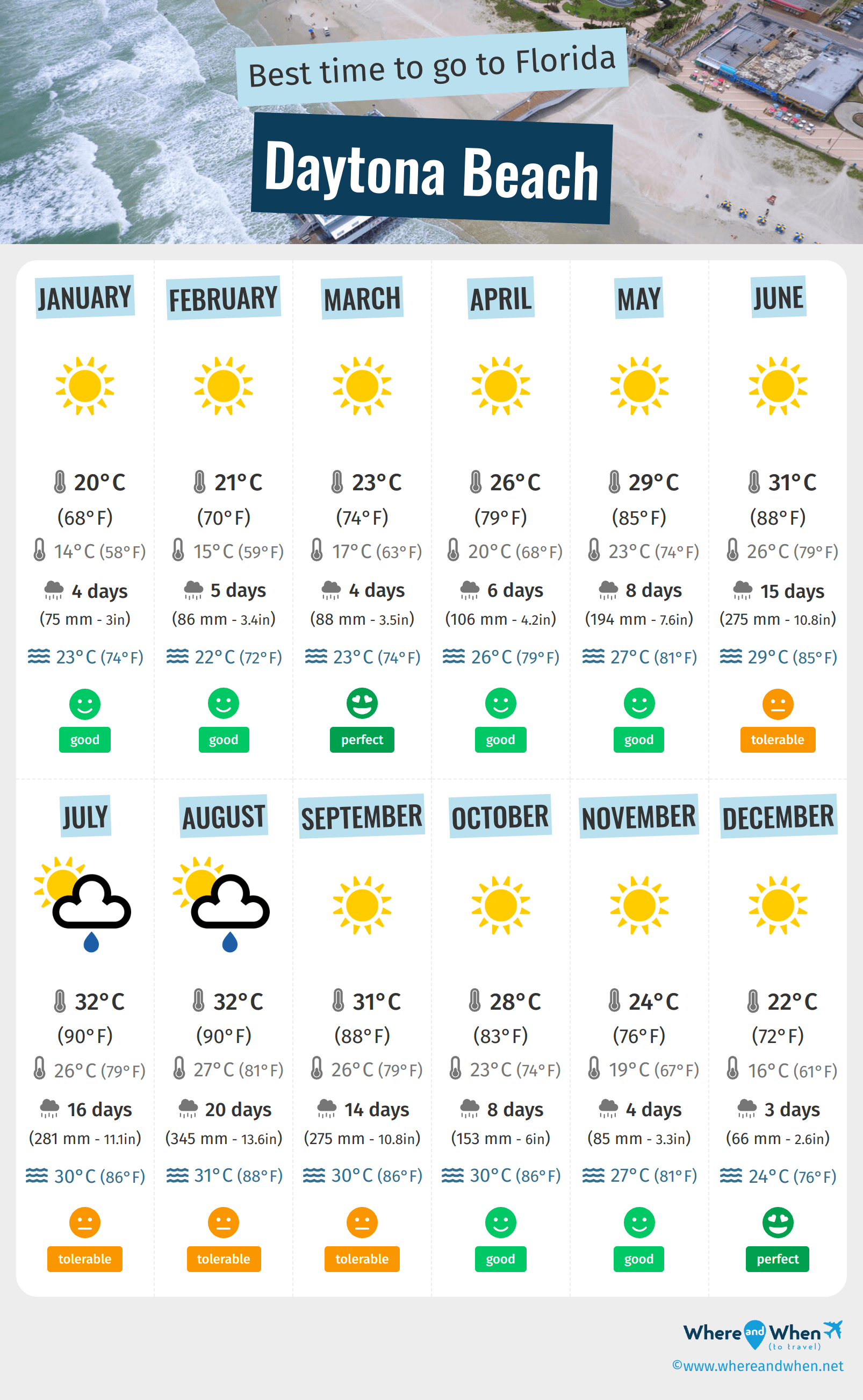
Daytona Beach experiences mild winters, a stark contrast to the colder climates found in many other parts of the United States. While not tropical in the same way as summer, the winter months offer a pleasant escape for many. Average temperatures typically range from the low 60s to the low 70s Fahrenheit. While some days can be cooler, especially in the early morning or evening, extended periods of freezing temperatures are extremely rare.
- Daytime Temperatures: Days are often sunny and mild, perfect for exploring the area without overheating. It’s a great time for sightseeing, visiting museums, or enjoying a round of golf.
- Evening Temperatures: Evenings can become cool, sometimes requiring a light jacket. Temperatures can dip into the 50s Fahrenheit.
- Rainfall: Winter is part of Daytona’s dry season, with minimal rainfall.
- Winds: The Atlantic breezes can be more pronounced in winter, sometimes making the air feel cooler, especially near the coast.
Winter is an excellent time for those seeking a less crowded experience and more relaxed pace. It’s ideal for business stays and for those who prefer to avoid the peak summer heat. Many resorts continue to offer excellent amenities and services, ensuring a comfortable stay.
Understanding Daytona’s Microclimates and Coastal Effects
Beyond the general seasonal trends, it’s important to recognize that Daytona Beach can experience subtle microclimates and that its coastal location significantly influences its weather. For travelers staying in various types of accommodation, from beachfront suites to apartments further inland, these factors can play a role in their daily experience.
Coastal Breezes and Humidity
The most consistent weather feature in Daytona Beach is the moderating effect of the Atlantic Ocean. During the day, sea breezes typically blow onshore, offering a refreshing respite from the inland heat. This is particularly noticeable during the warmer months. Conversely, at night, land breezes can blow offshore.
Humidity is a key characteristic of Daytona’s climate, especially from late spring through early autumn. While it contributes to the lushness of the Florida landscape, it can also make temperatures feel warmer than the thermometer indicates. For those unaccustomed to high humidity, it can be an adjustment, impacting comfort levels during outdoor activities. Choosing accommodation with good air conditioning is always a wise decision.
Impact of Hurricanes and Tropical Storms
As a Florida coastal city, Daytona is susceptible to tropical storms and hurricanes, primarily during the Atlantic hurricane season, which officially runs from June 1st to November 30th. While direct hits are infrequent, the possibility exists, and even storms that pass by can bring heavy rain, strong winds, and rough seas.
- Peak Season: The most active period for hurricanes is typically from August to October.
- Preparation: If traveling during this time, it is crucial to stay informed about weather forecasts and to have a hurricane preparedness plan in place, especially if you are staying in a villa or a less robust structure. Many resorts and hotels will have procedures in place for guests during severe weather.
- Travel Insurance: Considering travel insurance that covers weather-related disruptions is highly recommended for trips during the hurricane season.
While the threat of hurricanes is real, it’s important not to let it deter you from visiting. Most of the year, Daytona enjoys beautiful weather, and the potential for severe weather is manageable with proper planning and awareness.
Planning Your Daytona Trip Around the Weather
When considering your travel dates and the activities you wish to pursue in Daytona Beach, aligning them with the prevailing weather patterns can significantly enhance your trip. Whether you’re drawn by the thrill of the Daytona 500, the allure of the beaches, or the charm of the local food scene, understanding the weather nuances will help you make the most informed decisions for your lifestyle travel choices.
Best Times for Specific Activities
- Beach and Water Sports: For the warmest ocean temperatures and the most consistent sunshine, the summer months (June-August) are ideal, though be prepared for heat and humidity. Spring (March-May) and autumn (September-November) offer a more temperate experience with excellent beach conditions and lower humidity.
- Outdoor Exploration and Sightseeing: Spring and autumn are generally the most comfortable seasons for extensive outdoor exploration. Mild temperatures and lower humidity make it pleasant to visit landmarks, stroll through parks, and explore the city on foot.
- Attending Events like the Daytona 500: This iconic racing event typically takes place in February. The winter weather in Daytona during this time is usually mild and pleasant, making it an excellent period for sports enthusiasts.
- Budget Travel: Shoulder seasons, such as late spring (May) and early autumn (September-October), can sometimes offer better deals on hotels and accommodation as the peak summer or holiday crowds recede.

Packing Essentials Based on the Season
- Spring/Autumn: Light layers are key. Bring t-shirts, shorts, light pants, a sweater or light jacket for evenings, swimwear, and comfortable walking shoes.
- Summer: Pack lightweight, breathable clothing, plenty of shorts, t-shirts, sundresses, swimwear, a wide-brimmed hat, sunglasses, and high SPF sunscreen. An umbrella or light rain jacket is also advisable for afternoon showers.
- Winter: While mild, bring layers. Include long-sleeved shirts, pants, a light jacket or sweater, and perhaps a light scarf for cooler evenings. Comfortable walking shoes are essential.
By taking the time to understand the weather in Daytona, Florida, you can move beyond simply asking “What’s the weather?” and begin to craft a truly unforgettable Florida experience, tailored to your preferences and designed to maximize your enjoyment of this captivating coastal destination. Whether you’re a first-time visitor or a seasoned traveler, the weather is an integral part of the Daytona story.
LifeOutOfTheBox is a participant in the Amazon Services LLC Associates Program, an affiliate advertising program designed to provide a means for sites to earn advertising fees by advertising and linking to Amazon.com. Amazon, the Amazon logo, AmazonSupply, and the AmazonSupply logo are trademarks of Amazon.com, Inc. or its affiliates. As an Amazon Associate we earn affiliate commissions from qualifying purchases.