
The allure of Southwest Florida is undeniable, and at its heart lies the vibrant city of Fort Myers. Known for its pristine beaches, lush landscapes, and a rich historical tapestry, Fort Myers is a perennial favorite for travelers seeking sunshine, relaxation, and a taste of authentic Florida living. But as with any destination, understanding the local climate is paramount to planning the perfect getaway. This article delves into the weather patterns of Fort Myers, Florida, offering insights that will help you pack appropriately, choose the ideal time to visit, and make the most of your experience, whether you’re here for a fleeting holiday or a more extended sojourn.
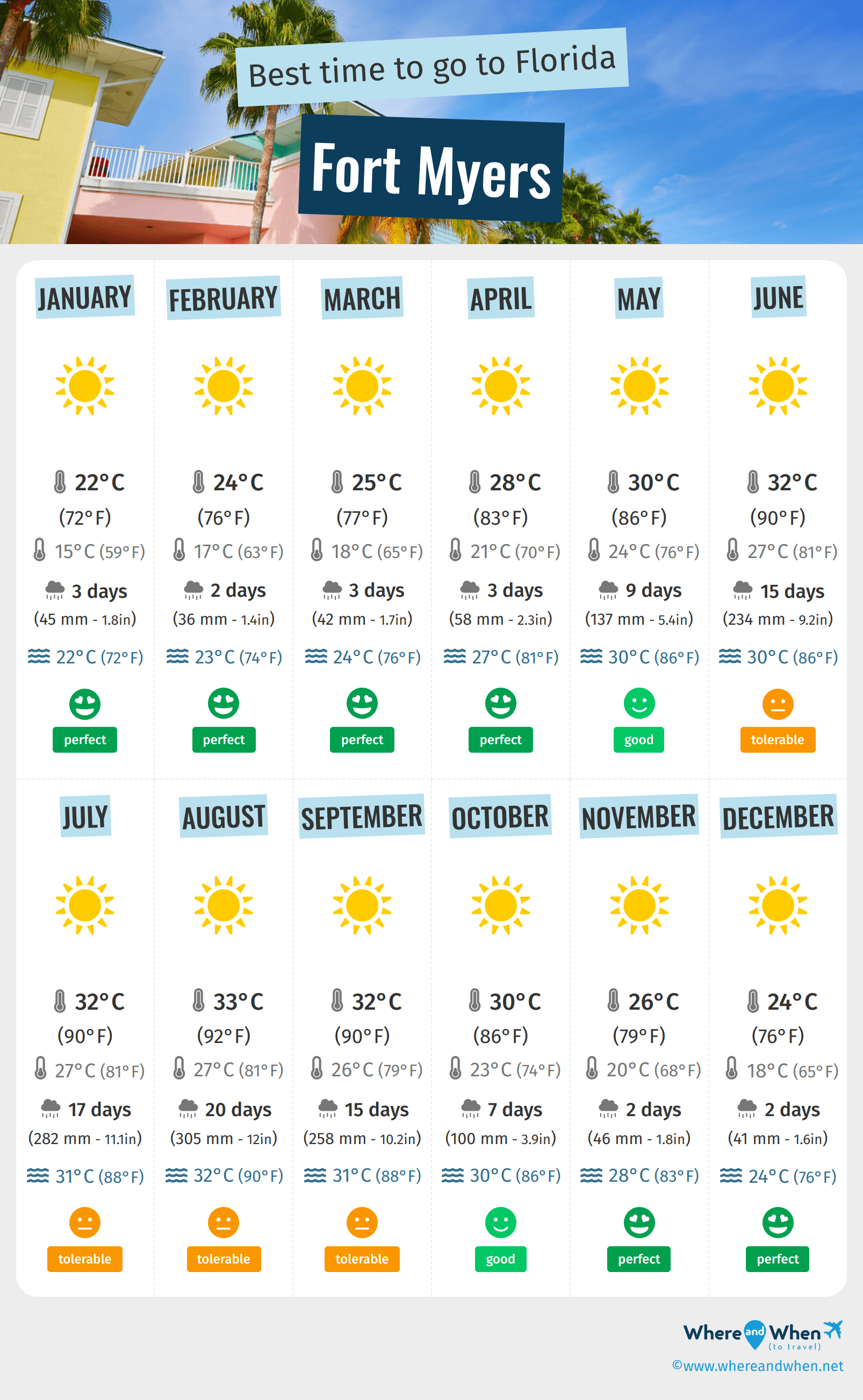
The weather in Fort Myers is a significant draw, largely defining the rhythm of life and tourism in the region. Its subtropical climate means warm temperatures year-round, with distinct wet and dry seasons. This predictable yet varied weather system shapes everything from the availability of outdoor activities to the types of accommodations that are most sought after. Understanding these nuances will allow you to tailor your visit to your preferences, ensuring a comfortable and enjoyable trip, whether you’re dreaming of lounging on Fort Myers Beach, exploring the historic Edison and Ford Winter Estates, or simply soaking in the laid-back Florida lifestyle.
The city’s location on the Caloosahatchee River, leading into the Gulf of Mexico, also plays a role in its weather, often moderating temperatures and contributing to the abundant sunshine that graces its shores. For those considering a trip, knowing the typical conditions for each month can be invaluable. This guide aims to provide a comprehensive overview, transforming weather data into actionable advice for your Fort Myers adventure, covering aspects of travel, tourism, and accommodation.
Understanding Fort Myers’ Subtropical Climate
Fort Myers, Florida boasts a humid subtropical climate, characterized by hot, humid summers and mild, pleasant winters. This classification, according to meteorological standards, means that the region experiences significant seasonal temperature variations but rarely dips into extreme cold. The proximity to the Gulf of Mexico acts as a natural thermostat, moderating the most severe temperature fluctuations and contributing to the overall pleasantness of the climate for much of the year.
Seasonal Breakdown: A Year in Fort Myers
To truly grasp the weather in Fort Myers, it’s essential to break it down by season. Each period offers a unique atmosphere and a different set of opportunities for visitors.
Summer: The Heat and the Humid Embrace
From June through September, Fort Myers experiences its summer season. This period is defined by high temperatures, typically ranging from the high 80s to the low 90s Fahrenheit (around 30-33°C), often feeling hotter due to high humidity levels. Afternoon thunderstorms are a common occurrence during these months, providing a brief, albeit intense, respite from the heat. These storms are usually short-lived, clearing up as quickly as they arrive, and are a characteristic feature of the Florida summer.
Despite the heat and humidity, summer is a popular time for families and those seeking classic beach vacation experiences. The water temperatures in the Gulf of Mexico are warm and inviting, perfect for swimming, boating, and other water sports. Visitors should be prepared for the heat by staying hydrated, seeking shade during the hottest parts of the day, and embracing the refreshing coolness of air-conditioned interiors. Many resorts and hotels offer excellent amenities, including large pools and shaded cabanas, making them ideal havens during the summer months. When planning activities, it’s wise to schedule outdoor excursions for the cooler morning or late afternoon hours.
Autumn: A Transition to Pleasant Breezes
As summer gives way to autumn, from October through November, Fort Myers undergoes a beautiful transition. The intense humidity begins to recede, and the temperatures become noticeably more comfortable. Daytime highs typically hover in the pleasant mid-70s to low 80s Fahrenheit (around 24-28°C), while evenings offer a welcome coolness, often dropping into the 60s Fahrenheit (15-20°C). This makes autumn one of the most sought-after times to visit Fort Myers.
The skies are often clear, and the Gulf breezes become more pronounced, creating an ideal environment for exploring the city’s numerous attractions. Outdoor dining becomes a joy, and activities like kayaking on the Caloosahatchee River, cycling through nature trails, or simply strolling along Fort Myers Beach are particularly enjoyable. The reduced humidity also makes it a fantastic time for exploring the region’s natural beauty, such as the J.N. “Ding” Darling National Wildlife Refuge on Sanibel Island, easily accessible from Fort Myers. This period offers the perfect balance of warm sunshine and comfortable air, making it ideal for those who prefer not to contend with the peak summer heat.
Winter: The Sunshine Season and Mild Delights
The winter months, from December through February, are what many consider the prime season for visiting Fort Myers. This period is characterized by mild temperatures, abundant sunshine, and significantly lower humidity compared to the summer. Daytime highs typically range from the low to mid-70s Fahrenheit (around 21-24°C), and evenings are cool but rarely cold, usually in the 50s Fahrenheit (10-15°C). This makes it an idyllic escape for those looking to flee colder climates.
The clear skies and comfortable temperatures make it the perfect time for a wide array of outdoor pursuits. Golfing is exceptionally popular, as are visits to the city’s many parks and preserves. The beaches are still enjoyable, though the water might be a bit cooler, suitable for sunbathing and beachcombing rather than extended swimming for some. Fort Myers Beach remains a hub of activity, and the calmer waters are ideal for fishing and boating. This season is also popular for longer stays, with many visitors opting for vacation rentals and apartments to enjoy a prolonged taste of Florida’s winter sunshine. The city buzzes with activities, from local festivals to vibrant farmer’s markets, offering a rich cultural experience.
Spring: A Flourishing of Warmth and Outdoor Fun
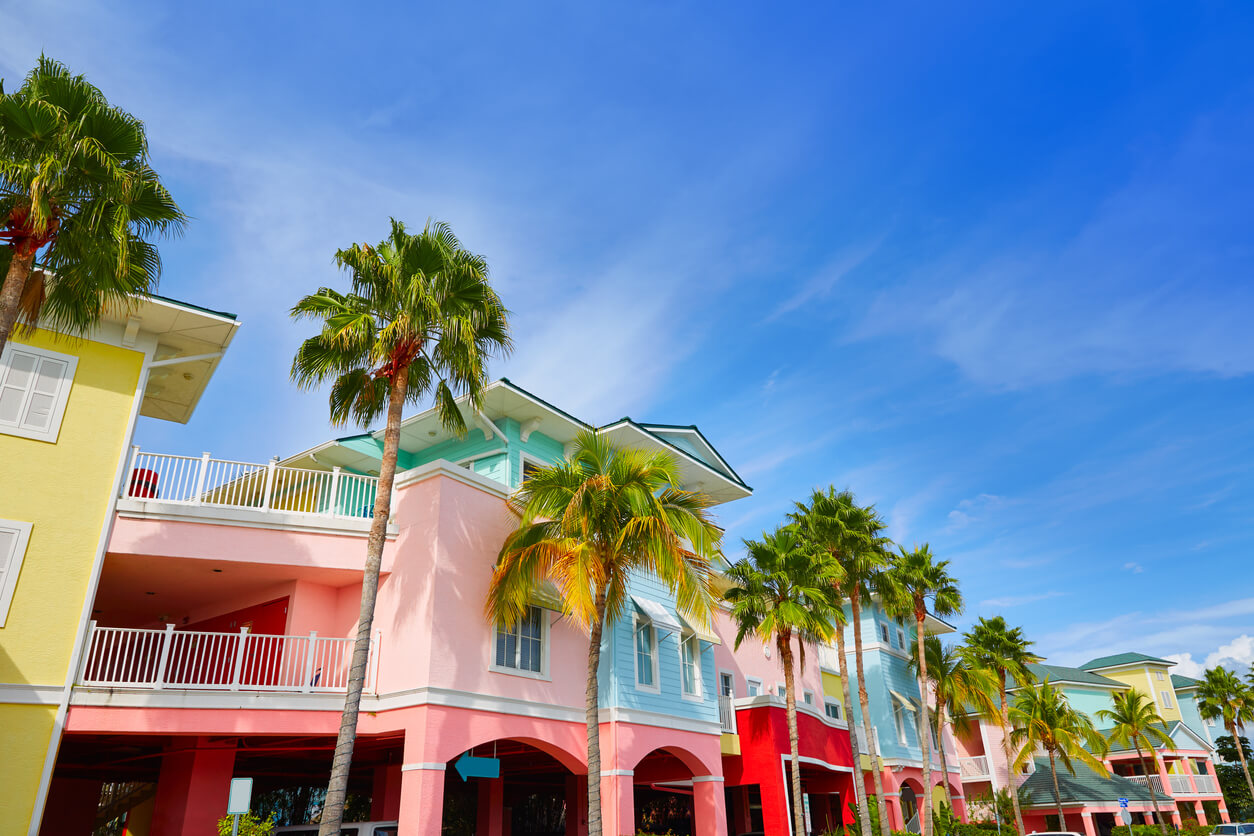
Spring in Fort Myers, spanning March through May, sees a gradual warming of temperatures as the region heads back towards summer. March and April continue the pleasant trend from winter, with highs in the 70s and 80s Fahrenheit (around 25-30°C). May begins to introduce more humidity and the possibility of afternoon showers as the precursor to the summer storm season.
This period is exceptionally popular due to its combination of warm, sunny days and relatively low humidity, especially in the earlier spring months. It’s an ideal time for exploring the Everglades National Park, visiting attractions like Cypress Gardens, or enjoying the vibrant blooms that emerge across the landscape. The beaches are bathed in sunshine, and the Gulf waters are warming up, making them increasingly appealing for swimming and water sports. Many consider spring to be a sweet spot for visiting Fort Myers, offering a delightful blend of comfortable weather and the full vibrancy of Florida’s natural and cultural offerings before the peak summer heat and humidity set in.
Planning Your Fort Myers Adventure: Weather-Wise Tips
Understanding Fort Myers’ weather is not just about knowing the temperature; it’s about optimizing your experience. Whether you’re booking a stay at a luxury resort like the Hyatt Regency Coconut Point Resort and Spa or a more budget-friendly apartment, aligning your visit with the climate can significantly enhance your trip.
Packing Essentials for Every Season
Your wardrobe choices will largely depend on the time of year you plan to visit Fort Myers.
- Summer (June-September): Lightweight, breathable clothing is a must. Think shorts, t-shirts, sundresses, and swimwear. Don’t forget a wide-brimmed hat, sunglasses, and high-SPF sunscreen to protect yourself from the intense sun. A light rain jacket or umbrella is essential for those daily afternoon showers. Comfortable sandals or flip-flops are ideal for beach days, while water shoes can be useful for rocky areas or water sports.
- Autumn (October-November): Pack a mix of warm-weather and slightly cooler clothing. Shorts and t-shirts are still appropriate for daytime, but you’ll appreciate having light long-sleeved shirts, a light sweater or jacket for the evenings, and perhaps a pair of jeans or lighter trousers. The same sun protection essentials from summer are still relevant.
- Winter (December-February): This is when layering becomes key. Pack light to medium-weight clothing. T-shirts and shorts might still be comfortable during the warmest parts of the day, but you’ll want to have sweaters, light jackets, and possibly a pair of jeans or trousers for cooler mornings and evenings. A light scarf can also be a welcome addition. Sunscreen remains important, as the sun can be strong even in winter.
- Spring (March-May): Similar to autumn, a layered approach is recommended. Pack shorts, t-shirts, and swimwear for warmer days. Include light long-sleeved shirts, a light sweater or jacket for cooler evenings, and perhaps a pair of light trousers. As May approaches, be prepared for increasing humidity and occasional rain showers, so a light rain jacket or umbrella is advisable.
Regardless of the season, comfortable walking shoes are always a good idea, as you’ll likely be doing a fair amount of exploring. If you plan on visiting any of the more nature-focused attractions, consider packing insect repellent.
The Best Time to Visit Fort Myers Based on Weather
While Fort Myers is a year-round destination, certain periods are more conducive to specific types of travel and activities due to the weather.
- For Beach Lovers and Water Sports Enthusiasts: The period from March through May (Spring) and October through November (Autumn) offers the most ideal conditions. The temperatures are warm, the humidity is lower, and the Gulf waters are inviting without being excessively hot. These seasons provide the perfect balance for enjoying extended time by the ocean.
- For Budget Travelers and Avoiding Crowds: The summer months (June-September), despite the heat and humidity, often see slightly lower accommodation prices and fewer crowds compared to the peak winter season. If you can tolerate the heat and are prepared for afternoon thunderstorms, you can find great deals on hotels and resorts. The shoulder seasons of late spring and early autumn can also offer good value and fewer people than the peak winter months.
- For Those Seeking Pleasant Temperatures and Outdoor Exploration: The winter (December-February) and early spring (March-April) are undeniably the most comfortable times for exploring the city and its surroundings. The mild, sunny days are perfect for visiting landmarks like the Edison and Ford Winter Estates, exploring natural reserves, or enjoying outdoor dining without the oppressive heat and humidity. This is also the prime season for golf and other outdoor recreational activities.
Ultimately, the “best” time to visit Fort Myers is subjective and depends on your personal preferences and priorities. However, by understanding the prevailing weather patterns, you can make an informed decision that ensures your trip is as enjoyable and comfortable as possible, whether you’re looking for a lively family vacation, a serene couples’ retreat, or an adventurous solo exploration of Southwest Florida.

Weather’s Impact on Accommodation and Activities
The weather in Fort Myers directly influences the types of accommodations that are most popular and the activities that are best suited for any given time of year.
During the peak winter season, when the weather is at its most pleasant, demand for accommodation surges. This is when you’ll find the highest occupancy rates at popular resorts and hotels, and prices can reflect this demand. Many visitors opt for longer stays during this period, seeking to escape colder climates. Consequently, booking well in advance is highly recommended. Activities during these months are diverse, ranging from golf and fishing to exploring the numerous parks and nature preserves like the Corkscrew Swamp Sanctuary.
The summer months, while hot and humid, are characterized by frequent afternoon thunderstorms. This might mean that indoor attractions, such as the IMAG History & Science Center, or amenities within your accommodation, like a resort pool with covered areas, become more appealing. Water-based activities, like visiting Fort Myers Beach, are still very popular, with people often taking breaks during the hottest parts of the day or enjoying the water after a brief rain shower. Many hotels offer excellent air-conditioned spaces and pools, making them perfect for escaping the midday heat.
The shoulder seasons of spring and autumn present a fantastic opportunity to enjoy a wide range of activities with more comfortable weather. This is an excellent time for exploring the historic downtown Fort Myers, visiting local art galleries, or taking boat tours along the coast. The weather is conducive to exploring the Shell Factory and Nature Park or visiting nearby islands like Captiva Island. Accommodation prices during these shoulder seasons can be more moderate than during the peak winter months, offering a good balance of excellent weather and value.
For those considering a longer-term stay, understanding the subtle shifts between the seasons is crucial. A winter rental will offer consistently mild and sunny days, ideal for enjoying an extended period of outdoor living. A summer rental, while offering access to the vibrant coastal lifestyle, will require a greater adaptation to the heat and humidity, with a greater reliance on air conditioning and planning for afternoon rain. By considering the weather’s influence, you can make informed choices about where to stay and what to do, ensuring your Fort Myers experience is perfectly tailored to your desires.
LifeOutOfTheBox is a participant in the Amazon Services LLC Associates Program, an affiliate advertising program designed to provide a means for sites to earn advertising fees by advertising and linking to Amazon.com. Amazon, the Amazon logo, AmazonSupply, and the AmazonSupply logo are trademarks of Amazon.com, Inc. or its affiliates. As an Amazon Associate we earn affiliate commissions from qualifying purchases.