
Hurricane Charley’s devastating impact on Florida is etched into the collective memory of the Sunshine State. While the primary focus of this article is on the vibrant travel, accommodation, and tourism experiences that Florida offers, understanding the timing and impact of significant weather events like Hurricane Charley provides crucial context, especially for those planning trips or considering a longer stay. This information is invaluable for travelers seeking to gauge potential travel risks, understand local resilience, and appreciate the natural beauty that often coexists with powerful weather phenomena.
Florida, a premier destination for travelers worldwide, boasts an unparalleled array of attractions, from the iconic theme parks of Orlando to the pristine beaches of the Florida Keys and the sophisticated urban landscape of Miami. The state’s diverse offerings cater to every whim, whether you’re seeking a luxurious resort experience, a budget-friendly adventure, or an immersive dive into local culture and history. Understanding when significant weather events occurred can inform travel decisions, particularly during hurricane season, which runs from June 1st to November 30th annually.
Hurricane Charley’s Path and Timeline
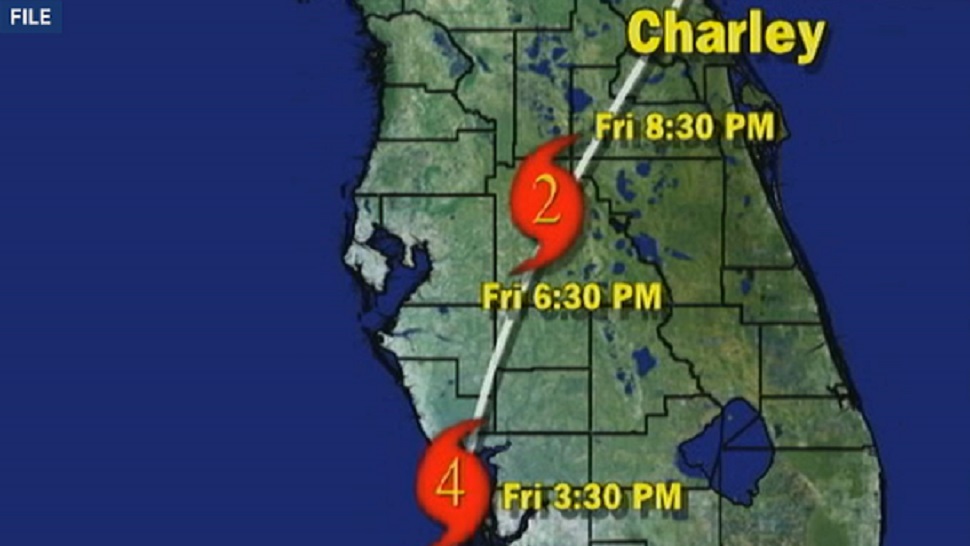
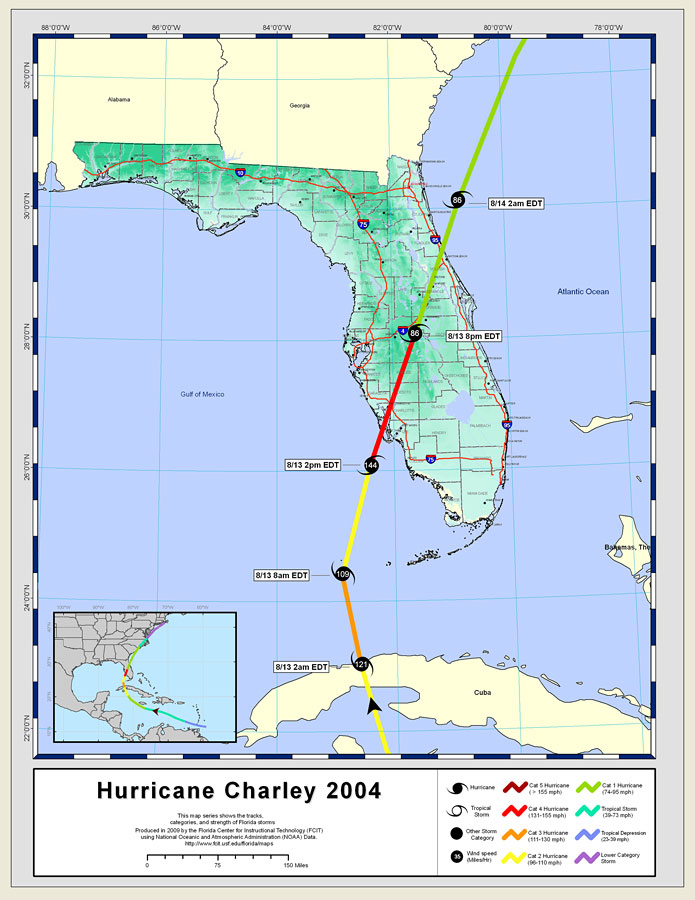
To answer the question “When Did Hurricane Charley Hit Florida?”, we must delve into the specific dates and times of its landfall. Hurricane Charley was a rapidly intensifying and destructive Category 4 hurricane that made landfall on Florida’s southwestern coast on Friday, August 13, 2004. Its arrival was remarkably swift, catching many by surprise due to its rapid intensification and unexpected track shift.
The Build-Up and Initial Landfall
The hurricane’s formation can be traced back to early August 2004. Initially, Charley was a tropical storm that threatened the Bahamas. However, by August 13th, it had rapidly strengthened into a formidable hurricane. The eye of Hurricane Charley first made landfall near Captiva Island in Lee County at approximately 3:45 PM EDT on that fateful Friday. The winds at this point were estimated to be around 145 mph, causing widespread and catastrophic damage.
The storm’s path was highly unusual. After striking Southwest Florida, Charley then carved a remarkably direct and fast path across the state. It moved with astonishing speed, making a second Florida landfall near Punta Gorda just a couple of hours later, around 6:45 PM EDT. The hurricane continued its rampage northeastward, leaving a swath of destruction through the interior of the state, impacting cities like Fort Myers, Port Charlotte, and eventually reaching the Orlando metropolitan area.
Aftermath and Secondary Impacts
The immediate aftermath of Hurricane Charley was one of devastation. Power outages affected millions, and many homes and businesses were severely damaged or destroyed. The sheer force of the winds and the rapid progression of the storm left communities reeling. However, Florida’s resilient spirit and effective emergency response mechanisms came into play. The tourism industry, a vital economic engine for the state, faced an immediate challenge, but recovery efforts were swift, aided by the state’s experience in managing natural disasters.
The experience of Hurricane Charley also underscored the importance of hurricane preparedness for both residents and tourists. Understanding hurricane season and potential storm tracks is a crucial aspect of responsible travel planning in Florida. While the state’s infrastructure is largely built to withstand severe weather, and safety protocols are stringent, being aware of these factors can enhance a traveler’s peace of mind and preparedness.
Florida’s Enduring Appeal: Beyond the Storms
Despite the challenges posed by natural events like hurricanes, Florida remains an unparalleled destination for tourism and travel. Its diverse attractions, from natural wonders to man-made marvels, continue to draw millions each year. Understanding the history of such events, like the impact of Hurricane Charley, is part of appreciating the resilience and unique character of the state.
Coastal Destinations and Natural Wonders
Florida’s coastline is legendary, offering a multitude of experiences for beach lovers and nature enthusiasts. The Florida Keys, a string of tropical islands, are a prime example, renowned for their crystal-clear waters, vibrant coral reefs perfect for snorkeling and diving, and laid-back atmosphere. Destinations like Key West offer a unique blend of history, quirky charm, and stunning natural beauty.
Further up the coast, the Gulf Coast boasts some of the nation’s most beautiful beaches, such as those found in Clearwater and St. Pete Beach. These areas are ideal for family vacations, offering calm waters and a plethora of activities. On the Atlantic side, Miami presents a dynamic mix of world-class beaches like South Beach, a thriving art scene, and a pulsating nightlife.

Beyond the immediate coastline, Florida’s natural landscapes are equally captivating. The Everglades National Park, a UNESCO World Heritage Site, offers an unparalleled opportunity to explore a unique subtropical ecosystem teeming with wildlife, including alligators, manatees, and a vast array of bird species. Airboat tours are a popular way to experience the grandeur of this remarkable natural landmark.
Theme Parks and Entertainment Hubs
No discussion of Florida travel is complete without mentioning its world-famous theme parks. Orlando is the undisputed capital of family entertainment, home to iconic parks such as Walt Disney World Resort (comprising Magic Kingdom, Epcot, Disney’s Hollywood Studios, and Disney’s Animal Kingdom), Universal Orlando Resort (including Universal Studios Florida and Universal’s Islands of Adventure), and SeaWorld Orlando. These destinations offer immersive experiences, thrilling rides, and captivating shows that appeal to visitors of all ages.
The concentration of these entertainment giants makes Orlando a prime spot for both vacationers and those seeking longer stays, perhaps in serviced apartments or villas. The infrastructure supporting these parks, including numerous hotels and resorts, ensures a comfortable and convenient experience for travelers.
Accommodation and Lifestyle in the Sunshine State
Florida’s appeal extends to its diverse accommodation options and its vibrant lifestyle, catering to a wide spectrum of travelers, from luxury seekers to budget-conscious adventurers.
Hotels, Resorts, and Villas: A Spectrum of Stays
The state offers an unparalleled range of accommodation types. Luxury travelers can indulge in opulent resorts along the coast or in cities like Miami and Naples, often featuring world-class amenities such as infinity pools, gourmet dining, and private beach access. The Ritz-Carlton Amelia Island is a prime example of the high-end hospitality available.
For families and those seeking extended stays, the variety of suites, apartments, and villas provides a home-away-from-home experience. Many of these accommodations are located near major attractions or offer convenient access to beaches and local culture. Websites and booking platforms dedicated to accommodation comparison allow travelers to find the perfect fit for their needs and budget, whether it’s a boutique hotel in Savannah (though technically Georgia, often a stop for Florida travelers) or a beachfront condo.
Budget travelers are not forgotten, with a plethora of well-maintained motels, inns, and budget-friendly hotel chains scattered throughout the state, particularly around major tourist hubs. Camping and RV parks are also abundant, especially in state and national parks, offering an immersive nature experience.
Experiencing Local Culture and Cuisine
Beyond the manufactured thrills of theme parks and the relaxation of beaches, Florida offers a rich tapestry of local culture and culinary delights. The influence of Latin American and Caribbean cultures is particularly strong in South Florida, evident in the vibrant music, art, and, of course, the food. Experiencing authentic Cuban cuisine in Little Havana, Miami, or savoring fresh seafood along the Gulf Coast are essential components of any trip.
Exploring historic landmarks adds another layer to the travel experience. St. Augustine, the oldest continuously inhabited European-established settlement in the United States, offers a glimpse into colonial history with its fortresses and charming cobblestone streets. The architecture and historical narratives found in places like St. Augustine provide a fascinating counterpoint to the state’s modern attractions.
Tips for Travelers and Residents
Understanding the climate and potential weather patterns is a crucial aspect of any travel plan for Florida. While Hurricane Charley was a significant event in 2004, hurricanes are a recurring phenomenon during the official season. Travelers should always check weather forecasts before and during their trip, particularly between August and October, which are typically the peak months for hurricane activity. Packing essentials like sunscreen, hats, and light clothing is always recommended, but during hurricane season, having a basic emergency kit and staying informed about weather advisories is prudent.
For those considering long-term stays or even residency, understanding the building codes and safety measures in place is important. Florida’s infrastructure has evolved over the years to better withstand severe weather, but preparation remains key.
In conclusion, while Hurricane Charley serves as a stark reminder of nature’s power, it does not diminish Florida’s status as a premier global destination. The state’s ability to recover and continue offering exceptional travel, tourism, and accommodation experiences is a testament to its resilience and enduring appeal. By understanding both the allure of Florida and the realities of its environment, travelers can plan unforgettable journeys, creating cherished memories amidst the sunshine and natural beauty.
LifeOutOfTheBox is a participant in the Amazon Services LLC Associates Program, an affiliate advertising program designed to provide a means for sites to earn advertising fees by advertising and linking to Amazon.com. Amazon, the Amazon logo, AmazonSupply, and the AmazonSupply logo are trademarks of Amazon.com, Inc. or its affiliates. As an Amazon Associate we earn affiliate commissions from qualifying purchases.