
Florida’s sandy shores are a critical nesting ground for sea turtles, and the period of hatching is a marvel of nature that draws many to witness. Understanding the timing of these events is key for anyone hoping to observe this incredible phenomenon. This guide delves into the hatching season, the species involved, and the best ways to experience this natural spectacle responsibly.
The Sea Turtle Hatching Season in Florida
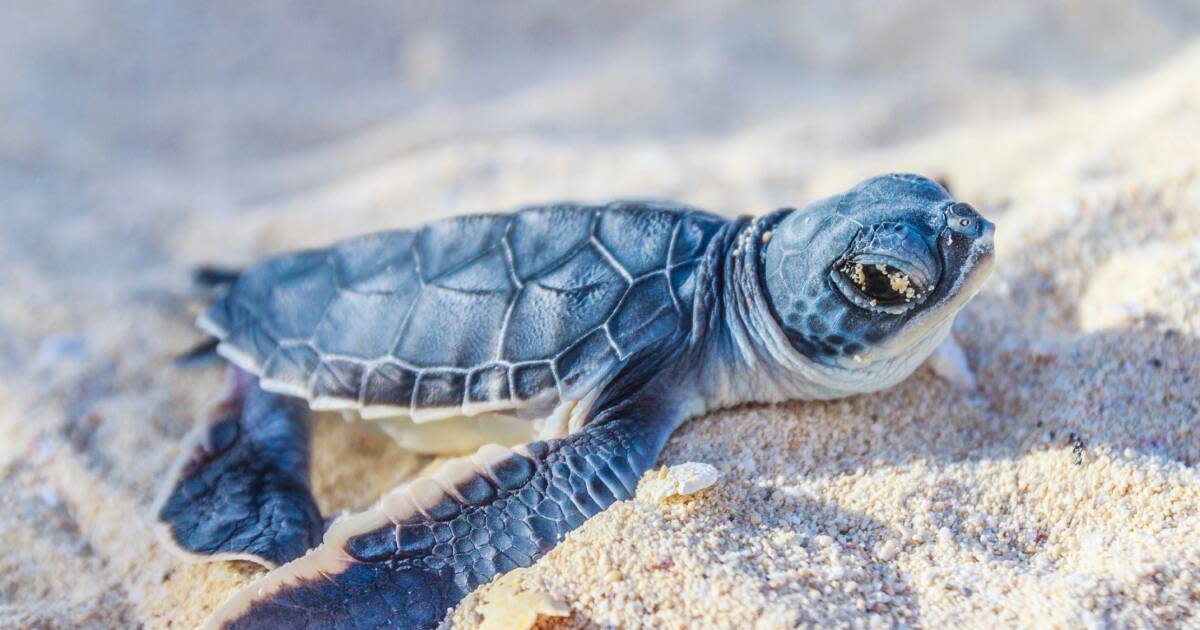
The hatching season for sea turtles in Florida is a protracted affair, generally spanning several months, with the peak activity occurring during the warmer periods of the year. While nests are laid throughout the spring and early summer, the emergence of hatchlings typically begins later in the summer and can extend into the fall. This staggered timing ensures that different species have their optimal window for nesting and hatching, influenced by water temperatures and other environmental factors.
Timing is Everything: Understanding Hatching Windows
The exact timing of sea turtle hatching is a fascinating interplay of biological rhythms and environmental cues. After a female sea turtle meticulously excavates her nest on a sandy beach and deposits her clutch of eggs, these eggs incubate for a period ranging from approximately 45 to 70 days. This incubation period is highly sensitive to temperature; warmer sands generally lead to shorter incubation times and, notably, can influence the sex of the hatchlings, with warmer temperatures producing more females.
Loggerhead sea turtles, one of the most common species found in Florida, typically nest from April to August. Their eggs, laid during this period, will hatch approximately two months later. This means that nests laid in late April or early May might see hatchlings emerging by early July, and nests laid in August could hatch well into October.
Green sea turtles share a similar nesting season, usually from May to September. Their incubation period is slightly longer, often around 60 days, meaning hatching will likely occur from July through November.
Leatherback sea turtles, the largest of the sea turtle species, generally nest earlier in the season, from March to July. Their incubation period also tends to be around 60 days, with hatching occurring from May through September.
Kemp’s ridley sea turtles, the smallest and most endangered sea turtle species, have a more concentrated nesting period, typically from April to July, with hatching occurring from June to September.
It’s important to remember that these are general timelines. Localized weather patterns, specific beach microclimates, and the exact depth and location of the nests can all introduce variations. Therefore, while a general understanding of the season is helpful, predicting the exact hatching date for a specific nest is nearly impossible.
Factors Influencing Hatching Success
Beyond the general timeline, several factors contribute to successful hatching. The quality of the nesting beach is paramount. Beaches with soft, dry sand that is not overly compacted are ideal. Protection from predators, both terrestrial (like raccoons and foxes) and marine (like sharks and predatory fish), is also crucial for hatchlings once they enter the water. Artificial lighting near nesting beaches can disorient hatchlings, leading them away from the ocean, highlighting the importance of responsible coastal development and visitor behavior.
Popular Florida Destinations for Turtle Watching
Florida boasts extensive coastlines that are vital habitats for nesting sea turtles. Certain areas are particularly renowned for their high densities of nesting activity and are therefore excellent locations for those seeking to witness the hatching season. Responsible observation is paramount to ensure the safety and success of these vulnerable creatures.

Coastal Hotspots for Nesting and Hatching
The Atlantic coast of Florida is a major hub for sea turtle activity. Brevard County, often referred to as the “Sea Turtle Capital of the World,” is particularly famous for its high concentration of nesting loggerhead, green, and leatherback turtles. Beaches in areas like Melbourne Beach and Satellite Beach are prime locations.
Further south, the Treasure Coast, encompassing counties like Martin and St. Lucie, also offers significant nesting grounds. These areas are actively involved in conservation efforts and often have programs that allow guided night walks during the nesting season.
On the Gulf Coast, while nesting numbers are generally lower than on the Atlantic side, significant populations of loggerheads and green turtles can be found. Sanibel Island and Captiva Island are known for their turtle activity, as are parts of Lee County. The southwestern coast, including areas around Naples and Marco Island, also supports nesting turtles.
Understanding Local Conservation Efforts
Many coastal communities in Florida have established dedicated sea turtle patrol programs. These programs are often run by trained volunteers and wildlife biologists who patrol the beaches daily during nesting season, marking nests, protecting them from hazards, and monitoring their progress. Some of these organizations offer educational programs and guided turtle walks, providing a unique opportunity to learn about sea turtles and witness nesting or hatching events under expert supervision. It is crucial to participate in these guided programs rather than attempting to observe independently, as unregulated human presence can cause significant harm to nesting turtles and their offspring.
How to Responsibly Witness Turtle Hatching
Observing sea turtles and their hatchlings is an unforgettable experience, but it requires a commitment to responsible practices to ensure the well-being of these endangered animals. The goal is to witness nature’s marvel without disturbing its delicate balance.
Best Practices for Observation
The most impactful and responsible way to witness hatching is through organized, guided tours offered by local conservation groups or state parks. These tours are led by knowledgeable individuals who understand turtle behavior and the regulations designed to protect them. They will typically lead small groups to locations where nests are known to be approaching hatching, ensuring minimal disruption.
If you are staying on a beach known for turtle activity, it is imperative to be aware of and follow all local ordinances. This includes:
- Minimizing artificial light: Sea turtle hatchlings are naturally drawn to the brightest horizon, which historically was the moonlit ocean. Artificial lights from beachfront properties, streetlights, and even flashlights can disorient them, causing them to move inland, away from the sea, where they face greater danger. Turn off unnecessary lights, use red-filtered bulbs, and close curtains.
- Filling in holes and knocking down sandcastles: These obstacles can trap hatchlings, preventing them from reaching the ocean. Ensure all beach furniture is removed and holes are filled before leaving the beach for the day.
- Keeping a safe distance: If you are lucky enough to witness a nest hatching, maintain a significant distance. Never touch or interfere with the hatchlings. The rule of thumb is to stay quiet and still, allowing them to make their way to the sea unimpeded.
- Avoiding flash photography: The sudden bright flash can startle nesting turtles and disorient hatchlings.
- Educating yourself and others: Understanding the challenges sea turtles face and the importance of conservation can foster a greater appreciation and encourage responsible behavior.

The Role of Conservation Programs
Conservation programs play an indispensable role in protecting sea turtle populations. They conduct vital research, monitor nesting beaches, rescue stranded turtles, and advocate for protective legislation. By supporting these organizations through donations or by participating in their educational initiatives, you contribute directly to the survival of these ancient mariners.
Many organizations offer “adopt-a-nest” programs, where you can symbolically adopt a nest and receive updates on its progress. This provides a tangible connection to conservation efforts and helps fund the critical work being done to safeguard sea turtle populations. Understanding when turtles hatch in Florida is not just about satisfying curiosity; it’s about becoming a responsible steward of the natural world. By adhering to these guidelines, you can ensure that this incredible natural event continues for generations to come.
LifeOutOfTheBox is a participant in the Amazon Services LLC Associates Program, an affiliate advertising program designed to provide a means for sites to earn advertising fees by advertising and linking to Amazon.com. Amazon, the Amazon logo, AmazonSupply, and the AmazonSupply logo are trademarks of Amazon.com, Inc. or its affiliates. As an Amazon Associate we earn affiliate commissions from qualifying purchases.