
Florida’s annual Tax-Free Weekend is a highly anticipated event for shoppers across the Sunshine State. This dedicated period offers significant savings on a wide array of essential items, making it the perfect opportunity to refresh wardrobes, stock up on school supplies, and prepare for various needs without incurring state sales tax. Understanding the specific dates and eligible items is crucial for maximizing the benefits of this consumer-friendly initiative. This guide will delve into the details of Florida’s 2024 Tax-Free Weekend, providing insights for residents and visitors alike to plan their shopping excursions effectively and make the most of these valuable savings.
Understanding Florida’s Sales Tax Holiday Framework
Florida’s commitment to providing financial relief to its citizens through sales tax holidays has evolved over the years. The primary legislation, known as the “Freedom Week” sales tax holiday, has been a cornerstone, focusing on essential items. However, the state also offers other, more specific sales tax holidays throughout the year, each with its own unique focus and set of eligible goods. For instance, there’s a distinct holiday for disaster preparedness items and another for energy-efficient appliances. While the “Freedom Week” holiday is often the most widely recognized and broadly impactful due to its focus on clothing and school supplies, it’s important to be aware of these other opportunities that can help Floridians save on a diverse range of purchases. The dates and specific regulations for these holidays are established by the Florida Department of Revenue and are subject to legislative changes, making it essential to stay informed about the official announcements each year. The overarching goal of these holidays is to provide a tangible economic benefit to consumers, encouraging spending and supporting local businesses.
The Primary “Freedom Week” Sales Tax Holiday
The most significant and widely publicized sales tax holiday in Florida is commonly referred to as “Freedom Week.” This initiative is designed to alleviate the financial burden on families, particularly as they prepare for the back-to-school season. During this designated period, shoppers can purchase a wide range of eligible items without paying Florida’s state sales tax, as well as any applicable local option sales taxes. This exemption typically applies to clothing and footwear priced below a certain threshold, school supplies, and educational software. The precise monetary limits for qualifying items are set by state law and can be found in the official guidelines published by the Florida Department of Revenue. These limits are designed to ensure that the tax-free benefit is accessible for everyday purchases, making it easier for parents to equip their children for school and for individuals to acquire necessary apparel and learning materials. The economic impact of “Freedom Week” is substantial, not only for consumers but also for retailers who often see a significant surge in sales activity during this time. Many businesses proactively advertise their participation and special offers to attract shoppers.
Other Notable Sales Tax Holidays
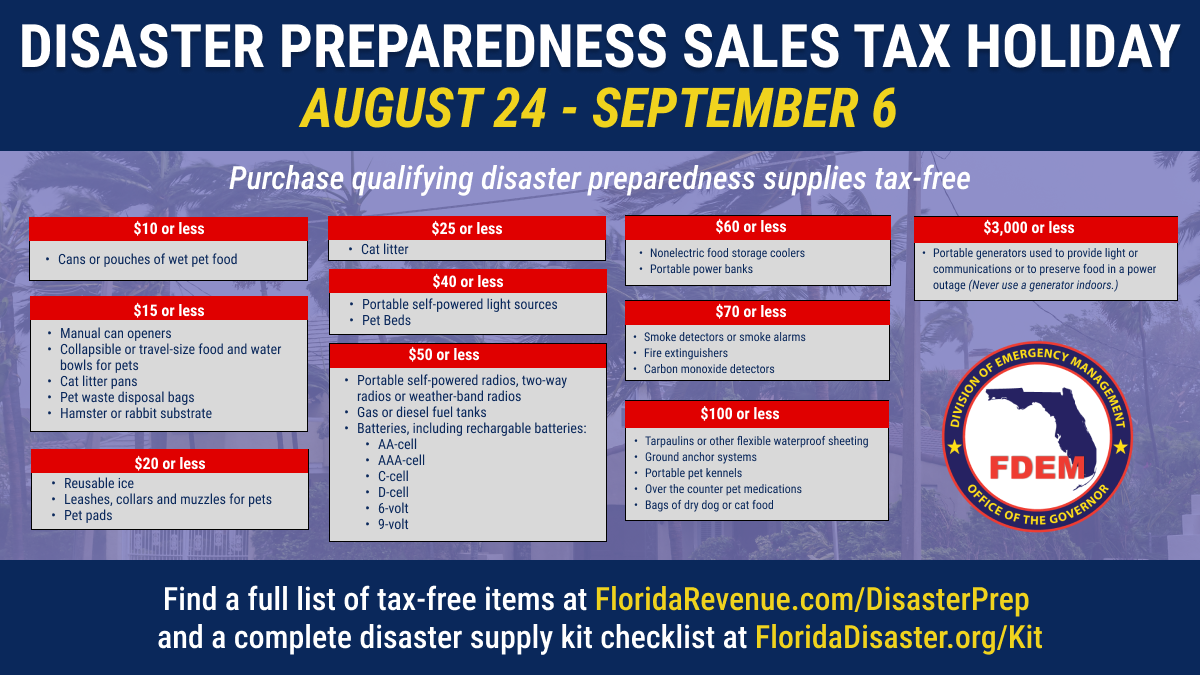
Beyond the prominent “Freedom Week,” Florida hosts other specialized sales tax holidays throughout the year, each catering to specific consumer needs and promoting different sectors of the economy. These include the Disaster Preparedness Sales Tax Holiday, which allows residents to purchase essential items for hurricane season, such as batteries, portable generators, and storm shutters, without sales tax. This holiday is crucial for fostering community resilience and encouraging proactive safety measures. Another important initiative is the Energy Star Sales Tax Holiday, aimed at promoting the adoption of energy-efficient appliances and lighting. During this period, consumers can purchase qualifying Energy Star-rated products, such as refrigerators, air conditioners, and LED light bulbs, tax-free. This not only benefits consumers through lower upfront costs but also contributes to long-term energy savings and environmental sustainability. Understanding the dates and eligible items for these distinct holidays allows Floridians to strategically plan their purchases and take advantage of every opportunity to save throughout the year.
When Is Tax Free Weekend 2024 Florida? The Official Dates
Florida’s 2024 Tax-Free Weekend, often associated with the “Freedom Week” initiative, has specific dates that shoppers should mark on their calendars. These dates are crucial for planning purchases of eligible items, particularly clothing, footwear, school supplies, and certain other goods. The Florida Legislature officially designates these periods annually, and the Florida Department of Revenue publishes the precise details. While the exact dates can sometimes shift slightly year to year, they are typically scheduled to coincide with the back-to-school shopping season, offering a timely opportunity for families to prepare for the academic year. It’s essential for consumers to consult the official announcements from the Florida Department of Revenue to confirm the definitive start and end dates for the 2024 Tax-Free Weekend. This confirmation ensures that purchases made within the designated timeframe qualify for the sales tax exemption, maximizing the savings for all participants. The economic incentive provided by these holidays is significant, encouraging robust consumer spending and benefiting both residents and the state’s retail sector.
Determining the Exact Dates for 2024
The specific dates for Florida’s 2024 Tax-Free Weekend are officially determined and announced by the Florida Department of Revenue. While legislative proposals often set the general timeframe, it’s the Department of Revenue that releases the final, confirmed dates. For the “Freedom Week” holiday, which focuses on back-to-school and general clothing and supply purchases, these dates are usually announced well in advance of the event. Consumers are strongly advised to refer to the official Florida Department of Revenue website or their official publications for the most accurate and up-to-date information. These sources will provide the exact start and end dates, often specifying the hours during which the sales tax exemption is active, as some holidays may begin or end mid-day. Staying informed through these official channels is the most reliable way to ensure that your shopping plans align with the tax-free period.
How to Verify Official Announcements
Verifying the official announcements for Florida’s Tax-Free Weekend is a straightforward process that ensures accuracy and avoids any potential confusion. The primary source for all tax-related information in Florida is the Florida Department of Revenue. Their official website is regularly updated with legislative changes, holiday dates, and detailed lists of eligible items. Shoppers can typically find dedicated sections or press releases concerning sales tax holidays. Additionally, many local news outlets and consumer advocacy groups will report on these dates once they are officially confirmed. However, for absolute certainty, always cross-reference with the Florida Department of Revenue’s direct communications. It is also wise to note that specific retailers might have their own promotions running concurrently with the state sales tax holiday, but the state exemption is solely governed by the dates and regulations published by the Department of Revenue.
What Items Are Tax-Free During Florida’s 2024 Sales Tax Holidays?
The scope of items exempt from sales tax during Florida’s Tax-Free Weekends varies depending on the specific holiday. However, the most prominent “Freedom Week” holiday typically focuses on back-to-school essentials and general clothing and footwear purchases. This includes a broad range of apparel and accessories, as well as school supplies and educational materials. It is important for shoppers to be aware of the specific price limitations for individual items, as the sales tax exemption often applies only to items below a certain dollar amount. For instance, a shirt priced above the threshold would still be subject to sales tax. Beyond “Freedom Week,” other sales tax holidays have different categories of eligible items, such as disaster preparedness supplies or energy-efficient appliances. Understanding these distinctions is key to maximizing savings and ensuring that your purchases qualify for the tax exemption during these beneficial periods.
Eligible Items for “Freedom Week” (Back-to-School & General Apparel)
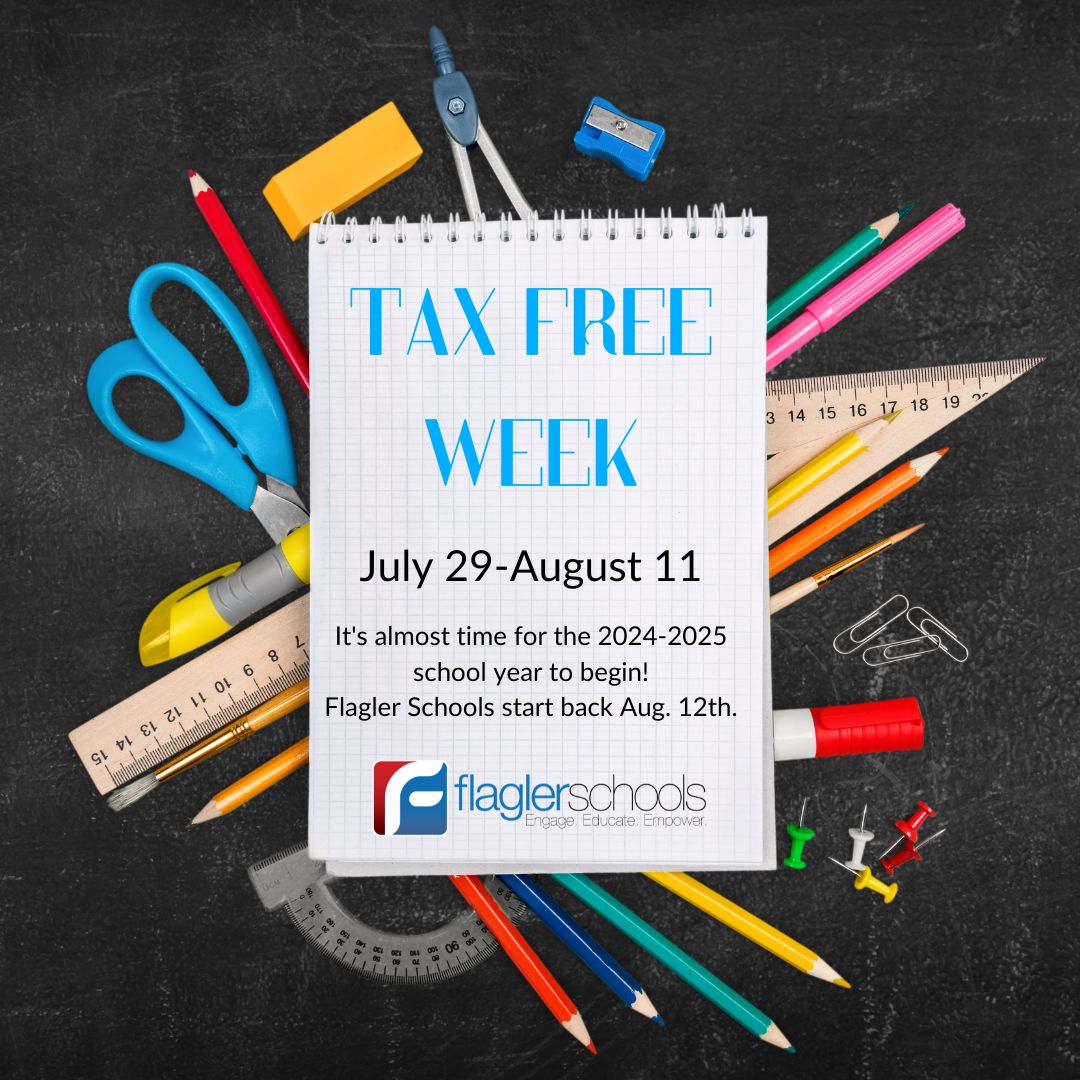
During Florida’s “Freedom Week” sales tax holiday, the primary focus is on making back-to-school shopping and general clothing and footwear purchases more affordable. Eligible items generally include:
- Clothing and Footwear: Any article of clothing or a pair of shoes priced at less than $100 is exempt from sales tax. This broad category encompasses shirts, pants, dresses, shorts, skirts, socks, underwear, jackets, coats, hats, gloves, and most types of footwear. The intent is to allow individuals and families to purchase everyday apparel and essential clothing items without the added burden of sales tax.
- School Supplies: Items commonly used for educational purposes by students are also tax-free. This typically includes tangible personal property selling for less than $15 per item. Examples include notebooks, pencils, pens, erasers, rulers, crayons, markers, folders, binders, backpacks, and calculators. The definition of “school supplies” is generally quite inclusive to support students across various grade levels.
- Personal Educational Computers and Accessories: Computers and related accessories purchased for non-commercial use are also often included. This may extend to personal computers, tablets, and related peripherals like keyboards and mice, provided they meet specific price limitations, often set at $1,000 per item. This provision aims to make educational technology more accessible to students and families.
It is crucial to note that certain items, even if used for school, may not qualify. For instance, items for use in a trade or business, or items costing more than the specified price limits, will be subject to sales tax. Always consult the official Florida Department of Revenue guidelines for the most comprehensive and up-to-date list of eligible items and their corresponding price caps.
Items Covered by Other Specialized Holidays
Beyond the broad “Freedom Week,” Florida offers other sales tax holidays that target specific consumer needs and promote safety and sustainability. These holidays have distinct lists of eligible items:
- Disaster Preparedness Sales Tax Holiday: This crucial holiday allows Floridians to prepare for potential natural disasters like hurricanes. Eligible items include portable generators priced at $1,000 or less, self-powered lights, battery-powered radios, and other emergency supplies such as tarps, batteries, and duct tape, typically with individual item price caps of $100 or less, and even higher caps for some specific items like generators. The aim is to make essential safety equipment more affordable for residents.
- Energy Star Sales Tax Holiday: This initiative encourages the purchase of energy-efficient products. During this period, consumers can purchase qualifying Energy Star-rated appliances and related items tax-free. This often includes refrigerators, air conditioners, water heaters, and lighting fixtures that meet specific Energy Star efficiency standards. The price caps for these items are generally higher, reflecting the cost of such appliances, often ranging from $1,000 to $1,500 or more per item, depending on the product category.
These specialized holidays provide valuable opportunities to invest in home safety and reduce long-term energy costs without the immediate burden of state sales tax.
Maximizing Savings: Tips for Florida’s 2024 Tax-Free Weekend
To make the most of Florida’s 2024 Tax-Free Weekend, strategic planning is essential. Start by creating a detailed shopping list of items you need, referencing the official list of eligible goods provided by the Florida Department of Revenue. This will help you stay focused and avoid impulse purchases of non-exempt items. Researching prices at various retailers beforehand, including local stores in cities like Miami, Orlando, and Tampa, can ensure you’re getting the best deals. Consider visiting large retailers like Target or Walmart, which often have extensive selections of eligible items. Many businesses also offer additional discounts or promotions during the tax-free period, so keep an eye out for store flyers and online ads. If you’re shopping for back-to-school items, coordinating with other parents for bulk purchases or sharing information about deals can further enhance your savings. Remember to check the specific price limits for individual items, as exceeding these caps will result in sales tax being applied to that item. By being prepared and informed, you can significantly reduce your expenses during this popular shopping event.
Planning Your Shopping List
A well-organized shopping list is the cornerstone of a successful Tax-Free Weekend experience. Before the official dates arrive, take stock of your needs. For families preparing for school, this means reviewing your child’s supply list from their teacher. Beyond the classroom, consider essential clothing items you might need to replace or update. This could include everyday wear, athletic apparel, or even professional attire for adults. For the “Freedom Week” holiday, pay close attention to the individual item price limits – typically $100 for clothing and footwear, and $15 for school supplies. This means that while you can buy multiple items under these thresholds, any single item exceeding them will be taxed. For example, a designer handbag priced at $150 would not be tax-free, but a pair of shoes for $90 would be. Similarly, a high-end laptop might exceed the price limit for educational computers, so double-checking these figures against the official Florida Department of Revenue guidelines is paramount. Creating a spreadsheet or a digital list with item categories, potential retailers, and estimated prices can streamline your shopping trip.
Researching Retailers and Promotions
While the state provides the tax exemption, retailers often leverage the Tax-Free Weekend to attract shoppers with their own special offers. Researching various retailers in advance can lead to significant additional savings beyond just the sales tax reduction. Major department stores like Macy’s and Belk, as well as discount retailers like Dollar General and Five Below, are likely to have extensive selections of qualifying items. Online retailers, such as Amazon, often adjust their pricing or offer specific deals during this period, although it’s crucial to confirm that the items are shipped from and sold by Amazon directly or a verified seller to ensure the tax exemption is applied correctly at checkout. Local boutiques and specialty stores might also participate with unique promotions. Keep an eye on store websites, social media pages, and weekly ads for announcements regarding discounts on eligible items, bundled offers, or even loyalty program bonuses that can further enhance your savings.
Understanding Price Limitations and Bundled Items
A critical aspect of maximizing savings during Florida’s Tax-Free Weekend is a thorough understanding of price limitations and how they apply to bundled items. For the “Freedom Week” sales tax holiday, the exemption generally applies to:
- Clothing and footwear costing less than $100 per item.
- School supplies costing less than $15 per item.
- Personal educational computers and their accessories costing less than $1,000 per item.
It’s important to note that “item” refers to a single, distinct product. If an item is sold as part of a set or bundle, the tax exemption typically applies to the price of the entire bundle if it falls within the specified limits. For example, a backpack with a pencil case and ruler included might be considered a single item. However, if a retailer attempts to sell multiple distinct items (e.g., two pairs of shoes) as a single “bundle” to circumvent individual price limits, this may not be permissible. Always clarify with the retailer how they are applying the tax exemption to bundled products. Furthermore, if an item exceeds the price limit (e.g., a pair of shoes costing $110), the entire item is subject to sales tax; you do not receive a partial exemption for the first $100. Paying close attention to these nuances will prevent any unwelcome surprises at the checkout counter and ensure you are fully benefiting from the tax savings.
LifeOutOfTheBox is a participant in the Amazon Services LLC Associates Program, an affiliate advertising program designed to provide a means for sites to earn advertising fees by advertising and linking to Amazon.com. Amazon, the Amazon logo, AmazonSupply, and the AmazonSupply logo are trademarks of Amazon.com, Inc. or its affiliates. As an Amazon Associate we earn affiliate commissions from qualifying purchases.