
Boston, a city steeped in history, renowned for its prestigious universities, vibrant culture, and charming cobblestone streets, frequently appears on travelers’ must-visit lists. As with any major urban center, a common and crucial question for prospective visitors and new residents alike is: “Is Boston a safe city?” The answer, in short, is generally yes, but with the nuances and advisories typical of any bustling metropolis. While no city is entirely crime-free, Boston consistently ranks among the safer large cities in the United States, particularly for tourists sticking to well-trodden paths. This comprehensive guide will delve into Boston’s safety profile, exploring crime statistics, specific neighborhoods, transportation, and offering practical advice to ensure your visit is not only memorable but also secure.

Understanding Boston’s Safety Profile
To truly grasp Boston’s safety, it’s essential to look beyond anecdotal evidence and examine the data, as well as understand how perception can sometimes differ from reality. The city’s commitment to public safety is evident in its well-regarded law enforcement and community-focused initiatives.
Crime Statistics: A Deeper Dive
When evaluating urban safety, crime statistics are often the first point of reference. Boston has shown a remarkable trend in crime reduction over the past few decades, aligning with a national decline in many categories. According to data from the Boston Police Department and the FBI, Boston’s violent crime rates are significantly lower than the national average for cities of comparable size. For instance, violent crime in Boston typically registers at a fraction of what’s seen in cities like Chicago, Los Angeles, or New York City.
Property crime, while higher than violent crime (as is common everywhere), also remains at manageable levels. The most common types of crime visitors might encounter are petty theft, pickpocketing, or car break-ins, especially in crowded tourist areas or if valuables are left visible in vehicles. These are opportunistic crimes, preventable with basic precautions. The city actively works to address these issues through increased patrols in high-traffic zones and public awareness campaigns. It’s also worth noting that a significant portion of crimes, particularly serious ones, tend to be concentrated in specific neighborhoods that are not typically frequented by tourists. This geographical distribution means that the average visitor enjoying Boston’s attractions is highly unlikely to experience any serious incidents.
Perception vs. Reality: Boston’s Reputation
The perception of a city’s safety can sometimes be influenced by outdated information or media portrayals. For many, Boston might still evoke images from its grittier past. However, the modern Boston is a far cry from that era. Extensive urban revitalization projects, coupled with a strong emphasis on community policing and neighborhood development, have transformed the city into a much safer and more welcoming place.
Residents often express a strong sense of safety and community, even in areas that were once considered less desirable. The city’s compact nature and dense population contribute to a feeling of ‘eyes on the street,’ making public spaces generally vibrant and well-monitored. This shift in reality has perhaps not fully caught up with public perception in all corners, but those who visit or reside in Boston quickly realize it’s a very livable and secure environment. For tourists, this means they can explore historical sites, cultural institutions, and diverse neighborhoods with a high degree of confidence, knowing that the city prioritizes their well-being. The omnipresent university presence, with campuses like Harvard University and the Massachusetts Institute of Technology nearby in Cambridge, also contributes to a generally educated and civically engaged population that often translates to safer public spaces.
Navigating Boston: Safe Neighborhoods and Transit
A key aspect of staying safe in any city is understanding its layout and how to move around confidently. Boston’s distinct neighborhoods each offer a unique charm, and its public transportation system is generally reliable.
Top Tourist Areas and Their Safety
Most of Boston’s main attractions are clustered in areas known for their safety and high foot traffic. These neighborhoods are well-lit, frequently patrolled, and filled with both locals and tourists, creating a lively and secure atmosphere.
- Beacon Hill: With its picturesque streets, gas lamps, and historic homes, Beacon Hill is one of Boston’s safest and most charming neighborhoods. It’s primarily residential, and crime is exceptionally low. Visitors can comfortably stroll along its quaint streets, admiring the architecture, even after dark.
- Back Bay: Home to upscale boutiques on Newbury Street, beautiful Victorian brownstones, and iconic landmarks like the Boston Public Library, Back Bay is an incredibly safe and affluent area. It’s bustling during the day and remains active and well-patrolled into the evening.
- North End: Boston’s historic Italian quarter is famous for its delicious food and vibrant atmosphere. Despite its narrow, winding streets, the North End is very safe, especially given the constant presence of diners, residents, and visitors. The community pride here contributes to a watchful environment.
- Seaport District: This rapidly developing area is modern, clean, and extremely safe. With new hotels, restaurants, and businesses, the Seaport District is a hub of activity day and night, making it a comfortable place for leisure or business travelers.
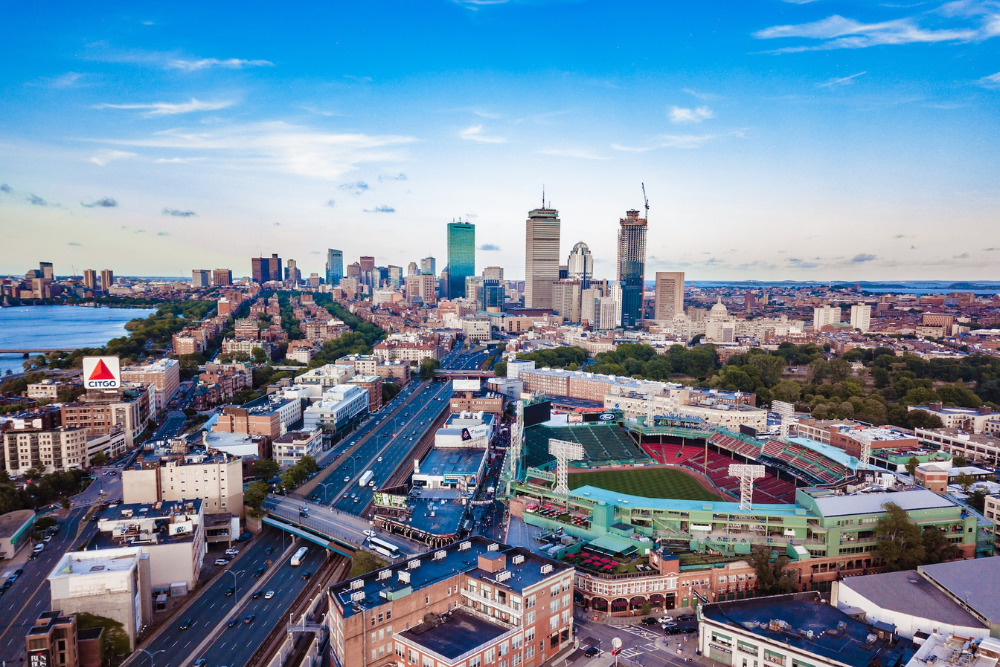
- Fenway-Kenmore: Centered around Fenway Park, this area is lively, especially on game days. It’s generally safe, with a mix of residential buildings, university campuses, and entertainment venues. Crowds ensure a public presence, enhancing safety.
- Financial District and Downtown Crossing: These areas are busy during the day with office workers and shoppers. While they can become quieter at night, particularly the Financial District, they are still well-trafficked and monitored.
- South End: Known for its artistic community, Victorian architecture, and diverse culinary scene, the South End is largely safe and appealing. It has a strong community feel, and residents often look out for one another.
- Charlestown: Home to the USS Constitution and Bunker Hill Monument, Charlestown is a historic and generally safe residential neighborhood. It offers charming streets and waterfront views.
- Chinatown: As one of the most vibrant ethnic enclaves in New England, Chinatown is a bustling area filled with restaurants and shops. It is safe, particularly during the day and early evening when most activities occur.
Landmarks like the Freedom Trail, Boston Common, Public Garden, Faneuil Hall Marketplace, Quincy Market, Paul Revere House, Old North Church, Museum of Fine Arts, Isabella Stewart Gardner Museum, Museum of Science, New England Aquarium, Boston Tea Party Ships & Museum, and TD Garden are all situated within these generally safe and well-trafficked areas, ensuring a secure tourist experience.
Using Public Transportation Safely
Boston’s public transportation system, operated by the MBTA (colloquially known as “The T”), is an efficient way to get around the city and is generally considered very safe. It includes subway lines, commuter rail, buses, and ferries.
- Daytime Travel: During the day, The T is very safe and reliable. Stations are often busy, and trains and buses are typically clean and well-maintained.
- Evening/Night Travel: While generally safe, exercising more awareness is advisable when traveling alone late at night, especially on less crowded lines or at quieter stations. Stick to well-lit areas, wait for trains in visible spots, and avoid displaying expensive electronics. It’s rare to encounter serious issues, but opportunistic petty crime can sometimes occur, similar to any major transit system globally.
- Commuter Rail: The commuter rail, which serves suburban areas around Boston, is also very safe and primarily used by commuters.
- Buses and Ferries: These modes of transport are equally safe and provide excellent ways to see different parts of the city and its waterfront.
- Ride-Sharing and Taxis: Ride-sharing services like Uber and Lyft, as well as traditional taxis, are readily available throughout Boston and are excellent safe alternatives, particularly for late-night travel or when carrying luggage. Always verify your driver and vehicle before getting in.
Areas Where Caution is Advised
While the vast majority of Boston is safe, like any large city, certain neighborhoods have higher crime rates and are not typically tourist destinations. These include parts of Roxbury, Dorchester, and Mattapan. It’s important to stress that even within these areas, many sections are perfectly fine, residential, and welcoming. However, as a visitor, there’s little reason to venture into these specific, less-touristy zones, especially after dark. If you find yourself in an unfamiliar area, trust your instincts. If a street or situation feels uncomfortable, it’s always best to turn around, seek a more populated area, or use a ride-sharing service. Staying aware of your surroundings and avoiding secluded areas at night are universal safety rules that apply here as well. Notably, nearby communities like Cambridge, Somerville, and Brookline are also very safe and popular for residents and visitors.
Safety for Every Traveler
Different types of travelers might have unique safety concerns. Boston is generally accommodating for all, but specific tips can enhance security for solo adventurers, families, and those enjoying the city’s nightlife.
Solo Travel in Boston
Boston is an excellent city for solo travelers, largely due to its compact size, walkability, and robust public transport. Many attractions, museums, and historical sites are easily accessible, making it simple to explore independently.
- Daytime Exploration: Solo travelers can confidently navigate popular areas like the Freedom Trail, explore museums, and enjoy parks without significant concerns.
- Evening Activities: When going out alone at night, stick to well-populated and well-lit areas, particularly in neighborhoods known for their nightlife like Fenway-Kenmore, Back Bay, or the Seaport District. Inform someone of your plans, and consider using ride-sharing services or taxis to get back to your accommodation after dark.
- Accommodation: When booking hotels or apartments, choose reputable establishments in well-regarded neighborhoods. Read reviews specifically for solo traveler experiences. Many hotels in Boston are accustomed to solo business and leisure travelers and offer secure environments.
Family Travel Considerations
Families visiting Boston will find it a very family-friendly and safe destination. The city offers numerous attractions suitable for all ages, and public spaces are generally welcoming.
- Kid-Friendly Zones: Areas like the Boston Common, Public Garden (with its Swan Boats), New England Aquarium, and the Museum of Science are not only engaging but also very safe for families.
- Staying Together: In crowded areas like Faneuil Hall Marketplace or during major events, it’s crucial to keep children close. Consider having a plan in case a child gets separated, such as a designated meeting point or ensuring children know a hotel’s name and address.
- Stroller Accessibility: While many parts of Boston are walkable, some of the historic streets (especially in the North End or Beacon Hill) can be cobblestoned and challenging for strollers. The MBTA is generally accessible, but some older stations may lack elevators. Planning routes in advance can help.
- Emergency Contacts: Ensure children know how to contact you or a local emergency number (911 in the United States) if necessary.
Nightlife and Evening Safety
Boston boasts a dynamic nightlife, from historic pubs to modern lounges and live music venues. Enjoying the city after dark is generally safe, especially with a few precautions.
- Group Outings: If possible, go out with friends or in a group. There’s safety in numbers.
- Responsible Drinking: Drink responsibly and always keep an eye on your beverage. Avoid accepting drinks from strangers.
- Transportation After Dark: Use reputable ride-sharing services or licensed taxis when returning to your accommodation, particularly if you’re traveling a long distance or are out late. Confirm the driver and vehicle before entering.
- Awareness: Maintain situational awareness, especially when walking alone at night. Stick to well-lit, busy streets. Avoid shortcuts through dark alleys or parks.
- Neighborhoods for Nightlife: Popular and generally safe areas for nightlife include Fenway-Kenmore (especially around Landsdowne Street), Seaport District, and parts of Downtown and the North End.
Essential Safety Tips for Your Boston Visit
While Boston is safe, adhering to general travel safety practices will always enhance your experience and minimize potential risks.
Protecting Your Valuables and Avoiding Petty Crime
- Be Mindful in Crowds: Pickpocketing can occur in crowded tourist areas like Faneuil Hall Marketplace, Quincy Market, or on busy subway lines. Keep wallets in front pockets, use cross-body bags, and avoid flashing large amounts of cash or expensive jewelry.
- Secure Your Belongings: Never leave bags unattended. When dining, keep your bag on your lap or hooked to your chair, not on the floor or the back of a chair.
- ATM Safety: Use ATMs during the day in well-lit, busy areas. Be aware of your surroundings, and shield your PIN. Avoid using standalone ATMs in isolated locations at night.
- Car Safety: If you’re driving, always lock your car and remove all valuables from sight, or better yet, take them with you. Car break-ins, while not rampant, are opportunistic.
- Hotel Room Security: Use in-room safes for passports, extra cash, and other valuables. Ensure your hotel room door is securely locked when you leave and when you are inside.
Staying Aware and Prepared
- Situational Awareness: Always be aware of your surroundings. Avoid distractions like constantly looking at your phone, especially when walking or using public transport.
- Trust Your Instincts: If a situation or person makes you feel uneasy, remove yourself from it. Your gut feeling is often a good indicator of potential trouble.
- Emergency Contacts: Program local emergency numbers (911 in the United States) into your phone. Know your embassy or consulate’s contact information if you are an international traveler.
- Map and Navigation: Familiarize yourself with your route before heading out, even if using GPS. This makes you look less like a lost tourist and less of a target. Having a physical map as a backup can also be helpful.
- Official Sources: For current safety advisories or local news, refer to official Boston Police Department channels or reputable local news outlets.
What to Do in an Emergency
- Dial 911: For any immediate threat, medical emergency, or crime in progress, call 911. This connects you to police, fire, and ambulance services.
- Non-Emergency Police: For non-emergency situations (e.g., reporting a stolen item after the fact), you can contact the local Boston Police Department precinct directly or use their non-emergency line.
- Seek Help: If you feel unsafe, approach a police officer, security guard, or enter a busy store or restaurant to ask for assistance.
- Report Suspicious Activity: If you observe anything suspicious, report it to the authorities. “See Something, Say Something” is a common safety mantra.
In conclusion, Boston is indeed a safe city, particularly for tourists and those visiting its popular attractions and neighborhoods. Its charming historical sites, world-class dining, and vibrant cultural scene can be explored with confidence. By exercising common-sense urban precautions, maintaining situational awareness, and being mindful of your belongings, you are set to have a fantastic and secure experience in this jewel of New England. Enjoy your travels!
LifeOutOfTheBox is a participant in the Amazon Services LLC Associates Program, an affiliate advertising program designed to provide a means for sites to earn advertising fees by advertising and linking to Amazon.com. Amazon, the Amazon logo, AmazonSupply, and the AmazonSupply logo are trademarks of Amazon.com, Inc. or its affiliates. As an Amazon Associate we earn affiliate commissions from qualifying purchases.