
The allure of Florida is undeniable. Its sun-drenched beaches, vibrant theme parks, and crystal-clear waters draw millions of visitors each year, seeking everything from relaxing escapes to exhilarating adventures. Whether you’re planning a romantic getaway to Miami, a family-focused trip to Orlando with its world-renowned attractions, or a serene retreat along the Gulf Coast, the Sunshine State offers an unparalleled vacation experience. However, any seasoned traveler knows that planning a trip involves more than just booking flights and securing the perfect accommodation. Understanding the local environment and its potential influences is crucial for an optimal experience. One such environmental phenomenon that can significantly impact a Florida vacation is the occurrence of red tide.

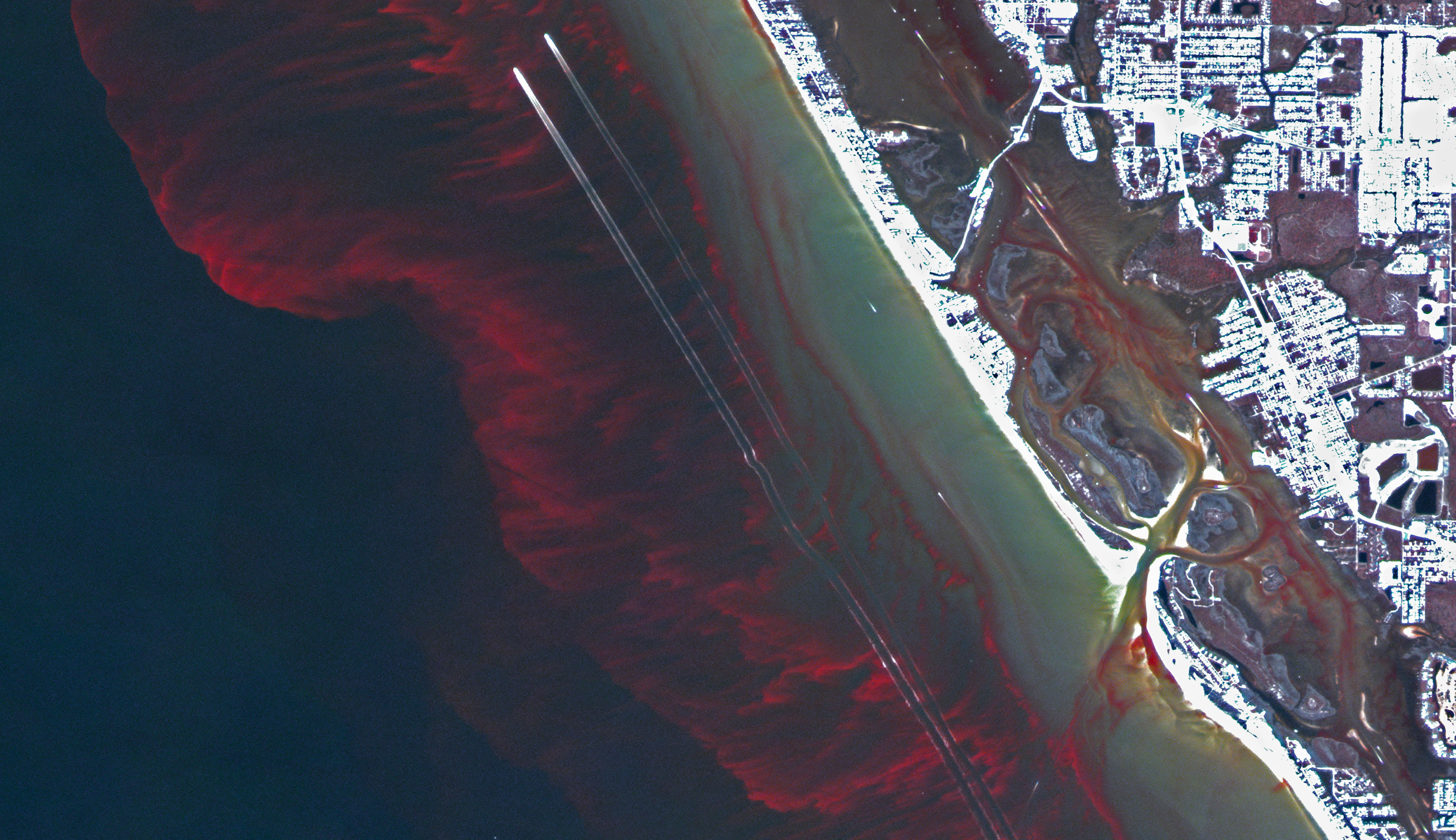
Red tide, a common term for harmful algal blooms (HABs), is a natural occurrence in Florida‘s coastal waters. These blooms are caused by a rapid increase in the population of certain microscopic algae, most notably Karenia brevis. While these organisms are naturally present in the Gulf of Mexico, under specific conditions, they can proliferate dramatically, leading to a visible discoloration of the water – often appearing reddish or brownish – and a host of environmental and economic impacts. For tourists, understanding when and where red tide is most likely to occur is paramount to avoiding disappointment and ensuring a safe and enjoyable trip. This article aims to demystify the red tide phenomenon in Florida, providing insights into its seasonality, geographical prevalence, and how it might affect your travel plans.
Understanding the Red Tide Phenomenon
What is Red Tide?
Red tide is not a single event but rather a recurring natural phenomenon. It’s characterized by an overpopulation of microscopic algae, primarily Karenia brevis, in marine waters. These single-celled organisms are photosynthetic, meaning they rely on sunlight to survive. When conditions are favorable, their numbers can explode, leading to what we commonly refer to as a red tide. The “red” in red tide is a misnomer for some blooms, as the water discoloration can range from brown and green to no visible change at all. The most significant impacts stem not from the color, but from the toxins these algae can produce.
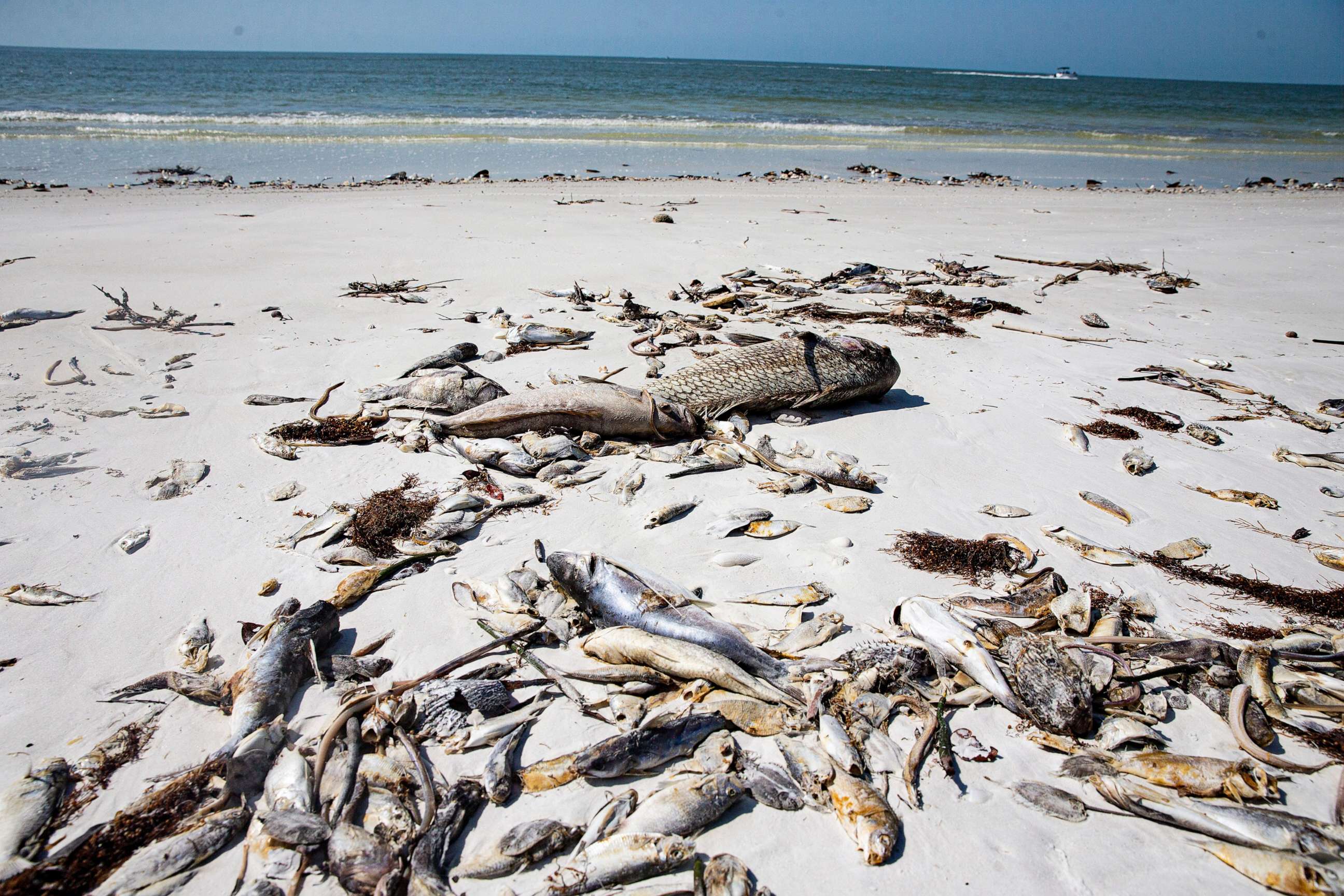
Karenia brevis releases potent neurotoxins that can accumulate in shellfish, making them unsafe for consumption. These toxins can also become airborne, especially when agitated by waves and wind, causing respiratory irritation in humans and marine life. The sheer density of these algae can also deplete oxygen in the water, leading to fish kills, which are often a stark indicator of a significant red tide event.
Factors Influencing Red Tide Blooms
The occurrence of red tide is a complex interplay of environmental factors. While the exact triggers are still a subject of ongoing scientific research, several key elements are known to contribute to the development and persistence of these blooms:
- Nutrients: While Karenia brevis is not solely dependent on nutrient pollution, increased nutrient levels, often from agricultural runoff, wastewater discharge, or sewage spills, can exacerbate blooms. These nutrients act as fertilizers, providing sustenance for the algae to multiply.
- Water Temperature: Warmer water temperatures generally favor algal growth. Florida‘s subtropical climate provides an ideal environment for these organisms to thrive, especially during warmer months.
- Ocean Currents and Upwelling: Currents play a significant role in the movement and concentration of algal blooms. Upwelling, where deeper, nutrient-rich waters rise to the surface, can also provide the necessary ingredients for a bloom to flourish.
- Salinity: The salinity of the water is another factor. Karenia brevis prefers a specific salinity range, and fluctuations can influence its growth and distribution.
- Sunlight: As photosynthetic organisms, adequate sunlight is essential for the survival and proliferation of these algae.
Understanding these factors helps to explain why red tides are not static events but dynamic occurrences that can shift in intensity and location.
When and Where Does Red Tide Occur in Florida?
Predicting the exact timing and location of red tide blooms in Florida is challenging due to the complex environmental factors involved. However, there are general patterns and historical data that can provide valuable insights for travelers.
Seasonality of Red Tide
Historically, red tide blooms in Florida have been observed year-round, but they tend to be more frequent and severe during the warmer months.
- Late Summer and Fall (August – November): This period is often considered the peak season for red tide in Florida, particularly along the Gulf Coast. The combination of warmer water temperatures, increased sunlight, and potentially nutrient influx from hurricane season runoff can create ideal conditions for blooms to develop and persist. Visitors planning trips to destinations like Sarasota, Fort Myers, Naples, or Clearwater during these months should be particularly aware of potential red tide impacts.
- Winter and Spring (December – May): While less common than in the fall, red tide can still occur during these cooler months. Blooms that began in the fall may linger, or new, less intense blooms can emerge. The Florida Panhandle and the Atlantic coast can sometimes experience these blooms, although they are historically more prevalent on the Gulf side.
It’s crucial to note that these are general trends, and actual bloom occurrences can vary significantly year to year. Some years may experience severe, widespread blooms, while others may have minimal or no significant activity.
Geographical Prevalence
The Gulf Coast of Florida is the region most frequently affected by red tide. The calmer, shallower waters of the Gulf of Mexico provide a more stable environment for Karenia brevis to bloom compared to the more turbulent Atlantic coast.
- Southwest Florida: This region, encompassing areas like Sarasota, Lee County (including Fort Myers and Sanibel Island), and Collier County (including Naples), has historically seen some of the most significant and persistent red tide events. Beaches in these popular tourist destinations can be directly impacted by the bloom’s presence, with potential for respiratory irritation and beach closures.
- Central Gulf Coast: Areas further north along the Gulf, such as Tampa Bay (including Clearwater and St. Petersburg), can also experience red tide. The severity and duration of blooms in this region can vary, but it’s an area to monitor if planning a visit.
- Florida Panhandle: While less common, red tide can occasionally reach the Florida Panhandle. Bloom movements are influenced by currents, and there have been instances where these blooms have extended westward.
- Atlantic Coast: Red tide is relatively rare on Florida‘s Atlantic coast. The oceanographic conditions, including stronger wave action and different current patterns, generally do not favor the formation of extensive Karenia brevis blooms. However, isolated occurrences or impacts from blooms moving around the tip of Florida cannot be entirely ruled out.
Monitoring Red Tide
The Florida Fish and Wildlife Conservation Commission (FWC) actively monitors red tide conditions throughout the state. Their Red Tide Respiratory Forecast and Red Tide Current Status reports are invaluable resources for travelers. These reports provide real-time updates on bloom locations, concentrations, and potential impacts, allowing visitors to make informed decisions about their travel plans. Websites like MyFWC.com offer interactive maps and detailed information that can help travelers ascertain the current status of red tide in their intended destination.
Planning Your Florida Trip with Red Tide in Mind
While the prospect of red tide might seem daunting, it doesn’t have to derail your Florida vacation. With a little foresight and flexibility, you can still enjoy the beauty and excitement the Sunshine State has to offer.
Choosing Your Destination and Timing
- Consider the Season: If you’re particularly sensitive to respiratory irritants or want to avoid potential disruptions, consider traveling to Florida outside of the peak red tide season (late summer and fall). Spring and early summer often offer excellent weather with a lower likelihood of significant red tide impacts.
- Gulf vs. Atlantic: If avoiding red tide is a top priority, consider focusing your trip on Florida‘s Atlantic coast. While not entirely immune, it is far less prone to severe red tide events than the Gulf Coast. Destinations like Palm Beach, Fort Lauderdale, or the Florida Keys might be safer bets during peak red tide periods.
- Stay Updated: Before and during your trip, make it a habit to check the FWC‘s red tide reports. Conditions can change rapidly, and a bloom that was present a week ago might have dissipated, or a new one might have emerged.
Adapting Your Itinerary
- Beach Activities: If red tide is present in your chosen beach destination, you might need to adjust your beach plans. While swimming might be ill-advised due to potential skin irritation and respiratory issues, many beaches are still enjoyable for walking, sunbathing, or simply enjoying the scenery from a distance.
- Inland Attractions: Florida boasts a wealth of inland attractions that are completely unaffected by red tide. World-class theme parks like Walt Disney World and Universal Orlando Resort in Orlando, the Everglades National Park, the historic cities of St. Augustine or Gainesville, and numerous museums and art galleries offer fantastic alternatives for a day out.
- Boat Tours and Water Activities: Many boat tours, fishing charters, and dolphin-watching excursions can still be enjoyable even when red tide is present. Operators often navigate to areas less affected by the bloom or focus on the open ocean where toxins are more dispersed. It’s always best to communicate with your tour provider to understand current conditions.
Accommodation and Local Tips
When booking your accommodation, consider its proximity to the water and any potential amenities that might enhance your stay regardless of beach conditions.
- Resorts and Hotels: Many resorts and hotels in Florida, particularly those along the coast, offer excellent facilities like swimming pools, spas, and on-site dining. These can provide ample entertainment and relaxation options if beach access is limited due to red tide. Properties like the Ritz-Carlton, Naples or the Don CeSar in St. Pete Beach offer luxurious experiences that can transcend beach conditions.
- Long-Term Stays: For longer visits, having a variety of activities planned is even more crucial. Consider a mix of beach days (when conditions permit) and inland excursions. Local tourism boards and visitor centers are excellent sources of up-to-date information on local conditions and alternative activities.
- Health Precautions: If you have pre-existing respiratory conditions such as asthma or emphysema, be extra cautious if red tide is present. Staying indoors, using air conditioning with good filtration, and avoiding areas with visible dead fish can help minimize exposure to airborne toxins. Local news outlets and FWC reports will often provide guidance on safety measures.
Understanding the Economic Impact
It’s also important to acknowledge that red tide can have a significant economic impact on Florida‘s coastal communities, which rely heavily on tourism and fishing. Businesses, from beachfront hotels and restaurants to charter fishing operations, can suffer during severe red tide events. Supporting local businesses during these challenging times, where appropriate and safe, can be a way for visitors to contribute to the resilience of these communities.
In conclusion, while the presence of red tide in Florida is a natural phenomenon that warrants consideration during travel planning, it is not an insurmountable obstacle. By staying informed, being flexible, and exploring the diverse array of attractions Florida has to offer beyond its stunning beaches, visitors can still experience a memorable and enjoyable vacation. The Sunshine State’s vibrant culture, thrilling entertainment, and natural beauty are abundant, ensuring that even with the occasional red tide, a trip to Florida can be a truly enriching experience.
LifeOutOfTheBox is a participant in the Amazon Services LLC Associates Program, an affiliate advertising program designed to provide a means for sites to earn advertising fees by advertising and linking to Amazon.com. Amazon, the Amazon logo, AmazonSupply, and the AmazonSupply logo are trademarks of Amazon.com, Inc. or its affiliates. As an Amazon Associate we earn affiliate commissions from qualifying purchases.