
Florida, often celebrated for its sun-drenched beaches, vibrant theme parks, and diverse cultural tapestry, is also a state where civic engagement plays a crucial role in shaping its future. For residents and those planning extended stays, understanding the electoral calendar is as important as knowing the best time to visit Orlando or which resort offers the most luxurious amenities. While the allure of Florida often conjures images of Miami’s nightlife or the serene landscapes of the Everglades, the act of voting is a fundamental aspect of its lifestyle and governance, impacting everything from local tourism initiatives to the preservation of its natural landmarks.
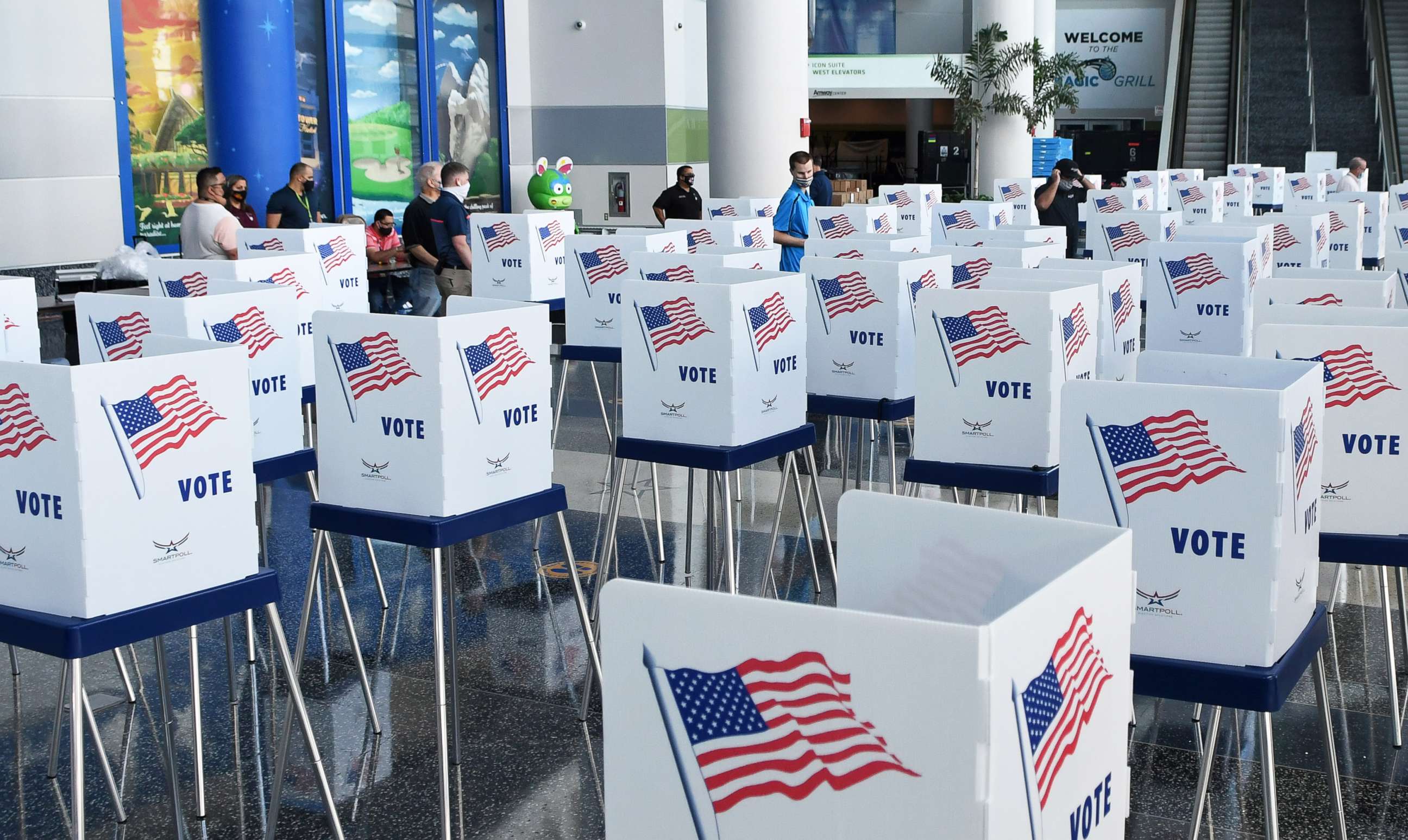
This guide aims to demystify the voting process in the Sunshine State, providing clarity on key dates, registration requirements, and how the electoral cycle intersects with the broader experiences of travel, accommodation, and lifestyle in Florida. Whether you’re a long-term resident, a seasonal visitor considering a longer stay, or simply a curious traveler keen to understand the local pulse, knowing when your vote can be cast is a vital piece of information.
Understanding Florida’s Electoral Landscape
Florida’s election schedule is governed by a combination of federal, state, and local regulations. The primary elections, where parties select their candidates, and general elections, where the public makes their final choices, occur at specific intervals. Understanding these cycles is key for anyone wishing to participate in shaping the political direction of cities like Tampa, counties, and the state as a whole.
Key Election Dates and Periods
The most significant dates on Florida’s electoral calendar are the Primary Election and the General Election. The General Election is held every even-numbered year on the first Tuesday after the first Monday in November. This is when federal, state, and local officials are elected. Prior to the General Election, voters participate in Primary Elections, which are typically held in late August. These elections narrow down the field of candidates for each political party.
Beyond these major dates, Florida also holds special elections to fill vacancies in legislative or congressional seats. These can occur at any time of the year, depending on the circumstances that create the vacancy. Local elections, such as those for city councils, mayors, and school boards, can also have their own schedules, sometimes coinciding with the state and federal elections, and at other times being held in different months. It is crucial for residents to be aware of these specific local election dates, as they often have a direct impact on community services and lifestyle.
Voter Registration: The Gateway to Participation
To cast a ballot in Florida, eligible citizens must be registered to vote. The deadline for voter registration is 29 days before any election. This means that if you are planning to vote in a specific election, you need to ensure your registration is completed well in advance of this deadline. For example, if a primary election is scheduled for August 20th, the registration deadline would be around July 22nd. Similarly, for a November General Election, the deadline would fall in early October.
Eligibility requirements include being a U.S. citizen, a resident of Florida, and at least 18 years old on Election Day. Additionally, individuals must have had their Florida rights restored if they have been convicted of a felony. Voter registration can be completed online through the Florida Department of State’s website, by mail, or in person at various county election offices, tax collector offices, public assistance offices, and some libraries. For those who frequently travel or have multiple residences within the state, ensuring their registration reflects their current, permanent Florida address is essential.
Voting Methods and Accessibility in Florida
Florida offers several convenient ways for registered voters to cast their ballots, catering to diverse lifestyles and preferences. These methods are designed to ensure that participating in elections is as accessible as possible, whether you are a permanent resident or a snowbird who spends part of the year in the state.
Early Voting: Flexibility for Busy Schedules
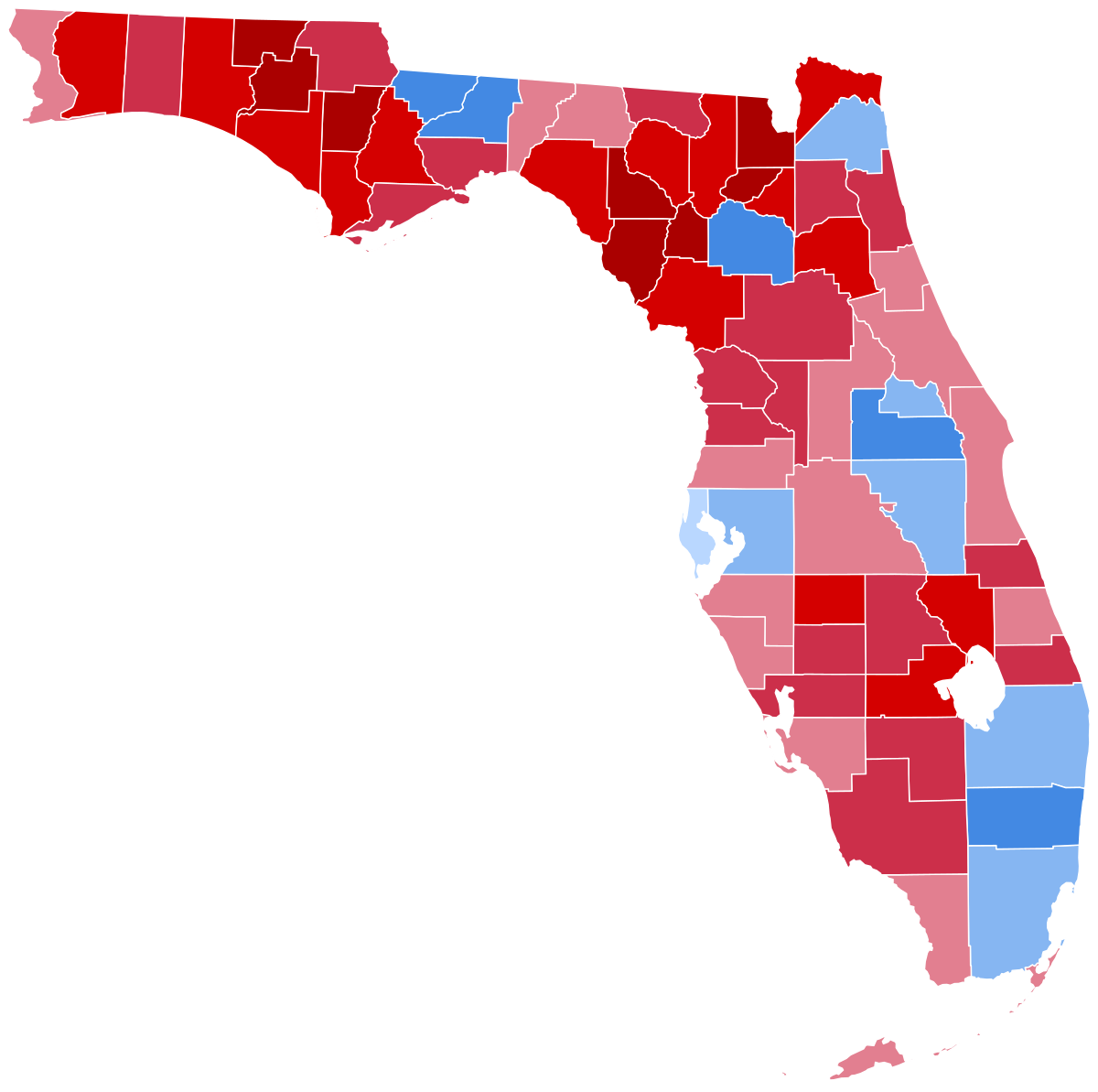
Early Voting is a popular option that allows registered voters to cast their ballots in person at designated early voting sites during a period before Election Day. The period for early voting is a minimum of 8 days, including the Saturday and Sunday before Election Day, and can last up to 15 days. The specific dates and hours for early voting are determined by each county’s Supervisor of Elections, but they typically commence 10 days prior to Election Day. This flexibility is invaluable for individuals who may be traveling for leisure, attending business stays, or simply have demanding work schedules that make voting on Election Day challenging. Early voting locations can often be found at county courthouses, libraries, or other public facilities, making them relatively accessible.
Vote-by-Mail: Convenience from Anywhere
The Vote-by-Mail ballot, often referred to as absentee voting, provides another layer of convenience. Any registered voter can request a vote-by-mail ballot for any election without needing to provide a reason. The request for a vote-by-mail ballot must be received by the Supervisor of Elections no later than 10 days before an election. Once received, the ballot can be completed and returned by mail or in person to the Supervisor of Elections office. The completed ballot must be received by the Supervisor of Elections no later than 7 p.m. on Election Day to be counted. This method is particularly beneficial for snowbirds who may have returned to their primary residence in another state but are still registered in Florida, or for anyone who prefers to vote from the comfort of their apartment or villa. It allows for careful consideration of candidates and issues without the time constraints of a polling place visit.
In-Person Voting on Election Day
For those who prefer the traditional method, In-Person Voting on Election Day remains a cornerstone of the electoral process. Polling places are open from 7 a.m. to 7 p.m. on Election Day. Voters are assigned to specific polling locations based on their registered address, and these are typically located at schools, community centers, or other public buildings. It is advisable for voters to check their assigned polling place in advance, especially if they are new to an area or have moved recently. The Supervisor of Elections website for each county provides resources to find polling locations and check registration status.
The Intersection of Travel, Tourism, and Civic Duty
Understanding Florida’s voting schedule can significantly influence travel plans and the overall experience of living or vacationing in the state. For instance, knowing that election periods might involve increased local civic activity or that registration deadlines loom can be factored into a decision about when to book a stay at a resort or plan a visit to a popular landmark.
Planning Around Election Cycles
For frequent travelers or those considering longer stays, particularly during the popular winter season, being aware of Florida’s election dates can be advantageous. If you are registered to vote in Florida and plan to be out of state during an election, utilizing the vote-by-mail option ensures your voice is still heard. Conversely, if you are considering establishing residency or a long-term stay, registering to vote within the 29-day window before an election is a key step in integrating into the local community. This civic participation can enrich the travel experience by fostering a deeper connection to the places visited and the people who call them home. It allows for a more nuanced appreciation of the local culture, which is a cornerstone of any enriching tourism experience.
The Impact of Local Elections on Destinations
Local elections can have a tangible impact on the very attractions and lifestyle that draw people to Florida. Decisions made by local officials can affect funding for landmarks, the development of new tourist attractions, the maintenance of public spaces, and even regulations concerning food establishments and entertainment venues. Understanding the local electoral calendar means understanding when these decisions are being made. For instance, a mayoral election in a popular tourist city like St. Augustine could influence the future direction of historic preservation efforts or the promotion of local festivals. Similarly, county-level elections can impact transportation infrastructure, which is vital for accessing diverse experiences across the state, from the theme parks of Central Florida to the beaches of the Florida Panhandle.
Engaging with Florida’s Lifestyle Through Voting
Participating in elections is an integral part of the lifestyle for residents, and for visitors who spend significant time in the state, it offers a unique way to engage with their temporary or future home. Whether you’re enjoying the luxury of a Four Seasons Hotel in Palm Beach or exploring the historical richness of Key West, your vote contributes to the community you are experiencing. It’s a way to have a stake in the places you visit, ensuring that the unique character and attractions of Florida are preserved and enhanced for both current and future generations. From budgeting for public parks to supporting local arts and culture, the choices made at the ballot box resonate throughout the state, shaping the very fabric of the Florida lifestyle.
In conclusion, while Florida is renowned for its captivating destinations and diverse attractions, understanding its voting schedule is a vital aspect of responsible residency and engaged travel. By staying informed about key dates, registration deadlines, and accessible voting methods, individuals can actively participate in shaping the future of the Sunshine State, ensuring that its vibrant tourism, welcoming accommodations, and distinctive lifestyle continue to thrive.
LifeOutOfTheBox is a participant in the Amazon Services LLC Associates Program, an affiliate advertising program designed to provide a means for sites to earn advertising fees by advertising and linking to Amazon.com. Amazon, the Amazon logo, AmazonSupply, and the AmazonSupply logo are trademarks of Amazon.com, Inc. or its affiliates. As an Amazon Associate we earn affiliate commissions from qualifying purchases.