
The elusive Florida panther, a magnificent subspecies of cougar, once roamed vast swathes of the Southeastern United States. Today, however, spotting one of these apex predators is an increasingly rare and precious experience. Their dwindling numbers and secretive nature make them one of the most endangered mammals in North America, a symbol of the wild heart of the Sunshine State. For nature enthusiasts and intrepid travelers, understanding where these magnificent cats can still be found is key to appreciating the ongoing conservation efforts and perhaps, with a great deal of luck, catching a glimpse of this iconic animal in its natural habitat.

The story of the Florida panther is one of remarkable resilience against overwhelming odds. Once numbering in the hundreds, their population plummeted due to habitat loss, hunting, and genetic bottlenecks. However, dedicated conservation initiatives, including habitat restoration and captive breeding programs, have helped stabilize their numbers in recent decades. While a full recovery is still a distant goal, the continued survival of the Florida panther is a testament to what can be achieved through concerted conservation action. Their presence, however localized, signifies a healthy ecosystem, a vital indicator for the well-being of Florida’s diverse natural landscapes.
Understanding the Florida Panther’s Habitat
The Florida panther’s survival is intrinsically linked to the preservation of its natural habitat. These large cats require extensive tracts of undeveloped land to roam, hunt, and raise their young. Historically, their territory encompassed much of the Southeastern United States, from Texas eastward to the Atlantic Coast and south through Florida. Today, their primary stronghold is the southwestern region of Florida, particularly the vast wilderness areas south of Lake Okeechobee.
Key Ecosystems Supporting Panther Survival
The critical habitats for the Florida panther can be broadly categorized into a few vital ecosystems, each offering unique resources and ecological niches. Understanding these environments is crucial for appreciating the challenges and triumphs of panther conservation.
The Everglades: A Crucial Refuge
The Everglades, a UNESCO World Heritage Site, represents one of the most important strongholds for the Florida panther. This vast, subtropical wetland ecosystem, often referred to as the “River of Grass,” provides an incredible diversity of prey species, including white-tailed deer and raccoons, which form a significant part of the panther’s diet. The dense vegetation offers ample cover for hunting and denning, while the network of marshes, swamps, and pinelands supports a healthy food web.
Within the Everglades, specific areas like Big Cypress National Preserve and Everglades National Park are particularly vital. These protected lands offer contiguous habitat, allowing panthers to move freely across large territories. The presence of freshwater sources is also a critical factor, especially during the dry season. Conservation efforts here focus on maintaining water flow, managing invasive species, and ensuring that human development does not fragment these essential panther corridors. The Ten Thousand Islands region, bordering the Gulf of Mexico, also provides valuable coastal habitat, with mangroves and coastal hammocks offering refuge and hunting grounds.
Pine Flatwoods and Hardwood Hammocks: Essential Hunting Grounds
Beyond the immediate Everglades, the panther’s habitat extends into the pine flatwoods and hardwood hammocks characteristic of southwestern Florida. Pine flatwoods, with their open canopy and understory of saw palmetto and other shrubs, provide excellent foraging opportunities for prey. The sandy soils here support diverse plant life, which in turn sustains a healthy population of deer and other game animals.
Hardwood hammocks, often found on slightly elevated mounds of land within the flatwoods, are dense stands of oak, palm, and other broadleaf trees. These areas offer crucial denning sites and shelter from the elements. They also serve as important travel routes and hunting grounds. Protecting these interspersed habitats is paramount, as they connect larger blocks of wilderness and allow panthers to move between different foraging areas. The Corkscrew Swamp Sanctuary and the Ding Darling National Wildlife Refuge are examples of protected areas that encompass these vital ecosystems, offering sanctuary for panthers and their prey.
The Importance of Habitat Corridors
A significant challenge for the Florida panther is the increasing fragmentation of its habitat due to urban development, agriculture, and infrastructure projects. Highways, in particular, pose a deadly threat, with many panthers succumbing to vehicle collisions. Therefore, the establishment and protection of habitat corridors are paramount. These are natural or restored areas of land that connect larger, isolated patches of habitat, allowing panthers to move safely between them for hunting, mating, and dispersing.
Organizations like the Florida Wildlife Federation and the National Wildlife Federation actively advocate for the creation and preservation of these corridors. The Conservation Collier program in Collier County, Florida, has been instrumental in acquiring and protecting land that serves as vital panther habitat and movement corridors. Understanding these corridors is not just about conservation; it can also inform travel routes for visitors hoping to explore the natural beauty of Florida while being mindful of wildlife.
Where to (Potentially) See a Florida Panther
The chances of a casual encounter with a Florida panther in the wild are extremely slim. These animals are masters of camouflage and are highly adept at avoiding human detection. Their behavior is primarily nocturnal and crepuscular (active at dawn and dusk), further reducing the likelihood of sightings. However, for those dedicated to the cause of wildlife observation and conservation, certain locations offer a higher probability, albeit still a low one, of experiencing a fleeting glimpse.
Prime Locations for Panther Observation
While direct sightings are rare, understanding where panthers are known to reside and travel can provide context for appreciating their presence in Florida’s wild spaces.
Big Cypress National Preserve
Big Cypress National Preserve is arguably the most important area for Florida panther research and conservation. This vast preserve, covering over 729,000 acres in southwestern Florida, is home to a significant portion of the panther population. Researchers have tracked and studied panthers here for decades, gaining invaluable insights into their behavior, diet, and habitat needs.
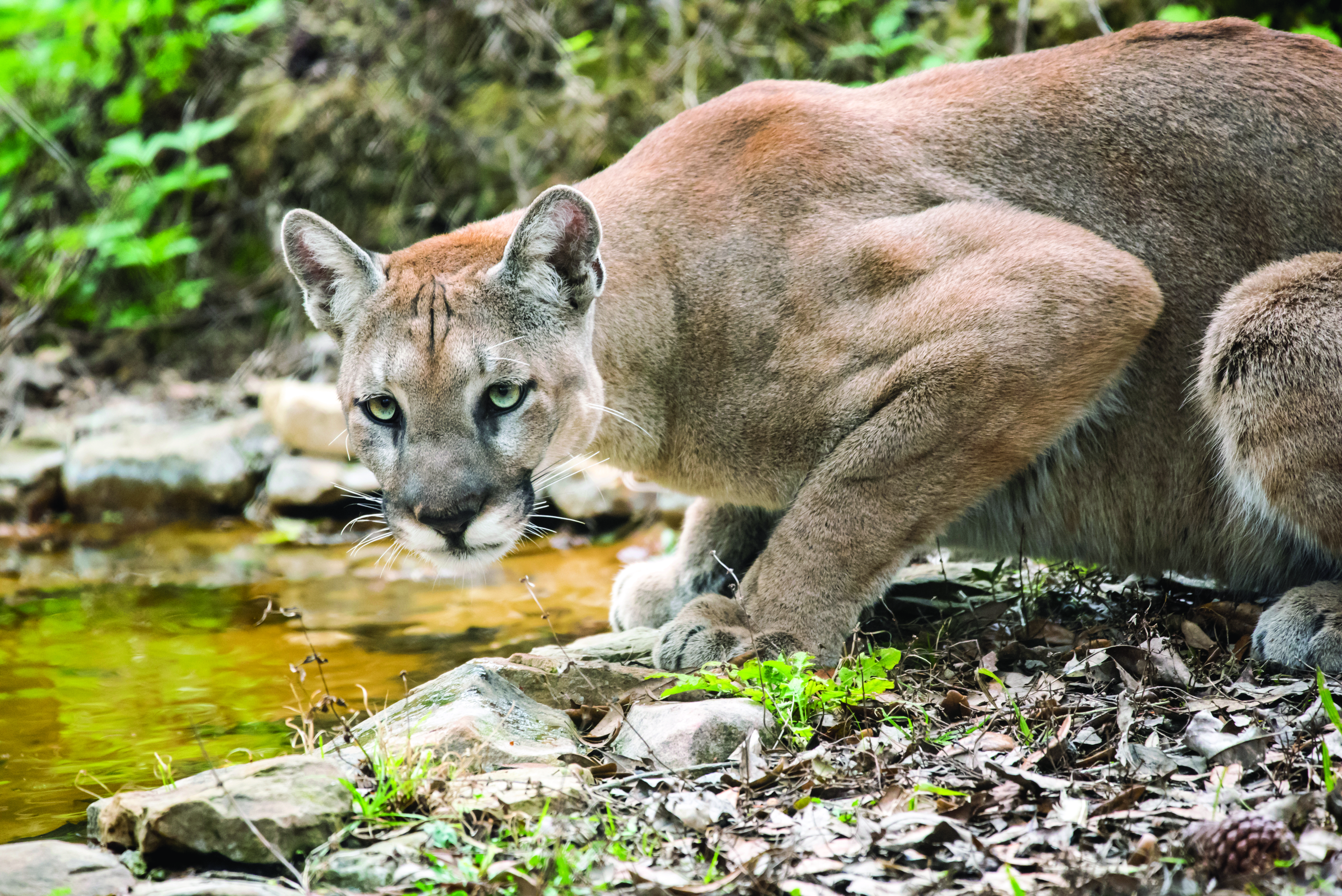
While there are no guaranteed viewing opportunities, areas within Big Cypress National Preserve that are known to have panther activity include the Tamiami Trail corridor and the more remote interior sections accessible via designated roads and trails. Guided tours led by experienced naturalists or rangers can sometimes enhance the experience, as they are trained to spot signs of wildlife, such as tracks, scat, or disturbed vegetation. Visiting during the less crowded seasons can also offer a more immersive experience in nature, increasing the feeling of being in panther territory.
Everglades National Park
As mentioned earlier, Everglades National Park is a critical habitat for the Florida panther. The park’s extensive wilderness areas, particularly south of the main visitor areas, are where panthers are most likely to be found. While traversing the main roads and popular trails, spotting a panther is highly improbable.
However, the park offers opportunities to explore the very ecosystems that sustain them. Activities like kayaking or canoeing through the mangrove tunnels and along the coastlines of the Ten Thousand Islands can provide a sense of the vastness of their territory. Hiking some of the more remote trails, always with caution and awareness of your surroundings, offers a deeper connection to the wild. The Anhinga Trail and the Gumbo Limbo Trail are excellent for observing other Florida wildlife like alligators, herons, and various bird species, which are part of the panther’s food web. Understanding these connections can enrich any visit.
Babcock Ranch Preserve and Nearby Rural Areas
Beyond the national parks and preserves, rural landscapes in southwestern Florida also harbor Florida panthers. Babcock Ranch Preserve, a public land managed by Florida Fish and Wildlife Conservation Commission (FWC), is a significant habitat area and a vital part of the panther’s metapopulation. This area, along with surrounding private ranches and agricultural lands that have implemented wildlife-friendly practices, plays a crucial role in providing the necessary space for panthers to thrive.
Travelers exploring the more rural and less developed parts of counties like Collier, Lee, and Charlotte may find themselves in areas where panthers are known to roam. It’s important to remember that these are working landscapes and private properties. Respecting private land and sticking to designated public access points is essential. Observing wildlife from a distance and avoiding any disturbance is paramount for the well-being of these animals.
Conservation Efforts and How You Can Help
The future of the Florida panther hinges on ongoing and expanded conservation efforts. These efforts are multifaceted, involving habitat protection, scientific research, public education, and policy advocacy. For visitors and residents alike, understanding these initiatives and knowing how to contribute can make a tangible difference.
Supporting Panther Conservation Initiatives
Several organizations are at the forefront of Florida panther conservation, working tirelessly to protect this endangered species.
The Role of Florida Fish and Wildlife Conservation Commission (FWC)
The Florida Fish and Wildlife Conservation Commission (FWC) plays a central role in managing and protecting the Florida panther. They conduct population surveys, monitor panther health, manage road-crossing structures to reduce vehicle collisions, and work with landowners to implement panther-friendly land management practices. The FWC also oversees the state’s panther reintroduction and genetic management programs. Their research provides the scientific foundation for all conservation decisions.
Non-Profit Organizations and Research Institutions
Numerous non-profit organizations and research institutions collaborate with the FWC and independently contribute to panther conservation. Groups like the Panther Coalition and the Save the Florida Panther Project raise public awareness, fund research, and advocate for policy changes. Universities across Florida often have research programs dedicated to studying the Florida panther, contributing vital data on population dynamics, genetics, and disease.
Responsible Tourism and Wildlife Viewing
For travelers interested in the Florida panther, responsible tourism is key. This means making choices that minimize your impact on the environment and support conservation efforts.
Practicing Leave No Trace Principles
When visiting natural areas in Florida, always practice Leave No Trace principles. This includes packing out all trash, staying on designated trails, respecting wildlife by observing from a distance, and avoiding any feeding or disturbance. By minimizing your footprint, you help preserve the pristine environments that the Florida panther depends on.
Supporting Eco-Tourism and Conservation-Focused Experiences
Choosing eco-tourism operators and accommodations that are committed to sustainability and conservation can make a difference. Many hotels and tour providers in Florida are increasingly incorporating eco-friendly practices and offering experiences that educate visitors about local wildlife and conservation challenges. Look for businesses that actively support local conservation efforts or contribute a portion of their profits to wildlife protection. Participating in guided nature walks led by knowledgeable naturalists can provide a deeper appreciation for the intricate ecosystems and the role of the Florida panther within them. When planning your stay, consider resorts or lodges that emphasize their commitment to environmental stewardship.

Citizen Science and Reporting Sightings
While direct sightings are rare, if you are fortunate enough to see a Florida panther (or evidence of one, such as tracks or scat), it’s crucial to report it to the FWC. This citizen science data is invaluable for researchers in understanding panther distribution and movement patterns. Always prioritize safety and avoid approaching or interacting with the animal. Your role as a responsible observer can contribute significantly to the ongoing efforts to protect this magnificent and endangered species. Understanding the importance of these wild spaces, from the sprawling Everglades to the quieter pine flatwoods, is the first step in ensuring that the Florida panther continues to roam its ancestral lands for generations to come.
LifeOutOfTheBox is a participant in the Amazon Services LLC Associates Program, an affiliate advertising program designed to provide a means for sites to earn advertising fees by advertising and linking to Amazon.com. Amazon, the Amazon logo, AmazonSupply, and the AmazonSupply logo are trademarks of Amazon.com, Inc. or its affiliates. As an Amazon Associate we earn affiliate commissions from qualifying purchases.