
Florida, a state synonymous with sunshine, pristine beaches, and vibrant theme parks, also harbors a surprising array of natural wonders that offer a unique escape from the typical tourist trail. Among these, the enigmatic Devil’s Den Spring stands out, a geological marvel that beckons adventure seekers and nature enthusiasts alike. While its name might evoke an image of fiery depths, the reality is a captivating subterranean spring with crystal-clear waters, ancient geological formations, and a rich history. For those wondering about its precise location and what makes it such a compelling destination, this guide delves into the heart of this remarkable Florida attraction.
Unveiling the Location: A Subterranean Gem in Central Florida
Devil’s Den Spring is not found on the sandy coastlines or amidst the bustling cityscapes that often define Florida tourism. Instead, this unique natural wonder is nestled within the heart of Central Florida, specifically in Williston, a charming town in Levy County. This inland location contributes to its distinctiveness, offering a refreshing contrast to the coastal experiences that many associate with the Sunshine State. Its proximity to major population centers like Orlando and Tampa makes it an accessible day trip or a significant stop for those exploring the interior of the state.
Geographical Context and Accessibility
The geographical positioning of Devil’s Den Spring is key to understanding its allure. Situated in a region known for its karst topography, characterized by soluble rocks like limestone that create underground drainage systems, the spring is a prime example of this geological phenomenon. The landscape surrounding Williston is generally flat and dotted with numerous sinkholes and springs, but Devil’s Den holds a special place due to its unique geological formation and accessibility.
Reaching Devil’s Den Spring is straightforward for visitors traveling by car. From Orlando, it’s approximately a 1.5 to 2-hour drive northwest. Travelers coming from Tampa will find it a similar journey, typically around 1.5 to 2 hours west. The final approach to the spring is usually well-marked, guiding visitors from the main highways to the entrance of the Devil’s Den Spring preserve. The drive itself offers a glimpse into the less-traveled, more rural side of Florida, a stark departure from the often-congested tourist corridors.
A Glimpse into Devil’s Den: More Than Just a Spring
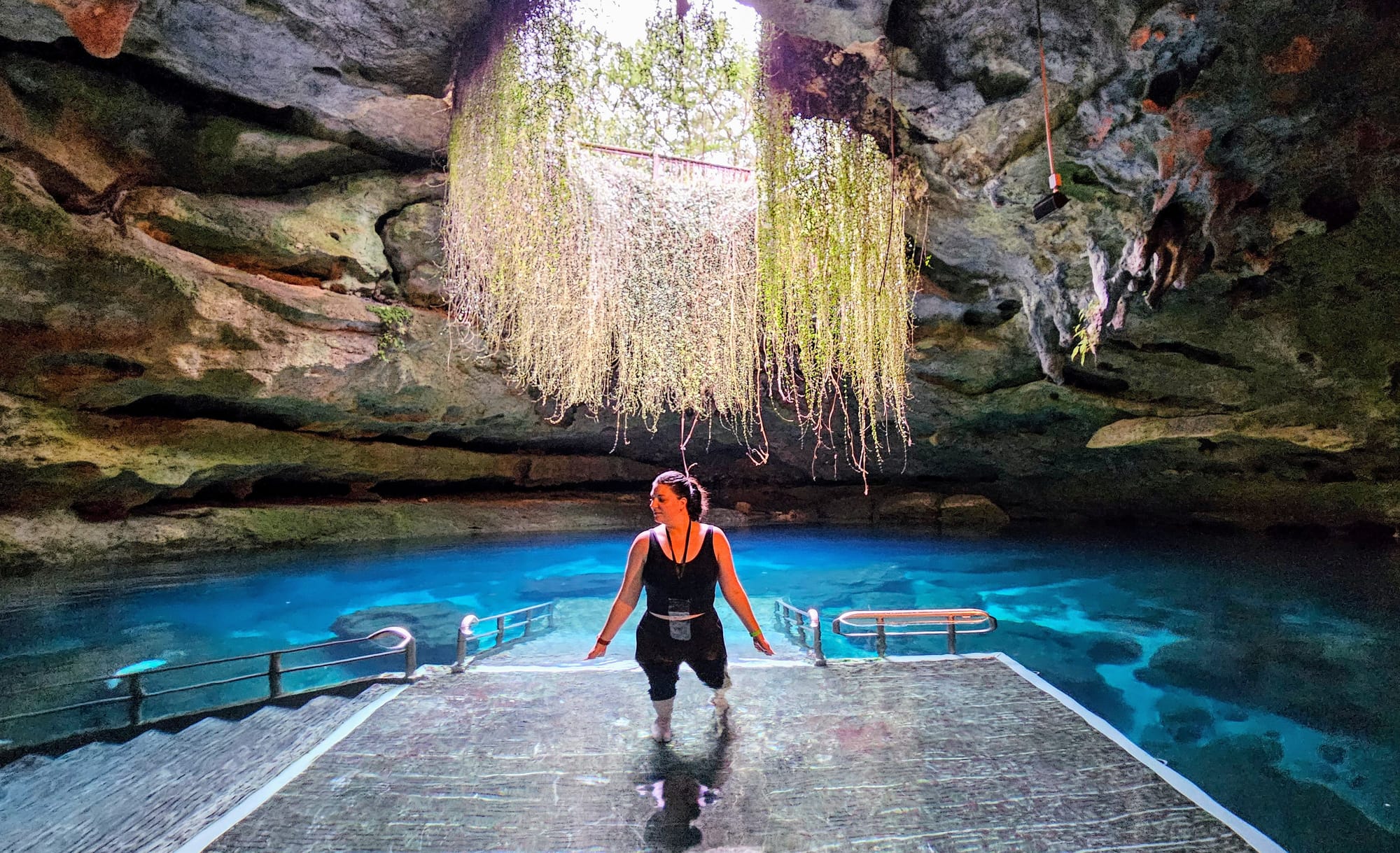
The name “Devil’s Den” might be misleading, but the actual spring is far from ominous. It is a sinkhole that has collapsed and evolved over millennia, creating a spectacular underground cavern. The spring is essentially a large, circular opening in the ground, about 120 feet in diameter, leading down to a pool of remarkably clear, cool water. What truly sets Devil’s Den Spring apart is the surreal, almost otherworldly environment it offers.
The Geological Marvel: A Submerged Cavern
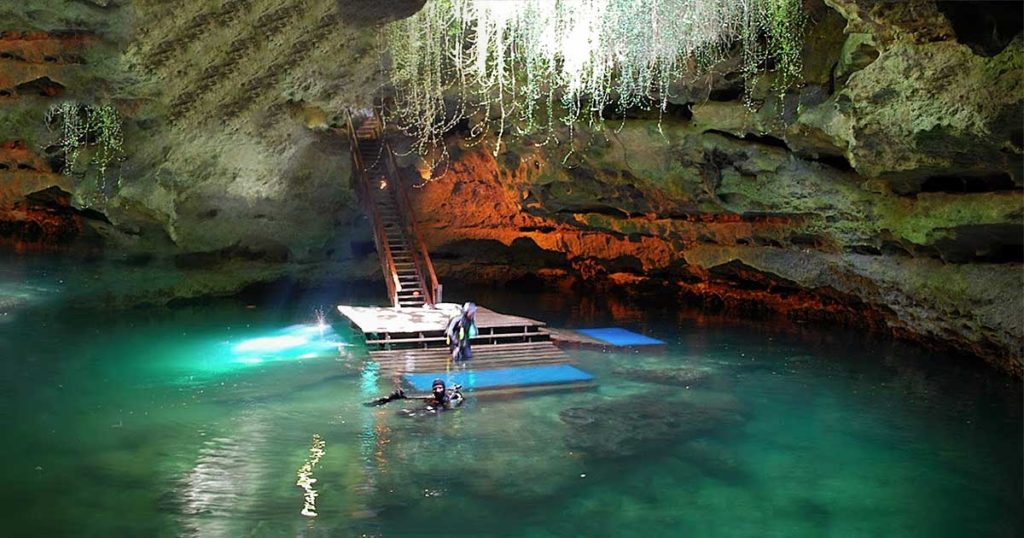
The primary attraction of Devil’s Den Spring is its unique geological structure. The cavern, formed by the dissolution of limestone, features dramatic rock formations that hang from the ceiling, creating a sense of being in an ancient, hidden world. Sunlight filters down through the opening above, illuminating the water and creating an ethereal glow that enhances the magical atmosphere. Stalactites and stalagmites, though not as pronounced as in some larger cave systems, add to the natural artistry of the subterranean space. The water temperature remains a consistent 72 degrees Fahrenheit year-round, providing a refreshing respite, especially during the warmer months.
The Underwater Experience: Diving and Snorkeling Paradise
Devil’s Den Spring is renowned among divers and snorkelers for its exceptional visibility and unique underwater landscape. The water clarity is often astounding, allowing for unobstructed views of the cavern’s formations and the marine life that inhabits its depths. For certified divers, the spring offers an opportunity to explore a network of underwater passages and caves, some reaching depths of up to 50 feet. The geological features provide a fascinating backdrop for underwater photography.
For those who prefer to stay closer to the surface, snorkeling is equally rewarding. The shallow areas of the spring provide ample opportunity to observe the aquatic environment without the need for scuba gear. The unique ecosystem supports various small fish and other aquatic creatures, making it an engaging experience for all ages. The controlled environment of the spring also makes it an ideal location for practicing diving skills or for introductory dives, making it accessible to beginners.
Exploring the History and Significance of Devil’s Den

Beyond its natural beauty and recreational opportunities, Devil’s Den Spring holds a significant place in the history of Florida and even prehistoric North America. The cavern has served various roles throughout different eras, contributing to its intriguing narrative.
Ancient Discoveries and Paleo-Indian History
Perhaps the most remarkable aspect of Devil’s Den Spring is its paleontological significance. The spring is one of the most important fossil sites in North America. Archaeological excavations within the cavern have unearthed a treasure trove of fossils, providing invaluable insights into the ancient fauna of Florida. These discoveries include the remains of extinct megafauna such as giant ground sloths, mastodons, camels, horses, and saber-toothed cats, some dating back tens of thousands of years.
The presence of these ancient bones, perfectly preserved in the spring’s cool, oxygen-poor waters, has made Devil’s Den Spring a crucial site for scientific research. It offers a unique window into the Pleistocene epoch and the ecosystems that existed during that time. The spring’s consistent water levels and stable environment have contributed to the exceptional preservation of these delicate fossilized remains, making it a living museum of prehistoric life.
A Natural Sanctuary and Conservation Efforts
Over time, the importance of Devil’s Den Spring has been recognized, leading to its protection and preservation. The area is now managed as a natural attraction, with efforts focused on maintaining its pristine condition and ensuring its long-term ecological integrity. The management of the site emphasizes responsible tourism, encouraging visitors to respect the natural environment and minimize their impact.
Conservation efforts at Devil’s Den Spring aim to protect not only the geological formations and the unique aquatic ecosystem but also the archaeological and paleontological resources within the cavern. Strict guidelines are often in place to prevent damage to the cave walls and formations, and visitors are educated about the historical significance of the site. This commitment to preservation ensures that future generations can continue to marvel at the wonders of Devil’s Den Spring.
Planning Your Visit to Devil’s Den
A visit to Devil’s Den Spring is a journey into a truly unique natural environment. To make the most of your experience, a bit of planning is advisable. The spring operates as a private park, and specific entry requirements and operating hours should be confirmed prior to your visit.
What to Expect and What to Bring
Upon arrival, visitors are typically greeted by the park staff and given an orientation about the facilities and rules. The main access to the spring involves a short walk down a paved path, leading to a wooden staircase that descends into the cavern. The stairs provide a safe and accessible way to reach the water’s edge.
Essential items to bring include swimwear, towels, and water shoes, which can be helpful for navigating the slippery surfaces around the spring. For those planning to snorkel or dive, masks, snorkels, and fins are necessary, though rentals are often available on-site. Sunscreen is also recommended for the areas outside the cave. It’s also a good idea to bring a waterproof bag or case for your phone or camera to protect it from water.
Activities and Amenities
The primary activities at Devil’s Den Spring revolve around exploring the spring itself. Snorkeling and scuba diving are the most popular ways to experience the underwater world. The crystal-clear water and unique geological formations offer a captivating visual spectacle. The park often provides guided tours for divers and snorkeling excursions, which can enhance the experience by highlighting points of interest and providing historical context.
Beyond the water activities, visitors can also enjoy the scenic beauty of the surrounding parkland. There are often areas for picnicking, allowing families to enjoy a meal amidst the natural Florida landscape. Restrooms and changing facilities are typically available, ensuring a comfortable and convenient visit. Some parks also offer educational exhibits or interpretive displays about the natural history and geology of the area, further enriching the visitor experience. For those interested in extending their stay or exploring the broader region, nearby towns like Gainesville offer additional attractions and accommodations.
In conclusion, Devil’s Den Spring is a captivating natural attraction in Central Florida that offers a unique blend of geological wonder, historical significance, and recreational opportunities. Its hidden location, subterranean beauty, and ancient past make it a must-visit destination for anyone seeking an experience beyond the ordinary Florida itinerary. Whether you’re a seasoned diver, a curious snorkeler, a history enthusiast, or simply someone looking to connect with nature’s remarkable artistry, Devil’s Den Spring promises an unforgettable adventure.
LifeOutOfTheBox is a participant in the Amazon Services LLC Associates Program, an affiliate advertising program designed to provide a means for sites to earn advertising fees by advertising and linking to Amazon.com. Amazon, the Amazon logo, AmazonSupply, and the AmazonSupply logo are trademarks of Amazon.com, Inc. or its affiliates. As an Amazon Associate we earn affiliate commissions from qualifying purchases.