
Unveiling the Southeastern Jewel of the Sunshine State
When the vibrant energy, sun-drenched beaches, and diverse cultural tapestry of Florida come to mind, the name Miami-Dade County is inevitably intertwined. Nestled at the southeastern tip of the Sunshine State, this expansive and dynamic region is not just a geographical location; it’s a global hub of culture, commerce, and unparalleled tourism. Understanding its precise placement within Florida is the first step to unlocking the myriad experiences it offers, from the glittering shores of Miami Beach to the lush wilderness of the Everglades.
Miami-Dade County occupies a significant portion of Florida’s southeastern coastline, forming the southernmost county on the mainland. It’s bordered by Broward County to the north, the vast expanse of the Atlantic Ocean to the east, Monroe County to the south (which includes the Florida Keys), and Collier County to the west. This strategic position makes it the gateway to not only South Florida but also a crucial entry point for international travelers, particularly from Latin America and the Caribbean. Its geographical prominence influences its climate, its demographics, and the very rhythm of life within its borders.
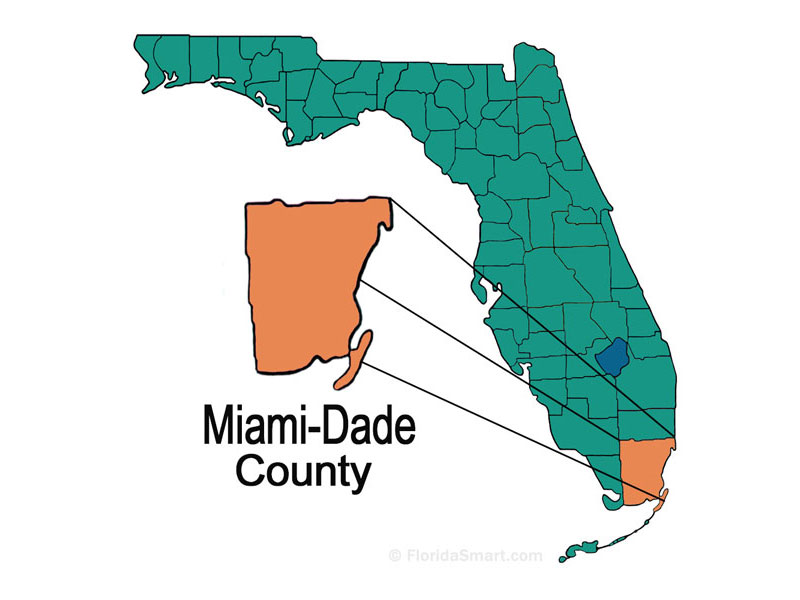
The county’s vastness is often underestimated. Spanning over 2,431 square miles, it encompasses a remarkable range of environments. From the bustling urban core of Miami city to the tranquil agricultural lands of the Redlands and the protected natural habitats, its geography is as varied as its population. This diversity is a key component of its allure, offering everything from world-class resorts and high-end shopping to pristine natural landscapes and a rich historical narrative.
Exploring the Diverse Landscapes and Urban Centers
The heart of Miami-Dade County beats with the rhythm of its major urban centers, each possessing its own unique character and appeal. The most internationally recognized is, of course, the city of Miami itself. However, the county is far more than just one city. It is a collection of diverse municipalities and unincorporated areas, each contributing to the county’s vibrant mosaic.
The Iconic City of Miami
Miami, the eponymous and largest city within the county, is a global metropolis renowned for its glamorous nightlife, stunning Art Deco architecture, and a pulsating cultural scene influenced by its significant Hispanic and Caribbean populations. Here, visitors can explore iconic neighborhoods like South Beach, famous for its pastel-colored buildings and vibrant beach life, and the vibrant Wynwood district, a canvas for incredible street art. The financial district, known as Brickell, showcases a more modern and sophisticated side of Miami, with towering skyscrapers and upscale dining. The cultural richness extends to areas like Little Havana, where the aroma of Cuban coffee and the sounds of salsa music fill the air, offering an authentic taste of Cuban heritage.
Miami Beach: A Coastal Paradise
Just across the bay from Miami lies Miami Beach, an independent city within Miami-Dade County that is synonymous with sun, sand, and sophisticated leisure. This barrier island is home to some of the world’s most famous beaches, drawing millions of visitors seeking relaxation and recreation. The South Beach area, specifically, is an architectural gem, boasting the largest collection of Art Deco buildings in the world. Beyond its natural beauty, Miami Beach is a hub for luxury hotels, designer boutiques, and world-class restaurants, making it a prime destination for those seeking a blend of beachside tranquility and urban excitement.
Beyond the Coastline: Exploring Inland and Southern Regions
While the coastal areas often steal the spotlight, Miami-Dade County offers compelling attractions further inland and to the south. Coral Gables, known for its Mediterranean Revival architecture, serene boulevards, and the iconic Biltmore Hotel, offers a more refined and elegant atmosphere. Doral is increasingly recognized for its golf resorts and its growing international business presence.
To the south, the landscape gradually transforms, offering glimpses into agricultural richness and natural beauty. The Redlands, for instance, is an area known for its farms and nurseries, producing a variety of tropical fruits and vegetables. This region also provides access to natural wonders like Bill Baggs Cape Florida State Park, offering a lighthouse and stunning ocean views. Further south still, the county’s boundary eventually meets the unique ecosystem of the Everglades National Park, a UNESCO World Heritage Site, which, although primarily associated with western and northern parts of the county, its influence and accessibility are deeply felt in the southern reaches of Miami-Dade.
The Gateway to World-Class Attractions and Experiences
The strategic location of Miami-Dade County makes it a pivotal point for accessing some of Florida’s most celebrated attractions and for embarking on unforgettable travel experiences. Its connectivity, both domestically and internationally, positions it as an ideal starting point for exploring the wonders of the Sunshine State and beyond.
Natural Wonders and Outdoor Adventures
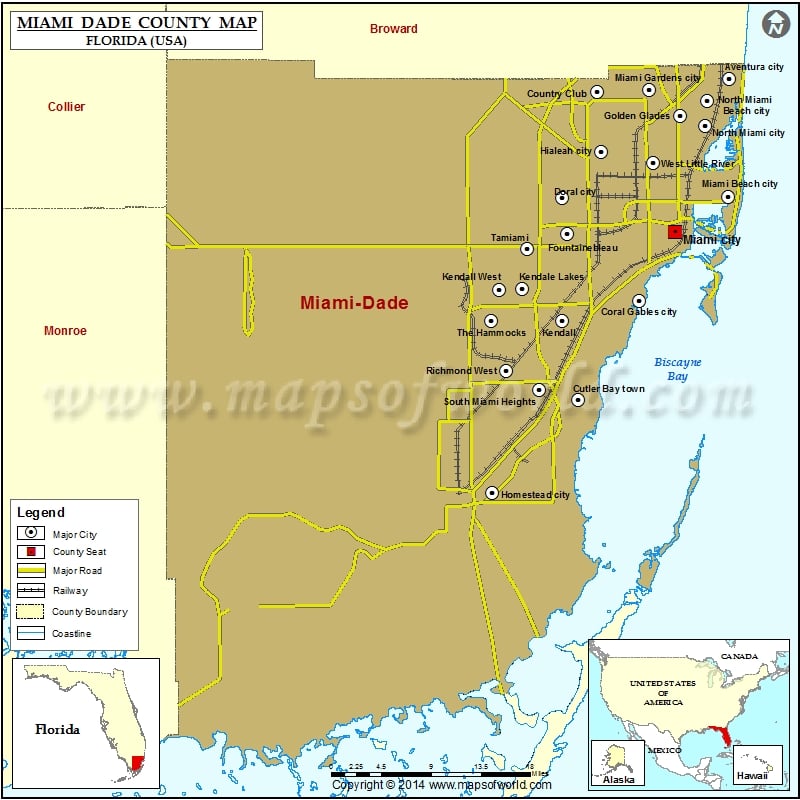
The proximity to the Everglades National Park is one of Miami-Dade County’s most significant geographical advantages. This vast subtropical wilderness, often referred to as the “River of Grass,” is a critical ecosystem supporting an incredible diversity of wildlife, including alligators, manatees, and numerous bird species. Visitors can embark on airboat tours, kayaking expeditions, or hiking trails to immerse themselves in this unique natural environment. Within the county itself, parks like Oleta River State Park offer opportunities for kayaking, cycling, and enjoying mangrove forests, while Matheson Hammock Park features a historic atoll pool and marina.
For those drawn to the ocean, the coastlines of Miami-Dade provide endless possibilities. Beyond the famous sands of Miami Beach, areas like Crandon Park offer family-friendly beaches, nature centers, and recreational facilities. The waters are perfect for swimming, sunbathing, boating, and a variety of water sports. Further south, the journey towards the Florida Keys begins, promising a completely different kind of coastal experience with its legendary diving spots and laid-back island charm.
Cultural Immersion and Urban Exploration
Miami-Dade County is a melting pot of cultures, and this diversity is vividly expressed through its arts, music, cuisine, and festivals. The Pérez Art Museum Miami (PAMM) and the Frost Science Museum offer engaging cultural and educational experiences in a stunning bayfront setting. The historic Art Deco district in South Beach is not just about architecture; it’s a vibrant hub of activity with unique shops, galleries, and a lively atmosphere.
Food lovers will find themselves in paradise. From authentic Cuban cuisine in Little Havana to fresh seafood along the coast and innovative fusion dishes in trendy restaurants, Miami-Dade offers a culinary journey for every palate. The county also hosts numerous festivals and events throughout the year, celebrating its diverse heritage, including events like Art Basel Miami Beach and the Calle Ocho Music Festival, which draw international crowds.
Accommodation and Lifestyle Choices
The range of accommodation options in Miami-Dade County caters to every budget and travel style. Luxury resorts and boutique hotels abound, particularly in areas like Miami Beach and Brickell, offering world-class amenities and breathtaking views. For those seeking more independent stays, vacation apartments and villas are readily available. Budget travelers can find a variety of guesthouses and more affordable hotel chains, especially slightly away from the prime tourist hotspots. Long-term stays are also well-catered for, with serviced apartments and rental properties providing comfortable bases for extended visits, whether for business or leisure.
The lifestyle in Miami-Dade is characterized by its blend of relaxation and dynamism. It’s a place where one can enjoy a leisurely day on the beach, followed by an evening of fine dining and dancing. The county appeals to luxury travelers seeking high-end experiences, families looking for fun-filled vacations, and business travelers needing convenient and well-appointed accommodations. The emphasis on outdoor living, with its warm climate year-round, encourages an active and engaged lifestyle, making it an attractive destination for a wide spectrum of visitors.
Navigating Miami-Dade County: A Hub of Connectivity
Understanding where Miami-Dade County is located in Florida is not just about pinpointing it on a map; it’s about recognizing its role as a critical nexus for transportation and a vibrant center for commerce and culture. Its southeastern position on the peninsula, coupled with its extensive infrastructure, makes it an exceptionally accessible and influential region.
Transportation Networks and International Access
Miami-Dade County is home to Miami International Airport (MIA), one of the busiest airports in the United States and a major gateway for international travel, particularly to Latin America and the Caribbean. The airport’s extensive network of airlines and destinations ensures that visitors from virtually anywhere in the world can reach this vibrant part of Florida. In addition to MIA, Fort Lauderdale-Hollywood International Airport (FLL) is a significant nearby hub, offering further connectivity.
The county also boasts a robust network of highways, with major arteries like Interstate 95 (I-95) running north-south, connecting Miami-Dade to the rest of Florida and the eastern United States. The Florida Turnpike provides another crucial route for travelers heading inland or north. Within the county, public transportation systems, including the Miami-Dade Transit’s Metrorail, Metromover, and bus services, facilitate movement between different cities and attractions, making it possible to explore without a personal vehicle. For those arriving by sea, the Port of Miami is a major cruise ship terminal, welcoming millions of passengers each year.

Economic Significance and Cultural Influence
Beyond its appeal as a tourist destination, Miami-Dade County is a significant economic engine for Florida. Its strategic location has fostered a thriving international trade and business environment, particularly in sectors like finance, healthcare, and technology. The county is a hub for multinational corporations and a strong draw for entrepreneurs.
Culturally, Miami-Dade has a profound influence that extends far beyond its geographical boundaries. Its unique blend of American, Latin American, and Caribbean cultures creates a dynamic and innovative environment that shapes fashion, music, art, and culinary trends worldwide. This cultural fusion is a defining characteristic of the county and a primary reason for its enduring global appeal. From the infectious rhythms of reggaeton to the complex flavors of Cuban fusion cuisine, the cultural output of Miami-Dade is both rich and influential, contributing significantly to its identity as a premier destination.
In conclusion, Miami-Dade County is a vital and multifaceted region situated at the southeastern edge of Florida. Its geographical location dictates its tropical climate, its diverse ecosystems, and its role as a crucial gateway for international travel and commerce. Whether you’re seeking the lively beaches of Miami Beach, the cultural immersion of Miami city, the natural wonders of the Everglades, or simply a vibrant and welcoming atmosphere, Miami-Dade County offers an unforgettable experience at the heart of the Sunshine State.
LifeOutOfTheBox is a participant in the Amazon Services LLC Associates Program, an affiliate advertising program designed to provide a means for sites to earn advertising fees by advertising and linking to Amazon.com. Amazon, the Amazon logo, AmazonSupply, and the AmazonSupply logo are trademarks of Amazon.com, Inc. or its affiliates. As an Amazon Associate we earn affiliate commissions from qualifying purchases.