
Port St. Joe, a charming coastal town nestled along the pristine shores of the Florida Panhandle, is a destination that often sparks curiosity for its idyllic setting and laid-back atmosphere. If you’re dreaming of sun-drenched beaches, emerald waters, and a slower pace of life, understanding the geographical location of this hidden gem is the first step to planning your escape. This article delves into the exact whereabouts of Port St. Joe, its surrounding attractions, and what makes it such a sought-after spot for travelers seeking authentic Florida experiences.
Discovering the Gem of the Forgotten Coast
Port St. Joe is more than just a dot on the map; it’s the heart of Florida’s Forgotten Coast, a nickname that perfectly encapsulates its unspoiled beauty and lack of overt commercialization. Unlike the bustling tourist hubs of South Florida, the Forgotten Coast retains a rustic charm, offering a glimpse into a more traditional coastal lifestyle.
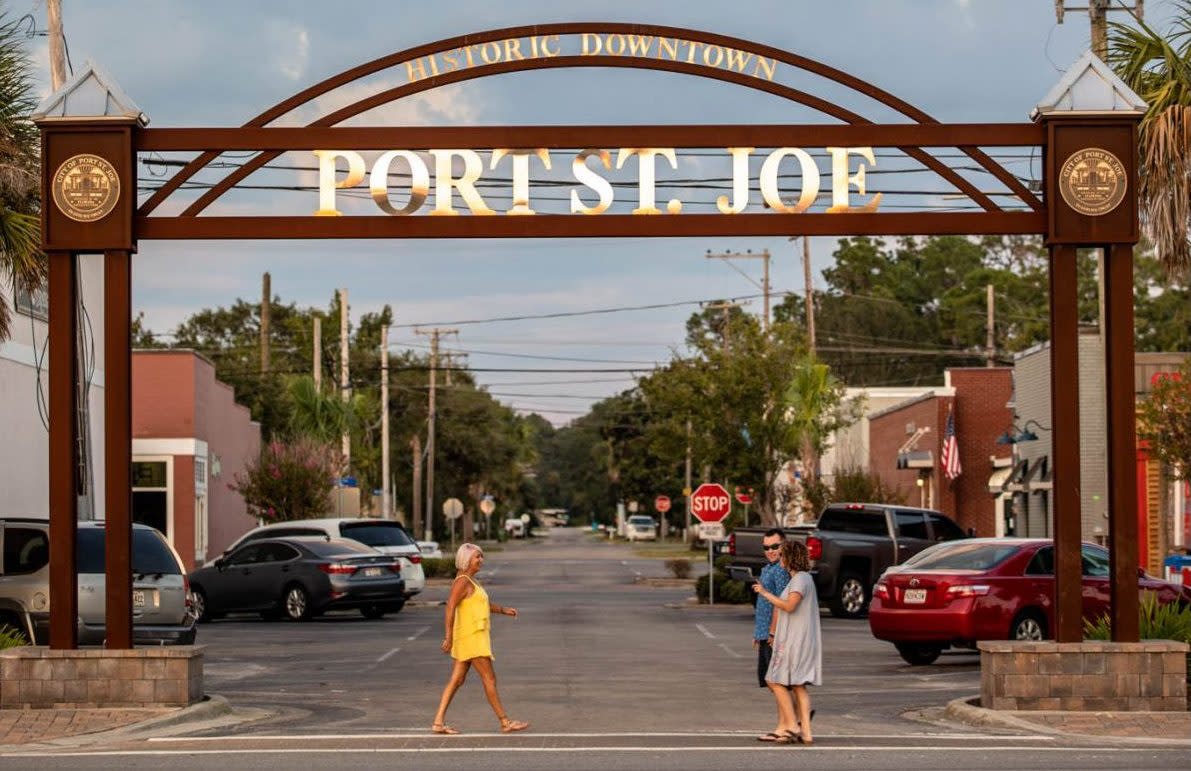
Location and Geography
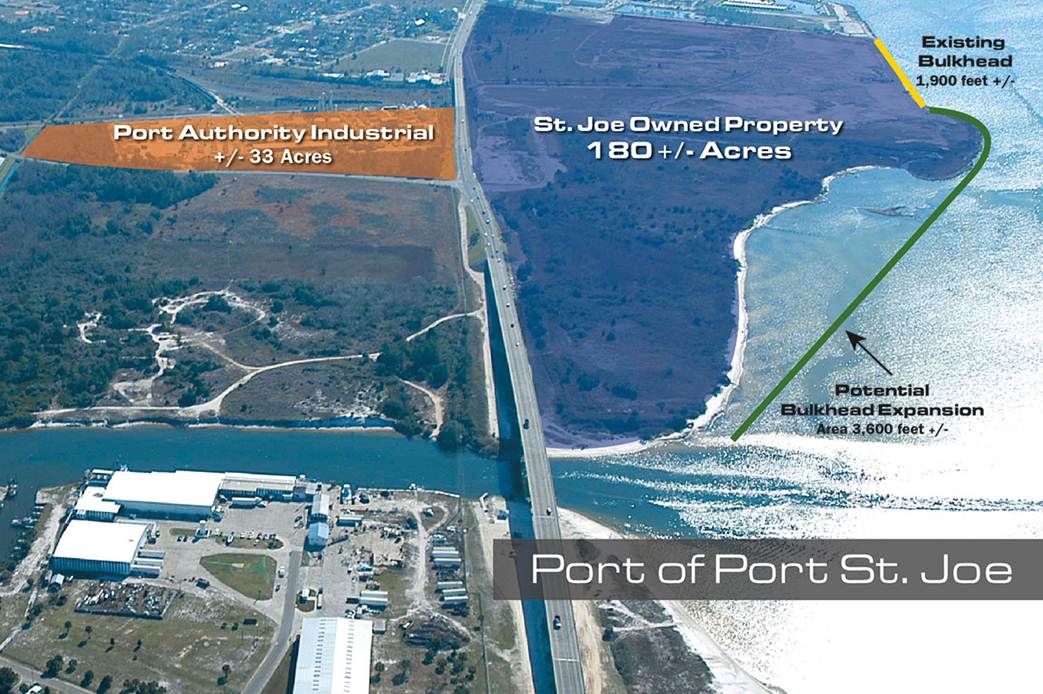
Strategically situated in Gulf County, Port St. Joe lies on the eastern end of St. Joseph Bay, a naturally protected body of water renowned for its shallow, clear depths and abundant marine life. The town is positioned approximately 20 miles east of Mexico Beach and about 15 miles south of Wewahitchka. Its proximity to these neighboring communities helps solidify its place within the unique character of the region.
The town’s location on the Gulf of Mexico coastline means it benefits from the gentle, warm waters and soft, sandy beaches characteristic of this part of the state. Port St. Joe is easily accessible via U.S. Highway 98, a scenic coastal highway that stretches across the Panhandle, making it a convenient stop for those exploring the coastline.
The Allure of St. Joseph Bay
The presence of St. Joseph Bay is a defining feature of Port St. Joe. This expansive bay is a haven for a variety of recreational activities. Its calm waters are ideal for kayaking, paddleboarding, and sailing. The bay is also a prime location for fishing, with anglers often casting their lines for redfish, speckled trout, and flounder. The unique ecosystem of the bay also supports a rich population of oysters, contributing to the local culinary scene.
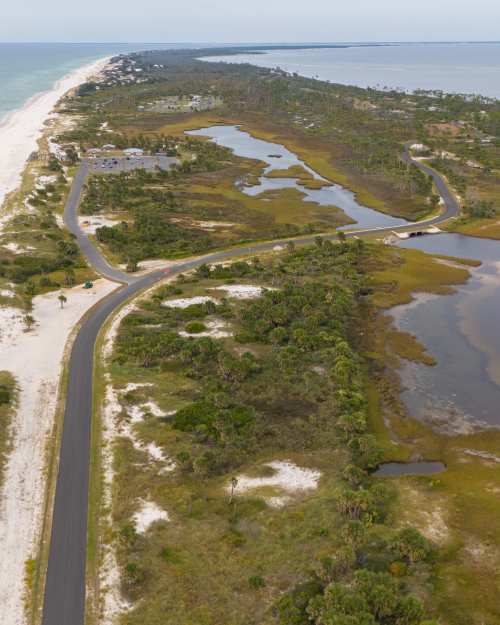
The eastern side of the bay is marked by the federally protected St. Joseph Peninsula State Park, a pristine stretch of undeveloped barrier island offering breathtaking natural beauty and opportunities for wildlife viewing. The park’s undeveloped nature is a testament to the commitment to preserving the natural splendor of the Forgotten Coast.
Exploring Port St. Joe and Its Surroundings
Once you know where Port St. Joe is, the next step is to explore what makes it such a captivating destination. The town itself offers a friendly atmosphere with local shops, eateries, and a palpable sense of community. Beyond the town’s immediate embrace, a wealth of attractions await, catering to a variety of interests, from nature lovers to history buffs and those simply seeking relaxation.
Attractions and Activities
Port St. Joe serves as an excellent base for exploring the diverse attractions of the Forgotten Coast. Here are some of the key highlights:
Nature and Outdoor Adventures
- St. Joseph Peninsula State Park: As mentioned, this park is a crown jewel. It boasts miles of white-sand beaches, towering dunes, and diverse wildlife habitats. Visitors can enjoy hiking, camping, swimming, snorkeling, and even primitive camping on the secluded northern tip. The park is a prime example of the untouched natural beauty that defines the Forgotten Coast.
- Crooked Island Lighthouse: A historic landmark, the Crooked Island Lighthouse stands as a sentinel on the coast. While no longer an active lighthouse, it’s a picturesque site for photography and a reminder of the region’s maritime past.
- Dead Lakes State Recreation Area: Located near Wewahitchka, this area offers a unique cypress swamp environment. It’s perfect for fishing, boating, and experiencing the eerie beauty of the ancient cypress trees. The “dead lakes” refer to the submerged remnants of trees that died after the Chipola River was dammed.
- St. Vincent National Wildlife Refuge: Accessible by boat, this refuge is a sanctuary for numerous animal species, including red wolves, bald eagles, and sea turtles. It’s a pristine wilderness area ideal for hiking and observing wildlife in its natural habitat.
Local Culture and History
- Port St. Joe Historical Society Museum: For those interested in the town’s past, this museum offers a glimpse into the history of Port St. Joe, from its early days as a bustling port to its development as a beloved coastal community. It showcases artifacts and stories that bring the town’s heritage to life.
- Presbyterian Church of Port St. Joe: This historic church, with its iconic steeple, is a beautiful example of early 20th-century architecture and a beloved landmark in the town.
- Constitution Convention Museum State Park: Located in the heart of Port St. Joe, this park commemorates the site where Florida‘s first constitution was drafted in 1838. It’s a significant historical site for the state.
Culinary Delights
The Forgotten Coast is synonymous with fresh seafood, and Port St. Joe is no exception. You’ll find numerous local restaurants and seafood shacks serving up the catch of the day. Oysters harvested from St. Joseph Bay are a particular delicacy, often served raw or in classic preparations. Don’t miss out on trying some of the local specialties that highlight the bounty of the Gulf of Mexico.
Accommodation Options
When it comes to finding a place to stay in Port St. Joe, the options align with the town’s relaxed, natural ethos. You won’t find sprawling, high-rise resorts here, but rather a range of accommodations that emphasize comfort, connection with nature, and a sense of local hospitality.
Hotels and Resorts
While the term “resort” might conjure images of large complexes, in Port St. Joe, you’ll discover more intimate lodging experiences. Boutique hotels and smaller inns offer personalized service and often direct access to the beach or bay. These establishments pride themselves on providing a tranquil escape, allowing guests to fully immerse themselves in the coastal ambiance. Look for places that emphasize their proximity to natural attractions or offer amenities that complement a beach vacation, such as outdoor pools, on-site dining featuring local seafood, and easy access to water sports rentals.
Vacation Rentals and Villas
For families, groups, or those seeking a more independent stay, vacation rentals and villas are a popular choice. These range from cozy beachfront cottages to spacious homes with private docks and stunning bay views. Renting a villa can provide the luxury of home amenities, including full kitchens, living areas, and private outdoor spaces, making it ideal for longer stays or for those who want to experience Port St. Joe like a local. Many of these rentals are located within walking distance of the beach or town center, offering convenience without sacrificing tranquility.
Budget-Friendly Stays and Long-Term Options
Port St. Joe also caters to those seeking budget-friendly options. Motels and inns provide comfortable and clean accommodations without the premium price tag. For travelers looking to stay for an extended period, longer-term rentals and even some RV parks offer viable solutions. These options allow visitors to fully explore the region at their own pace, enjoying everything from fishing trips and beachcombing to exploring the local culture and cuisine.
Planning Your Visit to Port St. Joe
Understanding where Port St. Joe is located is just the beginning of a rewarding travel experience. The best time to visit, how to get there, and packing essentials will all contribute to a memorable trip to this unique part of Florida.
Best Time to Visit
The climate in Port St. Joe is characteristic of the Gulf Coast, with warm, humid summers and mild winters.
- Spring (March-May): This is often considered an ideal time to visit. The weather is pleasant, with average temperatures ranging from the 60s to the 70s Fahrenheit. Wildflowers bloom, and the outdoor activities are in full swing without the intense heat of summer.
- Summer (June-August): Summers are hot and humid, with temperatures frequently in the 80s and 90s Fahrenheit. This is the prime time for beachgoers and those who enjoy swimming and water sports, though afternoon thunderstorms are common.
- Fall (September-November): Fall offers another excellent window for visiting. The humidity decreases, and temperatures become more moderate, usually in the 70s and 80s Fahrenheit. The water remains warm enough for swimming well into October.
- Winter (December-February): Winters are mild, with average temperatures in the 50s and 60s Fahrenheit. While not ideal for swimming, it’s a perfect time for long walks on the beach, fishing, and exploring the natural beauty of the area at a relaxed pace. It’s also a great time for birdwatching.
Getting There
Port St. Joe is most commonly accessed by car. U.S. Highway 98 runs directly through the town, making it easily reachable from other parts of Florida and neighboring states.
- By Air: The closest major airports are Tallahassee International Airport (TLH), located approximately 75 miles to the northeast, and Pensacola International Airport (PNS), about 100 miles to the west. From these airports, you can rent a car and enjoy a scenic drive to Port St. Joe.
- By Car:
- From Tallahassee: Take U.S. Highway 98 West.
- From Pensacola: Take U.S. Highway 98 East.
- From Tampa/Orlando: Head north on the Turnpike or I-75, then west on I-10 towards Tallahassee, and finally south on U.S. Highway 98.
Packing Essentials
Given its coastal location and emphasis on outdoor activities, packing for Port St. Joe is all about embracing the beach lifestyle.
- Beachwear: Swimsuits, cover-ups, and beach towels are essential.
- Sun Protection: High SPF sunscreen, hats, and sunglasses are crucial to protect against the Florida sun.
- Comfortable Clothing: Lightweight, breathable clothing like shorts, t-shirts, and sundresses are ideal for the warm climate.
- Footwear: Sandals, flip-flops, and comfortable walking shoes for exploring. Water shoes can be useful for rocky areas or water activities.
- Insect Repellent: Especially important for evenings, particularly if you plan to be near marshy areas or enjoy outdoor dining.
- Camera: To capture the stunning natural beauty and charming town scenes.
- Binoculars: For wildlife viewing, especially in the state parks and refuges.
- Fishing Gear: If you plan to cast a line in the bay or on the coast.
By understanding its location, attractions, and planning your visit effectively, Port St. Joe promises a tranquil and enriching escape to the less-traveled, yet incredibly rewarding, shores of Florida. Whether you’re seeking adventure in nature, a taste of local culture, or simply a peaceful retreat by the sea, this Forgotten Coast gem awaits.
LifeOutOfTheBox is a participant in the Amazon Services LLC Associates Program, an affiliate advertising program designed to provide a means for sites to earn advertising fees by advertising and linking to Amazon.com. Amazon, the Amazon logo, AmazonSupply, and the AmazonSupply logo are trademarks of Amazon.com, Inc. or its affiliates. As an Amazon Associate we earn affiliate commissions from qualifying purchases.