
Florida, a state synonymous with sun-drenched beaches, vibrant theme parks, and bustling cities, often conjures images of the well-trodden paths of Orlando, Miami, and the Keys. Yet, beyond these iconic destinations lies a region that whispers tales of untamed wilderness, rich history, and a pace of life dictated by the tides rather than traffic lights. This is Florida’s Big Bend area, a vast and largely undeveloped expanse that captures the state’s wilder soul. For the intrepid traveler seeking an escape from the ordinary, understanding where and what the Big Bend is becomes the first step towards an unforgettable adventure.

Unveiling the Geographic Heart of Florida’s Wild Coast
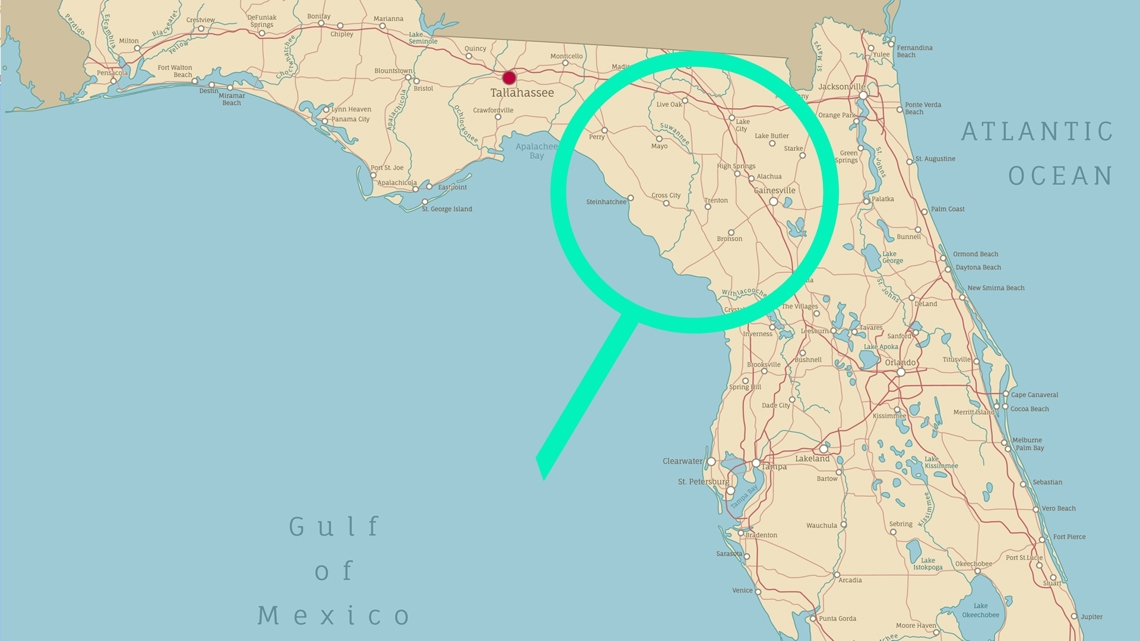
The Big Bend area of Florida isn’t a precisely defined political or administrative region, but rather a geographical and cultural one. Its name originates from the distinctive curve – the “bend” – that the Florida coastline makes as it transitions from the panhandle’s westward sweep to the peninsula’s southward thrust. This transition zone is characterized by its unique topography and its profound connection to the Gulf of Mexico.
Defining the Boundaries: A Coastal Continuum
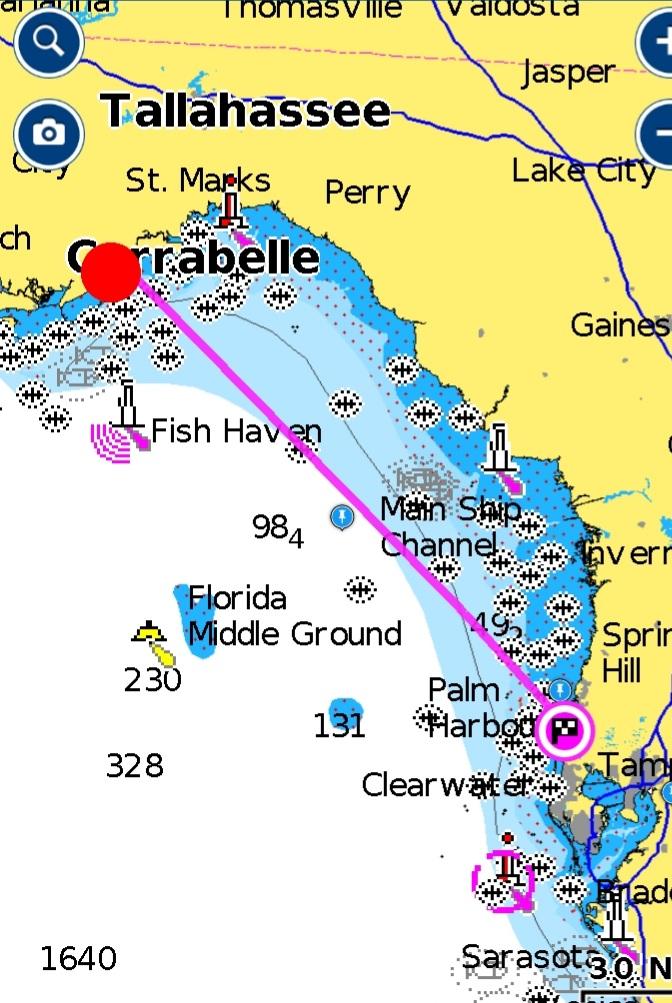
Geographically, the Big Bend stretches along the northern coast of the Gulf of Mexico, roughly from the western edge of the Florida Panhandle eastward towards the northern tip of the Florida Peninsula. While specific boundaries can be debated, most definitions place its westernmost reach near Apalachicola Bay and extend it to the vicinity of Crystal River. Some definitions might include inland areas that are part of the Apalachicola River basin or the natural systems that feed into the Gulf along this coastline.
This area is notable for its extensive wetlands, marshes, and pine flatwoods, a stark contrast to the sandy beaches found elsewhere in Florida. It’s a landscape shaped by the slow-moving rivers that drain the interior and the gentle, shallow waters of the Gulf. The human population is sparse, with small fishing villages and agricultural communities dotting the coastline. Major cities are few and far between; the closest significant urban centers are often considered to be Tallahassee to the north and Tampa Bay to the south, both of which offer gateway access points to this less-explored territory.
A Tapestry of Natural Wonders
The allure of the Big Bend lies in its raw, untamed natural beauty. This is a place where nature still reigns supreme, offering a sanctuary for an astonishing diversity of wildlife. The region is a critical stopover for migratory birds and a vital breeding ground for numerous species.
The Delicate Balance of Estuaries
Central to the Big Bend‘s ecosystem are its extensive estuarine systems. These are the dynamic interfaces where freshwater rivers meet the saltwater of the Gulf of Mexico, creating unique habitats that are incredibly fertile and biologically rich. Apalachicola Bay, for instance, is renowned for its oysters and its role as a nursery for many commercially important fish species. The sheer scale of these undeveloped coastlines means that habitats like seagrass beds and salt marshes are remarkably intact, supporting a complex food web.
A Haven for Wildlife Enthusiasts
For those who appreciate the natural world, the Big Bend is a paradise. Birdwatchers will find an avian spectacle, especially during migration seasons, with species like wood storks, roseate spoonbills, and various shorebirds frequenting the wetlands. The waters are home to dolphins, manatees, and a wealth of marine life. Inland, pine forests and cypress swamps harbor a variety of mammals, including white-tailed deer, black bears, and numerous smaller creatures. The lack of significant human development preserves these habitats, offering a glimpse into a wilder Florida.
Exploring the Rich Tapestry of Big Bend Experiences
The Big Bend area offers a unique blend of natural exploration, historical immersion, and authentic Floridian culture. It’s a destination for those who prefer quiet contemplation and active engagement with the environment over crowded attractions.
Immersing in Nature’s Grandeur
The primary draw for many visitors to the Big Bend is its unparalleled natural beauty and the opportunities for outdoor recreation. This region is a nature lover’s dream, offering activities that allow for deep connection with its unique ecosystems.
Paddling Through Pristine Waters
Kayaking and canoeing are arguably the best ways to experience the Big Bend. The shallow, calm waters of the bays and the intricate network of creeks and rivers provide miles of exploration. Paddlers can glide through mangrove tunnels, observe wildlife up close, and discover secluded coves. The St. Marks National Wildlife Refuge, a cornerstone of the region, offers fantastic paddling opportunities, allowing access to areas teeming with wading birds and other coastal fauna. Many outfitters in towns like Steinhatchee and Perry provide rentals and guided tours, catering to all skill levels.
Fishing and Boating Adventures
The Big Bend coastline is a renowned fishing destination. The shallow flats are ideal for fly fishing for redfish and speckled trout, while deeper channels offer opportunities for offshore species. Charter fishing trips are readily available, providing experienced captains who know the best spots. Boating enthusiasts will also find ample opportunities to explore the coastline, visit barrier islands, and enjoy the tranquility of the Gulf. Steinhatchee Landing Resort and similar accommodations often cater to anglers and boaters, offering docks and easy access to the water.
Hiking and Wildlife Viewing
Beyond the water, the Big Bend boasts an impressive network of hiking trails that wind through diverse habitats. The Apalachicola National Forest, one of the largest national forests east of the Mississippi River, offers trails through longleaf pine ecosystems, cypress swamps, and coastal hammocks. These trails are perfect for spotting local flora and fauna. The Wakulla Springs State Park, famous for its crystal-clear spring and the historic Wakulla Springs Lodge, also provides opportunities for hiking and wildlife viewing, including boat tours on the spring run to spot alligators and turtles.
Delving into History and Local Culture
The Big Bend area is steeped in a rich history, shaped by Native American tribes, Spanish explorers, and a legacy of resource-based economies like fishing and timber. Visiting the region offers a chance to connect with a more traditional Florida.
Echoes of the Past: Historic Sites and Landmarks
Several historical sites dot the Big Bend, offering glimpses into its past. Fort San Marcos de Apalache in St. Marks stands as a testament to Spanish colonial influence and later served as a U.S. military post. The ruins and interpretive displays tell the story of this strategically important location. Further inland, remnants of old turpentine stills and logging camps can sometimes be found, hinting at the area’s industrial past. The small, historic towns themselves often feel like living museums, with charming vernacular architecture and a slower pace of life.
Experiencing Authentic Coastal Life
The culture of the Big Bend is deeply intertwined with the sea. Small fishing communities like Carabelle, Apalachicola, and Steinhatchee maintain a strong connection to their maritime heritage. Visitors can experience this firsthand by visiting local fish markets, enjoying fresh seafood at waterfront restaurants, and engaging with the friendly locals. The annual fishing rodeos and seafood festivals are great opportunities to experience the vibrant community spirit. This is a Florida where tourism is a part of life, but not the overwhelming force found in other parts of the state.
A Taste of the Big Bend
The culinary scene in the Big Bend is, unsurprisingly, dominated by fresh seafood. Apalachicola is particularly famous for its oysters, considered among the finest in the country. Restaurants here offer these delicacies prepared in a multitude of ways, from raw on the half shell to fried or baked. Beyond oysters, visitors can savor fresh-caught fish like grouper, snapper, and shrimp. Many establishments are casual, family-run businesses that pride themselves on serving the day’s catch. Exploring the local diners and seafood shacks is an essential part of the Big Bend experience.
Finding Your Sanctuary: Accommodation and Lifestyle in the Big Bend
While the Big Bend is characterized by its natural beauty and sparse population, it still offers a range of accommodation options for visitors, catering to different preferences and budgets, and embodying a unique lifestyle of tranquility and connection with the environment.
Lodging Options for Every Traveler
Whether you’re seeking a luxurious escape or a simple base for exploration, the Big Bend area provides a variety of places to stay. The emphasis is often on comfort, convenience, and immersion in the local surroundings, rather than large, impersonal resorts.
Cozy Inns and Quaint Motels
In the smaller towns, you’ll find charming inns and motels that reflect the area’s laid-back atmosphere. These establishments often offer a personal touch, with friendly hosts eager to share local knowledge. Many are located near the waterfront or nestled among the pine trees, providing a peaceful setting. The Oldest House Museum in St. Augustine might be a famous landmark, but the Big Bend offers its own brand of historical charm in its accommodations.
Vacation Rentals and Cottages
For families or groups, renting a vacation home or a beach cottage can be an excellent option. These rentals provide more space and the flexibility to prepare your own meals, which can be particularly appealing in a region where dining options can be limited. Many rentals come with amenities like kitchens, living areas, and outdoor spaces, allowing guests to truly settle in and enjoy the lifestyle of the Big Bend.
Boutique Hotels and Resorts
While not as prevalent as in more tourist-heavy areas, the Big Bend does offer a selection of boutique hotels and resorts that provide a more upscale experience. These properties often focus on eco-tourism and offer amenities tailored to outdoor enthusiasts. Steinhatchee Landing Resort is an example of a property that blends comfortable lodging with access to the region’s natural attractions. You might not find the grand scale of a Walt Disney World resort, but you’ll find a different kind of luxury.
Embracing the Big Bend Lifestyle
The Big Bend area fosters a distinct lifestyle that appeals to those seeking peace, natural beauty, and a connection to a slower, more authentic way of life. It’s a region that encourages exploration at your own pace.
Luxury Travel Redefined
For those who consider luxury to be about exclusivity, pristine nature, and unparalleled tranquility, the Big Bend offers a unique proposition. Think of private boat tours through untouched marshes, gourmet seafood dinners enjoyed with a view of the sunset over the Gulf, or quiet evenings stargazing in a truly dark sky environment. It’s a luxury that eschews ostentation in favor of profound natural experiences.
Budget-Friendly Adventures
The Big Bend is also an excellent destination for budget travelers. The abundance of public lands, state parks, and national forests means there are plenty of free or low-cost activities available, such as hiking, birdwatching, and beachcombing. Affordable accommodations can be found in the form of campgrounds, basic motels, and older vacation rentals. The focus here is on experiencing the natural wonders, which are largely accessible without significant expense.
Family Trips Rooted in Nature
A family trip to the Big Bend offers a refreshing alternative to theme parks. It’s an opportunity for children to connect with nature in a meaningful way, perhaps spotting their first wild dolphin or learning about the importance of estuaries. Activities like kayaking, exploring tide pools, and visiting wildlife refuges can create lasting memories and foster a sense of environmental stewardship. The relaxed pace of the Big Bend also makes it ideal for families with young children.
Business Stays with a Twist
While perhaps not a primary business travel hub, for those conducting business in the surrounding areas or seeking a unique retreat for corporate events, the Big Bend offers a tranquil and inspiring setting. The emphasis on natural beauty and a slower pace can provide a welcome respite from the usual demands of business travel, allowing for more focused work or more relaxed networking opportunities.
In essence, the Big Bend area of Florida is a treasure waiting to be discovered. It’s a place where the wild heart of the state still beats strong, offering a profound connection to nature, a rich tapestry of history, and a unique way of life that promises an escape unlike any other in the Sunshine State.
LifeOutOfTheBox is a participant in the Amazon Services LLC Associates Program, an affiliate advertising program designed to provide a means for sites to earn advertising fees by advertising and linking to Amazon.com. Amazon, the Amazon logo, AmazonSupply, and the AmazonSupply logo are trademarks of Amazon.com, Inc. or its affiliates. As an Amazon Associate we earn affiliate commissions from qualifying purchases.