
The allure of Florida is undeniable. Sun-drenched beaches, vibrant cities, and an endless array of attractions beckon travelers from across the globe. From the family-friendly thrills of Orlando‘s theme parks to the sophisticated charm of Miami‘s South Beach, the Sunshine State offers a diverse tapestry of experiences. For many, a quintessential Florida vacation involves the gentle rhythm of the ocean, the warmth of the sand between their toes, and the refreshing embrace of the Atlantic or the Gulf of Mexico. However, for a small minority, a fleeting concern can surface: the presence of sharks. While the image of a shark attack can be dramatic and widely publicized, understanding the reality of where these incidents occur, and more importantly, where they don’t, is crucial for both peace of mind and informed travel planning. This article delves into the statistics and locations of shark bites in Florida, providing a clearer picture for those seeking to enjoy the state’s magnificent coastline.

Understanding Shark Encounters in the Sunshine State
The fear of sharks is often disproportionate to the actual risk. Florida consistently ranks as the state with the highest number of reported shark bites in the United States. This statistic, however, requires context. The vast majority of these incidents are considered “unprovoked,” meaning the shark initiated the interaction without the human disturbing it. Fortunately, Florida‘s shark bites are overwhelmingly minor, often described as “test bites” or mistaken identity, where a shark might mistake a splashing limb for its natural prey. Fatalities are exceedingly rare. The sheer volume of people participating in water activities along Florida‘s extensive coastline, combined with the presence of sharks as a vital part of the marine ecosystem, contributes to the number of reported encounters.
It’s important to differentiate between an “unprovoked” bite and a “provoked” one. Provoked bites occur when a human initiates an interaction, such as trying to feed, harass, or corner a shark. The data we’ll explore primarily focuses on unprovoked bites, which are the most relevant for public safety and travel concerns.
The Data Behind the Bites: Which Counties See the Most Activity?
When looking at the geographic distribution of shark bites in Florida, certain patterns emerge. While shark activity can occur anywhere along the coast, some counties consistently report a higher number of incidents. This is largely due to a combination of factors:
- High Tourist Traffic and Beach Activity: Counties with the most popular beaches and the highest influx of visitors engaging in water sports naturally have a greater probability of encounters. More people in the water means more opportunities for interaction, however infrequent.
- Proximity to Shark Habitats: Certain areas may be closer to known shark feeding grounds or migration routes, increasing the likelihood of sharks venturing into shallower, human-accessible waters.
- Presence of Baitfish: Sharks are drawn to areas where their prey is abundant. Coastal areas with significant populations of baitfish can inadvertently attract sharks closer to shore.
The International Shark Attack File (ISAF), a leading authority on shark bite data, regularly compiles and analyzes these incidents. While specific numbers fluctuate annually, a consistent trend shows that certain regions of Florida tend to have more reported incidents than others.
The Atlantic Coast: A Hotspot for Encounters
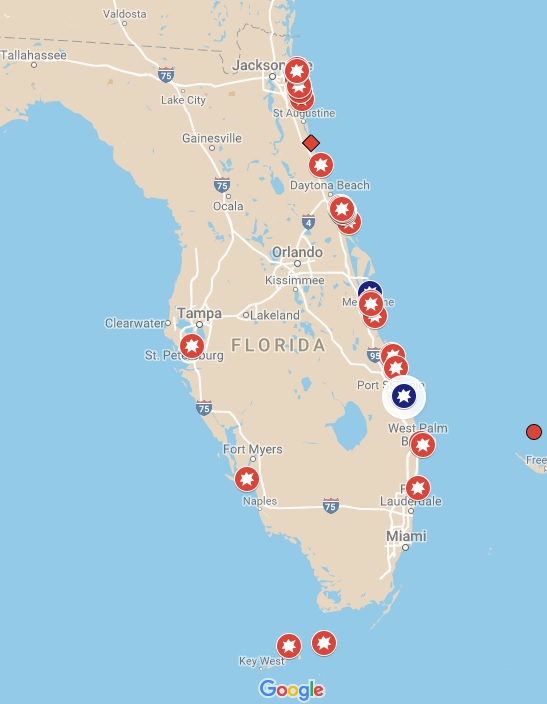
The Atlantic Coast of Florida has historically recorded the highest number of shark bites. This is not necessarily due to a higher concentration of dangerous shark species, but rather due to the sheer volume of people and the nature of the coastal environment.
Volusia County: The Unofficial Capital of Shark Bites
Volusia County, home to world-famous surf breaks like New Smyrna Beach and Daytona Beach, consistently leads Florida in reported shark bites. The reason for this distinction is primarily the area’s immense popularity with surfers and swimmers. The dynamic wave conditions and sandy, often shallow, surf zones create an environment where mistaken identity bites are more common. Surfers, with their boards and splashing limbs, can inadvertently resemble seals or other prey to sharks.
- New Smyrna Beach: Often cited as the “shark bite capital of the world,” New Smyrna Beach sees a significant number of incidents, almost all of which are minor and involve young sharks mistaking surfboards or appendages for food. The strong currents and the presence of baitfish near the shore contribute to this.
- Daytona Beach: While less concentrated than New Smyrna Beach, Daytona Beach also experiences its share of shark bites, again largely attributed to the high number of beachgoers and the dynamic nearshore environment.
Brevard County and Palm Beach County: Notable Areas of Activity
Further south along the Atlantic Coast, Brevard County (home to the Space Coast) and Palm Beach County also report a moderate number of shark bites. These areas are characterized by extensive beaches and popular water sports destinations, contributing to the statistics. The presence of offshore reefs and estuaries can also attract various shark species.
The Gulf Coast: A Different Story, But Not Shark-Free
While the Gulf Coast of Florida generally sees fewer reported shark bites than its Atlantic counterpart, it is by no means immune. The calmer, often clearer waters of the Gulf Coast might seem less intimidating, but sharks are still present.
Pinellas County and Sarasota County: Popular Tourist Destinations
Counties like Pinellas County (including areas like Clearwater Beach and St. Pete Beach) and Sarasota County (home to Siesta Key and Venice Beach) are incredibly popular with tourists seeking the tranquil beauty of the Gulf Coast. Despite the serene reputation, these areas do experience shark bites, though at a significantly lower rate than Volusia County. The types of sharks encountered here are often smaller species, and the bites are typically minor.
Lee County and Collier County: Southern Gulf Charm
Further south, Lee County (with Fort Myers Beach and Sanibel Island) and Collier County (including Naples) offer a more laid-back lifestyle and stunning natural landscapes. Shark activity here is less frequent, but beachgoers should remain aware of their surroundings. The presence of mangrove estuaries and nearshore reefs can attract various marine life, including sharks.
Minimizing Risk: How to Enjoy Florida‘s Waters Safely
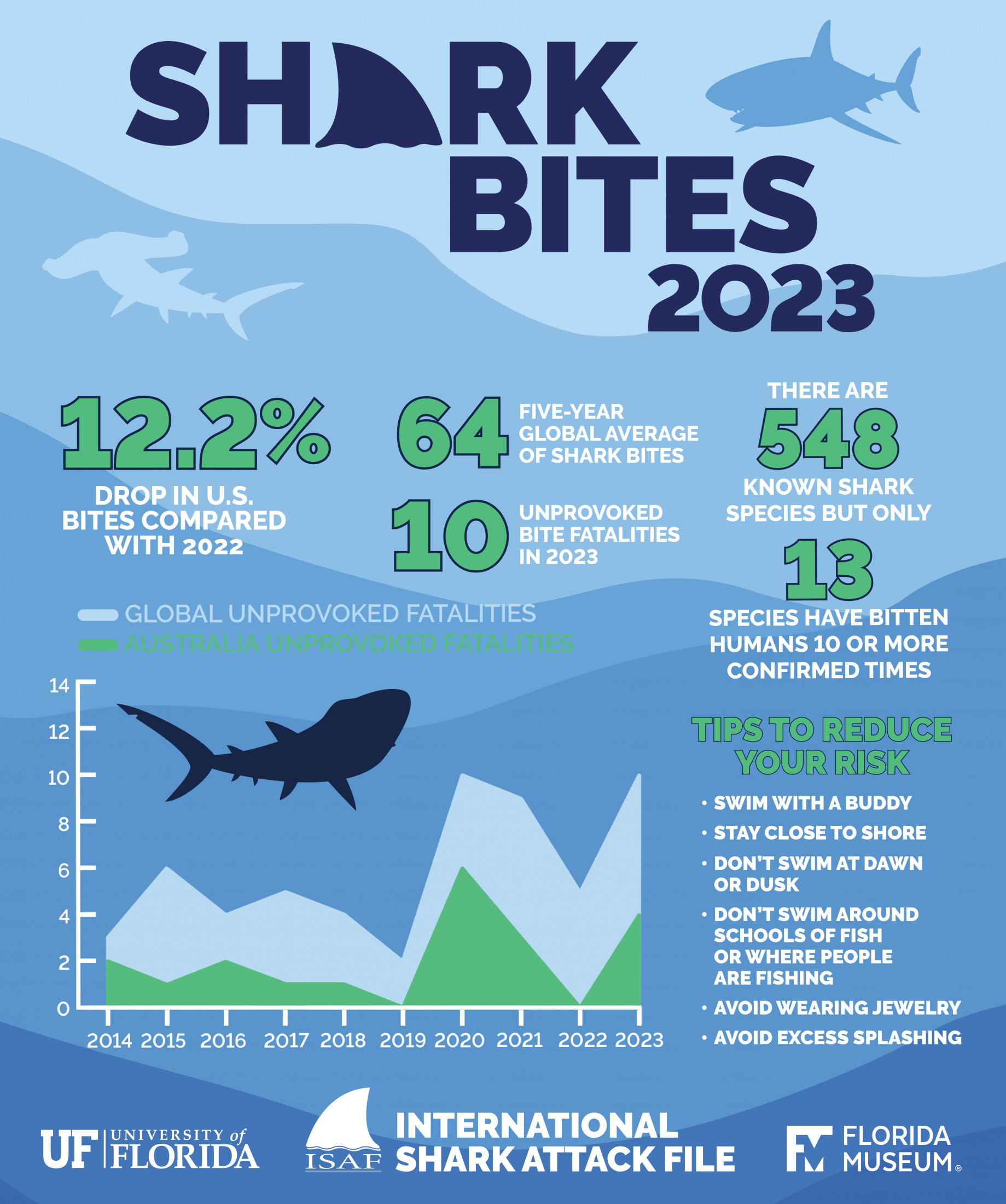
Understanding where shark bites are statistically more likely to occur can be reassuring, but the most effective way to enjoy Florida‘s beautiful beaches is by adopting safe practices. The risk of a shark encounter is incredibly low, and with simple precautions, it can be reduced even further.
Best Practices for Beachgoers and Water Sports Enthusiasts
Whether you’re planning a family trip to Orlando and venturing to the coast, or embarking on a luxury travel experience in Miami, adhering to these guidelines will enhance your safety and enjoyment:
- Swim in Groups: Sharks are more likely to approach a solitary individual. Swimming with others provides a visual deterrent.
- Avoid Dawn and Dusk: These are prime feeding times for many shark species. If possible, limit your time in the water during these periods.
- Stay Close to Shore: Sharks tend to hunt in deeper waters. Keeping your distance from drop-offs and sandbars can reduce your chances of an encounter.
- Avoid Areas Where People are Fishing: The scent of bait and struggling fish can attract sharks.
- Don’t Wear Shiny Jewelry: The glint of metal can mimic the flash of fish scales, potentially attracting a curious shark.
- Avoid Excessive Splashing: Erratic movements can be mistaken for a struggling animal.
- Exit the Water if You See Sharks or Dolphins: While dolphins are generally friendly, their presence can sometimes indicate sharks are also in the area, as they can be prey.
- Be Aware of Your Surroundings: Pay attention to any warning signs or lifeguard advisories. Florida‘s tourism sector is committed to visitor safety, and lifeguards are invaluable resources.
- Heed Local Advice: If locals suggest avoiding a particular area, it’s wise to listen.
For those staying in upscale resorts or comfortable apartments, taking a moment to chat with hotel staff or local guides can provide valuable insights into current beach conditions and any reported marine activity.
Beyond the Bite: The Importance of Sharks in Florida‘s Ecosystem
While the concern about shark attacks is understandable, it’s crucial to remember that sharks are apex predators and play a vital role in maintaining the health of Florida‘s marine ecosystems. They help control populations of other fish, keeping the ocean’s delicate balance intact. Many of the shark species found in Florida waters are not dangerous to humans, and the vast majority of encounters are harmless.
Florida‘s commitment to conservation and education means that efforts are continuously made to understand and protect these magnificent creatures. Many attractions and marine centers offer opportunities to learn about sharks, dispelling myths and fostering a greater appreciation for their importance.
When planning your accommodation in Florida, whether a quaint villa or a bustling hotel, you’re likely to be within easy reach of stunning coastlines. By staying informed, being mindful of the ocean’s natural inhabitants, and following safety guidelines, you can fully immerse yourself in the beauty and adventure that Florida has to offer, with peace of mind. The Sunshine State’s beaches are a treasure, and with a little knowledge, you can enjoy them to the fullest, knowing that the vast majority of your interactions with the ocean will be nothing short of spectacular.
LifeOutOfTheBox is a participant in the Amazon Services LLC Associates Program, an affiliate advertising program designed to provide a means for sites to earn advertising fees by advertising and linking to Amazon.com. Amazon, the Amazon logo, AmazonSupply, and the AmazonSupply logo are trademarks of Amazon.com, Inc. or its affiliates. As an Amazon Associate we earn affiliate commissions from qualifying purchases.