
The sight of a flag flying at half-mast is a somber and universally recognized symbol of mourning. In Florida, a state known for its vibrant atmosphere, sun-drenched beaches, and bustling tourist attractions, such a display often prompts questions and a desire to understand the underlying reasons. While the reasons for lowering the flag can vary, they are almost invariably tied to honoring significant individuals, commemorating national tragedies, or acknowledging periods of profound loss. For those planning a visit to the Sunshine State, or for residents seeking to comprehend the subtle shifts in local sentiment, understanding these protocols is key to appreciating the deeper context of their surroundings. This article delves into the potential reasons behind Florida‘s flags being flown at half-mast, exploring the protocols, the types of individuals or events that warrant such an honor, and how this practice integrates with the broader Florida lifestyle and tourism landscape.
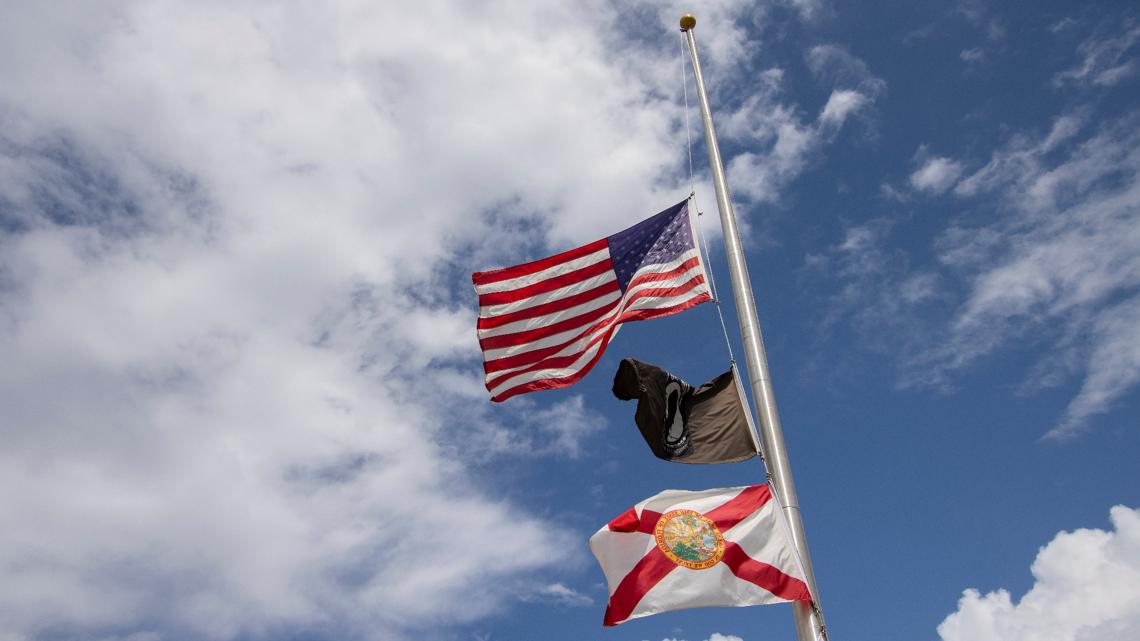
The decision to fly the United States flag at half-mast is not taken lightly. It is governed by specific protocols and traditions, primarily outlined by federal law and state executive orders. These guidelines ensure that the honor is bestowed appropriately, reflecting a collective respect and remembrance. When flags are lowered, it signifies a moment of national or state-wide reflection, a pause in the everyday hustle to acknowledge something of profound importance. For travelers, this can be a poignant reminder that even in a place synonymous with leisure and excitement, there are moments of shared solemnity. It adds a layer of depth to the experience, encouraging a greater awareness of the community and its values.
Understanding the Protocols of Mourning
The lowering of the United States flag to half-mast, also known as half-staff, is a practice steeped in maritime tradition. Historically, ships would lower their flags to half-mast as a sign of respect and mourning for a deceased comrade. This practice has evolved into a formal protocol for honoring those who have made significant contributions or for acknowledging national sorrow. In the United States, these protocols are largely dictated by the U.S. Flag Code.
Federal Guidelines and State Authority
The U.S. Flag Code provides a framework for the proper display and use of the flag. However, the specific decision to fly the flag at half-mast at federal buildings and military installations often originates from the President of the United States. Similarly, state governors have the authority to order flags at state buildings to be flown at half-mast. This means that a directive for flags to be lowered in Florida would typically come from the office of the Governor of Florida.
The duration for which the flag remains at half-mast is also subject to these directives. It can range from a few days to longer periods, depending on the significance of the individual or event being honored. For instance, following the death of a president, vice president, or a prominent national figure, the flag might fly at half-mast for 30 days. In the case of the death of a state governor or other high-ranking state officials, the Governor of Florida may order the flag to be flown at half-mast for a specified period.
Common Occasions for Half-Mast Observance
Several categories of individuals and events commonly trigger the lowering of flags to half-mast. These generally fall into the following groups:
- Deaths of National Leaders: This includes the President and Vice President of the United States, as well as current and former Supreme Court justices, members of Congress, and other high-ranking federal officials.
- Deaths of State Leaders: As mentioned, governors, lieutenant governors, and other significant state officials can be honored in this manner. This would be particularly relevant for Florida‘s own former leaders or prominent state figures.
- Deaths of Military Personnel: Flags are often lowered to half-mast to honor fallen United States military personnel, especially those killed in the line of duty. This can be on a national level or a more localized basis, depending on the circumstances.
- National Days of Remembrance: Certain national tragedies or commemorative days, such as Memorial Day or September 11th, are marked by flags being flown at half-mast for a designated period. These are national observances that would naturally apply to Florida as well.
- Acts of National Tragedy: In the event of significant national tragedies, such as mass shootings or major disasters, the President or a governor may order flags to be flown at half-mast as a sign of collective grief and solidarity.
When visiting Florida, and encountering a flag at half-mast, these are the primary reasons to consider. It’s a silent acknowledgment that something of significance has occurred, a moment that transcends the usual tourist attractions and entertainment offerings.
Honoring Prominent Figures and State Heroes
The decision to lower the flag in Florida is often a direct response to the passing of individuals who have had a profound impact on the state or the nation. These can be political figures, military heroes, or individuals who have significantly contributed to Florida‘s unique identity.
Governors, Legislators, and Public Servants
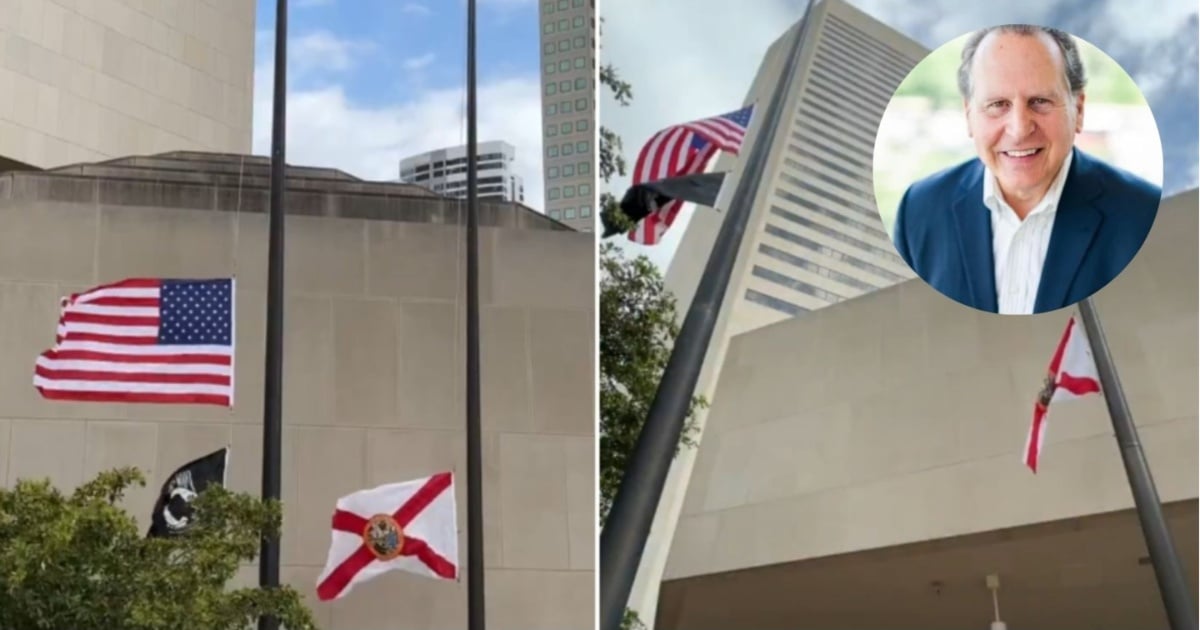
The death of a former Governor of Florida, a sitting United States Senator or Representative from Florida, or other high-ranking state officials would almost certainly lead to the flag being flown at half-mast across the state. This is a standard protocol to honor those who have served the public and shaped the state’s policies and future. Residents and visitors alike may observe this when passing state buildings or government centers.
Military and Public Safety Officials
Florida has a significant military presence and a dedicated corps of first responders. The passing of prominent military leaders with ties to Florida, or fallen Florida National Guard members, often prompts a half-mast observance. Similarly, the tragic loss of firefighters, police officers, or other public safety personnel in the line of duty is frequently honored with this solemn display. This extends to national heroes, such as astronauts or well-known veterans, who may have had a special connection to Florida.
Cultural Icons and State Luminaries
Beyond formal public service, Florida has been home to numerous cultural icons, influential business leaders, and individuals who have championed important causes. While not always codified in federal or state law, governors sometimes exercise discretion to honor figures whose contributions have left an indelible mark on the state’s cultural landscape or economy. This could include renowned artists, philanthropists, or prominent figures in sectors like sports or entertainment that are integral to the Florida tourism experience. For example, the passing of a beloved Florida athlete or a significant innovator in a sector vital to the state’s economy might warrant such an honor.
Commemorating National and State Tragedies
Beyond individual mourning, flags are often lowered to half-mast as a collective expression of grief and remembrance for significant national or state-level tragedies. These events shake the foundations of communities and often lead to a shared sense of loss that transcends political or social divides.
National Days of Mourning and Remembrance
Certain dates are permanently etched in the national consciousness as days of profound sorrow and remembrance. Memorial Day, observed on the last Monday of May, is a federal holiday dedicated to honoring the men and women who died while serving in the United States Armed Forces. On this day, flags are flown at half-mast until noon and then raised to full-staff. Veterans Day, on November 11th, honors all those who have served in the United States military, and while not always flown at half-mast for the entire day, specific ceremonies might involve this protocol.
Perhaps the most poignant national observance is on September 11th, the anniversary of the terrorist attacks in 2001. On this solemn day, flags across the United States, including in Florida, are typically flown at half-mast as a mark of remembrance for the victims. This collective act of remembrance is a powerful symbol of national unity in the face of tragedy.
Responding to State-Specific Disasters and Acts of Violence
In Florida, as in any state, devastating events can occur that call for a period of mourning. This can include natural disasters that result in significant loss of life, such as hurricanes or floods. It can also encompass tragic acts of violence that impact communities deeply. Following such events, the Governor of Florida may issue an executive order to lower flags at state facilities to half-mast, signaling solidarity with the affected communities and honoring those who were lost. This is a way for the state to collectively grieve and to demonstrate support for those who are suffering.
For travelers, witnessing this can be a somber experience. It’s an opportunity to reflect on the resilience of the human spirit and the importance of community support. It reminds us that even in destinations known for their vibrant tourism, there are profound human experiences that unite us. Whether visiting a bustling theme park in Orlando or relaxing on the beaches of the Florida Keys, the decision to fly the flag at half-mast serves as a silent, yet powerful, reminder of shared humanity and collective memory. It adds a layer of respect and understanding to any visit, encouraging a deeper connection to the place and its people.
LifeOutOfTheBox is a participant in the Amazon Services LLC Associates Program, an affiliate advertising program designed to provide a means for sites to earn advertising fees by advertising and linking to Amazon.com. Amazon, the Amazon logo, AmazonSupply, and the AmazonSupply logo are trademarks of Amazon.com, Inc. or its affiliates. As an Amazon Associate we earn affiliate commissions from qualifying purchases.