
The prospect of a tropical storm or hurricane making landfall is a recurring concern for residents and visitors alike in the Sunshine State. As the Atlantic hurricane season progresses, the focus often shifts to specific weather systems that emerge and develop. One such system that might be on the radar, depending on its formation and trajectory, is “Beryl.” This article aims to provide a comprehensive overview of what it means if a storm named Beryl were to threaten Florida, drawing on general meteorological principles and the established patterns of hurricane season, while also highlighting Florida’s readiness and the experiences of those who live and travel there.
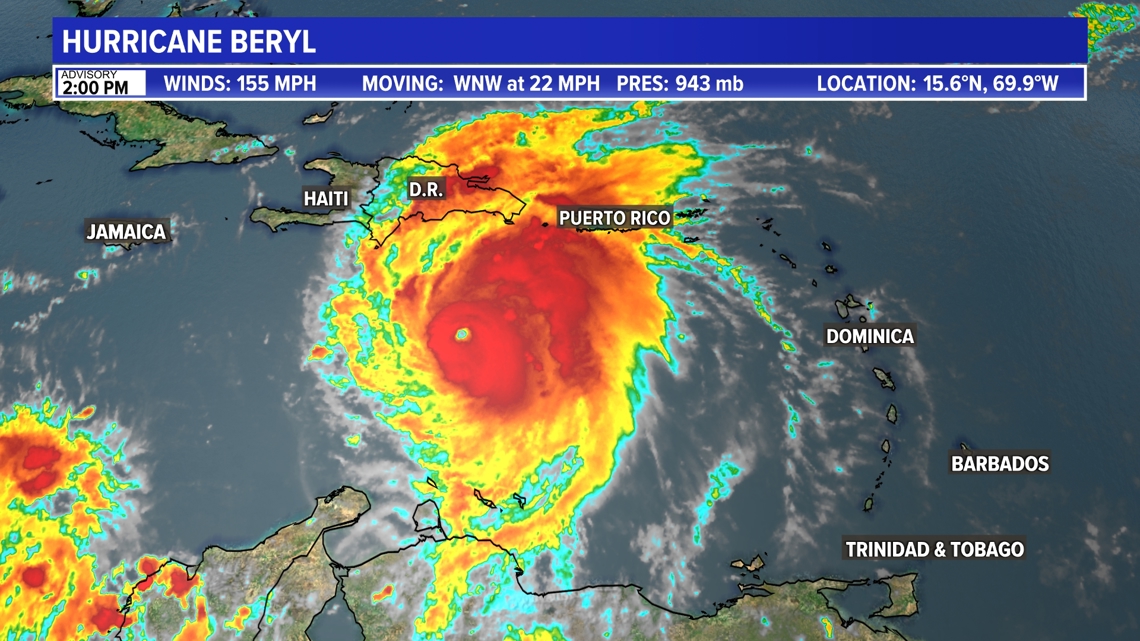
Understanding Tropical Systems and Naming Conventions
The naming of tropical storms and hurricanes is a well-established process designed to help with communication and early warning. The World Meteorological Organization maintains lists of names that are rotated alphabetically each year. These names are typically gender-neutral and are chosen to be easily recognizable and memorable. The lists are pre-determined, and names are assigned sequentially as storms reach tropical storm strength (sustained winds of 39 mph or greater).
The Atlantic Hurricane Season
The official Atlantic hurricane season runs annually from June 1st to November 30th. While the peak of the season is typically from August to October, tropical systems can and do form outside of these months, though less commonly. Factors influencing storm development include warm ocean water temperatures, atmospheric moisture, and low wind shear. When these conditions align, particularly over the vast expanse of the Atlantic Ocean, the seeds of tropical cyclones are sown.
The National Hurricane Center (NHC), based in Miami, is the primary authority responsible for tracking and forecasting these systems. They issue advisories, watches, and warnings to alert the public and relevant authorities to potential threats. The intensity of these storms is categorized using the Saffir-Simpson Hurricane Wind Scale, which classifies hurricanes from Category 1 (74-95 mph winds) to Category 5 (157+ mph winds).
What a “Beryl” Could Mean for Florida
If a tropical system were to be named Beryl, it would simply mean it has reached tropical storm strength. The real concern for Florida lies not in the name itself, but in the storm’s projected path, intensity, and the potential impacts it could have. Florida’s extensive coastline, coupled with its low-lying areas, makes it particularly vulnerable to the effects of tropical cyclones. These effects can include:
- High Winds: Capable of causing widespread damage to structures, downed power lines, and uprooted trees.
- Heavy Rainfall: Leading to inland flooding, flash floods, and potential landslides in some areas.
- Storm Surge: A dangerous rise in sea level that can inundate coastal communities, causing severe flooding and erosion. This is often the most destructive aspect of a hurricane.
- Tornadoes: Tropical systems can spawn tornadoes, often embedded within the storm’s rain bands, adding another layer of localized danger.
The possibility of a storm named Beryl impacting Florida would trigger a cascade of preparedness activities. Local and state emergency management agencies, like the Florida Division of Emergency Management, would begin monitoring the storm closely. Residents would be advised to review their hurricane plans, secure their homes, and potentially prepare for evacuations.
Florida’s Resilience and Preparedness

Florida has a long history of experiencing significant tropical storm and hurricane activity, which has fostered a strong culture of preparedness. The state has invested heavily in infrastructure, early warning systems, and public education campaigns to mitigate the impact of these natural disasters.
Infrastructure and Evacuation Routes
The state’s infrastructure is designed with tropical weather in mind. This includes reinforced building codes, extensive seawalls, and drainage systems. Crucially, Florida has a well-defined system of evacuation routes, clearly marked and communicated to residents in hurricane-prone areas. Understanding these routes and having a plan in place is paramount for anyone living or staying in Florida during hurricane season.
Emergency Management and Public Awareness
Florida’s emergency management agencies work tirelessly to prepare for and respond to tropical threats. This involves coordinating with federal agencies, such as FEMA, and local municipalities. Public awareness campaigns are launched to educate residents and visitors about hurricane risks, evacuation zones, and how to assemble emergency supply kits. The concept of “shelter in place” versus evacuation is a critical decision that depends on the storm’s category, the location of one’s accommodation, and official advisories.
Navigating Florida Travel During Hurricane Season
For those planning a trip to Florida during hurricane season, being aware of the potential for weather disruptions is essential. While many visitors enjoy the sunny skies and warm temperatures, the possibility of a storm can impact travel plans.
Travel Advisories and Flexibility
A key aspect of planning a trip to Florida during the hurricane season is to stay informed about weather forecasts and any official travel advisories issued by airlines or the Florida Department of Travel and Tourism. Many hotels and resorts in popular destinations like Orlando, Miami, the Florida Keys, and Tampa have weather guarantees or flexible cancellation policies. It is always advisable to review these policies before booking accommodation.
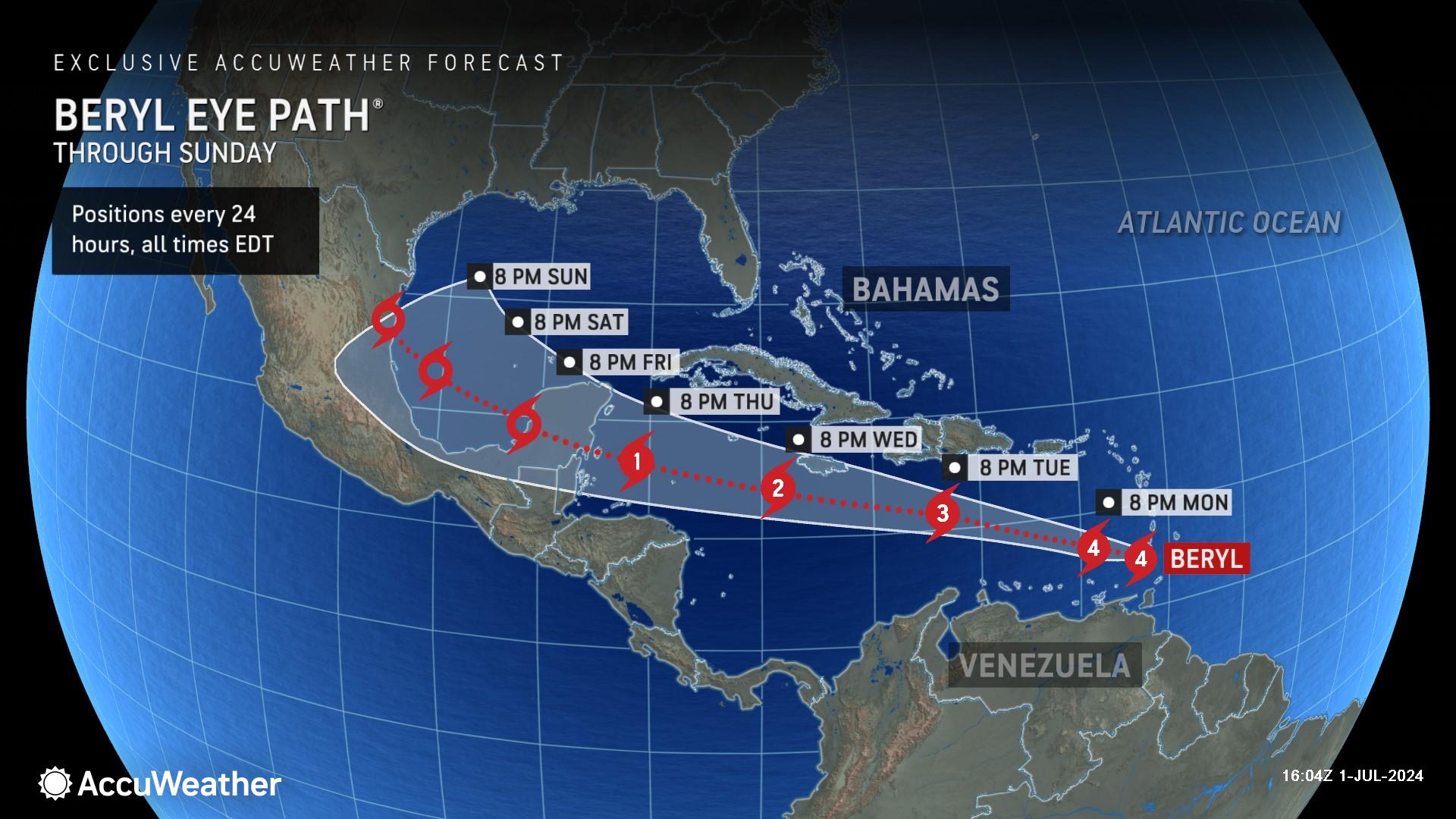
What to Do If a Storm Threatens Your Trip
If a storm named Beryl, or any other system, begins to pose a threat to Florida while you are on vacation, or if you are planning a trip that is likely to be impacted, here are some steps to consider:
- Monitor Official Sources: Stay updated with advisories from the NHC and local emergency management.
- Follow Hotel/Resort Instructions: If you are staying in a hotel, resort, or vacation rental, heed any instructions provided by the management regarding storm preparedness or evacuation. For example, if you are booked at the Ritz-Carlton Orlando, they will have specific protocols. Similarly, if you are at a beachfront property like the Fontainebleau Miami Beach, storm surge is a major concern.
- Have an Evacuation Plan: If you are in an evacuation zone, be prepared to leave. Know your evacuation route and have a designated safe place to go, whether it’s with friends or family inland or at a pre-booked hotel outside the affected area, perhaps in a city like Tallahassee.
- Secure Your Belongings: If you are in a hotel or rental, secure any outdoor furniture or items that could become projectiles in high winds.
- Stay Informed About Flight Status: If you are scheduled to fly, check with your airline for flight status updates. Airports like Miami International Airport and Orlando International Airport will have procedures in place for storm-related disruptions.
The decision to travel to Florida during hurricane season is a personal one, but with proper planning and vigilance, it is possible to enjoy the state’s many attractions. Understanding the potential risks and knowing how to respond to them is key to a safe and enjoyable experience. While the name “Beryl” might be new or unfamiliar, the underlying principles of tropical storm preparedness remain constant, ensuring that Florida is as ready as it can be for whatever nature may bring. The state’s commitment to safety extends from its permanent residents to its cherished visitors, making it a resilient destination even in the face of meteorological challenges.
LifeOutOfTheBox is a participant in the Amazon Services LLC Associates Program, an affiliate advertising program designed to provide a means for sites to earn advertising fees by advertising and linking to Amazon.com. Amazon, the Amazon logo, AmazonSupply, and the AmazonSupply logo are trademarks of Amazon.com, Inc. or its affiliates. As an Amazon Associate we earn affiliate commissions from qualifying purchases.