
When most people envision the idyllic paradise of Hawaii, their minds conjure images of sun-drenched beaches, lush rainforests teeming with vibrant flora, and the majestic presence of volcanoes. The gentle rhythm of the ocean, the sweet scent of plumeria, and the spirit of Aloha are the sensory hallmarks of this captivating archipelago. Yet, beyond the postcard-perfect scenes, a fascinating and often overlooked aspect of Hawaii’s natural world exists: its bats. The question, “Are there bats in Hawaii?” might surprise some, as these nocturnal creatures are not as prominently featured in tourist brochures as the island’s stunning landscapes or its rich cultural heritage. However, understanding the presence and role of bats adds another layer of depth to the Hawaiian experience, particularly for those interested in nature, wildlife, and the unique ecology of these isolated islands.
The presence of bats in Hawaii is a testament to the remarkable adaptability of life and the intricate processes of island biogeography. These islands, formed by volcanic activity over millions of years, are essentially living laboratories, showcasing how species colonize, evolve, and persist in isolated environments. While the lack of native land mammals is a defining characteristic of Hawaii’s fauna, bats, as flying mammals, represent a distinct evolutionary journey to these shores. Their arrival and subsequent existence are a captivating chapter in the story of Hawaiian wildlife, offering a glimpse into a world that often remains hidden from the casual observer. For travelers who venture off the beaten path, seeking to connect with the deeper natural wonders of the islands, learning about the bats can be a rewarding pursuit, enriching their understanding of Hawaii’s biodiversity and the delicate balance of its ecosystems.
The Unexpected Residents: Unveiling Hawaii’s Bat Species
Despite Hawaii’s remote oceanic location, which typically limits the terrestrial species that can colonize such environments, bats have indeed found a niche and thrived. The narrative of bats in Hawaii is not one of a single, ubiquitous species, but rather a tale of a few distinct inhabitants, each with its own story of arrival and adaptation. These creatures, often shrouded in mystery and folklore, play crucial roles in their ecosystems, from pollination to insect control, contributing significantly to the natural balance of the islands. Understanding which bats inhabit Hawaii is the first step in appreciating their importance and the unique circumstances that allow them to persist in this isolated corner of the Pacific.
The Hoary Bat: A Solitary Wanderer
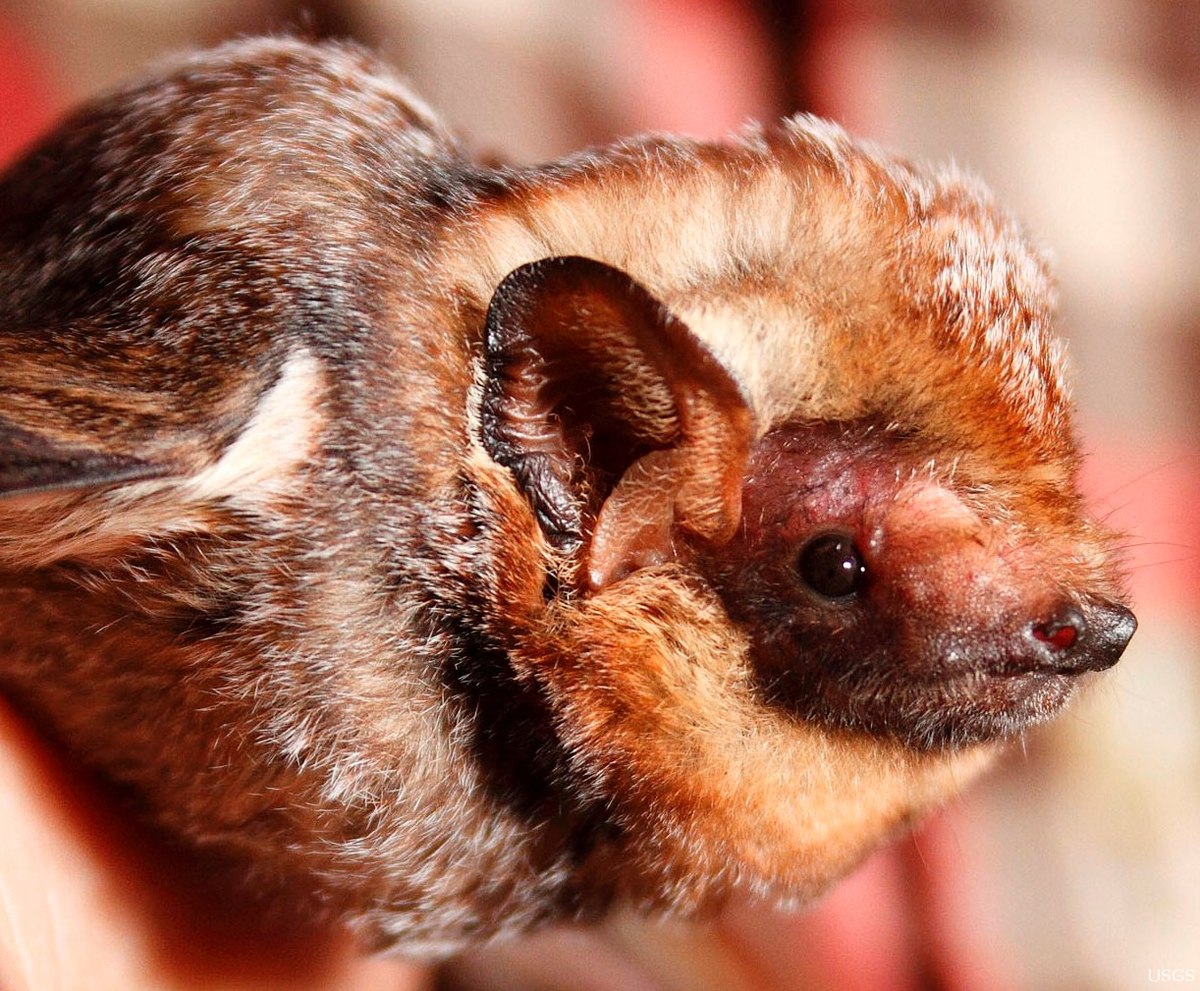
The most widespread and commonly encountered bat species in Hawaii is the Hawaiian hoary bat, scientifically known as Lasiurus cinereus semotus. This is not an endemic species in the strictest sense, as its mainland ancestor, the North American hoary bat (Lasiurus cinereus), is found across North America and parts of South America. However, the Hawaiian hoary bat is considered a distinct subspecies, having evolved in isolation for a significant period, leading to unique genetic and morphological characteristics. These adaptations allow it to thrive in the varied environments of the Hawaiian Islands.
The Hawaiian hoary bat is a medium-sized bat, easily identifiable by its characteristic grizzled appearance, a result of the pale tips on its dark fur, which gives it a frosty or hoary look. They are primarily solitary creatures, preferring to roost alone in trees, often in the canopy, where their coloration provides excellent camouflage against the bark and foliage. This preference for arboreal roosting means they are more likely to be found in forested areas, including the native montane forests and even in urban and suburban gardens with mature trees. Their diet consists mainly of insects, and they are impressive aerial hunters, using their echolocation abilities to navigate and capture prey in the darkness. Their presence is vital for controlling populations of nocturnal insects, thus contributing to the health of the Hawaiian ecosystem.
The life cycle of the Hawaiian hoary bat is also noteworthy. Females typically give birth to one or two pups per year, usually in late spring or early summer. The young are born blind and helpless and rely entirely on their mother for nourishment and protection. As they mature, they learn to fly and hunt, eventually becoming independent. The solitary nature of the Hawaiian hoary bat, coupled with its wide distribution across the islands, means that sightings, while not impossible, are often fleeting glimpses of a creature adapted to the shadows. Efforts to study and conserve this subspecies are ongoing, as its population faces threats from habitat loss and other human-induced factors, making its continued presence a delicate matter for conservationists.
The ‘Ōpeʻapeʻa: The Mysterious and Rare Insular Bat
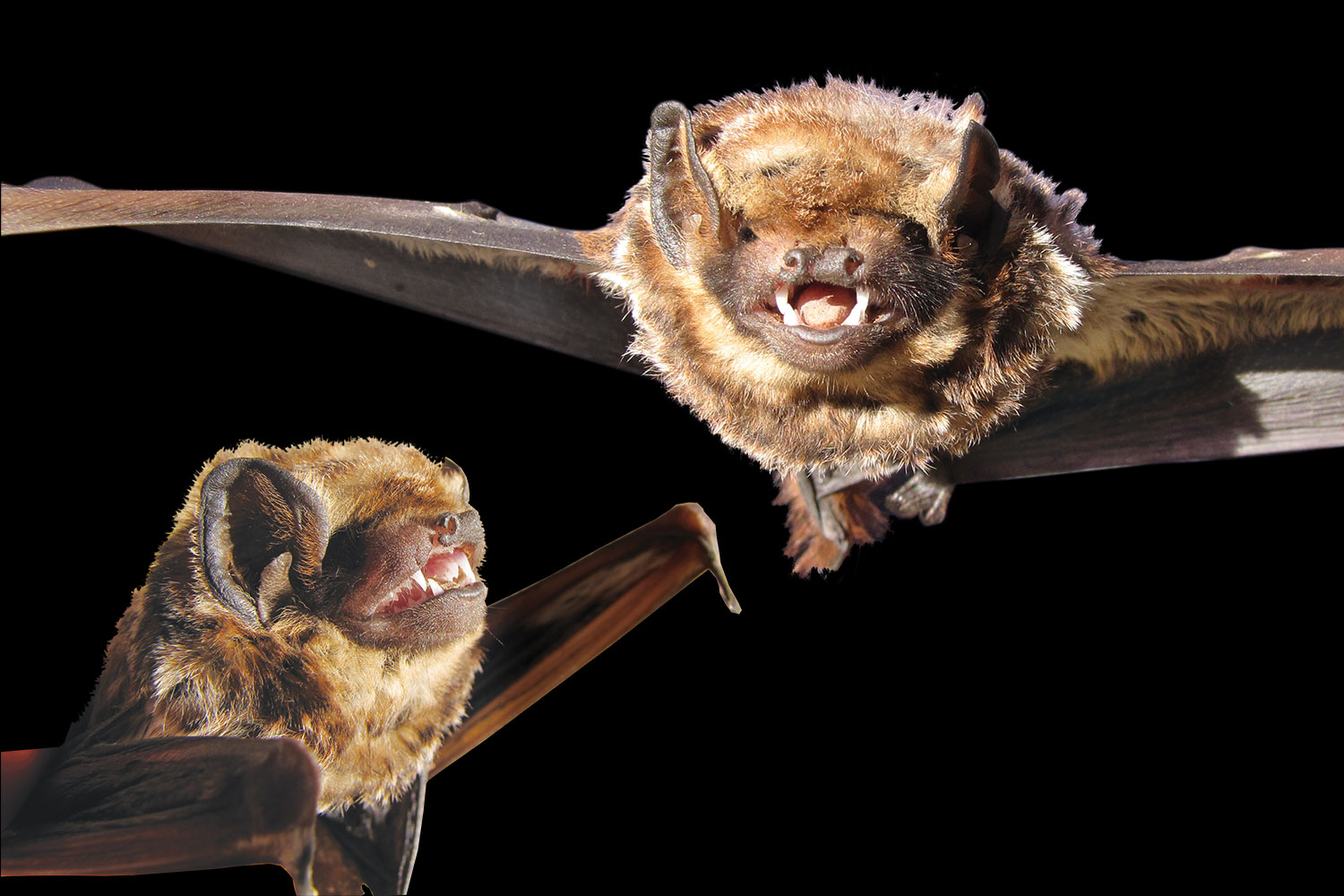
While the Hawaiian hoary bat is the most commonly found, the narrative of bats in Hawaii would be incomplete without mentioning the ʻōpeʻapeʻa, often referred to as the native Hawaiian bat. This species, Lasiurus xanthinus, is thought to have evolved from a migratory ancestor of the hoary bat, but it is now considered a distinct species, believed to be endemic to the Hawaiian Islands. However, its status and exact taxonomic classification have been subjects of scientific debate, with some researchers suggesting it may be a highly isolated population of the hoary bat rather than a completely separate species. Regardless of its precise classification, the ʻōpeʻapeʻa represents a unique evolutionary lineage in Hawaii.
The ʻōpeʻapeʻa is morphologically very similar to the Hawaiian hoary bat, making identification in the field challenging without genetic analysis. It is also a solitary, tree-roosting bat, sharing similar dietary habits and ecological roles. However, the ʻōpeʻapeʻa is considered much rarer than the Hawaiian hoary bat. Its distribution appears to be more restricted, with fewer confirmed sightings and a greater sense of mystery surrounding its populations. This rarity makes any encounter with an ʻōpeʻapeʻa a significant event for wildlife enthusiasts and researchers alike. The challenges in distinguishing it from the more common hoary bat, combined with its likely lower population numbers, contribute to its enigmatic status.
The conservation of the ʻōpeʻapeʻa is a significant concern. Like its close relative, it faces threats from habitat alteration, pesticide use, and other impacts of human development on the Hawaiian Islands. The precise ecological requirements of the ʻōpeʻapeʻa are still being studied, and understanding its habitat needs is crucial for effective conservation strategies. For travelers interested in the unique biodiversity of Hawaii, knowing that such a rare and fascinating creature exists, even if sightings are unlikely, adds a layer of intrigue to the island’s natural heritage. It underscores the importance of preserving the natural habitats that support these specialized species.
Exploring Bat Habitats and Behaviors in Hawaii
Understanding where bats in Hawaii live and how they behave provides valuable insight into their ecology and the broader natural landscape of the islands. While they are elusive creatures, certain environments and times of day offer a greater chance, albeit still slim, of encountering or observing signs of their presence. For the curious traveler, delving into these aspects can enhance their appreciation for the natural attractions beyond the typical tourist trails.
Nocturnal Foragers and Roosting Habits
The most prominent behavioral characteristic of Hawaiian bats, both the hoary bat and the ʻōpeʻapeʻa, is their nocturnal nature. They emerge from their roosts at dusk to begin their nightly foraging expeditions, primarily for insects. This means that direct sightings are most likely to occur during the twilight hours or shortly after dark. Their diet of insects is crucial for Hawaii’s ecosystem, as they help control populations of mosquitoes, moths, and other flying invertebrates that can be a nuisance or even a pest. This natural pest control service is an invaluable, though often unacknowledged, contribution of these wildlife residents.
Their roosting habits are also key to understanding their presence. As mentioned, both species are arboreal, meaning they roost in trees. This can range from the dense canopy of native forests to the branches of ornamental trees in residential areas or parks. They typically select roosts that offer good camouflage and protection from predators, which are relatively few for bats in Hawaii, especially compared to continental landmasses. However, they are sensitive to disturbance. Human activities, such as deforestation, habitat fragmentation, and even loud noises, can disrupt their roosting sites and foraging grounds. Therefore, appreciating their habitats often involves understanding the importance of preserving these natural environments. For those staying in resorts or villas surrounded by lush vegetation, the possibility of bats roosting nearby, though usually unseen, adds a touch of wildness to the experience.

Observing Bats: Tips for the Curious Traveler
Directly observing bats in Hawaii can be challenging due to their nocturnal nature, fast flight, and preference for roosting in high, inaccessible locations. However, there are indirect ways to appreciate their presence and learn more about them.
1. Dusk and Dawn Observation: The best time to potentially see bats in flight is during dusk, as they emerge to forage, or at dawn, as they return to their roosts. Finding a quiet spot with open airspace near forested areas or large trees might offer a chance for a fleeting glimpse. Areas like the ʻIao Valley State Monument on Maui, with its lush vegetation, or the more forested regions of Kauaʻi, could be potential spots, though sightings are never guaranteed.
2. Bat Detectors: For the truly dedicated wildlife enthusiast, a bat detector can be an invaluable tool. These devices translate the ultrasonic calls of bats into audible sounds, allowing you to identify their presence even if you can’t see them. This offers a unique way to experience the hidden world of Hawaiian bats.
3. Educational Programs and Nature Tours: Many Hawaiian islands offer guided nature tours or eco-tourism experiences. While not always specifically focused on bats, these tours often highlight the local wildlife and ecosystems. Sometimes, guides may have knowledge of bat roosting areas or can offer insights into their behavior. Checking with local tourism boards or resort concierges for any wildlife-focused activities is recommended.
4. Understanding Habitat Preservation: Perhaps the most impactful way to engage with the bat population is to support efforts towards habitat preservation. Choosing accommodations that are environmentally conscious, respecting natural areas, and learning about local conservation initiatives all contribute to the well-being of Hawaiian bats. Understanding that the very landmarks and nature areas you visit are also homes to these creatures fosters a deeper connection to the islands.
While the chances of a prolonged, close encounter with a Hawaiian bat might be slim, understanding their existence, their behaviors, and their vital role in the ecosystem enriches the travel experience. It adds another dimension to the already incredible tapestry of Hawaii’s natural attractions, reminding visitors that life here, in all its forms, is a marvel of adaptation and resilience. For those who appreciate the subtle wonders of the natural world, the knowledge that bats grace the Hawaiian skies adds a touch of magic to this Pacific paradise.
LifeOutOfTheBox is a participant in the Amazon Services LLC Associates Program, an affiliate advertising program designed to provide a means for sites to earn advertising fees by advertising and linking to Amazon.com. Amazon, the Amazon logo, AmazonSupply, and the AmazonSupply logo are trademarks of Amazon.com, Inc. or its affiliates. As an Amazon Associate we earn affiliate commissions from qualifying purchases.