
When planning a trip to the breathtaking islands of Hawaii, the mind often conjures images of pristine beaches, lush rainforests, vibrant coral reefs, and perhaps the majestic volcanoes of Hawaii Volcanoes National Park. Yet, for some curious travelers, a more specific question might arise: are there deer in Hawaii? The answer, perhaps surprisingly to some, is yes. While not native to the archipelago, several species of deer have established populations on the islands, adding another fascinating layer to the rich biodiversity and unique wildlife experiences that Hawaii offers.
This exploration delves into the presence of deer in Hawaii, their origins, the islands where they can be found, and what this means for visitors interested in nature, wildlife, and the unique ecological tapestry of these Pacific gems. Whether you’re staying in a luxurious Maui resort, exploring the historical sites of Oahu, or venturing into the wilder landscapes of Kauai, understanding the island’s fauna, including its introduced deer populations, can enhance your travel experience.
The Unexpected Arrival: Deer’s Journey to the Hawaiian Islands
The presence of deer in Hawaii is a testament to human intervention, a common narrative for many island ecosystems. Unlike the endemic species that evolved in isolation over millennia, Hawaii‘s deer are introduced, brought to the islands for various reasons, primarily for sport hunting.
A History of Introduction
The story of deer in Hawaii begins in the 19th century. The first recorded introduction was of Mule Deer in the late 1800s, brought to the island of Maui with the intention of creating a sustainable hunting population. These initial introductions, along with later efforts on other islands, were successful in establishing thriving deer herds.
Over time, other species were introduced, contributing to the diversity of deer found across the islands. The Black-tailed Deer was introduced to Kauai, and the Fallow Deer found its way to Lanai. Each introduction was driven by the desire to provide recreational hunting opportunities for residents and visitors alike, a practice that has continued, albeit with evolving management strategies, to this day.
The impact of introducing non-native species to an island environment is a complex topic. In Hawaii, the delicate balance of native flora and fauna means that introduced species can have significant ecological consequences. While deer have become a part of the natural landscape in certain areas, their grazing can impact native plant species, and their presence is carefully managed by state agencies to mitigate negative effects.
Which Deer Species Call Hawaii Home?
Today, several species of deer can be found roaming the landscapes of Hawaii. The most prevalent and widely recognized are:
-
Mule Deer (Odocoileus hemionus): Primarily found on Maui, the Mule Deer is a significant part of the island’s introduced wildlife. These deer are known for their large ears, hence the name “mule deer,” and are well-adapted to the varied terrain of Maui, from the slopes of Haleakala National Park to the drier scrublands.
-
Black-tailed Deer (Odocoileus hemionus columbianus): Introduced to Kauai, the Black-tailed Deer subspecies is also found on the Garden Isle. Kauai‘s lush valleys and rugged mountains provide ample habitat for these animals.
-
Fallow Deer (Dama dama): The Fallow Deer, with its distinctive spotted coat, is most commonly associated with the island of Lanai. Lanai is known for its unique landscape, including extensive pineapple plantations and the unique Garden of the Gods, where these deer have established a notable population.
-
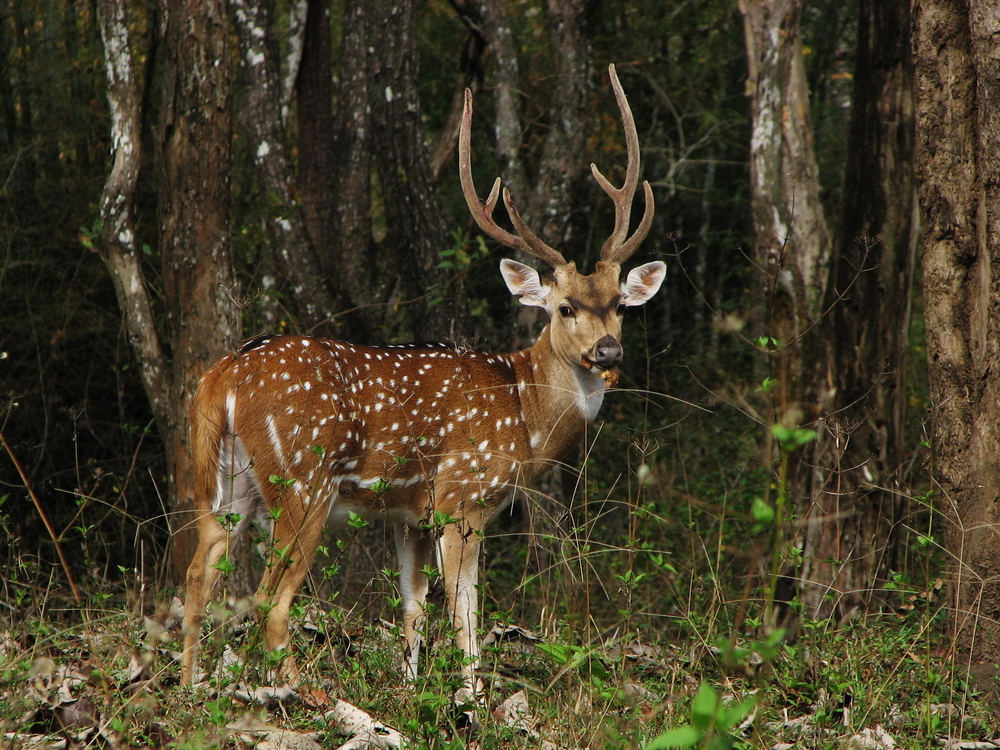
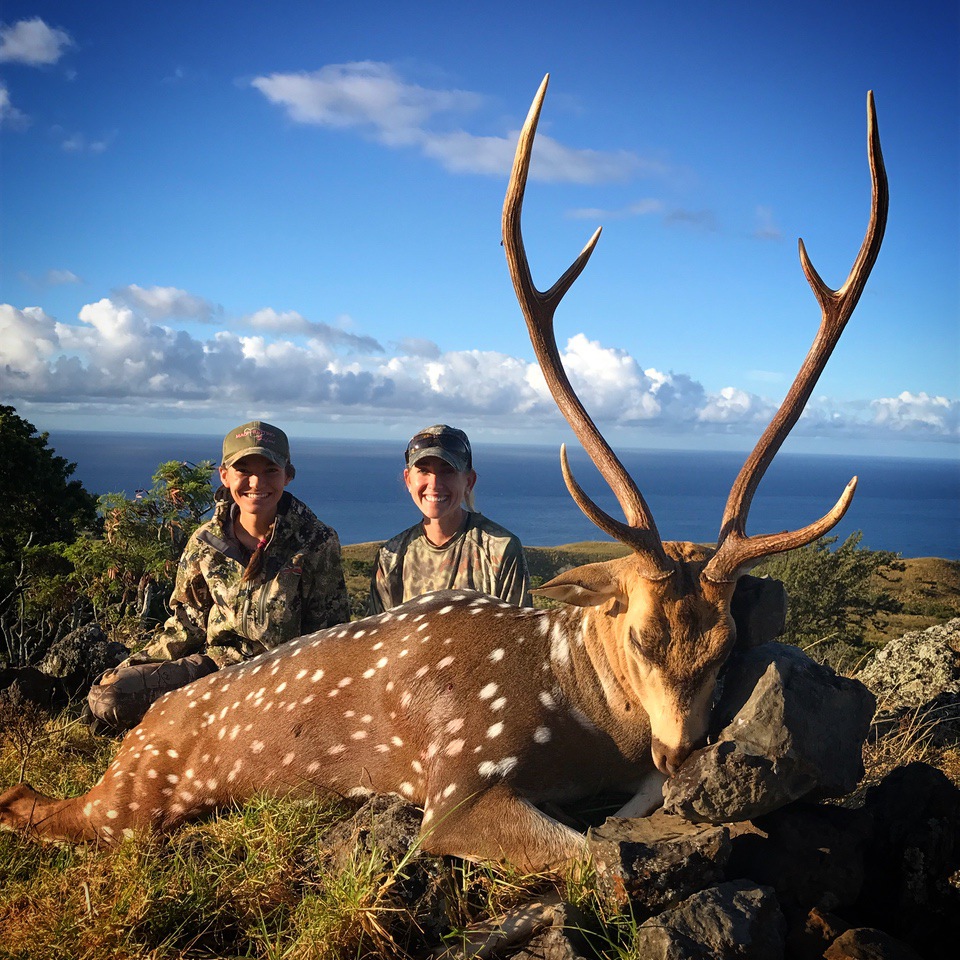
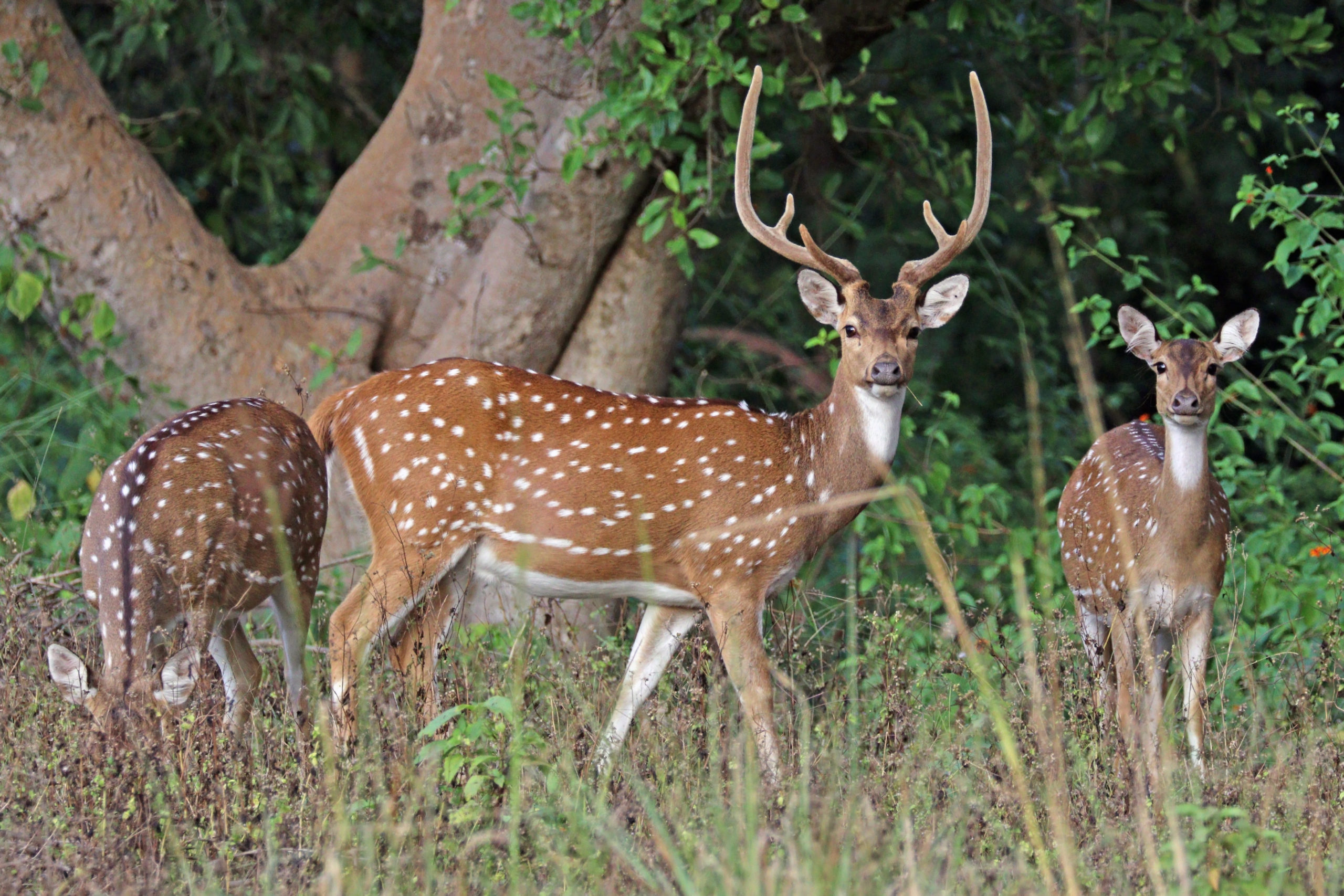
Axis Deer (Axis axis): While not as widely established as Mule Deer or Black-tailed Deer, Axis Deer have also been introduced to Hawaii and can be found on several islands, including Maui, Kauai, and Molokai. These deer are native to India and are sometimes referred to as spotted deer due to their characteristic markings. Their presence is often a subject of ecological concern due to their rapid breeding rates and potential impact on native ecosystems.
The presence of these diverse deer species contributes to Hawaii‘s unique wildlife viewing opportunities, offering a different kind of nature encounter beyond the usual avian and marine life.
Where Can You Spot Deer in Hawaii? Island-Specific Habitats
While deer can be found on multiple Hawaiian islands, their populations are concentrated in specific regions, often influenced by habitat suitability and historical introduction points. For travelers keen on spotting these graceful creatures, knowing where to look can significantly increase their chances.
Maui: A Deer Haven
Maui, the “Valley Isle,” is perhaps the most well-known island for its deer populations, particularly the Mule Deer. These animals have found a thriving home in the diverse landscapes of Maui.
-
Upcountry Maui: The higher elevations of Upcountry Maui, away from the bustling coastal resorts of Ka’anapali or Lahaina, offer prime habitat. Areas around Haleakala National Park and the rolling hills leading up to the volcano are frequented by deer. The cooler climate and vegetation at these altitudes are ideal for them.
-
Rural and Agricultural Lands: Beyond the national park, deer often venture into less populated rural areas and agricultural lands, especially in the early mornings and late evenings. Private ranches and undeveloped tracts of land can be good places to observe them from a distance.
Kauai: The Garden Isle’s Grazers
Kauai, often called the “Garden Isle” for its abundant natural beauty, is home to Black-tailed Deer. These deer have integrated into the island’s verdant environment.
-
Koke’e State Park: This mountainous state park, located in northwestern Kauai, provides a rich habitat for Black-tailed Deer. The park’s diverse vegetation, including forests and grasslands, supports the deer population. Hikers and nature enthusiasts exploring the trails within Koke’e State Park may have sightings.
-
Waimea Canyon: Known as the “Grand Canyon of the Pacific,” Waimea Canyon and the surrounding areas also host deer. The rugged terrain and interspersed vegetation create a suitable environment for them to forage.
Lanai: The Pineapple Island’s Spotted Residents
Lanai, a quieter and less developed island, is particularly known for its Fallow Deer. While much of Lanai is privately owned, managed for tourism and agriculture, the deer populations are well-established.
-
The Garden of the Gods: This unique geological formation, also known as the Keahiakawir, on Lanai features an otherworldly landscape of sandstone formations. The surrounding areas, with their scrub vegetation, provide habitat for Fallow Deer.
-
Rural Roadsides: Similar to other islands, deer can sometimes be seen grazing in fields or along rural roadsides, especially during dawn and dusk. Visitors exploring Lanai by car are advised to drive cautiously, as deer can unexpectedly cross roads.
Molokai and Oahu: Less Common Sightings
While Maui, Kauai, and Lanai are the primary strongholds for deer, populations of Axis Deer and Mule Deer can also be found on Molokai and Oahu, respectively. Sightings on these islands are generally less common and more sporadic, often in more remote or undeveloped areas away from major tourist hubs like Honolulu or Waikiki.
When seeking out wildlife, it’s always advisable to go with local guides or join organized tours that are knowledgeable about animal behavior and safe viewing practices. Many eco-tours and wildlife photography excursions might offer opportunities to observe these introduced species in their natural Hawaiian habitats.
Beyond the Beaches: Deer and Hawaii’s Ecotourism Landscape
The presence of deer in Hawaii adds an unexpected dimension to the islands’ already rich ecotourism offerings. While Hawaii is renowned for its unique endemic species like the Hawaiian Monk Seal or the Nene Goose, the introduced deer populations provide another avenue for wildlife observation and appreciation, albeit with an understanding of their ecological context.
Wildlife Viewing and Photography Opportunities
For nature enthusiasts and photographers, spotting deer in Hawaii can be a rewarding experience. Unlike the often-elusive native fauna, some deer populations have become accustomed to human presence in certain areas, making them potentially visible.
-
Morning and Evening Safaris: The best times for wildlife viewing are typically dawn and dusk, when deer are most active, foraging for food. Many tour operators offer early morning or late evening excursions specifically designed for wildlife spotting. These tours often take visitors to known deer habitats and provide guidance on responsible viewing.
-
Respectful Observation: It is crucial to observe wildlife from a safe and respectful distance. Approaching deer too closely can disturb them and alter their natural behavior. Using binoculars or telephoto lenses for photography is recommended. Feeding deer is strictly prohibited, as it can lead to health problems for the animals and alter their natural foraging habits, potentially increasing conflicts with native vegetation.
The Ecological Context: Managing Introduced Species
The presence of deer in Hawaii is also a topic of ecological discussion and management. As introduced species, they can have significant impacts on the native environment, particularly on the delicate ecosystems that have evolved in isolation.
-
Impact on Native Vegetation: Extensive grazing by deer can lead to the depletion of native plant species, altering the forest structure and potentially impacting the food sources for native birds and insects. This is a particular concern in areas where native forests are already stressed by other factors.
-
Management Strategies: State agencies like the Hawaii Department of Land and Natural Resources (DLNR) implement management strategies to control deer populations and mitigate their ecological impact. These strategies may include regulated hunting seasons, fencing in sensitive areas, and monitoring population levels. Visitors interested in the conservation efforts can often find information through park visitor centers or local environmental organizations.
Ethical Considerations for Travelers
When traveling to Hawaii and encountering deer, it’s important to be an ethical tourist. This means:
- Supporting Sustainable Tourism: Choose tour operators who prioritize responsible wildlife viewing and contribute to conservation efforts.
- Educating Yourself: Understand the ecological context of introduced species and their impact on the local environment.
- Minimizing Your Footprint: Stay on designated trails, avoid littering, and respect all local regulations.
The existence of deer in Hawaii is a fascinating facet of the islands’ natural history, a blend of natural beauty and human influence. While not native, they are now an established part of the landscape in many areas, offering unique opportunities for wildlife enthusiasts and contributing to the diverse tapestry of experiences available to visitors exploring everything from the luxurious Four Seasons Resort Lanai to the rugged trails of Koke’e State Park. As you plan your Hawaii adventure, from finding the perfect hotel in Honolulu to embarking on unforgettable experiences, keep an eye out for these graceful grazers that have made the islands their home.
LifeOutOfTheBox is a participant in the Amazon Services LLC Associates Program, an affiliate advertising program designed to provide a means for sites to earn advertising fees by advertising and linking to Amazon.com. Amazon, the Amazon logo, AmazonSupply, and the AmazonSupply logo are trademarks of Amazon.com, Inc. or its affiliates. As an Amazon Associate we earn affiliate commissions from qualifying purchases.