
Hawaii, a paradise renowned for its breathtaking natural beauty, vibrant culture, and unparalleled opportunities for adventure, beckons travelers from across the globe. While many visitors flock to its shores for sun-drenched beaches, lush rainforests, and iconic landmarks, a significant draw for others is the allure of its abundant waters and the thrill of angling. From the bustling shores of Oahu to the rugged coastlines of the Big Island, the Hawaiian archipelago offers diverse fishing experiences. However, before you cast your line into the turquoise depths, a crucial question arises: do you need a fishing license in Hawaii? The answer, as with many regulations, depends on a few key factors, and understanding these nuances will ensure your fishing endeavors are both enjoyable and compliant.
The State of Hawaii Department of Land and Natural Resources, through its Division of Aquatic Resources (DAR), governs fishing activities to ensure the sustainability of its precious marine and freshwater ecosystems. These regulations are designed to protect fish populations, preserve habitats, and provide a responsible framework for both residents and visitors to enjoy the islands’ aquatic resources. Ignoring these rules can lead to significant penalties, including fines and confiscation of equipment, detracting from the idyllic Hawaiian experience you’ve likely envisioned. Therefore, arming yourself with the correct information regarding fishing licenses is a vital first step for any aspiring angler in Hawaii.
Understanding Hawaii’s Fishing License Requirements
The fundamental principle governing fishing in Hawaii is that a license is generally required for recreational fishing. However, the specifics can vary based on where and what you are fishing for. It’s essential to distinguish between freshwater and saltwater fishing, as well as the methods employed and the specific locations where you plan to cast your line.
Freshwater Fishing in Hawaii
Freshwater fishing in Hawaii primarily involves rivers, streams, and reservoirs, and is subject to the regulations of the Division of Aquatic Resources. For these activities, a fishing license is always required, regardless of age, for any person taking, catching, or possessing any freshwater fish. This applies to all forms of freshwater fishing, whether by pole and line, net, or other legal methods.
The types of freshwater fish you can expect to encounter include species like trout, tilapia, and catfish, which have been introduced into the islands’ freshwater systems. Anglers looking to try their luck in destinations like the Wailuku River State Park on the Big Island or the numerous streams and reservoirs across the islands will need to obtain the appropriate freshwater fishing license. The licensing structure typically offers options for residents and non-residents, with varying durations such as annual, short-term (e.g., 10-day), or even one-day licenses, catering to the diverse needs of visitors. Purchasing a license usually involves a simple online process or visiting an authorized vendor, often found at bait and tackle shops or sporting goods stores across the islands.
Saltwater Fishing in Hawaii
The vast expanse of the Pacific Ocean surrounding Hawaii offers incredible saltwater fishing opportunities, from nearshore angling to deep-sea adventures. The regulations for saltwater fishing are more nuanced and depend significantly on the location and the method of fishing.
Shoreline Fishing
If you’re planning to fish from the shoreline in Hawaii, meaning you are fishing from the land directly into the ocean, a fishing license is not required. This is a key distinction that often surprises visitors. This means you can cast your line from beaches, rocky outcrops, or piers without needing to purchase a license, as long as you remain on land. This makes casual fishing accessible for everyone, allowing you to enjoy the thrill of saltwater angling without the upfront cost of a license. Popular spots for shoreline fishing include beaches around Waikiki on Oahu or the scenic coastlines of Maui.
However, it’s important to note that even with shoreline fishing, certain restrictions may apply regarding specific species, size limits, and protected areas. Always be aware of posted signs and local advisories. Additionally, when fishing from a public pier, you might still encounter specific rules or regulations enforced by the pier management or local authorities, separate from the state fishing license requirements.
Boat Fishing and Other Methods
The requirement for a fishing license in saltwater fundamentally changes when you leave the shore. If you are fishing from a boat, a kayak, or any vessel in the ocean, a Hawaii fishing license is required for each person on board who is fishing. This applies whether you are fishing in nearshore waters, venturing into deeper seas, or participating in chartered fishing trips.
Charter boats operating legally in Hawaii are typically licensed, but they are not exempt from the requirement that each individual angler must possess their own license. When booking a fishing charter, whether it’s for bottom fishing, trolling for marlin, or a deep-sea excursion, it’s prudent to confirm with the charter operator about license requirements for all participants. Many charter companies can assist with the process or advise you on where to obtain a license.
Furthermore, if you are using any method of fishing in saltwater that involves leaving the shore, such as wading into the water to fish, or using spearfishing techniques, a license will generally be required. The division aims to regulate activities that involve directly interacting with the marine environment for the purpose of catching fish, beyond simply casting a line from solid ground.
Exemptions and Special Considerations
While the general rules are relatively straightforward, there are a few important exemptions and special considerations to be aware of when it comes to fishing licenses in Hawaii. These can affect specific individuals or types of fishing activities.
Age-Based Exemptions
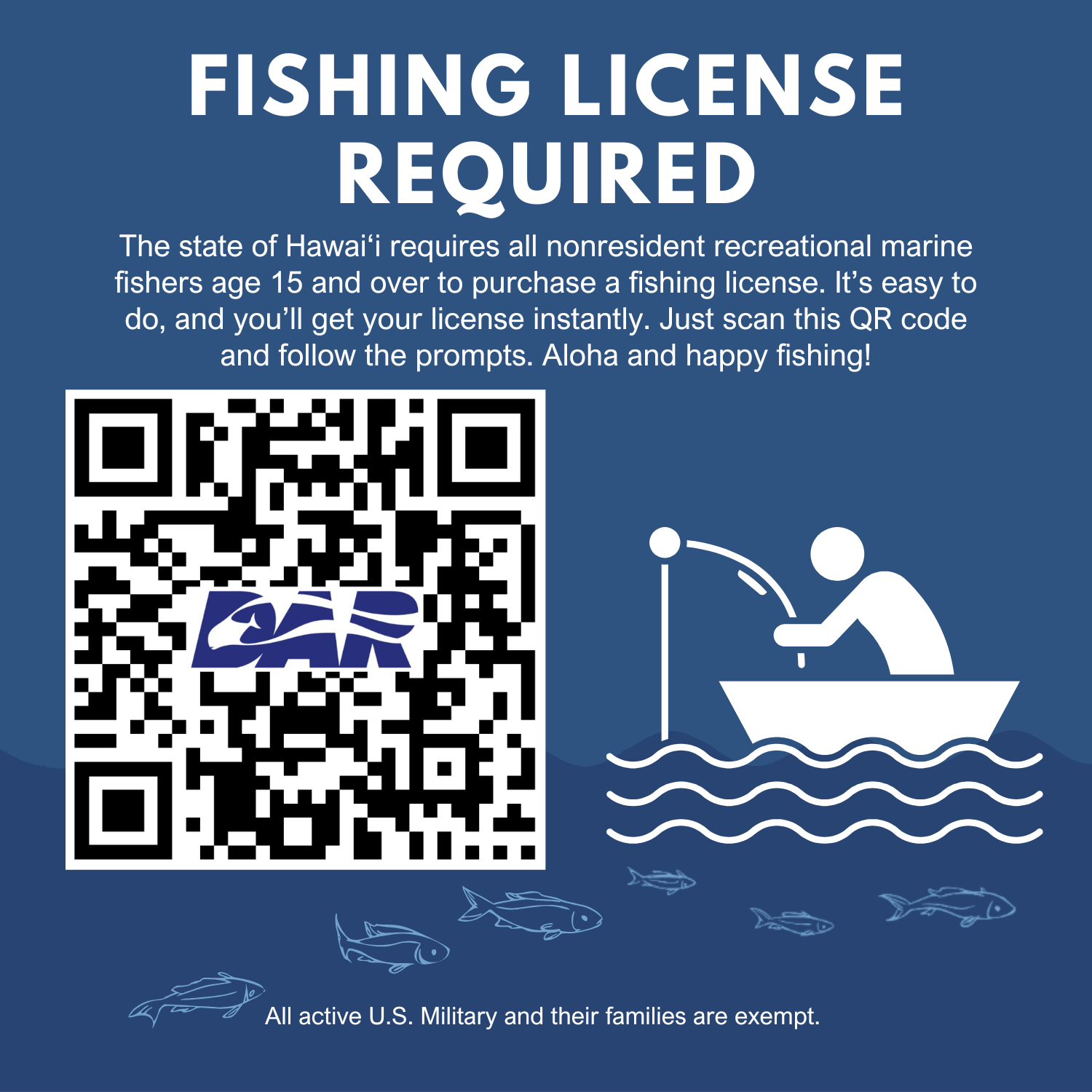
For freshwater fishing, individuals under the age of 15 are exempt from the requirement of obtaining a fishing license. This allows younger anglers to experience the joy of freshwater fishing without the need for a license. However, it is their responsibility to ensure they are fishing within the legal limits and regulations for the species they are targeting.
In saltwater, there are no age-based exemptions for obtaining a license when fishing from a boat or using other methods that require one. Anyone fishing from a vessel in the ocean waters of Hawaii needs a license, regardless of age, unless they fall under other specific exemptions.
Specific Fishing Zones and Protected Areas
Hawaii has designated certain areas where fishing is restricted or prohibited to protect marine life and habitats. These often include marine life conservation districts, areas around marine mammal breeding grounds, or protected coral reefs. It is crucial for anglers to be aware of these protected zones, which are usually clearly marked or can be identified through resources provided by the Department of Land and Natural Resources. Fishing in a prohibited area, even with a valid license, can result in penalties. For instance, areas around Molokini Crater, a popular snorkeling and diving spot, often have specific fishing restrictions.
Commercial Fishing
The regulations discussed thus far pertain to recreational fishing. Commercial fishing activities, which involve catching fish for sale or trade, are subject to a completely different and much more stringent set of licensing and permit requirements. Commercial fishers must obtain specific commercial fishing licenses and adhere to detailed regulations regarding catch limits, gear, reporting, and landing of fish. This is a separate system designed to manage the state’s fisheries for economic purposes and is distinct from the recreational fishing license framework.
Obtaining Your Hawaii Fishing License
For those who require a fishing license for their Hawaii adventure, the process is generally straightforward and designed to be accessible. The primary authority responsible for issuing fishing licenses in Hawaii is the State of Hawaii Department of Land and Natural Resources, Division of Aquatic Resources.
Where to Buy Your License
There are several convenient ways to obtain a fishing license:
- Online: The most efficient method for many visitors is to purchase a license online through the official Hawaii Department of Land and Natural Resources website. This allows you to secure your license before you even arrive in the islands or during your stay at your leisure. The website provides clear instructions and links to the licensing portal.
- In-Person at Designated Vendors: Fishing licenses can also be purchased in person at various authorized vendor locations throughout the islands. These typically include bait and tackle shops, sporting goods stores, and some county offices. If you’re planning to rent fishing gear or purchase bait, these vendors are often a good one-stop shop for your license as well. Locations can be found across all major islands, including Oahu, Maui, Kauai, and the Big Island.
- Division of Aquatic Resources Offices: While less common for tourists, direct purchase from DLNR offices is also an option.
Types of Licenses and Costs
Hawaii offers a range of license options to suit different needs:
- Resident Licenses: For individuals who are legal residents of Hawaii.
- Non-Resident Licenses: Available for visitors who are not residents of Hawaii.
- License Durations: Typically, non-resident licenses are available as short-term permits (e.g., 10-day) or annual licenses. The 10-day option is particularly convenient for tourists who are visiting for a limited period.
The cost of licenses varies depending on residency status and the duration of the permit. It’s advisable to check the official DLNR website for the most up-to-date fee schedule. These fees are crucial for funding the conservation efforts that help maintain Hawaii‘s rich aquatic biodiversity.
Essential Information to Have
When purchasing your license, you will generally need to provide:
- Your name and contact information.
- Date of birth.
- Physical description (height, weight, eye color).
- Proof of residency if applying for a resident license.
It is essential to carry your fishing license with you at all times while fishing, as it may be requested by law enforcement officers or fisheries patrol officers. Having your license readily available will prevent any potential misunderstandings or citations, allowing you to focus on enjoying your fishing experience in this tropical paradise. Whether you are exploring the lively waters near Honolulu or seeking the tranquility of a secluded stream on Kauai, understanding and adhering to Hawaii‘s fishing license regulations is key to a responsible and rewarding adventure.
LifeOutOfTheBox is a participant in the Amazon Services LLC Associates Program, an affiliate advertising program designed to provide a means for sites to earn advertising fees by advertising and linking to Amazon.com. Amazon, the Amazon logo, AmazonSupply, and the AmazonSupply logo are trademarks of Amazon.com, Inc. or its affiliates. As an Amazon Associate we earn affiliate commissions from qualifying purchases.