
The gentle whisper of the Pacific Ocean, the vibrant hues of a sunrise painting the sky, and the sweet scent of plumeria carried on the breeze – these are the sensory delights that greet you each morning in the Hawaiian Islands. But beyond the breathtaking scenery, there’s a cultural richness that truly defines the spirit of Aloha. And like any rich culture, it has its own unique ways of expressing greetings, including the simple yet profound “Good Morning.” For any traveler planning a trip to this tropical paradise, learning a few essential Hawaiian phrases can significantly enhance your experience, fostering deeper connections with the local people and a more profound appreciation for their way of life.
When you arrive in Hawaii, you’ll quickly discover that the islands offer a kaleidoscope of experiences, catering to every type of traveler. Whether you’re seeking the luxurious indulgence of world-class resorts, the adventure of exploring volcanic landscapes, or the tranquility of a secluded beach, Hawaii has it all. Understanding the local language, even in its simplest forms, acts as a key, unlocking a more authentic and rewarding journey. This is where our exploration of “Good Morning” in Hawaii truly begins, extending far beyond a mere translation to encompass the warmth and hospitality that are synonymous with the Aloha State.
Embracing the Aloha Spirit: Beyond the Translation
The most common and widely understood way to say “Good Morning” in Hawaii is, in fact, not a Hawaiian word at all, but a universally recognized greeting. This might come as a surprise to those expecting an exclusively indigenous answer. However, the beauty of Hawaii lies in its multicultural tapestry, a vibrant blend of influences from Native Hawaiian, Asian, European, and American traditions. This fusion is reflected in its language, its cuisine, and its customs.
The Universal “Good Morning” in a Tropical Setting
On Hawaii, you will frequently hear and use the English phrase “Good Morning.” This is perfectly acceptable and will be met with the same warmth and friendliness you’d expect. Locals are accustomed to visitors, and while they appreciate efforts to speak Hawaiian, fluency is certainly not a prerequisite for experiencing their genuine hospitality. You’ll hear “Good Morning” from hotel staff at the Grand Wailea Maui, A Waldorf Astoria Resort, from shopkeepers in Lahaina, and from fellow early risers enjoying the dawn at Waikiki Beach.
However, if you wish to delve a little deeper into the local language, there are Hawaiian phrases that convey a similar sentiment, often with a touch more cultural nuance. These phrases are deeply rooted in the concept of aloha, which encompasses love, peace, compassion, and a mutual sense of greeting.
Aloha: The Heart of Hawaiian Greetings
The word Aloha itself is a powerful greeting that can be used at any time of day. It is more than just “hello” or “goodbye”; it is a way of life. When you greet someone with “Aloha,” you are extending a spirit of goodwill, kindness, and respect. Therefore, in many contexts, simply saying Aloha can serve as your morning greeting. It’s a versatile and deeply meaningful word that resonates throughout the islands.
Consider the early morning tranquility of Kauai, where the sound of waves is your natural alarm clock. A simple “Aloha” to a local farmer tending their taro patch, or to a fellow walker on the Na Pali Coast trail, carries the weight of a thousand friendly words. It’s an acknowledgment of shared presence, a moment of connection in the serene start to a new day.
While “Good Morning” is perfectly fine, and Aloha is a wonderful all-purpose greeting, there are more specific ways to express “Good morning” in the Hawaiian language, though they are less commonly used in everyday casual conversation with tourists.
Exploring Deeper Hawaiian Phrases
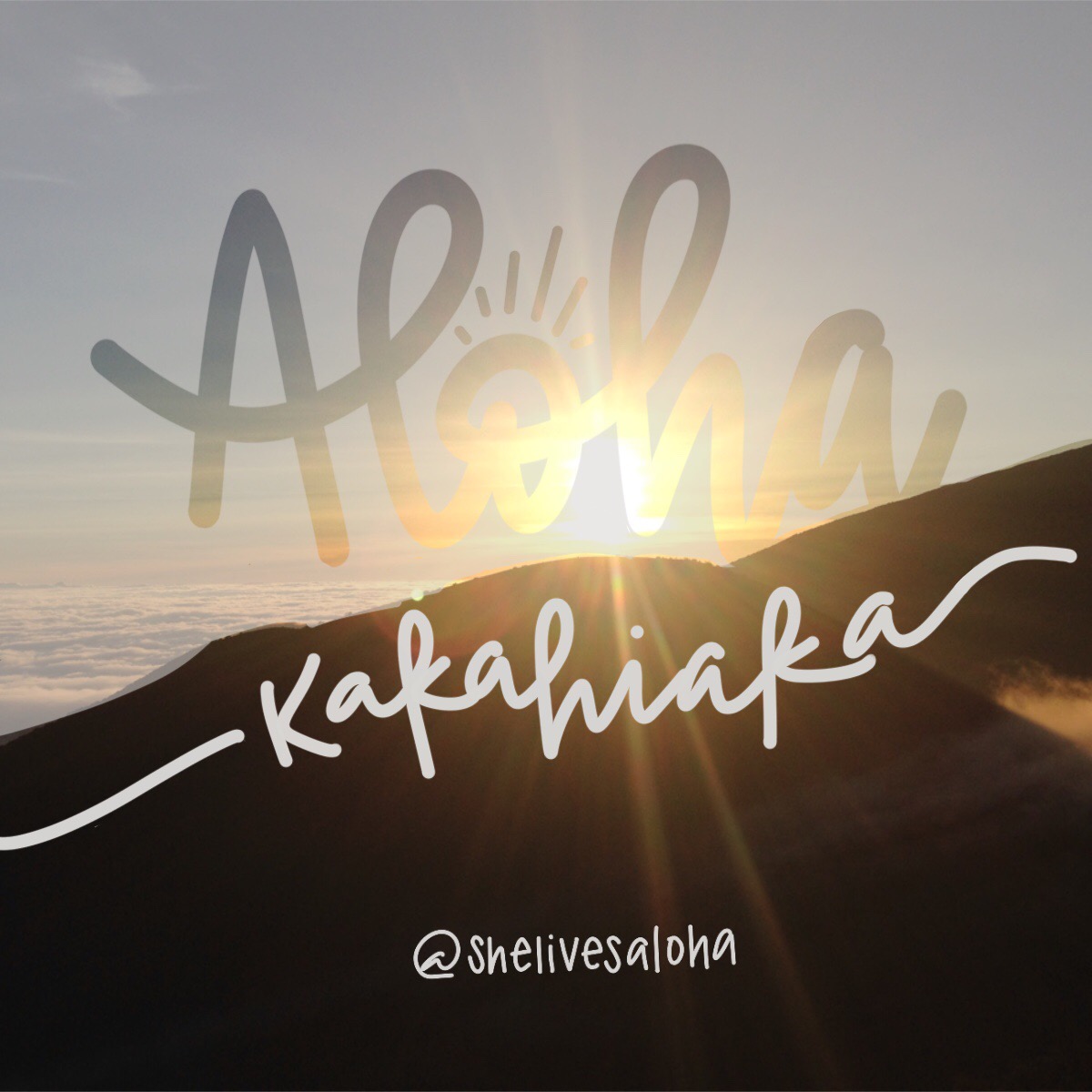
For those who want to learn a little more, the Hawaiian phrase for “Good Morning” is “Aloha kakahiaka.”
- Aloha: As mentioned, this word signifies love, peace, compassion, and hello/goodbye.
- Kakahiaka: This word means “morning.”
So, “Aloha kakahiaka” literally translates to “love morning” or “peaceful morning.” It’s a beautiful expression that encapsulates the feeling of a fresh, bright start to the day.
When to Use “Aloha Kakahiaka”:
While you might not hear it as frequently as “Good Morning” or just “Aloha” from locals addressing tourists, using “Aloha kakahiaka” can be a delightful surprise for those you encounter. It shows an effort to connect with the Hawaiian language and culture, which is always appreciated.
- With Local Residents: If you are staying in a smaller, more traditional community, or if you strike up a conversation with someone who is particularly proud of their Hawaiian heritage, using “Aloha kakahiaka” will likely be met with a warm smile and perhaps even a shared phrase in return.
- In Cultural Settings: During a traditional lūʻau, a visit to a cultural center like the Polynesian Cultural Center, or an educational tour, using “Aloha kakahiaka” can be particularly fitting and respectful.
- With Friends and Family You’ve Met: If you’ve made connections with locals during your trip, a well-placed “Aloha kakahiaka” can deepen those bonds.
It’s important to remember that pronunciation can be key in Hawaiian. The “k” in kakahiaka is similar to the English “k.” The “a” sounds are generally short and clear, like the “a” in “father.” The “i” sounds are like the “ee” in “see.”

Experiencing the Morning in Hawaii: Activities and Destinations
The way you greet the morning in Hawaii is often intrinsically linked to how you choose to experience it. The islands offer a plethora of activities and destinations that make waking up early a rewarding endeavor. From the rugged beauty of the Big Island to the famed beaches of Oahu, each island presents unique opportunities to embrace the dawn.
Sunrises and Serenity: Iconic Morning Destinations
Witnessing a sunrise in Hawaii is a spiritual experience, a moment of pure, unadulterated natural beauty.
-
Haleakala National Park, Maui: Perhaps one of the most famous sunrise locations in the world, watching the sun ascend above the clouds from the summit of Haleakalā is an unforgettable experience. Visitors often wake in the pre-dawn darkness, dress in warm layers (it can be surprisingly cold at the summit), and make their way to the lookout points. The sheer vastness of the landscape, illuminated by the nascent sun, is awe-inspiring. After the sunrise, you might hear a soft “Aloha kakahiaka” shared between fellow travelers, a silent acknowledgment of the shared wonder. For those staying nearby, the Andaz Maui at Wailea Resort offers luxurious accommodations from which to embark on this early morning adventure.
-
Volcanoes National Park, Hawaii Island: Waking up to the sight of molten lava glowing in the distance is a starkly beautiful contrast to the gentle sunrises on other islands. While the lava flow viewing can be dynamic and change, the dawn light often offers a unique perspective on the raw power of Kīlauea. Staying at a place like the Volcano House Hotel puts you right at the heart of this geological marvel.
-
Waikiki Beach, Oahu: For a more accessible and vibrant sunrise experience, Waikiki Beach offers a stunning backdrop. The golden light reflecting off the calm morning waters, with Diamond Head in the distance, is a quintessential Hawaii scene. Many hotels along Kalakaua Avenue, such as the Moana Surfrider, A Westin Resort & Spa, provide direct access or stunning views of this iconic beach. Starting your day with a stroll or a yoga session on the beach, perhaps with a friendly “Good Morning” to a fellow early riser, is a perfect introduction to Oahu.
Morning Activities to Embrace
Beyond watching the sunrise, Hawaii offers a wealth of morning activities that allow you to immerse yourself in the local culture and natural beauty.
-
Surfing Lessons in Waikiki: The gentle waves of Waikiki are ideal for beginners. Taking a surfing lesson as the sun rises is an exhilarating way to start your day. Local surf schools often begin their lessons early, and a cheerful “Aloha!” or “Good Morning!” to your instructor is a great icebreaker.
-
Farmers Markets: Hawaii boasts vibrant farmers markets that come alive in the early morning. Visiting a market in towns like Kailua on Oahu or Haleiwa allows you to sample fresh local produce, enjoy Hawaiian coffee, and interact with local vendors. A simple “Good morning” as you browse the stalls can lead to delightful conversations about the island’s bounty.
-
Hiking and Nature Walks: Trails across all islands offer incredible morning experiences. The Manoa Falls Trail on Oahu, or the numerous trails around Hana, Maui, are best explored in the cooler morning hours. The sounds of the forest waking up, the dew on the leaves, and the possibility of spotting native birds create a serene atmosphere.
-
Snorkeling and Diving: The waters around Hawaii are teeming with marine life. Early morning often brings calmer seas and clearer visibility, making it an ideal time for snorkeling or diving. Resorts like the Four Seasons Resort Oahu at Ko Olina can arrange these excursions, and a polite “Good morning!” to your guide is always well-received.
Cultural Etiquette and Language Learning
As you plan your trip to Hawaii, understanding a bit about the local culture and language will undoubtedly enrich your journey. While “Good Morning” in English is perfectly fine, making an effort to use Hawaiian phrases demonstrates respect and an eagerness to engage with the local heritage.
The Importance of “Aloha”
The spirit of Aloha permeates every aspect of Hawaiian life. It’s about extending warmth, kindness, and respect. When you greet someone with Aloha, you are not just saying hello; you are acknowledging them as a fellow human being and sharing a piece of that spirit. This applies to all times of day, but it’s particularly poignant in the quiet contemplation of the morning.

Tips for Learning and Using Hawaiian Phrases
- Start Simple: Begin with Aloha and “Aloha kakahiaka.” These are the most common and useful phrases for greetings.
- Listen and Observe: Pay attention to how locals greet each other. You’ll pick up on the nuances and common expressions.
- Don’t Be Afraid to Try: Hawaiians are generally forgiving and appreciative of any attempt to speak their language. A genuine smile and an earnest effort go a long way.
- Pronunciation Matters (but don’t stress too much): While getting the pronunciation perfect can be challenging, making an effort is more important than flawless execution. Online resources and language apps can help you with pronunciation guides. For kakahiaka, remember the stress is usually on the second to last syllable: ka-ka-HI-a-ka.
- Combine with English: It’s perfectly acceptable to combine English with Hawaiian. You might say, “Good morning, Aloha!” or “Good morning, Aloha kakahiaka!”
- Learn Basic Phrases: Beyond greetings, learning a few other basic phrases like “Mahalo” (thank you), “ʻAe” (yes), and “ʻAʻole” (no) can be very helpful and are always appreciated.
When you visit places like the Iolani Palace on Oahu, a historical landmark, or engage with cultural practitioners, showing an understanding and appreciation for the Hawaiian language will undoubtedly enhance your experience. The goal isn’t to become fluent overnight, but to show respect for the indigenous culture that forms the soul of these beautiful islands.
In conclusion, while the simple and universal “Good Morning” will serve you well in Hawaii, embracing “Aloha kakahiaka” or the all-encompassing Aloha can open doors to deeper connections and a richer understanding of this magical place. So, as the sun begins its climb over the Pacific, whether you’re on the shores of Maui or exploring the volcanoes of the Big Island, remember to greet the day – and its people – with the warmth and spirit of Aloha.
LifeOutOfTheBox is a participant in the Amazon Services LLC Associates Program, an affiliate advertising program designed to provide a means for sites to earn advertising fees by advertising and linking to Amazon.com. Amazon, the Amazon logo, AmazonSupply, and the AmazonSupply logo are trademarks of Amazon.com, Inc. or its affiliates. As an Amazon Associate we earn affiliate commissions from qualifying purchases.