
Dreaming of trading the fog of San Francisco for the sun-drenched shores of Hawaii? The turquoise waters, lush landscapes, and vibrant Hawaiian culture beckon, and a crucial question looms for any prospective traveler: how long does it actually take to get there? Understanding the flight duration is a key piece of the puzzle when planning your perfect island getaway, influencing everything from the time of day you depart to how much time you’ll have upon arrival to explore the stunning landmarks and attractions that await.
The flight from San Francisco International Airport (SFO) to various islands in Hawaii is a popular route for many seeking a tropical escape. While the exact time can fluctuate, knowing the general range will help you strategize your travel plans, whether you’re looking for a quick weekend budget travel jaunt or a more leisurely luxury travel experience. This guide will delve into the typical flight times, factors that influence them, and what to expect as you embark on your journey across the Pacific.
Understanding Flight Durations: San Francisco to Hawaii
The vast expanse of the Pacific Ocean separates California from the idyllic islands of Hawaii. This distance translates into a significant, yet manageable, flight time for travelers. When you search for flights from San Francisco to Hawaii, you’ll encounter a range of durations, primarily dictated by your specific island destination and the airline you choose.
Direct Flights: The Fastest Route to Paradise
For those prioritizing speed and efficiency, direct flights offer the most straightforward and time-saving option. Several major airlines operate non-stop services from San Francisco International Airport to the most popular Hawaiian islands.
Honolulu International Airport (HNL)
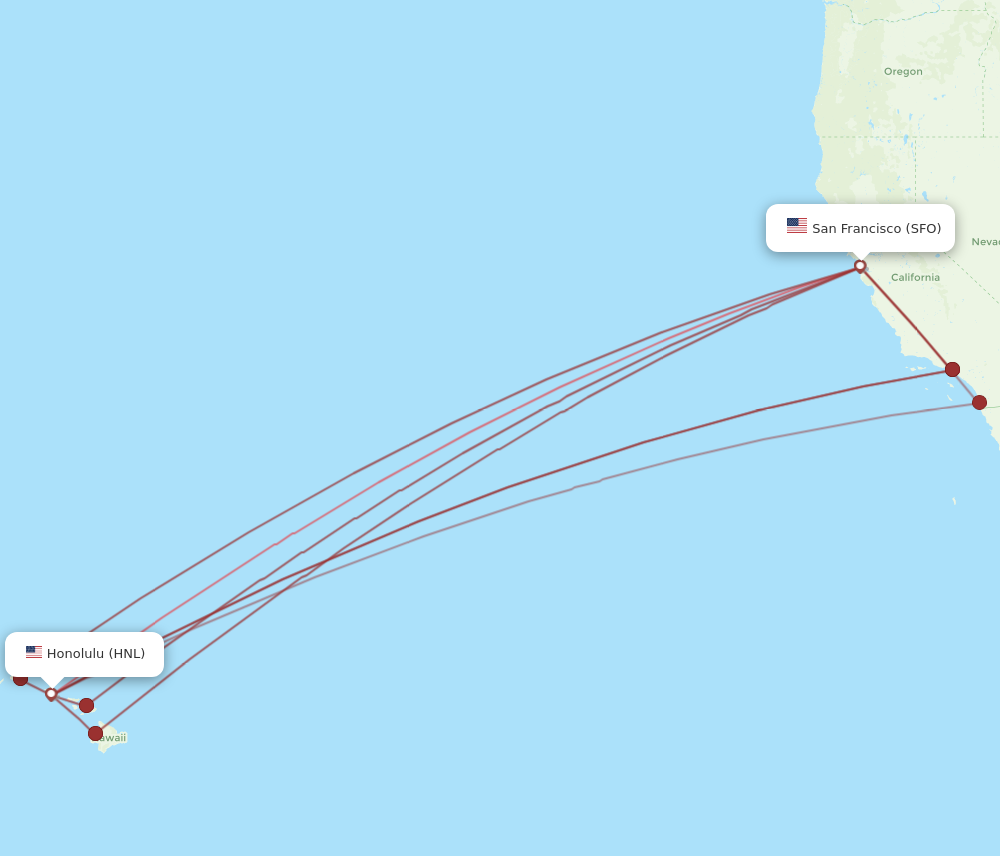
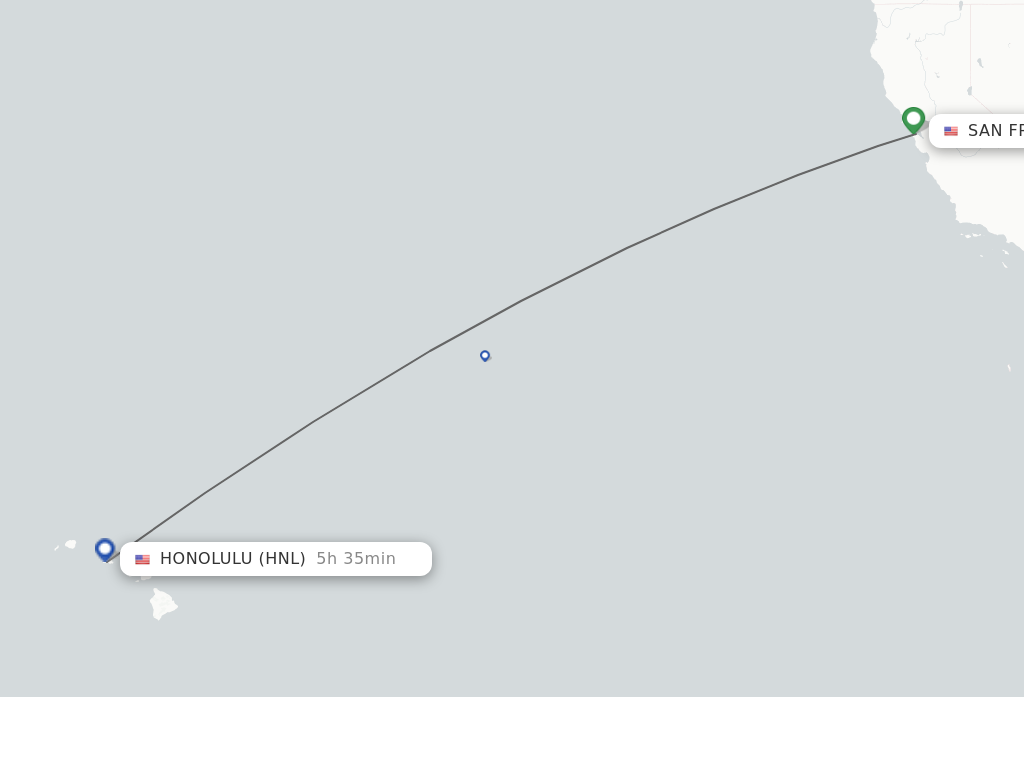
The primary gateway to Hawaii is Honolulu International Airport on the island of Oahu. Direct flights from San Francisco to Honolulu typically range from 4.5 to 5.5 hours. This is the most common flight duration and offers a good balance for those wanting to maximize their time on the islands without excessive travel. Upon landing in Honolulu, you can immediately immerse yourself in the bustling atmosphere of Waikiki, explore iconic landmarks like Pearl Harbor, or find your perfect accommodation.
Other Major Hawaiian Islands
Beyond Oahu, direct flights from San Francisco are also commonly available to other major islands.
-
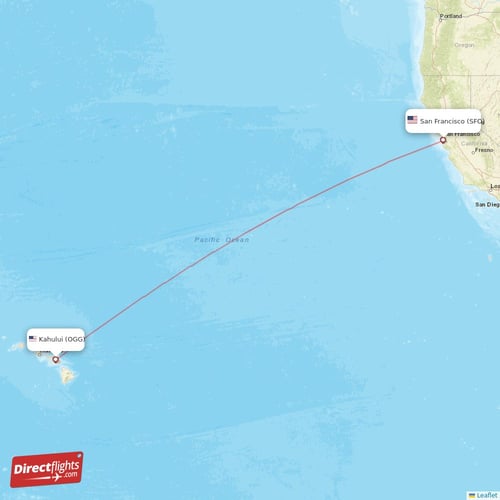
Maui (OGG – Kahului Airport): Flights to Maui are generally very similar in duration to those going to Honolulu, typically falling within the 4.5 to 5.5-hour range. This makes it an equally accessible destination for a quick escape. You can quickly reach your chosen resort or villa to begin your exploration of the island’s diverse attractions, from the beaches of Ka’anapali to the scenic Road to Hana.
-
Kona International Airport (KOA) on the Big Island: Flying into Kona on the island of Hawaii, often referred to as the “Big Island,” also boasts direct flight durations within the 5 to 6-hour window. This slightly longer flight time is attributed to its location on the western side of the island. Once you land, you’re a short drive away from volcanic wonders like Hawaii Volcanoes National Park and the vibrant coffee farms of the Kona region.
-
Lihue Airport (LIH) on Kauai: For those drawn to the dramatic cliffs of the Na Pali Coast and the lush beauty of Kauai, direct flights from San Francisco are typically around 5 to 5.5 hours. This allows you to swiftly transition from your departure city to the “Garden Isle,” ready to explore its natural wonders.
These direct flight times are based on average conditions and can be influenced by various external factors. It’s always recommended to check with your specific airline for the most accurate flight duration for your chosen date and destination.
Factors Influencing Flight Time
While the direct flight durations provide a solid baseline, several elements can cause these times to fluctuate. Understanding these factors can help you manage your expectations and plan your itinerary accordingly, ensuring a smooth and enjoyable travel experience.
Wind Patterns and Jet Streams
The most significant factor affecting flight duration across such a long distance is the prevailing wind. Flights traveling eastward, against the jet stream, will naturally take longer than those traveling westward, with the jet stream’s assistance. In the case of flights from San Francisco to Hawaii, you are generally flying westward. This means you are more likely to benefit from tailwinds, which can shorten the flight duration. However, variations in wind speed and direction can still lead to minor differences in flight times on any given day. Pilots constantly monitor these conditions to optimize the flight path for both speed and fuel efficiency.
Airline and Aircraft Type
Different airlines may have varying flight schedules and utilize different aircraft models. While most major carriers flying this route will offer similar flight times, subtle differences can exist. Larger aircraft might be capable of slightly higher cruising speeds, and their flight paths might be optimized differently. Furthermore, the specific routing chosen by an airline can also play a role. Some may opt for slightly different air corridors based on air traffic control, weather patterns, or fuel considerations.
Time of Day and Day of Week
While not a direct impact on the physical flight time itself, the time of day and day of the week can indirectly influence perceived travel duration. Flights departing late at night might feel longer due to fatigue, whereas early morning departures can help you arrive in Hawaii with a full day ahead, making the travel time feel more productive. Similarly, during peak travel seasons or holidays, air traffic might be more congested, potentially leading to slight delays in boarding or taxiing, although this usually has a minimal impact on the actual airborne time.
Connections and Layover Times
For travelers booking flights with one or more connections, the total travel time will be significantly longer than a direct flight. Flights from San Francisco to Hawaii that involve layovers, typically in another US city like Los Angeles or Seattle, can extend the journey to 8, 10, or even 12+ hours. This is a crucial consideration when comparing flight options. While often cheaper, these extended journeys require more patience and can be exhausting, especially for those on shorter trips or traveling with young children for a family trip. Carefully reviewing the layover duration is essential to ensure you have enough time to connect between flights without undue stress.
Preparing for Your Hawaiian Adventure
Knowing how long your flight will be is the first step. The next is to prepare for your arrival and maximize your enjoyment of the islands, whether you’re seeking relaxation at a luxury resort or embarking on adventurous activities.
Arrival and Time Zone Differences
When you land in Hawaii, you’ll also need to account for the time zone difference. Hawaii observes Hawaii Standard Time (HST), which is three hours behind Pacific Standard Time (PST) – the time zone used in San Francisco during daylight saving months – and four hours behind Pacific Standard Time (PST) during the winter months. This means that a 5-hour flight departing San Francisco at 9:00 AM PST will arrive in Honolulu around 11:00 AM HST (9:00 AM PST – 5 hours flight + 3 hours time difference = 7:00 AM PST arrival time. So if departure is 9 AM PST, it’s 6 AM HST arrival). This time difference can be disorienting at first, so it’s wise to have a plan for your first day to help you adjust to the new schedule. Staying hydrated, getting some sunlight, and avoiding immediate strenuous activities can aid in combating jet lag.
Making the Most of Your Time
Regardless of whether your flight is on the shorter side of 4.5 hours or extends to 6 hours for direct routes, or even longer with layovers, planning is key to a memorable trip. Research the local culture, the best food experiences, and the must-see attractions for the island you are visiting. Consider booking popular tours or restaurant reservations in advance, especially during peak seasons. Whether you’re staying in a charming boutique hotel or a sprawling apartment for a long-term stay, having a rough itinerary will help you make the most of every precious moment in paradise. Remember to factor in travel time to and from the airport in San Francisco and your final destination in Hawaii when calculating your total travel day.
LifeOutOfTheBox is a participant in the Amazon Services LLC Associates Program, an affiliate advertising program designed to provide a means for sites to earn advertising fees by advertising and linking to Amazon.com. Amazon, the Amazon logo, AmazonSupply, and the AmazonSupply logo are trademarks of Amazon.com, Inc. or its affiliates. As an Amazon Associate we earn affiliate commissions from qualifying purchases.