
The allure of the Hawaiian Islands is undeniable. With their pristine beaches, lush rainforests, vibrant culture, and a spirit of aloha, they beckon travelers from across the globe. For those residing in the Mile High City of Denver, the journey to this Pacific paradise might seem like a significant undertaking. Understanding the flight duration is a crucial first step in planning your dream vacation. This comprehensive guide will delve into the specifics of flights from Denver to Hawaii, covering the typical flight times, factors influencing them, and what you can expect once you arrive.

Understanding Flight Durations From Denver to Hawaii
When embarking on a journey from Denver, Colorado, to the beautiful islands of Hawaii, the primary question on many travelers’ minds is: “How long will I be in the air?” The answer, however, isn’t a single, fixed number. Several variables contribute to the overall flight time, making it essential to consider these nuances when booking your trip and managing your expectations.
Direct vs. Connecting Flights
The most significant factor influencing flight duration is whether you opt for a direct flight or one with layovers.
Direct Flights: The Fastest Route
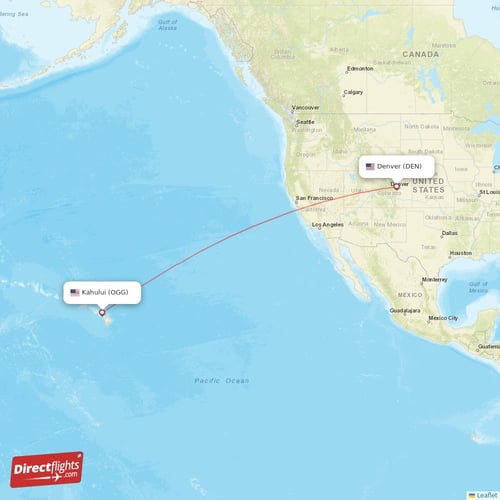
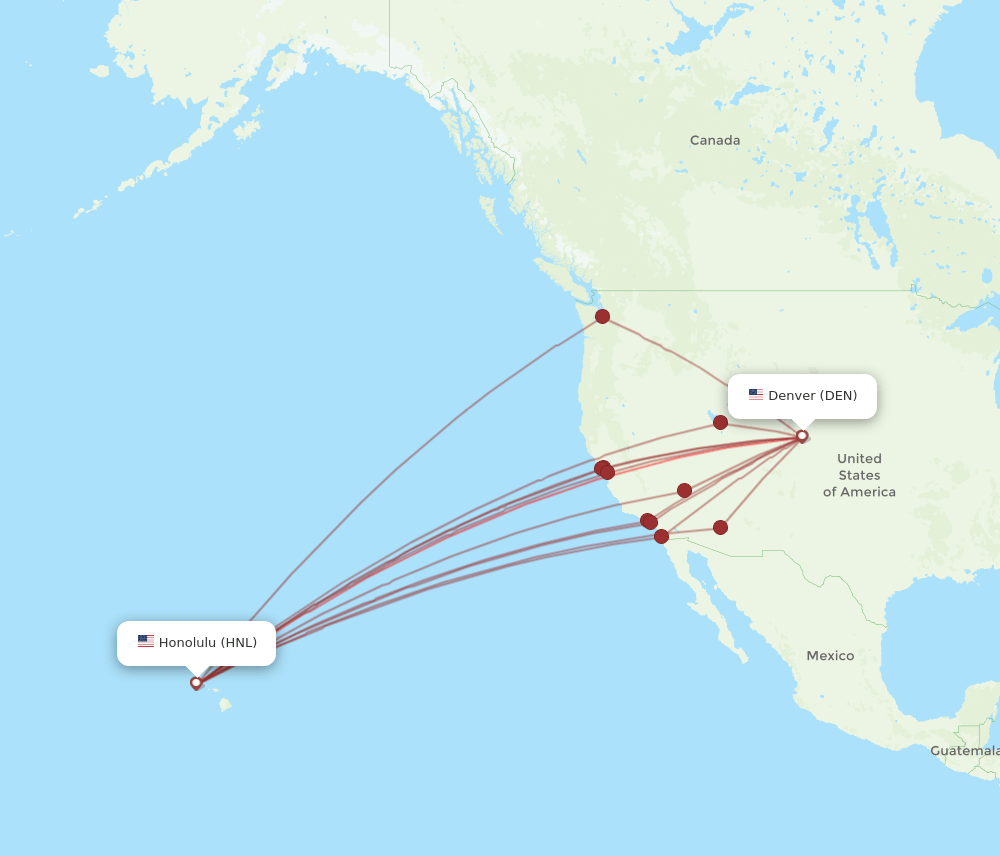
Direct flights from Denver to Hawaii are the most efficient way to reach the islands, offering the shortest travel time. These flights, typically operated by airlines like United Airlines and Southwest Airlines, bypass any intermediate stops. The average flight time for a direct service from Denver International Airport to a major Hawaiian hub like Honolulu International Airport on Oahu is generally around 5 to 6 hours. This time can fluctuate slightly depending on the specific aircraft, wind conditions, and the exact route taken. For instance, a flight to the westernmost islands like Kauai or Maui might be marginally longer than a flight to Oahu. The convenience of a direct flight cannot be overstated; it minimizes the time spent in transit, reduces the chances of lost luggage, and allows you to maximize your time enjoying the Hawaiian sunshine.
Connecting Flights: Balancing Cost and Time
Connecting flights, while generally longer, can sometimes be a more budget-friendly option for travelers flying from Denver to Hawaii. These itineraries involve one or more stops, usually in major West Coast hubs such as Los Angeles International Airport, San Francisco International Airport, or Seattle-Tacoma International Airport. The total travel time for a connecting flight can range significantly, from 8 hours to 12 hours or even more, depending on the length of the layover. A short layover of an hour or two will still make the overall journey considerably longer than a direct flight, while longer layovers can extend the travel day by several hours. While a connecting flight might require more patience and planning, it can offer greater flexibility in terms of departure times and potentially lower airfares, making it an attractive choice for budget-conscious travelers or those who don’t mind a bit of extra travel time. When booking, pay close attention to the total travel time indicated, not just the flight segments.
Factors Affecting Flight Duration
Beyond the presence of layovers, several other elements can influence how long your flight from Denver to Hawaii actually takes.
Geographic Distance and Air Routes
Denver is situated inland, while Hawaii is an archipelago in the middle of the Pacific Ocean. The sheer geographic distance means that even direct flights cover a substantial amount of ground. Air traffic control, prevailing wind patterns, and optimized flight paths all play a role in determining the most efficient route. Pilots and air traffic controllers constantly adjust routes based on real-time conditions to ensure safety and efficiency. These routes are designed to take advantage of tailwinds, which can shorten flight times, and avoid headwinds, which can lengthen them.
Jet Streams and Wind Conditions
One of the most significant natural factors impacting flight duration is the jet stream. These fast-flowing air currents at high altitudes can either propel an aircraft forward, shortening the flight, or act as a headwind, extending it. Flights traveling westward from Denver to Hawaii are more likely to encounter tailwinds from the jet stream, which can contribute to shorter flight durations. Conversely, the return journey from Hawaii to Denver might experience headwinds, potentially making the eastbound flight slightly longer. Meteorological forecasts are constantly monitored by airlines to optimize flight plans and mitigate the impact of adverse wind conditions.
Aircraft Type and Speed
While less of a variable for the average traveler, the specific type of aircraft used on a route can also influence flight time. Larger, more modern aircraft are often capable of higher cruising speeds, which can shave off minutes from the total journey. However, this is typically a minor factor compared to the impact of direct vs. connecting flights and wind conditions.
Time Zone Differences
It’s important to remember that Hawaii observes Hawaii Standard Time (HST), which is significantly different from Mountain Time (MT) in Denver. Hawaii is four hours behind Denver. This means that while your flight time might be 5-6 hours, you will gain back hours as you travel west. For example, a direct flight departing Denver at 9:00 AM MT might arrive in Honolulu around 1:00 PM HST. This time difference can make the journey feel shorter in terms of arrival time, but it’s crucial for planning your arrival and initial activities.
Navigating Your Hawaiian Adventure: Tips for a Smoother Journey
Once you have a grasp of the flight times, planning the rest of your Hawaiian getaway becomes much smoother. From choosing the right island to packing effectively, a little preparation goes a long way in ensuring a memorable experience.
Choosing Your Island Paradise
Hawaii is comprised of several distinct islands, each offering a unique flavor of paradise. Your choice of island can also subtly influence flight times and connections, though the primary flight to the state usually lands at one of the main airports on Oahu or Maui.
- Oahu: Home to the iconic Waikiki Beach and the historic Pearl Harbor, Oahu is the most populated island and offers a blend of bustling city life and beautiful natural landscapes. Honolulu International Airport (HNL) is the primary gateway for most international and mainland flights.
- Maui: Known for its stunning beaches, the scenic Road to Hana, and the majestic Haleakala National Park, Maui is a popular choice for honeymooners and families. Flights often arrive at Kahului Airport (OGG).
- Kauai: The “Garden Isle” is renowned for its dramatic cliffs, lush valleys, and the Napali Coast. This island offers a more laid-back and nature-focused experience. Lihue Airport (LIH) serves Kauai.
- Island of Hawaii (The Big Island): The largest island in the archipelago, it boasts active volcanoes at Hawaii Volcanoes National Park, black sand beaches, and diverse climate zones. Flights typically land at Kona International Airport (KOA) or Hilo International Airport (ITO).
When booking your flight from Denver, you can often choose to fly directly into your preferred island’s main airport if available, or book a connecting flight that includes a short inter-island hop.
Preparing for Your Flight
To make your flight from Denver to Hawaii as comfortable as possible, consider these tips:
- Pack Smart: Bring comfortable clothing, entertainment options, and any essentials you might need during the flight.
- Stay Hydrated: Airplane cabins can be dry. Drink plenty of water.
- Move Around: To prevent stiffness, take short walks in the aisle when it’s safe to do so.
- Adjust Your Watch: Set your watch to Hawaii time upon boarding to start adjusting to the new time zone.
- Entertainment: Download movies, music, or podcasts beforehand, as in-flight Wi-Fi can be spotty or expensive.
- Snacks: While airlines provide meals on longer flights, having your own snacks can be a good idea.
Beyond the Flight: Embracing Your Hawaiian Destination
The flight duration from Denver to Hawaii is just the beginning of your adventure. Upon arrival, you’ll be greeted by the warmth of the islands and a world of experiences awaiting you.
Airport Arrivals and Transportation
Hawaii has several major airports, and the experience upon landing will vary slightly. Honolulu International Airport (HNL) on Oahu is the busiest, while others like Kahului Airport (OGG) on Maui offer a more relaxed arrival. After clearing customs and collecting your luggage, you’ll need to arrange transportation to your accommodation. Rental cars are highly recommended for most islands to explore at your own pace. Ride-sharing services and shuttles are also available, particularly in popular tourist areas like Waikiki.
Accommodation and Experiences
Whether you’re seeking a luxurious resort experience, a cozy beachfront apartment, or a charming villa, Hawaii offers a wide range of accommodation options. From the world-class amenities at the Grand Wailea Maui, A Waldorf Astoria Resort, to more budget-friendly options, there’s something to suit every travel style and budget. Once settled, immerse yourself in the local culture, savor the unique cuisine, and explore the breathtaking landmarks.
- Attractions: Visit historical sites like Pearl Harbor, hike to the summit of Diamond Head for panoramic views of Waikiki, or witness the power of nature at Hawaii Volcanoes National Park.
- Activities: Snorkel or dive in the crystal-clear waters, learn to surf on the famous North Shore, or take a scenic helicopter tour over the dramatic cliffs of the Napali Coast.
- Local Culture: Attend a traditional luau, learn about Hawaiian history and traditions, and experience the genuine aloha spirit that permeates the islands.
- Food: Indulge in fresh seafood, try local delicacies like poke and kalua pig, and explore the diverse culinary scene.
The journey from Denver to Hawaii is an exciting prelude to an unforgettable vacation. By understanding the flight times and preparing adequately, you can ensure that your transition from the Rocky Mountains to the tropical shores is as seamless and enjoyable as possible, allowing you to fully embrace the magic of the Hawaiian Islands.
LifeOutOfTheBox is a participant in the Amazon Services LLC Associates Program, an affiliate advertising program designed to provide a means for sites to earn advertising fees by advertising and linking to Amazon.com. Amazon, the Amazon logo, AmazonSupply, and the AmazonSupply logo are trademarks of Amazon.com, Inc. or its affiliates. As an Amazon Associate we earn affiliate commissions from qualifying purchases.