
Planning a dream getaway to the Hawaiian Islands from Los Angeles is an exciting prospect, filled with visions of sun-drenched beaches, lush rainforests, and the spirit of Aloha. A crucial element in orchestrating this tropical escape is understanding the travel time. Specifically, “How Long Is A Flight To Hawaii From LA?” is a question that many eager travelers ponder as they chart their course to paradise. This article delves into the typical flight durations, factors influencing them, and what you can expect when making the journey from the California coast to the shores of Hawaii.
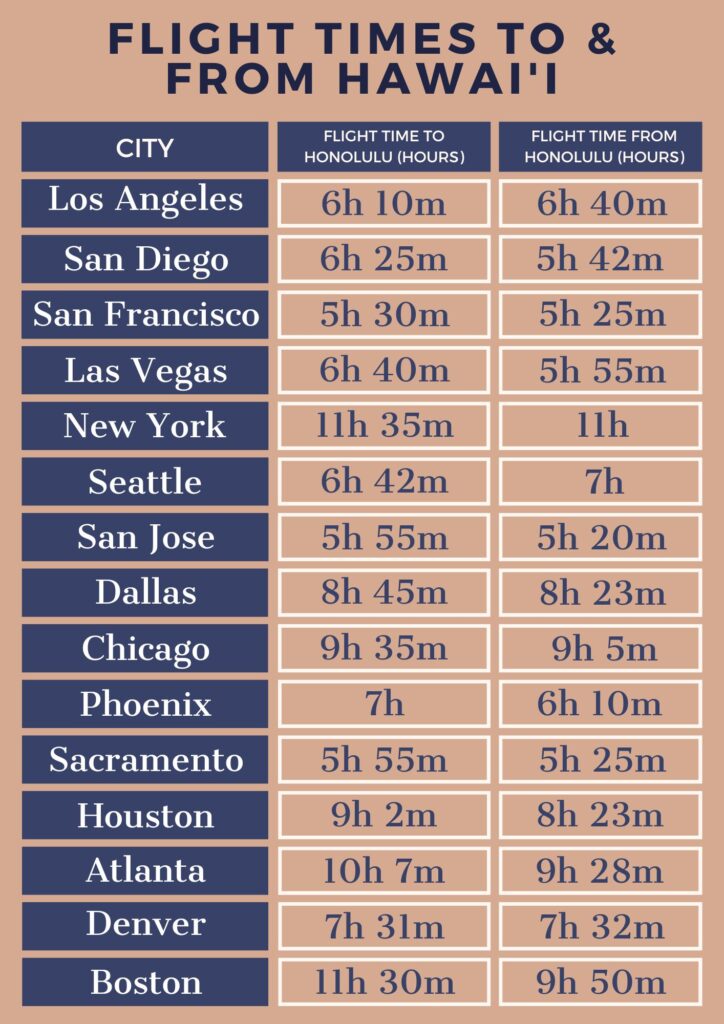
The flight from Los Angeles to Hawaii is a relatively short hop across the Pacific Ocean when compared to transcontinental or transoceanic journeys. However, “short” is a relative term, and understanding the precise duration will help you better plan your itinerary, pack accordingly, and manage your expectations for your arrival.
Understanding Flight Durations: Direct vs. Indirect Flights
When inquiring about flight times, it’s essential to distinguish between direct flights and those with layovers. The former offers the most straightforward and quickest route, while the latter can significantly extend your travel time.
Direct Flights to the Hawaiian Islands
For travelers departing from Los Angeles International Airport (LAX), direct flights to Hawaii are readily available and are the most popular choice for those seeking efficiency. These non-stop journeys typically land in one of Hawaii’s major airports, with Honolulu International Airport (HNL) on Oahu being the most frequent destination. Other islands, such as Maui (OGG), Kauai (LIH), and Kona (KOA) on the Big Island, also receive direct flights from LAX.
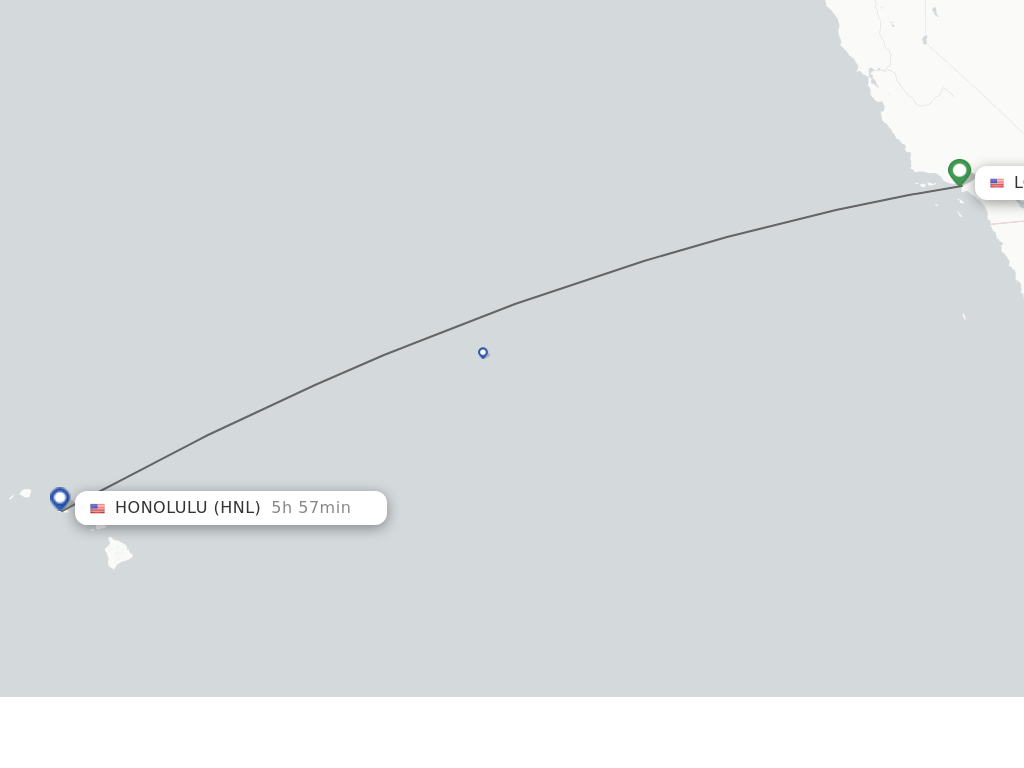
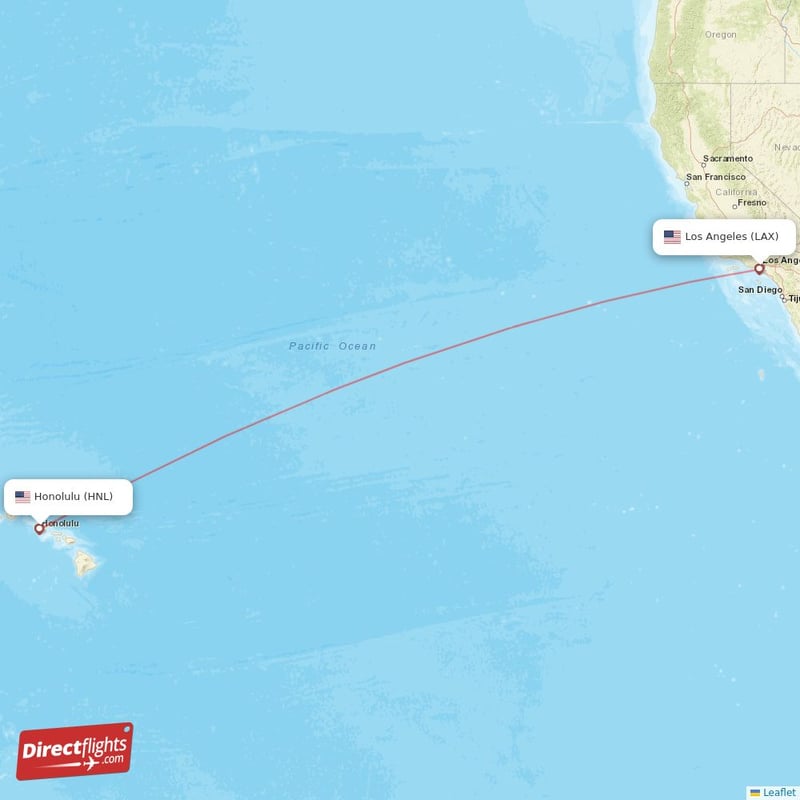
The duration of a direct flight from Los Angeles to Hawaii generally ranges from 5 to 6 hours. This is an average, and slight variations can occur due to several factors we will discuss later. For instance, a flight to Honolulu might be slightly shorter than a flight to Kona, given their respective geographical positions within the archipelago.
When booking your flight, you’ll notice that airlines will explicitly state “non-stop” or “direct” for these types of journeys. This is your key to unlocking the quickest passage to your island destination.
Flights with Layovers
While direct flights are the most convenient, sometimes flights with layovers are more economical or offer better scheduling options. However, these indirect routes can significantly increase your overall travel time. A common layover point for flights from Los Angeles to Hawaii might be on the West Coast of the United States, such as in San Francisco or Seattle, before continuing across the Pacific.
A flight with one layover can easily extend your travel time to 8 to 12 hours, or even longer, depending on the length of the layover. Some travelers might even opt for multi-city itineraries that involve longer stops, turning the journey into an opportunity to explore another city. While these can be interesting for some, for those solely focused on reaching Hawaii, layovers add considerable time to the commute.
It’s crucial to carefully review your flight itinerary, paying close attention to the total travel time listed, which includes any layovers and the time spent on the ground.
Factors Influencing Flight Duration
While we’ve established an average flight time, several dynamic elements can subtly alter how long your plane is airborne. Understanding these factors can help you anticipate potential minor discrepancies in flight duration.
Prevailing Winds and Jet Streams
The Earth’s atmosphere is a complex system of air currents, and flights are subject to the influence of prevailing winds and jet streams. Traveling eastbound, from Hawaii back to Los Angeles, often means flying with a tailwind, which can shorten flight times. Conversely, flying westbound from Los Angeles to Hawaii might involve flying against headwinds, which can slightly lengthen the journey. These atmospheric rivers are a significant factor in aviation, and pilots will strategically utilize them to optimize flight paths and durations.
Aircraft Type and Air Traffic Control
Different aircraft have varying cruising speeds. While most commercial airliners on this route travel at similar speeds, the specific model of the plane can contribute to minor differences in flight duration. More significantly, Air Traffic Control (ATC) plays a vital role in managing the skies. Flight paths are meticulously planned to ensure safety and efficiency, and occasionally, routes might be adjusted due to air traffic congestion or weather patterns, leading to slight deviations in flight time.
Specific Island Destination
As mentioned earlier, Hawaii is an archipelago, and the exact destination island can influence flight duration. Oahu, being the most populated island and home to the main international airport, often has the most frequent and sometimes slightly shorter direct flights from Los Angeles. Flights to islands further west or north within the chain, like Kauai, might take a few minutes longer due to the additional distance. Similarly, flights to the Big Island (Island of Hawaii) can also vary slightly in time depending on whether the aircraft is landing in Kona or Hilo.
Seasonal Weather Patterns
While transpacific flights are less affected by typical seasonal weather variations than short-haul flights, major weather systems can still play a role. For instance, a strong tropical storm or hurricane in the Pacific could necessitate route adjustments to avoid severe weather, potentially impacting flight times. However, for the most part, airlines account for typical weather patterns when scheduling flights.
Making the Most of Your Flight Experience
Understanding the flight duration is just one piece of the puzzle when planning your trip to Hawaii. Here are some tips to ensure your journey is as comfortable and enjoyable as possible, whether you’re embarking on a direct flight or a journey with layovers.
Preparing for Your Journey
- Pack Smart: Consider the time you’ll spend on the plane. Comfortable clothing, a neck pillow, an eye mask, and earplugs can make a world of difference. Since you’ll be traveling across time zones, some people find it helpful to adjust their watch to Hawaii time upon boarding to mentally prepare for the new schedule.
- Entertainment: Download movies, music, podcasts, or books before you leave. While many flights offer in-flight entertainment, having your own backups ensures you won’t be bored, especially on longer journeys.
- Hydration and Snacks: Airplane air can be dehydrating. Bring a reusable water bottle to refill after security and consider packing your own snacks, as airline options can be limited or expensive.
- Comfortable Footwear: You’ll want to slip your shoes off easily during the flight and be ready to explore upon arrival.
Navigating Layovers and Arrival
If your flight includes a layover, use the time wisely. Stretch your legs, grab a meal, or explore the airport amenities. If you have a significant layover in a city like San Francisco or Seattle, and your schedule permits, you might even consider a brief excursion if time allows and your baggage is checked through to your final destination.
Upon arrival in Hawaii, you’ll be greeted by the warm, humid air and the distinct scent of tropical flowers. The feeling of finally reaching your destination after the flight is often one of immense relief and excitement. Remember to factor in time for deplaning, baggage claim, and transportation to your accommodation. If you’ve booked a rental car, be prepared for potential lines at the rental car counters.
Island Hopping Considerations
For travelers planning to visit multiple islands within the Hawaiian Islands, the flight from Los Angeles is just the beginning of inter-island travel. Flights between the islands are frequent and relatively short, typically ranging from 30 minutes to an hour. This makes island hopping a convenient way to experience the diverse landscapes and attractions of Hawaii.
For example, after landing in Honolulu on Oahu, you might take a short flight to Maui to witness the sunrise at Haleakala National Park or explore the scenic Road to Hana. Alternatively, you could fly to the Big Island to see active volcanoes at Hawaii Volcanoes National Park or marvel at the black sand beaches near Papakōlea Beach.
When planning your inter-island travel, remember to factor in the time for airport procedures, including check-in and security, even for these short flights. It’s a good idea to book these inter-island flights in advance, especially during peak travel seasons, to secure the best prices and schedules.
In conclusion, the question of “How Long Is A Flight To Hawaii From LA?” has a straightforward answer for direct flights: approximately 5 to 6 hours. However, understanding the nuances of indirect flights and the factors that can influence flight times will provide you with a more comprehensive picture for planning your unforgettable Hawaiian adventure. Whether you’re gazing at the iconic Diamond Head from Waikiki Beach or feeling the mist of Akaka Falls on the Big Island, the journey from Los Angeles is a manageable prelude to the paradise that awaits.
LifeOutOfTheBox is a participant in the Amazon Services LLC Associates Program, an affiliate advertising program designed to provide a means for sites to earn advertising fees by advertising and linking to Amazon.com. Amazon, the Amazon logo, AmazonSupply, and the AmazonSupply logo are trademarks of Amazon.com, Inc. or its affiliates. As an Amazon Associate we earn affiliate commissions from qualifying purchases.