
The allure of the Hawaiian Islands, a tropical paradise in the heart of the Pacific Ocean, has captivated travelers for generations. With their stunning natural beauty, vibrant culture, and unique geological formation, these islands offer an unforgettable experience. However, a common question often arises: “How many islands make up Hawaii?” While the archipelago is vast and diverse, understanding its constituent parts is key to appreciating its grandeur. Hawaii is officially comprised of eight main islands, each with its own distinct character and appeal, though many smaller islets and atolls also dot the vast expanse of the Pacific. This article delves into the primary islands, exploring their unique identities and the myriad of experiences they offer to the discerning traveler.
The Eight Main Islands: A Tapestry of Pacific Wonders
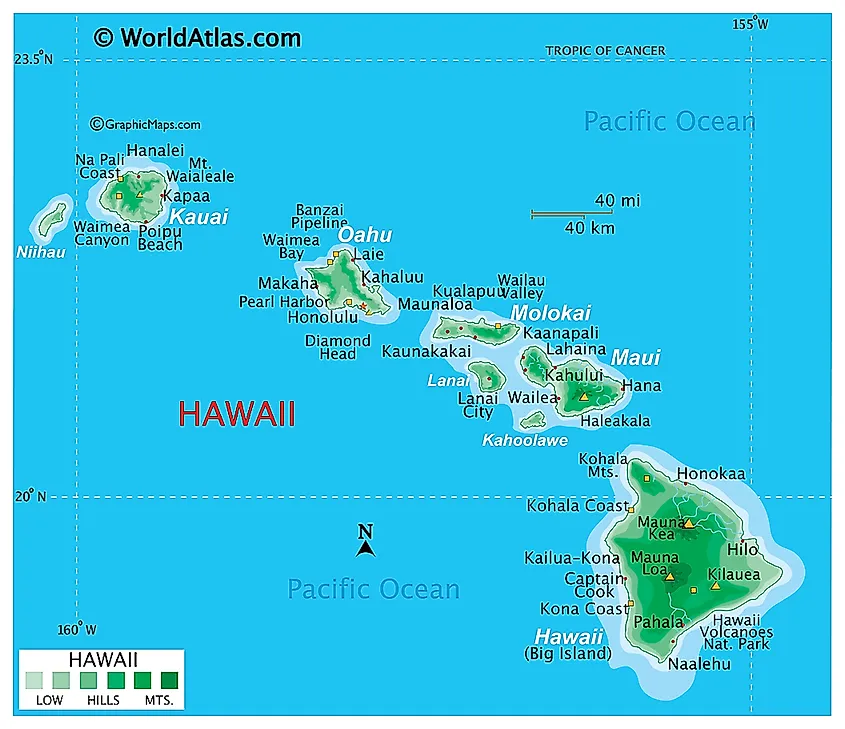
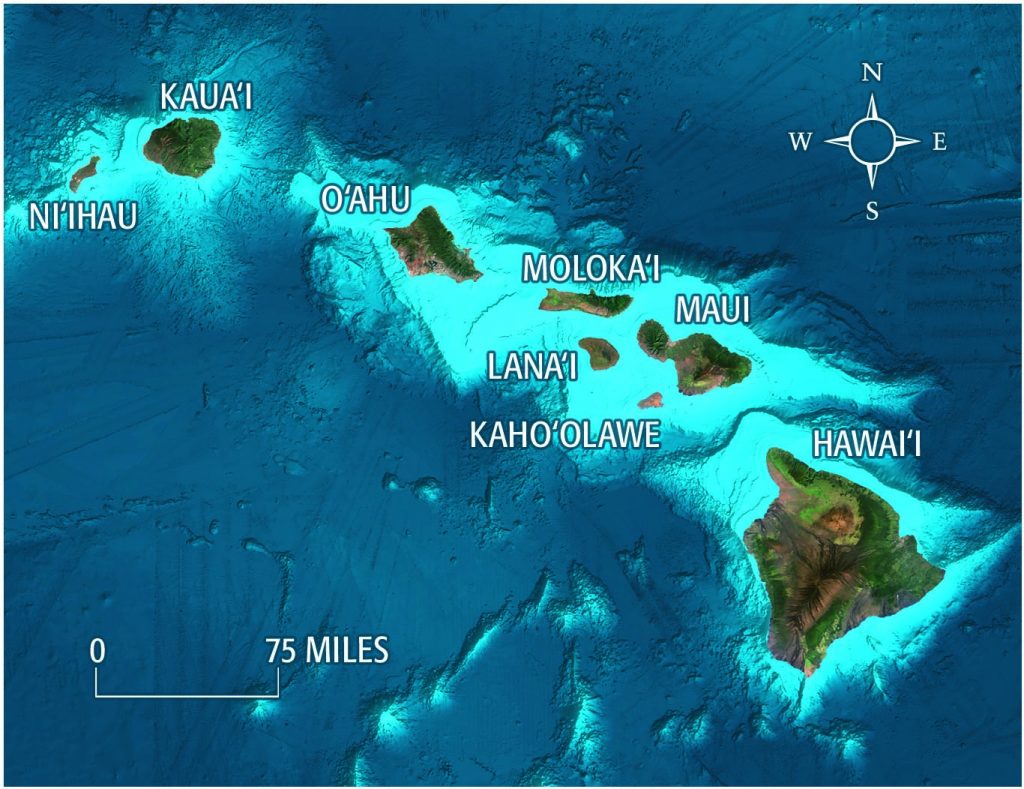
The Hawaiian archipelago is a chain of volcanic islands formed by the Pacific Plate moving over a “hotspot.” This geological process has created a chain of islands stretching over 1,500 miles. While there are numerous small islands, reefs, and atolls, Hawaii officially recognizes eight main islands. These islands, listed from northwest to southeast, are:
Niʻihau: The Forbidden Isle
Often referred to as the “Forbidden Isle,” Niʻihau is the westernmost inhabited island of the main Hawaiian chain. It is privately owned by the Robinson family, and access is strictly limited to residents, invited guests, and those on approved tours. This exclusivity has preserved its pristine natural environment and its traditional Hawaiian culture. Visitors who do manage to set foot on Niʻihau are often treated to an authentic glimpse of Hawaiian life, with opportunities for hunting, snorkeling, and exploring untouched beaches. The island’s rugged beauty and its dedication to preserving Hawaiian heritage make it a unique and elusive jewel.
Kauaʻi: The Garden Isle
Kauaʻi, known as the “Garden Isle,” lives up to its name with its breathtaking emerald valleys, dramatic cliffs, and lush rainforests. This is the fourth-largest of the Hawaiian Islands and the oldest geologically, which has allowed for significant erosion and the creation of dramatic landscapes. The iconic Nā Pali Coast State Wilderness Park is a must-see, with its towering sea cliffs, hidden beaches, and cascading waterfalls, best appreciated by boat tour or helicopter. Inland, the stunning Waimea Canyon State Park, often called the “Grand Canyon of the Pacific,” offers spectacular vistas and hiking opportunities. Kauaʻi is an adventurer’s dream, offering world-class surfing, hiking, kayaking, and ziplining amidst unparalleled natural beauty.
Oʻahu: The Gathering Place
Oʻahu, the third-largest island, is known as “The Gathering Place” and is the most populous and developed of the Hawaiian Islands. It is home to the state capital, Honolulu, and the world-famous Waikīkī Beach. Oʻahu offers a vibrant mix of city life, historical landmarks, and natural wonders. Visitors can explore the poignant history of Pearl Harbor, hike to the summit of Diamond Head for panoramic views, or immerse themselves in the local culture through traditional luaus and surfing lessons. The North Shore of Oʻahu is legendary for its massive winter waves, attracting professional surfers from around the globe. From bustling cityscapes to tranquil beaches, Oʻahu provides a diverse range of experiences.
Molokaʻi: The Friendly Isle
Molokaʻi is often called “The Friendly Isle” and is known for its strong sense of Hawaiian culture and its commitment to preserving traditional ways of life. It is one of the least developed islands, offering a tranquil escape from the more tourist-centric destinations. Visitors can experience the island’s unique history, including a visit to the former leper colony at Kalaupapa National Historical Park, accessible via a challenging hike or mule ride. The island boasts some of the world’s highest sea cliffs, offering dramatic ocean vistas. Molokaʻi is a place to connect with nature and with the enduring spirit of Hawaii.
Lānaʻi: The Pineapple Isle
Once the world’s largest pineapple plantation, Lānaʻi has transitioned into a luxurious and exclusive destination. This small island offers a serene and sophisticated atmosphere, with world-class resorts and pristine, often secluded, beaches. Visitors can enjoy activities like golf, horseback riding, and exploring the unique Garden of the Gods rock formations. The island’s two main towns, Lānaʻi City and the coastal village of Manele, offer a glimpse into a more relaxed pace of life. For those seeking privacy and high-end amenities, Lānaʻi provides an unparalleled experience.
Maui: The Valley Isle
Maui, the “Valley Isle,” is renowned for its stunning beaches, the majestic Haleakalā National Park, and the scenic Road to Hāna. This island offers a perfect blend of natural beauty, adventure, and relaxation. Travelers can witness a breathtaking sunrise or sunset from the summit of the dormant volcano Haleakalā, drive the winding Road to Hāna with its numerous waterfalls and lush vegetation, or enjoy world-class snorkeling and diving at Molokini Crater. Maui is also a prime location for whale watching during the winter months, as humpback whales migrate to its warm waters.
Kahoʻolawe: The Target Isle
Kahoʻolawe is the smallest of the eight main islands and the only one not permanently inhabited. It holds significant historical and cultural importance to Native Hawaiians. For decades, it was used as a training ground for the U.S. military, and efforts are currently underway to clear unexploded ordnance and restore the island for cultural and environmental purposes. Access to Kahoʻolawe is restricted and typically limited to authorized cultural practitioners and researchers.
Hawaiʻi Island: The Big Island
The largest island in the Hawaiian chain, Hawaiʻi Island, is aptly nicknamed “The Big Island.” It is a land of dramatic contrasts, boasting diverse landscapes shaped by its active volcanoes. The island is home to Kīlauea, one of the world’s most active volcanoes, located within Hawaiʻi Volcanoes National Park. Visitors can witness the raw power of creation, with lava flows sometimes visible, or explore the park’s diverse ecosystems. Beyond the volcanoes, Hawaiʻi Island offers black sand beaches, snow-capped mountains (in winter), lush rainforests, and vibrant coral reefs. The island’s sheer size allows for a wide range of experiences, from stargazing at the Mauna Kea Observatories to exploring historic towns like Hāpuna and Kona.
Beyond the Eight: The Wider Hawaiian Archipelago
While the eight main islands are the most recognized and visited, the Hawaiian archipelago extends much further. These include the Northwestern Hawaiian Islands, a chain of smaller islands, atolls, and reefs that stretch for hundreds of miles. These islands are largely uninhabited and are protected as the Papahānaumokuākea Marine National Monument, a UNESCO World Heritage site. This vast marine protected area is crucial for preserving biodiversity and is home to a rich array of marine life, including endangered species. These remote islands are of immense ecological and cultural significance, representing a vital part of the natural heritage of Hawaii.
Understanding the Island Names and Their Meanings
The names of the Hawaiian Islands are not arbitrary; they often carry deep cultural and historical significance. For instance, Oʻahu is said to mean “the gathering place,” reflecting its role as the administrative and population center. Maui is named after the demigod Māui, who is credited with raising the islands from the sea. Kauaʻi means “ear,” and legends surrounding its name vary. Molokaʻi is thought to mean “the place of great hearing,” possibly referring to its historical role as a place of sanctuary. Understanding these etymologies adds another layer of appreciation for the unique identity of each island.

Planning Your Hawaiian Island Hopping Adventure
The decision of “how many islands” to visit depends on individual interests and the duration of your trip. Many visitors opt for island hopping, a popular way to experience the diverse landscapes and cultures of Hawaii. Each island offers a distinct experience, making it possible to tailor an itinerary to specific preferences. For those seeking vibrant city life and historical sites, Oʻahu is essential. Nature lovers and adventurers will be drawn to the dramatic beauty of Kauaʻi and the volcanic wonders of Hawaiʻi Island. For relaxation and luxury, Maui and Lānaʻi are excellent choices, while Molokaʻi offers a more authentic and less commercialized experience. While Niʻihau and Kahoʻolawe are largely inaccessible, their mystique adds to the overall allure of the Hawaiian archipelago. Embarking on an exploration of the Hawaiian Islands is an invitation to discover a world of unparalleled natural beauty, rich cultural heritage, and unforgettable experiences.
LifeOutOfTheBox is a participant in the Amazon Services LLC Associates Program, an affiliate advertising program designed to provide a means for sites to earn advertising fees by advertising and linking to Amazon.com. Amazon, the Amazon logo, AmazonSupply, and the AmazonSupply logo are trademarks of Amazon.com, Inc. or its affiliates. As an Amazon Associate we earn affiliate commissions from qualifying purchases.