
Hawaii, the Aloha State, conjures images of pristine beaches, lush volcanic landscapes, and a laid-back island lifestyle. It’s a dream destination for many, whether for a short vacation or a more permanent relocation. But as the allure of paradise intensifies, so does the practical question: “How much does it actually cost to live in Hawaii?” This isn’t just about the price of a mai tai on Waikiki Beach; it’s about the comprehensive cost of establishing and maintaining a life in this breathtaking archipelago.
The reality of the Hawaiian lifestyle comes with a significantly higher price tag than most places on the mainland United States. Factors like its isolated island geography, reliance on imports, and a thriving tourism industry all contribute to a cost of living that can be surprising. Understanding these nuances is crucial for anyone considering a move or even just planning an extended stay that borders on residency. We’ll delve into the various components of this cost, from housing and daily expenses to the unique lifestyle considerations that come with calling Hawaii home.
Understanding the Island Economy and its Impact on Cost
Before we break down specific expenses, it’s essential to grasp the economic fundamentals that shape Hawaii’s cost of living. As a series of islands, Hawaii faces inherent logistical challenges and costs that other states do not.
The Import Factor
Almost everything consumed in Hawaii, from food and gasoline to building materials and consumer goods, is shipped in from the continental United States or overseas. This lengthy and complex supply chain adds a substantial markup to the price of everyday items. Think of the cost of a gallon of milk or a loaf of bread; it’s already factored in with the transportation expenses. This dependency on imports means that global shipping costs, fuel prices, and any disruptions to these channels directly impact the wallets of Hawaii residents. Even fresh produce, while abundant locally, often competes with imported options that might have different pricing structures due to subsidies or economies of scale elsewhere.
Tourism’s Dual Role
Tourism is the lifeblood of the Hawaiian economy, bringing billions of dollars into the state annually. This influx of visitors fuels demand for accommodation, dining, and activities, which can drive up prices for both tourists and locals. For instance, the high demand for hotels and vacation rentals in popular areas like Maui and Oahu can influence the broader rental market. However, tourism also provides employment opportunities and supports a vibrant local culture that residents cherish. The challenge lies in balancing the economic benefits of tourism with the need to maintain an affordable lifestyle for those who call Hawaii home. The presence of luxury resorts like the Grand Wailea Maui, A Waldorf Astoria Resort or The Royal Hawaiian, a Luxury Collection Resort, Waikiki underscores the high-end segment of the tourism market, which can set a benchmark for pricing across various sectors.
Housing: The Biggest Hurdle
Perhaps the most significant contributor to the high cost of living in Hawaii is housing. Whether you’re looking for a luxurious villa in Kailua-Kona or a modest apartment in Honolulu, expect to pay a premium.
Rental Market Dynamics
Renting an apartment or house in Hawaii is notoriously expensive. The limited land available for development, coupled with high demand from both residents and short-term renters (tourists), creates a competitive and costly rental market. Prices vary significantly by island and specific location. For example, renting a one-bedroom apartment in a desirable neighborhood of Honolulu can easily cost upwards of $2,000 per month, and this figure can climb much higher for larger units or in prime coastal areas. Even on less populated islands like Kauai, rental costs remain substantial due to similar supply and demand pressures. Long-term stay accommodations, while potentially offering slightly better rates than short-term tourist rentals, still represent a major financial commitment.
The Dream of Homeownership
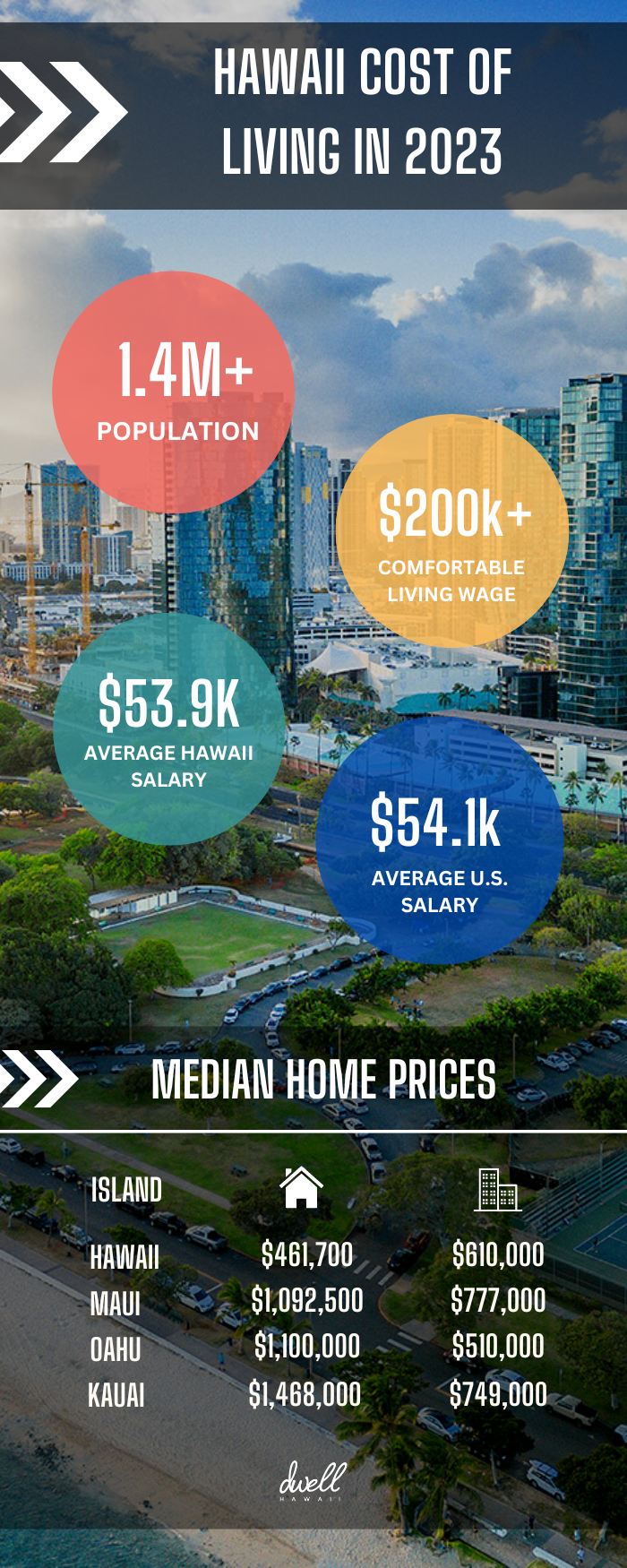
For those aspiring to own a home in Hawaii, the financial barrier is even higher. Property values are exceptionally high, driven by limited inventory and strong demand. The median home price in many areas significantly surpasses the national average. Purchasing a single-family home, even a modest one, often requires a substantial down payment and significant mortgage payments. Condominiums and townhouses offer more accessible entry points into homeownership, but they too come with a considerable price tag. The allure of owning a piece of paradise is powerful, but it necessitates a robust financial plan and a deep understanding of the real estate market.
Short-Term vs. Long-Term Stays
When considering accommodation, it’s vital to distinguish between short-term stays and long-term living. While hotels like the Hyatt Centric Waikiki Beach or apartments found on booking platforms might seem affordable for a week or two, the cumulative cost over months or years becomes astronomical. Long-term accommodation options, such as extended-stay hotels, serviced apartments, or vacation rentals that offer monthly rates, can provide a more budget-friendly solution for those planning to live in Hawaii for an extended period. Comparing booking platforms and looking for deals on extended stays is a smart strategy.

Daily Expenses: Beyond the Rent Check
Once housing is accounted for, the ongoing costs of daily living in Hawaii can also add up. These are the everyday expenses that form the backbone of any budget.
Groceries and Dining Out
As mentioned, the import factor significantly impacts grocery prices. Expect to pay more for staples like milk, eggs, bread, and meat compared to the mainland. Fresh produce, while locally grown options are available and often fresher, can still be relatively expensive due to farming costs and distribution. For instance, visiting a farmer’s market on Maui might offer more competitive prices on certain fruits and vegetables than a supermarket, but the overall grocery bill will likely be higher.
Dining out is another area where costs can escalate. While there are certainly casual and affordable eateries that showcase local Hawaiian food, the prevalence of high-end restaurants catering to tourists, especially in resort areas like Wailea, can set a higher average price for meals. A modest dinner for two can easily run into the $75-$150 range, and this doesn’t include drinks or tip. Exploring local food trucks and less tourist-centric spots can help manage dining expenses.
Transportation: Island Style
Getting around Hawaii often requires a car, especially if you’re not living in a densely populated urban center like Honolulu. Gas prices are typically higher than the mainland due to shipping costs, adding a recurring expense to your budget. Car insurance rates can also be elevated. While public transportation exists, particularly on Oahu with TheBus, its reach and efficiency might not cover all needs on other islands or for those living in more suburban or rural areas. Ride-sharing services are available in major areas but can be costly for frequent use. Inter-island travel via flights also adds to transportation expenses if you plan to visit other islands regularly.
Utilities and Other Essentials
Utility costs in Hawaii can be surprisingly high. Electricity, in particular, can be a significant expense, as much of the energy is generated from imported fossil fuels. Air conditioning, while not always necessary depending on the location and time of year, can drastically increase electricity bills. Water, sewage, and internet services also contribute to the monthly overhead. When budgeting for life in Hawaii, it’s wise to factor in these essential services, which can often exceed what you might be accustomed to paying elsewhere.
Lifestyle Choices and Hidden Costs
Beyond the tangible expenses, the unique lifestyle and cultural elements of Hawaii can also influence your overall cost of living.
Embracing Local Culture and Activities
Living in Hawaii offers unparalleled access to natural beauty and cultural experiences. Hiking through lush rainforests to discover waterfalls, snorkeling in crystal-clear waters, or attending local festivals and luaus are all part of the island experience. While many of these activities are free or low-cost, some attractions, like boat tours to see Molokini Crater or visiting historical landmarks, come with admission fees. For those who enjoy a more luxurious lifestyle, high-end spas, fine dining, and exclusive experiences can significantly increase expenses. Balancing these desires with your budget is key to enjoying the Hawaiian lifestyle sustainably.
Proximity to Nature and Outdoor Pursuits
The abundance of natural attractions, from the volcanic landscapes of Hawaii Volcanoes National Park to the stunning beaches of Lanikai Beach, means that outdoor activities are a central part of life here. For many, this is a primary draw. Investing in appropriate gear for hiking, surfing, or diving might be an initial expense, but the ongoing enjoyment and well-being derived from these pursuits can be invaluable. The laid-back, outdoor-oriented lifestyle often means fewer expenses on entertainment like movies or concerts, but it does encourage spending on recreational equipment and related activities.
The “Aloha Spirit” and Community Engagement
The famous “Aloha Spirit” is more than just a greeting; it embodies a sense of community, respect, and interconnectedness. Participating in local events, supporting local businesses, and engaging with the community are integral to truly experiencing life in Hawaii. While this aspect of living in paradise is priceless in terms of experience, it can also involve social obligations and the desire to partake in community activities, which may have associated costs. For instance, contributing to local charities or attending community gatherings might involve small donations or the purchase of items.
In conclusion, while the dream of living in Hawaii is captivating, the financial reality requires careful planning and a realistic understanding of the costs involved. From the elevated prices of everyday goods due to import logistics to the significant investment required for housing, the Aloha State demands a higher budget. However, for many, the unparalleled natural beauty, unique culture, and slower pace of life make it a worthwhile investment. By understanding the key cost drivers and making informed lifestyle choices, you can navigate the financial landscape and truly embrace the magic of living in paradise.
LifeOutOfTheBox is a participant in the Amazon Services LLC Associates Program, an affiliate advertising program designed to provide a means for sites to earn advertising fees by advertising and linking to Amazon.com. Amazon, the Amazon logo, AmazonSupply, and the AmazonSupply logo are trademarks of Amazon.com, Inc. or its affiliates. As an Amazon Associate we earn affiliate commissions from qualifying purchases.