
Dreaming of trading your daily grind for sun-kissed beaches, volcanic landscapes, and the laid-back rhythm of island life? Hawaii, the Aloha State, conjures images of paradise for many. However, the idyllic vision often clashes with the stark reality of its cost of living. This guide delves into the financial considerations of making Hawaii your permanent home, moving beyond the fleeting vacation and into the realm of long-term residency. We’ll explore the expenses associated with everyday life, from housing and utilities to food and transportation, offering insights into how much you might truly need to live comfortably in this breathtaking archipelago.
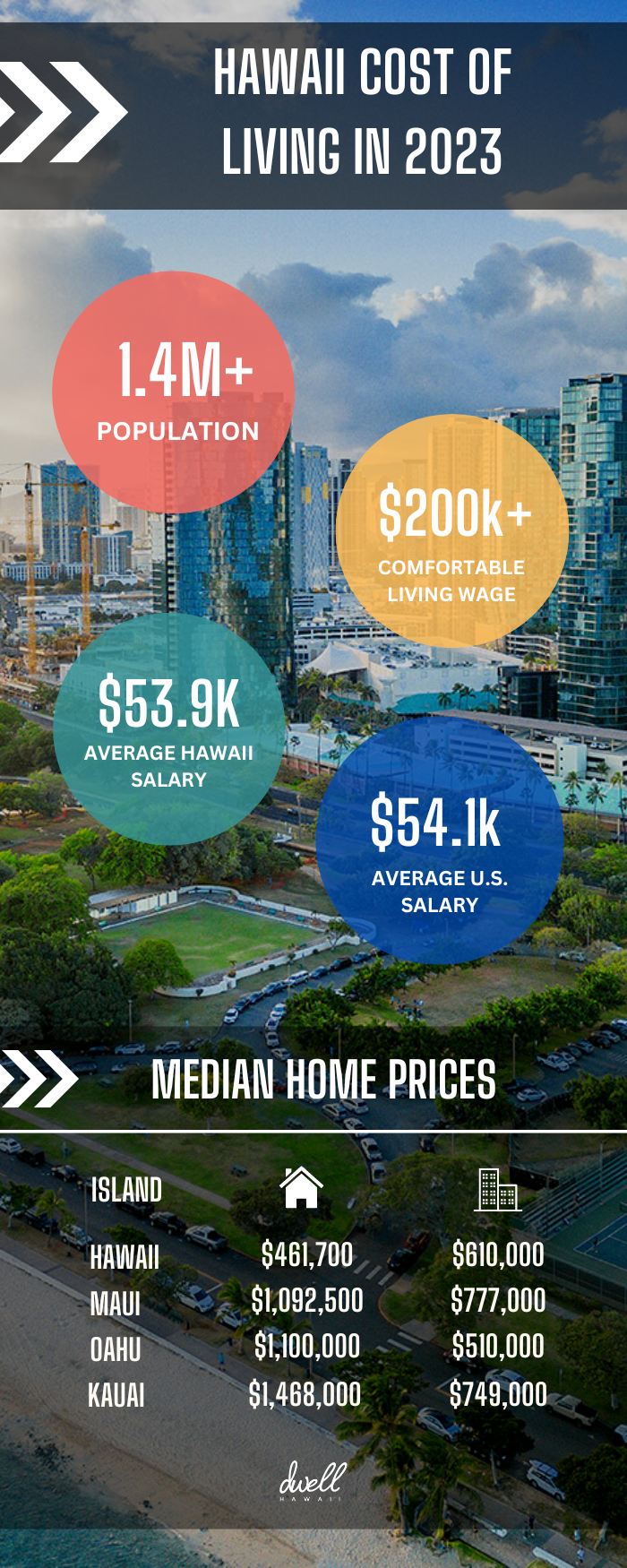
The allure of Hawaii is undeniable. Its unique blend of Polynesian culture, stunning natural beauty, and a tropical climate makes it a highly desirable place to live. Whether you envision yourself waking up to the sound of the ocean on Oahu, exploring the lush rainforests of Kauai, witnessing the active volcanoes of the Big Island, or enjoying the charming towns of Maui, the initial draw is strong. However, before you pack your bags, it’s crucial to understand the financial landscape. The cost of living in Hawaii is notoriously high, often cited as one of the most expensive states in the United States. This is a significant factor for anyone considering a permanent move, impacting everything from daily budgeting to long-term financial planning.
This article aims to provide a comprehensive overview, drawing on the typical expenses faced by residents. We’ll break down the major cost categories, offering average figures and highlighting factors that can influence your personal expenditure. By understanding these elements, you can better assess whether your financial resources align with your Hawaiian aspirations.
Understanding the Core Costs of Hawaiian Residency
Living in Hawaii involves a unique set of expenses that differ significantly from mainland living. The primary driver of these high costs is the state’s geographical isolation. Everything from food and consumer goods to building materials needs to be shipped to the islands, incurring substantial transportation fees that are ultimately passed on to the consumer. This isolation impacts various sectors, making even basic necessities more expensive.
Housing: The Biggest Financial Hurdle
When considering the cost of living in Hawaii, housing stands out as the most significant expense for most residents. Whether you’re looking to rent or buy, you’ll find that prices are considerably higher than the national average. This is a direct consequence of limited land availability, high demand, and the aforementioned shipping costs for construction materials.
Rental Market Dynamics
Renting in Hawaii can be a substantial financial commitment. The islands have a competitive rental market, particularly in popular areas like Honolulu on Oahu. Studio apartments or one-bedroom units in or near major cities can easily command prices well above $2,000 per month, and this is often for basic accommodations. For families or those seeking more space, a two or three-bedroom rental can range from $3,000 to $5,000 or even more, depending on the island, neighborhood, and amenities.
Factors influencing rental costs include proximity to the coast, views, the age and condition of the property, and whether utilities are included. Short-term vacation rentals, while popular with tourists, often contribute to the scarcity of long-term housing options, further driving up rental prices. Long-term stays, especially for those not tied to tourism, may find more affordable options further from prime tourist spots, but this often means longer commutes. For those seeking extended stays that mimic local living, exploring apartment complexes or individual home rentals that aren’t geared towards short-term vacationers is key. Websites specializing in accommodation comparisons and reviews can be invaluable here, helping you navigate the diverse options from basic apartments to more luxurious villas, though the latter will significantly increase your budget.
Homeownership Aspirations
Purchasing a home in Hawaii is an even more significant investment. Median home prices are among the highest in the United States. For a single-family home, you can expect to pay upwards of $800,000, with prices often reaching well over $1 million, especially on islands like Maui and Oahu. Even condos and townhouses, which might be more attainable, typically start in the $500,000 to $700,000 range.
The cost of property taxes is another consideration, though they are generally competitive compared to other states with similarly high property values. However, the upfront investment for a down payment and mortgage payments will be substantial. For those considering a long-term stay and the possibility of homeownership, it’s vital to factor in not just the mortgage but also homeowners insurance, maintenance, and potential homeowner association (HOA) fees. The dream of owning a piece of paradise comes with a considerable price tag, requiring significant financial planning and a robust income stream.
Utilities and Daily Necessities
Beyond housing, everyday utilities and the cost of groceries also contribute significantly to the overall cost of living in Hawaii. The same logistical challenges that affect housing also impact the price of electricity, water, gas, and the food on your table.
Electricity and Water Costs
Electricity prices in Hawaii are consistently among the highest in the nation. This is largely due to the reliance on imported fossil fuels for power generation. Monthly electricity bills can easily reach several hundred dollars, especially for larger homes or during warmer months when air conditioning is in frequent use. Water costs, while generally lower than electricity, are still a factor, and conservation is often encouraged. Internet and cable services also add to the monthly utility expenses, often at rates comparable to or higher than mainland prices.

Grocery Expenses
The price of food in Hawaii is another area where residents feel the pinch. Imported goods, including fresh produce, meats, and pantry staples, incur substantial shipping costs. While Hawaii does produce some of its own food, such as tropical fruits, taro, and locally caught fish, it cannot meet the demand for all dietary needs. This means that a typical grocery shopping trip for a family can be significantly more expensive than on the mainland. Budgeting an extra 30-50% for groceries compared to a similar lifestyle on the continental United States is not uncommon. Local farmers’ markets can offer fresher, sometimes more affordable, options for certain items, and exploring these can be a delightful way to experience local culture and food while potentially saving some money.
Transportation: Getting Around the Islands
While Hawaii offers incredible natural beauty, getting around can be expensive, especially if you don’t live in a densely populated area with extensive public transport. The cost of owning and operating a vehicle is a significant consideration for many residents.
Vehicle Ownership and Fuel
The price of gasoline in Hawaii is typically higher than the national average due to shipping costs. This means that daily commutes, errands, and weekend explorations all add up. Car insurance rates can also be higher depending on the island and your driving record. For many, owning a car is a necessity, as public transportation options can be limited outside of major urban centers like Honolulu. If you’re considering bringing your car from the mainland, factor in the significant cost of shipping it. Alternatively, purchasing a vehicle on the islands will involve higher prices than you might be accustomed to.
Public Transportation and Alternatives
On Oahu, particularly in the Honolulu metropolitan area, there is a more developed public transportation system, including TheBus. However, for residents of other islands or those living outside major bus routes, relying solely on public transport may not be feasible for daily life. Ride-sharing services are available in some areas but can be costly. For the adventurous and environmentally conscious, cycling is an option for shorter distances, but the tropical climate and hilly terrain can be challenging. Inter-island travel also incurs costs, whether by plane for quick trips or by ferry (though limited in availability and scope), adding to the overall expense of experiencing different parts of the archipelago.
Lifestyle and Discretionary Spending in Hawaii
Beyond the essential costs of housing, utilities, and transportation, your lifestyle choices and discretionary spending will also heavily influence how much you need to live in Hawaii. The islands offer a unique blend of relaxed island living and opportunities for luxury experiences, and your budget will dictate which you can fully embrace.
Entertainment and Leisure Activities
Hawaii boasts a wealth of natural attractions and cultural experiences that can be enjoyed on various budgets. For nature enthusiasts, hiking through lush trails, swimming in pristine bays, and exploring volcanic landscapes often come with minimal to no cost. Entrance fees to national parks like Haleakala National Park on Maui or Hawaii Volcanoes National Park on the Big Island are relatively modest.
However, many popular tourist activities, such as helicopter tours, luaus, boat excursions to see marine life, or surf lessons, can be quite expensive. These luxury experiences, while offering unforgettable memories, will significantly impact your monthly or annual spending. Dining out can also range from very affordable local eateries and food trucks to high-end restaurants with ocean views. A budget-friendly approach would involve frequenting local spots and enjoying picnics, while a more extravagant lifestyle could involve frequent visits to upscale establishments.
Local Culture and Culinary Delights
Immersing yourself in local culture can be an enriching experience that doesn’t always require a large budget. Attending local festivals, visiting historical sites like Pearl Harbor, exploring art galleries, and learning about Hawaiian traditions can be done affordably. The food scene in Hawaii is diverse, offering everything from traditional Hawaiian dishes like poi and kalua pig to international cuisine influenced by its diverse population. Exploring local markets for fresh produce and trying local delicacies from food trucks can be a cost-effective way to experience the islands’ culinary landscape. However, if you are drawn to the fine dining scene or exclusive resort restaurants, your budget will need to be significantly higher.
Budgeting for Different Lifestyles
The concept of “how much to live in Hawaii” is highly subjective and depends entirely on your desired lifestyle.
- Budget Traveler/Resident: This lifestyle would prioritize affordable housing (perhaps further from prime tourist areas), cooking most meals at home, utilizing public transportation where possible, and focusing on free or low-cost outdoor activities. This approach can make living in Hawaii more attainable, though still more expensive than many mainland locations.
- Mid-Range Resident: This individual or family might afford a comfortable rental or modest home, dine out a few times a week, enjoy a mix of paid and free activities, and have a reliable vehicle. This is likely the most common scenario for those who have successfully relocated and are maintaining a reasonable quality of life.
- Luxury Traveler/Resident: This lifestyle would involve living in premium locations, frequenting high-end restaurants, indulging in numerous paid excursions and activities, and potentially owning multiple vehicles or luxury items. This level of living requires a substantial income to sustain.
Ultimately, the cost of living in Hawaii is a multifaceted issue influenced by geographical isolation, high demand, and the cost of goods and services. While the dream of island life is attainable for many, it requires careful financial planning, realistic expectations, and a willingness to adapt to the unique economic realities of living in paradise. By thoroughly understanding these costs, you can make informed decisions about your future in the Aloha State.
LifeOutOfTheBox is a participant in the Amazon Services LLC Associates Program, an affiliate advertising program designed to provide a means for sites to earn advertising fees by advertising and linking to Amazon.com. Amazon, the Amazon logo, AmazonSupply, and the AmazonSupply logo are trademarks of Amazon.com, Inc. or its affiliates. As an Amazon Associate we earn affiliate commissions from qualifying purchases.