
When most people picture the Hawaiian Islands, their minds conjure images of sun-drenched beaches, swaying palm trees, and the gentle murmur of turquoise waves. It’s a tropical paradise, a place synonymous with warmth and vibrant aloha spirit. Yet, amidst this idyllic tropical imagery, a surprising question often arises: does it ever snow in Hawaii? The answer, perhaps counterintuitively, is a resounding yes. While not a common occurrence for most visitors or residents, snow is a fascinating, albeit infrequent, phenomenon that graces the highest peaks of the Hawaiian archipelago. This article will delve into the conditions that allow for snowfall in these equatorial islands, explore where and when it’s most likely to occur, and highlight how this unique aspect of Hawaii’s geography contributes to its diverse appeal as a travel destination.
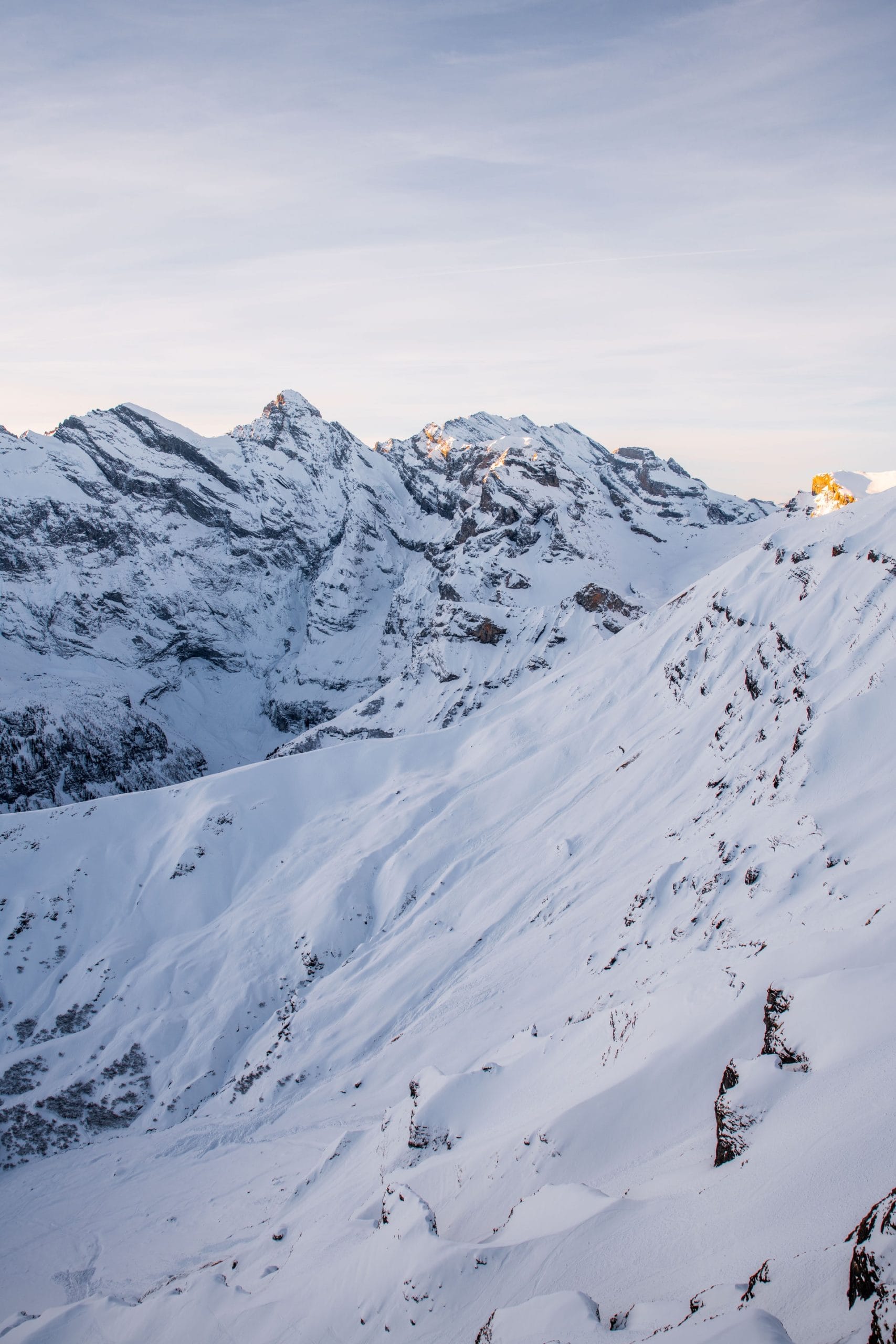
The Paradoxical Snowfall: Understanding Hawaii’s Climate Extremes
The presence of snow in Hawaii might seem like a contradiction, a geographical anomaly. After all, Hawaii sits squarely in the Tropics, a region typically associated with consistent heat and humidity. However, the key to understanding this phenomenon lies in the remarkable elevation of certain Hawaiian volcanoes. The islands are formed by volcanic activity, and some of these volcanoes, particularly on the island of Hawaii (the Big Island), are colossal mountains that rise thousands of feet above sea level.
The Crucial Role of Altitude
The fundamental principle at play is that temperature decreases with altitude. For every 1,000 feet (approximately 300 meters) of elevation gained, the temperature drops by about 3.5°F (2°C). Hawaii’s highest points soar well above the typical tropical climate zone. The most prominent examples are the summits of Mauna Kea and Mauna Loa on the Big Island, both exceeding 13,000 feet (nearly 4,000 meters). At these altitudes, temperatures can dip below freezing, creating the necessary conditions for precipitation to fall as snow, not rain.
Even though these mountains are surrounded by warm ocean waters, which tend to moderate global temperatures, the sheer height of their peaks allows them to break through the tropopause and reach altitudes where sub-freezing temperatures are common, especially during the cooler winter months. This creates a unique microclimate at the summit, vastly different from the balmy coastal regions that draw millions of tourists each year.
Winter Months: The Prime Season for Snowfall
While snow can technically occur at any time of year if conditions are right, it is overwhelmingly concentrated in the winter months. This corresponds to the period between November and March, when the Northern Hemisphere experiences its colder weather. During these months, storm systems can bring colder air masses to Hawaii, and when combined with sufficient moisture and the extreme altitudes of the volcanic summits, snowfall becomes a distinct possibility. The intensity and frequency of these winter storms can vary significantly from year to year, influencing how much snow falls and for how long it remains.
Where to Find Snow in Hawaii: The Volcanic Summits
The snow in Hawaii is not spread across the islands like a blanket of white. Instead, it is confined to the very highest elevations, primarily on the two largest volcanoes on the island of Hawaii.
The Majestic Peaks of Mauna Kea and Mauna Loa
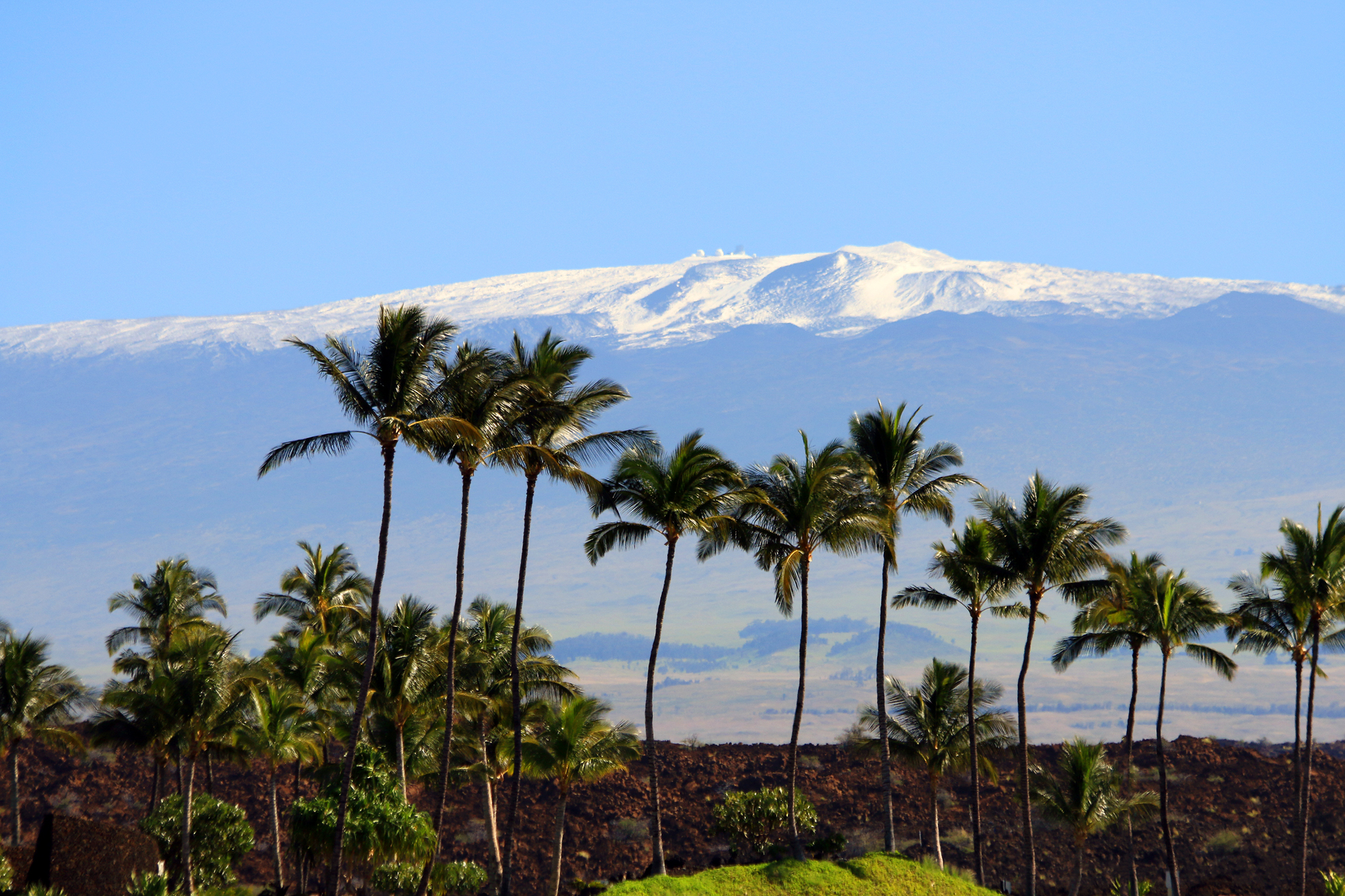
- Mauna Kea: This dormant volcano is the highest point in Hawaii, reaching an elevation of 13,803 feet (4,207 meters) above sea level. Its summit is a popular destination for stargazing due to its clear skies and high altitude, and it also receives the most consistent snowfall. The conditions at the summit are often harsh, with temperatures well below freezing during winter storms, leading to significant accumulations of snow.
- Mauna Loa: Adjacent to Mauna Kea and also exceeding 13,000 feet, Mauna Loa is the world’s largest volcano by volume. It also experiences snowfall at its summit, though perhaps slightly less frequently or intensely than Mauna Kea.
These volcanic summits offer a stark contrast to the lush tropical landscapes found at lower elevations. The snow-covered peaks are a testament to Hawaii’s diverse geography, offering a surreal and breathtaking spectacle.

Snowfall on Other Islands?
While Mauna Kea and Mauna Loa are the primary locations for snowfall, it is theoretically possible for other Hawaiian Islands to experience snow if they have sufficiently high peaks. Of the other islands, only Maui boasts a mountain high enough to potentially receive snow.
- Haleakalā on Maui: This dormant volcano stands at 10,023 feet (3,055 meters). While significantly lower than the peaks on the Big Island, Haleakalā can and does receive snow during severe winter weather events. The snowfall here is typically lighter and less frequent than on Mauna Kea, but it still contributes to the unique climatic diversity of the Hawaiian Islands.
Other islands, such as Oahu, Kauai, and Lanai, do not have peaks high enough to regularly experience snowfall. Their highest points remain well within the temperature zones where precipitation falls as rain.
Experiencing Snow in Hawaii: Travel and Tourism Perspectives
The prospect of seeing snow in a tropical paradise adds a unique dimension to the Hawaiian travel experience. While most visitors come for the beaches and warm weather, the possibility of witnessing snow on the volcanic summits offers an extraordinary adventure for those seeking something beyond the ordinary.
Driving to the Summit: An Unforgettable Journey
Accessing the snow-covered peaks is an adventure in itself. The drive up Mauna Kea is a significant undertaking, often requiring a 4×4 vehicle for the unpaved summit road. Visitors embark on a journey through vastly different climate zones, starting from the lush tropical lowlands and ascending through temperate forests, then into a barren, alpine environment. The temperature plummets with every mile gained, and by the time one reaches the summit, the air is thin and cold, with the possibility of encountering snow.
For many, the experience of standing on a volcanic summit, thousands of feet above the Pacific Ocean, with snow dusting the ground and surrounding peaks, is truly surreal. It’s a stark reminder of the planet’s geological power and the dramatic variations in climate that can exist even within a relatively small geographical area.
Observing Snowfall and Its Impact
Snowfall in Hawaii is generally not extensive enough to disrupt daily life at lower elevations. The snow is primarily confined to the mountain tops and typically melts relatively quickly once temperatures rise. However, during significant winter storms, road closures for the summit areas of Mauna Kea and Mauna Loa are common for safety reasons.
The snow does, however, play a role in the local ecosystem. At high altitudes, these volcanic slopes can host unique plant and animal species adapted to the colder, drier conditions. Furthermore, the snowmelt can contribute to water resources in the otherwise arid volcanic landscapes.
Planning a Snow-Seeking Trip
For travelers hoping to witness snow in Hawaii, careful planning is essential. The winter months, particularly December through February, offer the highest probability. Checking weather forecasts and road conditions is crucial, as snow events are infrequent and unpredictable. It’s also important to be prepared for extreme weather conditions at the summit, including cold temperatures, high winds, and potentially low visibility. Warm clothing, including hats, gloves, and waterproof outerwear, is a must.
While the primary draw of Hawaii remains its tropical allure, the infrequent dusting of snow on its volcanic peaks adds a layer of wonder and surprise, making it a destination that offers more climatic diversity than most people imagine. The juxtaposition of sun-kissed beaches and snow-capped mountains is a testament to the extraordinary natural beauty and geological marvels of these Pacific islands.
LifeOutOfTheBox is a participant in the Amazon Services LLC Associates Program, an affiliate advertising program designed to provide a means for sites to earn advertising fees by advertising and linking to Amazon.com. Amazon, the Amazon logo, AmazonSupply, and the AmazonSupply logo are trademarks of Amazon.com, Inc. or its affiliates. As an Amazon Associate we earn affiliate commissions from qualifying purchases.