
Hawaii, the Aloha State, is a dream destination for many. Its pristine beaches, lush rainforests, vibrant culture, and world-class resorts beckon travelers from across the globe. When planning a trip to this Pacific paradise, understanding the local time is not just a matter of convenience; it’s essential for coordinating flights, booking tours, and making the most of every moment. The question “Is Hawaii Pacific Time?” is a common one, and the answer, while seemingly simple, opens up a world of considerations for any visitor.
Understanding Hawaii’s Time Zone: Beyond Pacific Standard Time
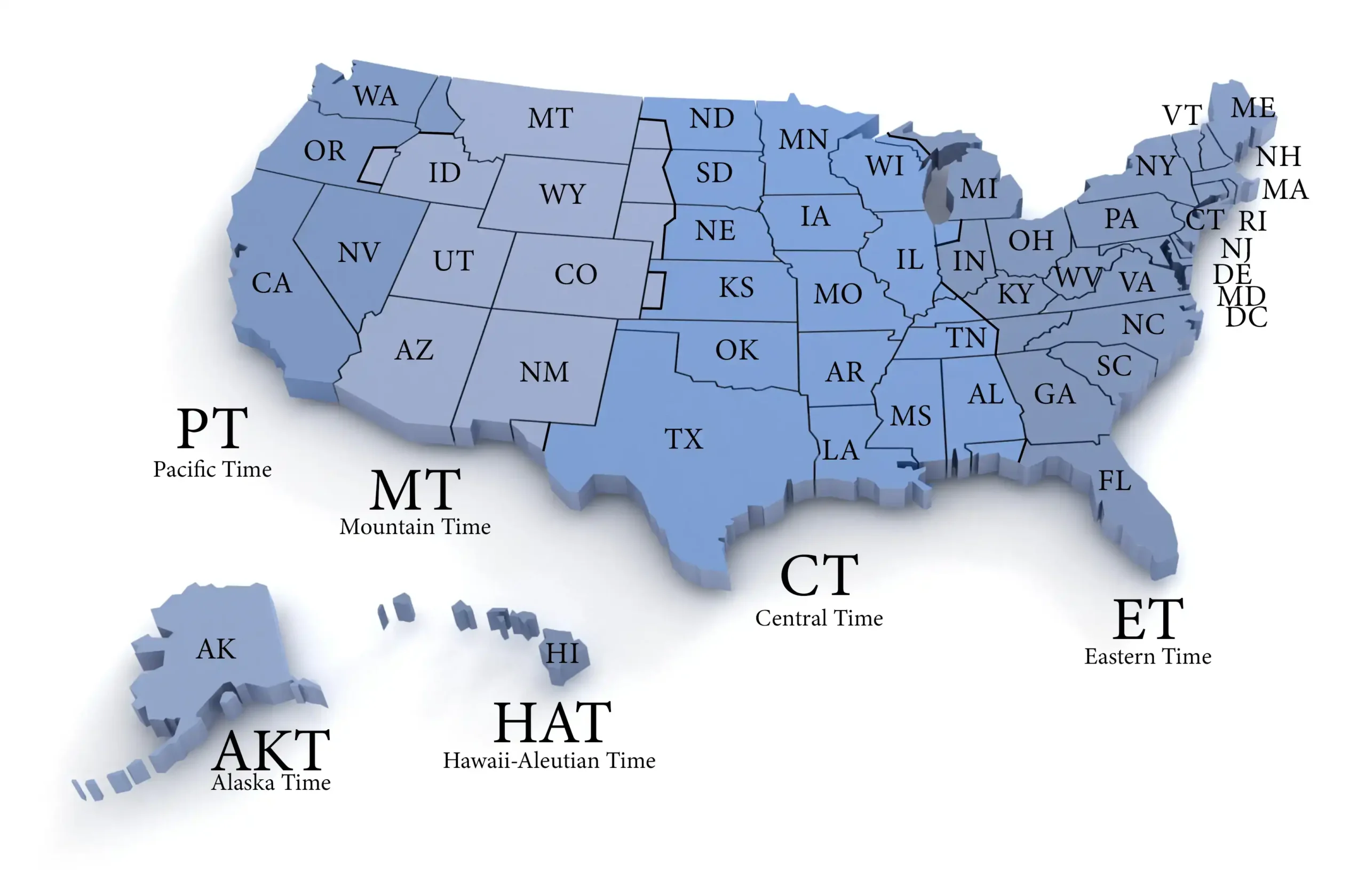
When people ask if Hawaii is on Pacific Time, they’re often thinking of the contiguous United States’ “Pacific Time Zone,” which encompasses states like California, Oregon, and Washington. However, Hawaii operates on its own distinct time zone, which is crucial to grasp for seamless travel planning.
Hawaii Standard Time (HST)
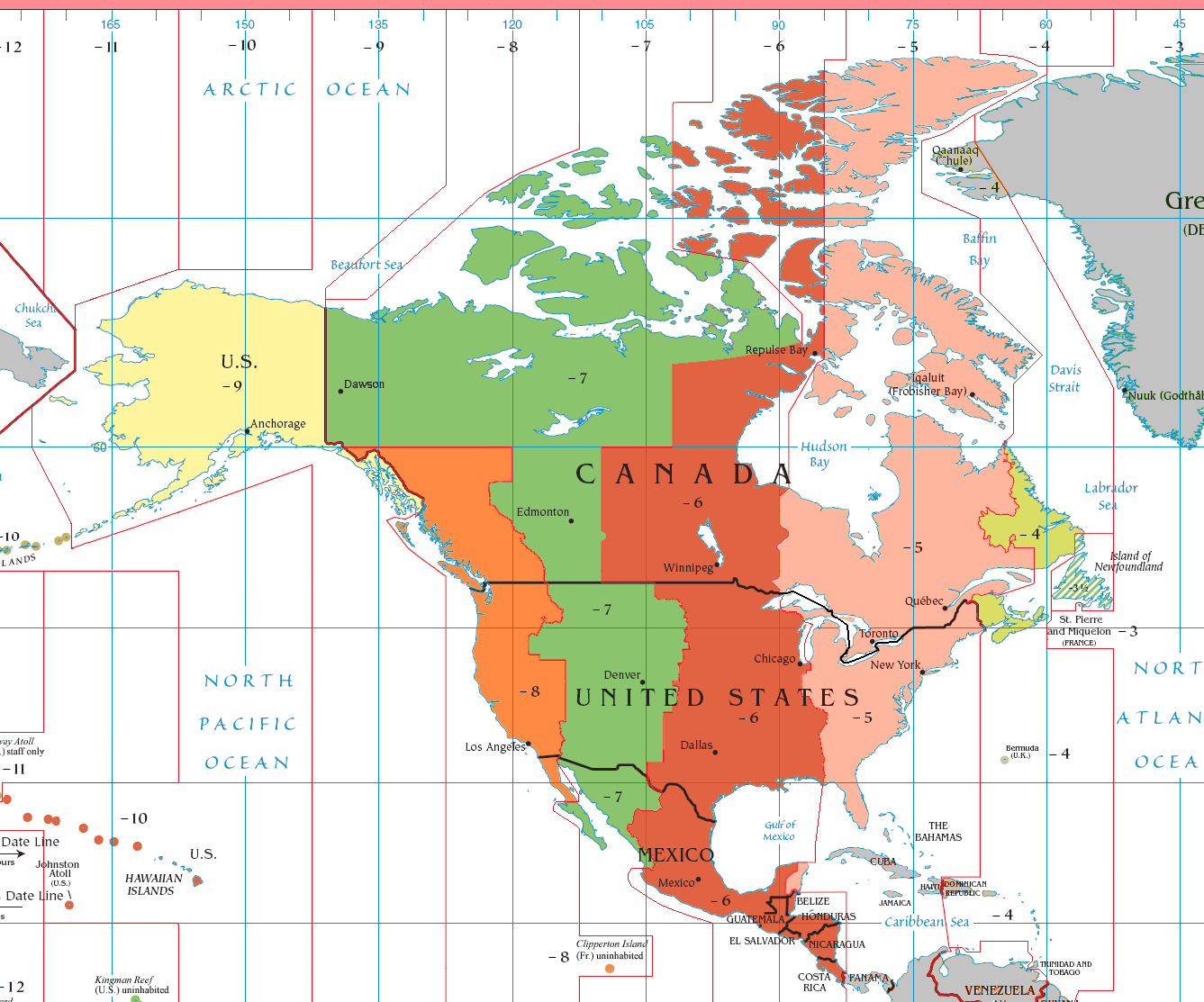
Hawaii observes Hawaii Standard Time (HST). This time zone is UTC-10:00. This means it is 10 hours behind Coordinated Universal Time (UTC). Crucially, Hawaii does not observe Daylight Saving Time. This is a significant difference from most of the continental United States.
The Impact of No Daylight Saving Time
The absence of Daylight Saving Time in Hawaii has several implications for travelers:
- Consistent Time Difference: Unlike mainland US states that “spring forward” and “fall back,” Hawaii’s time remains constant throughout the year. This means the time difference between Hawaii and the mainland US will vary depending on whether the mainland is observing Standard Time or Daylight Saving Time.
- Simplified Planning: While the fluctuating difference might seem confusing initially, it also means once you’ve established the difference for a particular time of year, it generally stays the same for your entire stay, unless you’re traveling during the brief periods of transition on the mainland.
- Arrival and Departure: Always double-check your flight schedules for arrival and departure times, ensuring you’re accounting for the correct time difference. A 3 PM departure from Los Angeles, for instance, will translate to a much earlier time in Honolulu once you factor in the time zone and flight duration.
Comparing HST to Mainland US Time Zones
To truly understand where Hawaii stands, let’s compare HST to the major time zones of the contiguous United States:
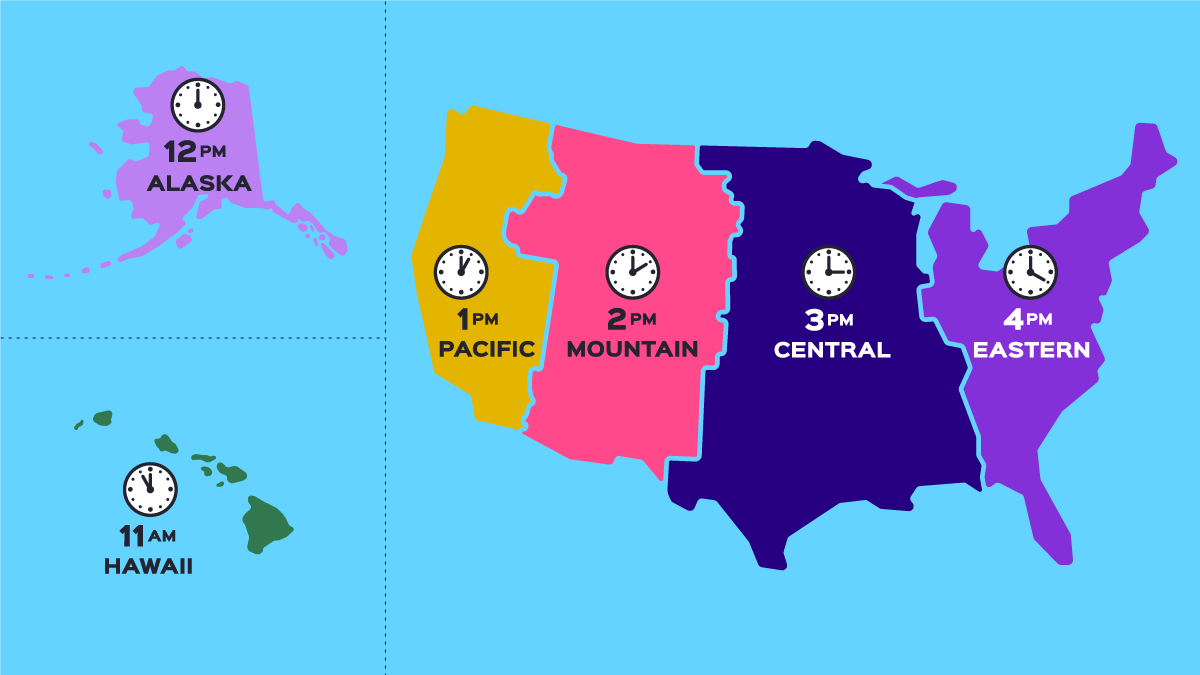
- Eastern Standard Time (EST) / Eastern Daylight Time (EDT): This is the time zone for New York, Florida, and much of the eastern seaboard. During Standard Time, EST is UTC-5:00. During Daylight Saving Time, EDT is UTC-4:00. This means Hawaii is 5 hours behind EST and 6 hours behind EDT.
- Central Standard Time (CST) / Central Daylight Time (CDT): This zone covers states like Texas, Illinois, and Louisiana. CST is UTC-6:00, and CDT is UTC-5:00. Hawaii is 6 hours behind CST and 7 hours behind CDT.
- Mountain Standard Time (MST) / Mountain Daylight Time (MDT): This zone includes states like Colorado and Arizona (though Arizona largely does not observe DST). MST is UTC-7:00, and MDT is UTC-6:00. Hawaii is 7 hours behind MST and 8 hours behind MDT.
- Pacific Standard Time (PST) / Pacific Daylight Time (PDT): This is the time zone most people associate with when asking if Hawaii is Pacific Time. PST is UTC-8:00, and PDT is UTC-7:00. Hawaii is 8 hours behind PST and 9 hours behind PDT.
Therefore, while Hawaii is geographically in the Pacific Ocean, it is not in the Pacific Time Zone as commonly understood by those on the mainland. It is significantly behind PST/PDT.
Navigating Travel Logistics with Hawaii Standard Time
Understanding HST is critical for every aspect of your Hawaii vacation, from booking to experiencing the islands.
Flights and Travel Schedules
The most immediate impact of HST is on flight times. When booking flights to Honolulu International Airport (HNL) on Oahu, or airports on other islands like Maui (OGG), Kauai (LIH), or the Big Island (KOA), you’ll see departure and arrival times listed in local time.
- Example: A flight departing from San Francisco (in the Pacific Time Zone) at 9:00 AM PST will arrive in Honolulu several hours later. Considering the 3-hour time difference due to PDT (9 hours difference from HST), and the flight duration of about 5-6 hours, you might depart on Monday morning and arrive on Monday afternoon Hawaii time. Always confirm with your airline or booking platform.
- Connecting Flights: If you have connecting flights, especially on the mainland, be meticulous about calculating the time difference. A tight connection can become impossible if you miscalculate the time zone.
Accommodation and Activities
Once you arrive in Hawaii, all hotel check-in and check-out times, as well as tour and activity schedules, will be based on HST.
- Hotel Bookings: When booking your stay at iconic resorts like the Grand Wailea Maui, A Waldorf Astoria Resort on Maui, or a charming boutique hotel in Waikiki, remember that the listed times for check-in, breakfast, and any resort activities adhere to HST.
- Tour Operators: Whether you’re booking a surf lesson on the North Shore of Oahu, a helicopter tour over the Na Pali Coast on Kauai, or a whale-watching excursion off Maui, all timings will be in Hawaii Standard Time. It’s advisable to confirm the meeting time the day before, especially if you’re prone to jet lag.
- Dining Reservations: Popular restaurants, from fine dining establishments in Honolulu to casual eateries serving local plate lunches, will operate on HST. Booking reservations for dinner, especially during peak season, is highly recommended.
Communication with Home
The time difference is a significant factor when communicating with friends and family back home.
- Calling Home: If you call family on the East Coast, remember they are several hours ahead. A mid-morning call from Hawaii might be late afternoon or early evening for them. Conversely, a call from the mainland late at night could be very early morning for your hosts or travel companions still adjusting.
- Business Meetings: For those on business trips or working remotely, coordinating calls with mainland clients or colleagues requires careful planning to avoid early morning or late-night disruptions.
Embracing the Island Pace: Adjusting to Hawaii Standard Time
The relaxed “island time” often associated with Hawaii is more than just a cultural phenomenon; it’s also influenced by its time zone. While HST is a precise UTC offset, the mindset it fosters can contribute to a slower, more enjoyable pace of life.
The Mental Shift for Travelers
Arriving in Hawaii often means a significant mental adjustment. The difference between your home time zone and HST can lead to jet lag, characterized by fatigue, sleep disturbances, and general disorientation.
- Prioritize Sleep: On your first day, try to adjust to the local sleep-wake cycle as quickly as possible. Expose yourself to natural sunlight during the day and avoid screens before bed.
- Hydration is Key: Staying hydrated is crucial, especially on long flights and during the transition to a new time zone.
- Gentle Exploration: Don’t overschedule your first day. A gentle stroll along Waikiki Beach or a leisurely breakfast with ocean views can help you acclimatize without feeling rushed.
Popular Hawaiian Destinations and Their Time Zone
Hawaii is comprised of several islands, each with its unique charm. While the time zone is uniform across the state, understanding the geography and the popular spots within each island can enhance your planning.
- Oahu: Home to the state capital, Honolulu, and iconic landmarks like Pearl Harbor and the Diamond Head crater, Oahu is the most populated island.
- Maui: Famous for its stunning beaches, the scenic Road to Hana, and the majestic Haleakala National Park, Maui offers diverse landscapes.
- Kauai: Known as the “Garden Isle,” Kauai boasts dramatic cliffs, lush valleys, and the breathtaking Na Pali Coast.
- Big Island (Hawaii Island): This island is a geological marvel, home to active volcanoes within Hawaii Volcanoes National Park and diverse climates.
No matter which island you choose for your stay at a luxurious resort like the Four Seasons Resort Maui at Wailea or a family-friendly apartment, remember that all schedules and communications will be in HST.
The Psychological Benefit of Island Time
Beyond the logistical, there’s a psychological benefit to embracing Hawaii’s timekeeping. The absence of DST and the consistent time difference can, for some, contribute to a feeling of being truly “away” from the mainland hustle. It encourages a slower rhythm, a greater appreciation for the present moment, and a more relaxed approach to the day. This is, after all, the essence of the Aloha Spirit, and understanding HST is the first step to truly immersing yourself in it.
Conclusion: Time Well Spent in the Aloha State
So, to directly answer the question: No, Hawaii is not Pacific Time in the way most people on the mainland understand it. It operates on Hawaii Standard Time (HST), which is UTC-10:00 and does not observe Daylight Saving Time. This distinction is vital for accurate travel planning, ensuring smooth transitions for flights, accommodations, and activities.
By understanding the time difference and the implications of HST, travelers can better manage their expectations, combat jet lag, and fully immerse themselves in the unparalleled beauty and culture of the Hawaiian Islands. Whether you’re exploring the historical significance of Iolani Palace or simply enjoying a sunset from your lanai at a resort like the Halekulani Hotel, knowing the local time is the first step to making every moment count in this Pacific paradise. Embrace the difference, and let the rhythm of island time guide your unforgettable Hawaiian adventure.
LifeOutOfTheBox is a participant in the Amazon Services LLC Associates Program, an affiliate advertising program designed to provide a means for sites to earn advertising fees by advertising and linking to Amazon.com. Amazon, the Amazon logo, AmazonSupply, and the AmazonSupply logo are trademarks of Amazon.com, Inc. or its affiliates. As an Amazon Associate we earn affiliate commissions from qualifying purchases.