
The allure of the Hawaiian Islands, with their sun-drenched beaches, lush volcanic landscapes, and vibrant culture, calls to travelers year-round. But for those planning a getaway, the question of the “best” time to visit often arises. Specifically, many wonder: Is January a good time to go to Hawaii? The answer, in short, is a resounding yes, with a few nuances to consider. January falls within Hawaii’s cooler, wetter season, but this doesn’t diminish its considerable charm or the wealth of experiences available. In fact, for many, the advantages of visiting in January – fewer crowds, lower prices, and unique natural phenomena – outweigh the slight possibility of rain.

This guide will delve into what makes January a compelling month for a Hawaiian vacation, examining the weather, crowd levels, cost, and the array of activities and natural wonders that await you. Whether you’re dreaming of relaxing on Waikiki Beach, exploring the Road to Hana, or witnessing the raw power of Kīlauea, January offers a fantastic opportunity to experience the magic of Hawaii.
Navigating Hawaii in January: Weather, Crowds, and Costs
January in Hawaii is typically characterized by mild temperatures and a higher chance of rainfall compared to the summer months. However, it’s crucial to understand that “wetter” in Hawaii doesn’t necessarily mean constant downpours. The islands are geographically diverse, and weather patterns can vary significantly from one side of an island to another, and from island to island.
Understanding January Weather in Hawaii
The average temperatures in January hover around the comfortable mid-70s Fahrenheit (around 24°C) for most coastal areas. While this is slightly cooler than the peak summer heat, it’s still perfectly suited for beach activities, hiking, and sightseeing. The ocean temperatures remain pleasant for swimming and watersports, usually in the high-70s Fahrenheit (around 26°C).
The “rainy season” in Hawaii generally spans from November to April. However, it’s important to clarify what this means. The rain often comes in the form of brief, localized showers, particularly on the windward (northeastern) sides of the islands. The leeward (southwestern) sides, where many popular resorts and beaches are located, tend to remain sunnier and drier. For instance, on Oahu, Honolulu and Waikiki typically experience less rain than the lush North Shore. Similarly, the western and southern coasts of Maui, like Ka’anapali, often boast sunnier skies than the Hana rainforest.
This increased rainfall also contributes to Hawaii’s stunning natural beauty during January. Waterfalls are at their most spectacular, and the landscapes are incredibly verdant and lush. For those who enjoy dramatic scenery and the invigorating scent of rain-kissed earth, January can be a visually rewarding time to visit.
Managing Crowds and Finding Value
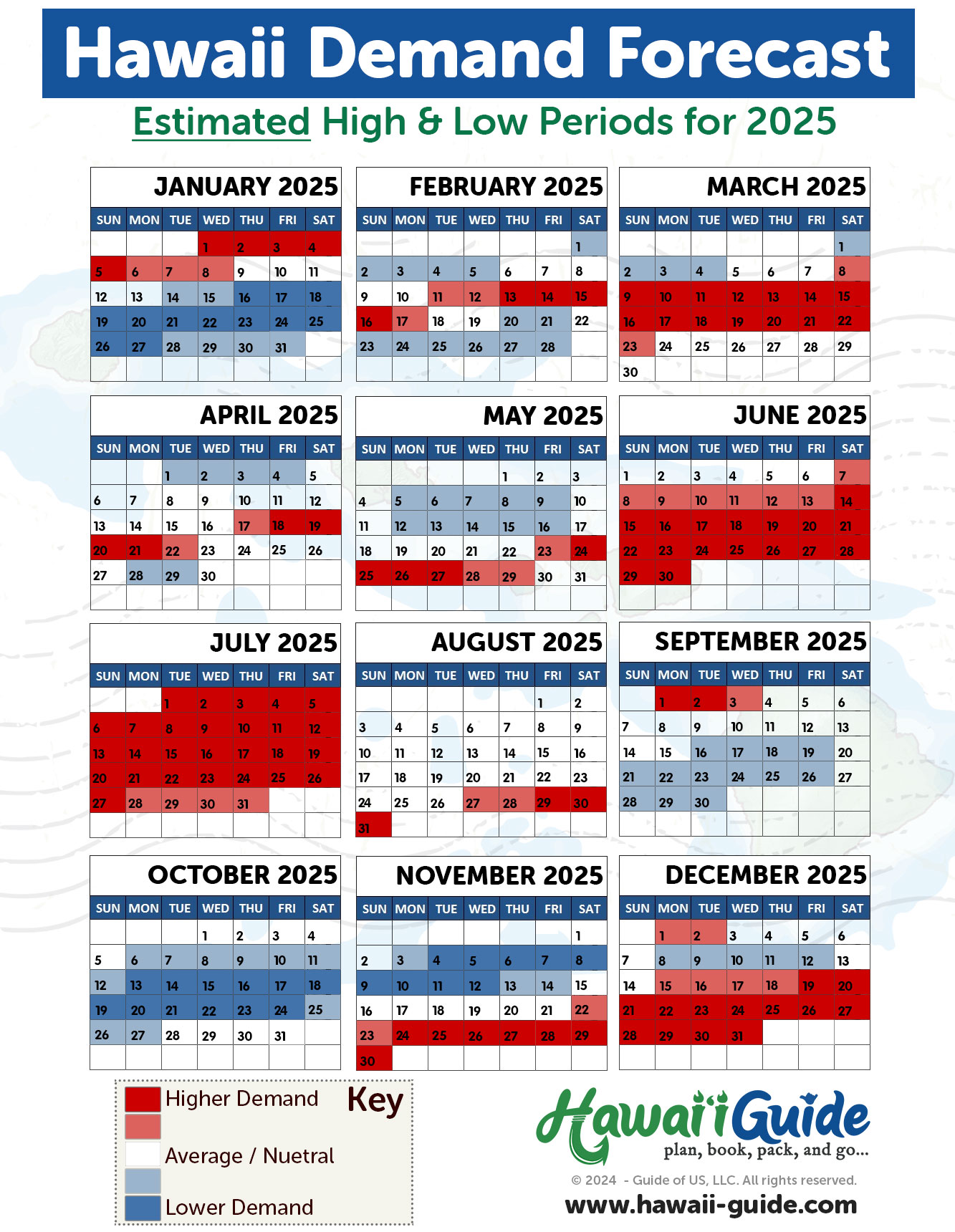
One of the most significant advantages of visiting Hawaii in January is the relative lull in tourist crowds. The peak holiday season, which includes Christmas and New Year’s, generally tapers off after the first week of January. This means that from mid-January onwards, you’ll likely encounter fewer people at popular attractions, on beaches, and in restaurants. This can lead to a more relaxed and authentic experience, allowing you to truly immerse yourself in the local culture and natural beauty without the constant hustle and bustle.
This reduction in demand often translates into more favorable pricing for flights and accommodation. While Hawaii is never a budget destination, January can offer better deals on hotels, vacation rentals, and airfare compared to the astronomically high prices of December and early January. This makes it an excellent time for those looking to experience the magic of Hawaii while being mindful of their budget, whether you’re planning a luxurious escape or a more budget-conscious adventure. You might find yourself with more options for desirable suites in top-tier resorts or more affordable rates for charming apartments.
What to Pack for a January Trip
Given the potential for both sunshine and rain, packing for January in Hawaii requires a bit of versatility. Lightweight, breathable clothing is a must, including shorts, t-shirts, sundresses, and swimwear. However, it’s also wise to pack a light rain jacket or poncho and perhaps a long-sleeved shirt or a light sweater for cooler evenings, especially if you plan on venturing to higher elevations or spending time outdoors after dark. Comfortable walking shoes or sandals are essential for exploring, and water shoes can be beneficial for rocky shorelines or exploring tide pools. Don’t forget sun protection: sunscreen, a hat, and sunglasses are crucial year-round.
Unveiling the Wonders of Hawaii in January: Activities and Attractions
January presents a unique set of opportunities for travelers to experience Hawaii’s diverse attractions, from its iconic landmarks to its vibrant local life and thrilling natural phenomena.
Whale Watching Season Peaks
One of the most compelling reasons to visit Hawaii in January is the commencement of the peak whale watching season. From December through April, humpback whales migrate from their feeding grounds in Alaska to the warm, shallow waters of Hawaii to breed and calve. The months of January, February, and March are considered the prime time for spotting these magnificent creatures.
Maui, in particular, is renowned as one of the best places in the world for whale watching. The sheltered waters between Maui, Lanai, and Molokai are a favorite gathering spot for the humpbacks. Numerous boat tours depart daily from harbors like Lahaina and Ma’alaea, offering unforgettable encounters with these gentle giants. You can witness them breaching, slapping their tails, and playing in the ocean. Even from shore, with binoculars, you can often spot spouts or the distant fins of whales. This natural spectacle is a highlight of any winter trip to the islands and a truly awe-inspiring experience for all ages.

Exploring Diverse Island Landscapes
Each Hawaiian island offers a unique tapestry of landscapes, and January’s weather, while potentially wet in some areas, often enhances their beauty.
- Oahu: The “Gathering Place” offers a blend of iconic landmarks and natural wonders. Visit Pearl Harbor for a poignant historical experience, hike to the summit of Diamond Head for panoramic views of Waikiki, and explore the lush rainforests of the Ko’olau Mountains. The North Shore, famous for its legendary surf breaks during the winter months, might be active with large waves, making it a spectator sport for experienced surfers or a dramatic sight for onlookers.
- Maui: Beyond whale watching, Maui boasts the breathtaking Road to Hana, a scenic drive through verdant rainforests, past cascading waterfalls, and along dramatic coastal cliffs. The volcanic crater of Haleakalā offers a starkly beautiful lunar-like landscape, and sunrise or sunset from its summit is an unforgettable experience. The resort areas of Ka’anapali and Wailea offer pristine beaches perfect for relaxation and watersports.
- Kauai: Known as the “Garden Isle,” Kauai is a haven for nature lovers. The dramatic cliffs of the Nā Pali Coast are best viewed by boat tour or helicopter, offering unparalleled vistas. Waimea Canyon, the “Grand Canyon of the Pacific,” is a sight to behold, especially with its vibrant colors intensified by the season’s moisture. Lush valleys and numerous hiking trails await exploration.
- The Big Island (Hawaii Island): This island is a land of dramatic contrasts. Hawaii Volcanoes National Park is a must-visit, home to active volcanoes like Kīlauea. Witnessing volcanic activity, even from a safe distance, is a powerful reminder of the earth’s raw power. The island also features black sand beaches like Punalu’u, lush rainforests in Hilo, and the snow-capped summit of Mauna Kea, where stargazing is exceptional.
Embracing Local Culture and Cuisine
January provides an excellent opportunity to delve into Hawaii’s rich local culture and indulge in its diverse culinary scene without the overwhelming crowds.
- Festivals and Events: While major holiday celebrations conclude by early January, the islands continue to host local events throughout the month. Check local listings for farmers’ markets, craft fairs, music performances, and cultural demonstrations. These events offer authentic insights into Hawaiian life and a chance to interact with local artisans and vendors.
- Culinary Delights: Hawaiian cuisine is a delicious fusion of various cultural influences. From fresh seafood and tropical fruits to traditional plates like poi and kalua pig, there’s something to satisfy every palate. January is a great time to explore local eateries, food trucks, and even fine dining restaurants. Consider taking a food tour or a Hawaiian cooking class to deepen your appreciation for the local flavors. Many restaurants offer seasonal specials that highlight the freshest produce available.
- Historical and Cultural Sites: Beyond the well-known landmarks, explore lesser-known historical sites and cultural centers. Learn about ancient Hawaiian voyaging, traditional hula, and the islands’ complex history. Engaging with these aspects of Hawaiian heritage can significantly enrich your travel experience.
Planning Your January Hawaiian Adventure
To make the most of your January trip to Hawaii, thoughtful planning is key. Considering your priorities and booking in advance will help ensure a seamless and enjoyable vacation.
Choosing Your Island(s) and Accommodation
With four major islands to choose from, each offering a distinct experience, deciding where to go is the first step.
- For first-time visitors: Oahu often serves as a great introduction, offering a mix of iconic attractions like Pearl Harbor and Waikiki, alongside opportunities for surfing on the North Shore and hiking.
- For romance and relaxation: Maui is a popular choice, known for its stunning beaches, luxurious resorts, and the romantic Road to Hana.
- For adventure and natural beauty: Kauai is ideal for hikers and nature enthusiasts, with its dramatic cliffs and lush landscapes.
- For geological wonders and diverse climates: The Big Island offers a unique experience with its active volcanoes, diverse microclimates, and stargazing opportunities.
Once you’ve chosen your island(s), securing accommodation is crucial. January, being part of the shoulder season after the holiday rush, can offer better availability and potentially more competitive prices.
- Resorts and Hotels: From luxury beachfront resorts offering suites with ocean views to charming boutique hotels, Hawaii has a wide range of lodging options. Look for places that align with your desired lifestyle, whether it’s a family-friendly resort with a kids’ club or a tranquil adults-only sanctuary.
- Vacation Rentals: For those seeking more space, privacy, or a kitchen for self-catering, vacation rentals such as apartments and villas are excellent choices. These can be particularly appealing for longer stays or for families.
- Budget-Friendly Options: While true budget travel in Hawaii can be challenging, looking into guesthouses, hostels (though less common on some islands), or booking well in advance can help manage costs.
Booking Flights and Activities
Booking flights and popular activities in advance is always recommended, especially if you are traveling during the first week of January. Even in the latter half of the month, securing your preferred flight times and tours can lead to better prices and availability.
- Flights: Monitor flight prices from your departure city to major Hawaiian airports like Honolulu International Airport (HNL) on Oahu, Kahului Airport (OGG) on Maui, Līhuʻe Airport (LIH) on Kauai, or Hilo International Airport (ITO) and Ellison Onizuka Kona International Airport at Keāhole (KOA) on the Big Island. Consider inter-island flights if you plan to visit multiple islands.
- Tours and Activities: Popular tours, such as whale watching excursions, helicopter tours of the Nā Pali Coast, or guided hikes in Hawaii Volcanoes National Park, can book up quickly. Booking these in advance ensures you don’t miss out on your desired experiences.
Embracing Flexibility and Island Time
While planning is important, remember that Hawaii operates on “island time.” This means embracing a relaxed pace and being open to spontaneous moments. Even with a well-structured itinerary, allowing for flexibility will enhance your experience. If a shower passes through, view it as an opportunity to enjoy a leisurely coffee or explore a nearby indoor attraction. The beauty of Hawaii in January lies not just in its predictable attractions, but also in its ability to surprise and delight.
In conclusion, January offers a compelling blend of favorable weather (generally mild with brief showers), manageable crowds, and the magnificent spectacle of whale watching. It’s a time when the islands retain their tropical warmth while showcasing their lush, verdant beauty, making it an excellent choice for travelers seeking both relaxation and adventure.
LifeOutOfTheBox is a participant in the Amazon Services LLC Associates Program, an affiliate advertising program designed to provide a means for sites to earn advertising fees by advertising and linking to Amazon.com. Amazon, the Amazon logo, AmazonSupply, and the AmazonSupply logo are trademarks of Amazon.com, Inc. or its affiliates. As an Amazon Associate we earn affiliate commissions from qualifying purchases.