
The allure of a Hawaiian vacation is undeniable. Crystal-clear turquoise waters, lush volcanic landscapes, vibrant coral reefs, and the intoxicating scent of plumeria flowers paint a picture of paradise. Many travelers envision a stress-free escape where meals, drinks, and activities are all bundled into one convenient package. This leads many to ask: “Are there any all-inclusive resorts in Hawaii?” The answer, while not a simple yes or no, requires a closer look at the Hawaiian tourism landscape and what “all-inclusive” truly signifies in this unique island destination.
While the traditional Caribbean-style all-inclusive resort, where every single meal, drink, and activity is pre-paid and included, is rare in Hawaii, the concept of packaged vacations and resorts offering extensive amenities and inclusions is certainly present. Hawaii’s tourism model has historically focused on a more à la carte experience, allowing visitors to immerse themselves in the local culture, cuisine, and diverse range of activities independently. However, understanding the nuances of what’s available can help travelers craft their own version of an all-inclusive experience.
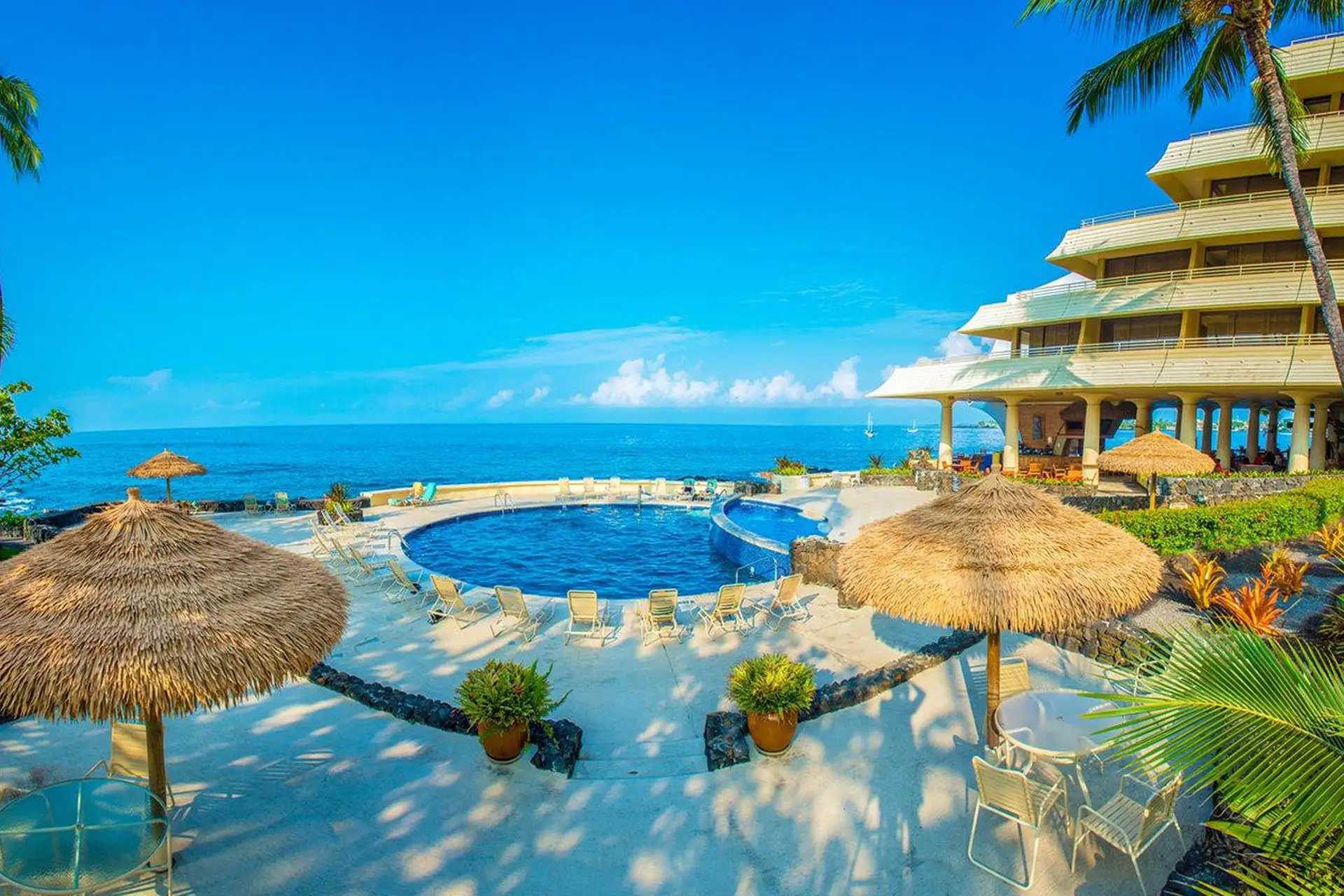
Understanding “All-Inclusive” in the Hawaiian Context
The term “all-inclusive” conjures images of sprawling resorts with buffet dining, unlimited cocktails by the pool, and organized daily excursions all included in the room rate. This model is highly popular in destinations where external dining and activity options might be limited or more costly. Hawaii, however, thrives on its rich tapestry of independent culinary experiences, from local plate lunch joints to high-end farm-to-table restaurants, and its natural wonders and cultural activities are best explored with flexibility.
The Rarity of True All-Inclusive Resorts
The primary reason for the scarcity of true all-inclusive resorts in Hawaii is the island’s economic structure and tourism philosophy. Hawaii has a highly developed tourism infrastructure with a plethora of dining, entertainment, and activity options outside of resort properties. The local economy also benefits greatly from visitors patronizing these independent businesses. Resort developers and operators have historically opted for models that encourage guests to explore beyond the resort boundaries, thus contributing to the broader Hawaiian economy.
Furthermore, the cost of land, labor, and supplies in Hawaii is significantly higher than in many other popular all-inclusive destinations. This makes it challenging to offer all-inclusive packages at a competitive price point without compromising on quality or significantly increasing the base rate, which might deter potential visitors.
Alternatives and Resort Packages Offering Inclusions
While you won’t find a plethora of traditional all-inclusive resorts lining the shores of Waikiki or Kaanapali, this doesn’t mean you can’t find excellent value and convenience. Many Hawaiian resorts offer packages that bundle elements like accommodation, meals, and certain activities, providing a similar sense of predictability and ease that travelers seek from an all-inclusive experience. These are often referred to as “full-board” or “package deals” rather than strictly “all-inclusive.”
These packages might include:
- Daily Breakfast: This is a common inclusion, helping to kickstart your day with convenience.
- Meal Credits or Dining Plans: Some resorts offer credits that can be used at their various on-site restaurants or for a set number of meals per day. This allows for more flexibility than a single buffet.
- Resort Credits: These credits can often be used towards dining, spa treatments, activities, or even room upgrades, giving you the freedom to choose how you want to spend them.
- Activity Bundles: Certain packages might include vouchers for popular tours, such as a luau, snorkeling trips to Molokini Crater, or surf lessons.
- Transportation: Some higher-end packages might include airport transfers or even a rental car for a portion of your stay.
These offerings allow travelers to budget more effectively and reduce the number of on-site decisions they need to make. It’s essential to carefully read the details of any package to understand precisely what is included and what might incur additional costs.
Exploring Resorts with All-Inclusive Elements
While true all-inclusive resorts are few and far between, several properties in Hawaii offer a comprehensive experience that can feel very close to it. These resorts often boast extensive amenities and dining options, and they frequently partner with tour operators to create attractive vacation packages.
Luxury Resorts with Enhanced Inclusions
Some of Hawaii’s most luxurious resorts, particularly those on islands like Maui and Kauai, offer premium packages that can significantly reduce the need for external spending. These might include:

- The Ritz-Carlton, Kapalua (Maui): While not strictly all-inclusive, this resort often features packages that can include daily breakfast and resort credits, which can be used towards their acclaimed dining experiences or golf. The stunning Kapalua coastline provides a breathtaking backdrop for a luxurious stay.
- Four Seasons Resort Maui at Wailea (Maui): Similar to The Ritz-Carlton, the Four Seasons in Wailea is renowned for its exceptional service and often offers packages that bundle accommodation with dining credits or resort experiences. Their beachfront location is unparalleled.
- Grand Wailea, A Waldorf Astoria Resort (Maui): This expansive resort on Maui offers a multitude of dining venues and activities. While not all-inclusive, they frequently have packages that can incorporate breakfast and offer resort credits that can be applied to their numerous amenities, including the impressive Grand Wailea Spa.
These resorts provide a high level of service and a wide array of on-site dining and recreational facilities. By opting for a package that includes some meals or resort credits, guests can enjoy a more controlled budget and a simplified vacation experience.
Boutique Hotels and Condominiums with Meal Options
Beyond the major luxury brands, there are also boutique hotels and condominium complexes that might offer meal plans or have kitchens that allow for self-catering, blending convenience with cost savings. While not all-inclusive, this approach offers a different kind of flexibility.
- Condominium Rentals: Many visitors choose to rent condominiums, especially on islands like Oahu (in areas like Waikiki) and Maui (like in Kaanapali or Kihei). These often come with fully equipped kitchens, allowing guests to prepare their own meals, enjoy breakfast in their PJs, and pack lunches for a day at the Pearl Harbor National Memorial or exploring the Road to Hana. This can be a very cost-effective way to manage food expenses and gives you the ultimate control over your diet and budget.
- Smaller Resorts with Meal Plans: Some smaller, independent resorts or boutique properties might offer specific meal plans as an add-on. These are less common but worth researching if you prefer a more intimate setting.
Creating Your Own “All-Inclusive” Hawaiian Experience
Given the nature of Hawaiian tourism, the most effective way for many travelers to achieve an “all-inclusive” feel is to carefully plan and book their vacation with a combination of accommodation, dining, and activities in mind.
Strategic Accommodation Choices
- Hotels with Included Breakfast: When booking your hotel, prioritize those that include breakfast in their rates. This is a common amenity at many mid-range and higher-end hotels across Hawaii, including properties like the Hyatt Centric Waikiki Beach or the Sheraton Maui Resort & Spa. This saves time and money each morning.
- Suites or Villas with Kitchenettes: For longer stays or for families, booking a suite or villa with a kitchenette or full kitchen is a game-changer. This allows you to prepare some meals, significantly reducing your dining expenses and offering the flexibility to enjoy a leisurely breakfast or a simple dinner at your own pace. Many condo resorts in areas like Lahaina and Poipu offer these facilities.
Dining and Activity Planning
- Meal Packages and Resort Credits: As mentioned, look for hotels offering packages that include dining credits or a set number of meals. This can provide excellent value and a predictable budget.
- Embrace Local Cuisine: Hawaii’s food scene is a major attraction. While a formal all-inclusive might restrict you to resort dining, planning for local experiences is key. Seek out food trucks, farmers’ markets, and local eateries. A poke bowl from a neighborhood shop or a plate lunch from a local favorite like Rainbow Drive-In can be incredibly delicious and affordable.
- Pre-Booked Tours and Activities: To add an “all-inclusive” feel to your activities, consider pre-booking popular tours. This can often secure better rates and guarantees your spot on sought-after experiences, such as a sunset cruise off the coast of Lanai, a helicopter tour over the Na Pali Coast, or an educational visit to the Volcanoes National Park. Many tour operators offer package deals for multiple activities.
The Role of Travel Agents and Package Deals
Travel agents specializing in Hawaii can be invaluable in helping you curate an experience that mirrors an all-inclusive vacation. They have in-depth knowledge of resorts, packages, and local offerings, and can often secure better deals by bundling flights, accommodation, and activities. Websites that specialize in vacation packages also frequently offer bundled deals for Hawaii that can include flights, hotels, and sometimes rental cars or activity vouchers, providing a similar sense of pre-paid convenience.
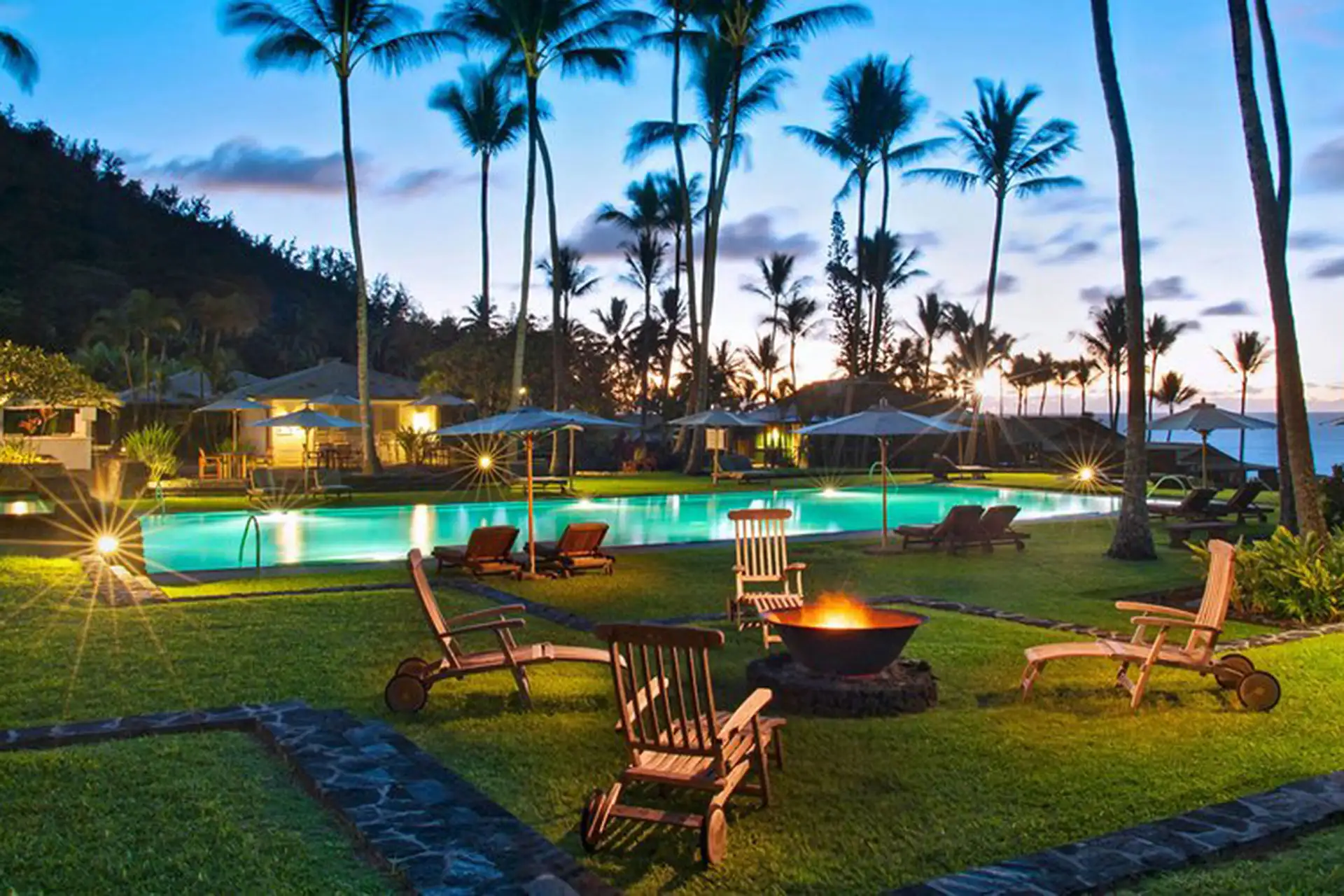
Considering the “Lifestyle” of Your Trip
Ultimately, the “all-inclusive” experience in Hawaii is less about a single resort package and more about designing a trip that fits your desired lifestyle.
- Luxury Travel: If luxury travel is your aim, opt for high-end resorts that offer extensive amenities and consider packages that include dining credits or spa treatments. You can enjoy the pampering and convenience without necessarily being tied to a strict all-inclusive meal plan.
- Budget Travel: For budget travel, self-catering in a condo and exploring local eateries is the way to go. You can still experience the beauty and adventure of Hawaii while keeping costs down.
- Family Trips: Family trips can benefit from resorts that offer kids’ clubs, multiple dining options, and family-friendly activities. Packages that include some meals or resort credits can simplify logistics for families.
In conclusion, while Hawaii doesn’t boast the traditional, all-encompassing all-inclusive resorts found in other tropical destinations, the spirit of a worry-free, well-planned vacation is certainly achievable. By understanding the local tourism landscape and strategically selecting accommodations, dining options, and activities, you can craft a Hawaiian getaway that offers remarkable value, convenience, and an unforgettable experience. The key is to look beyond the strict definition of “all-inclusive” and embrace the diverse and rich offerings that the Hawaiian Islands have in store.
LifeOutOfTheBox is a participant in the Amazon Services LLC Associates Program, an affiliate advertising program designed to provide a means for sites to earn advertising fees by advertising and linking to Amazon.com. Amazon, the Amazon logo, AmazonSupply, and the AmazonSupply logo are trademarks of Amazon.com, Inc. or its affiliates. As an Amazon Associate we earn affiliate commissions from qualifying purchases.