
The allure of Hawaii is undeniable, a tropical paradise beckoning with its lush landscapes, pristine beaches, and vibrant culture. But for many, the key to unlocking the perfect Hawaiian vacation lies in timing. The question, “What is the best month to travel to Hawaii?” is a crucial one, as the islands offer distinct experiences throughout the year, influenced by weather patterns, crowd levels, and pricing. This guide delves deep into the nuances of Hawaiian travel, helping you pinpoint the ideal time to book your unforgettable escape.
Understanding Hawaii’s Climate and Seasons
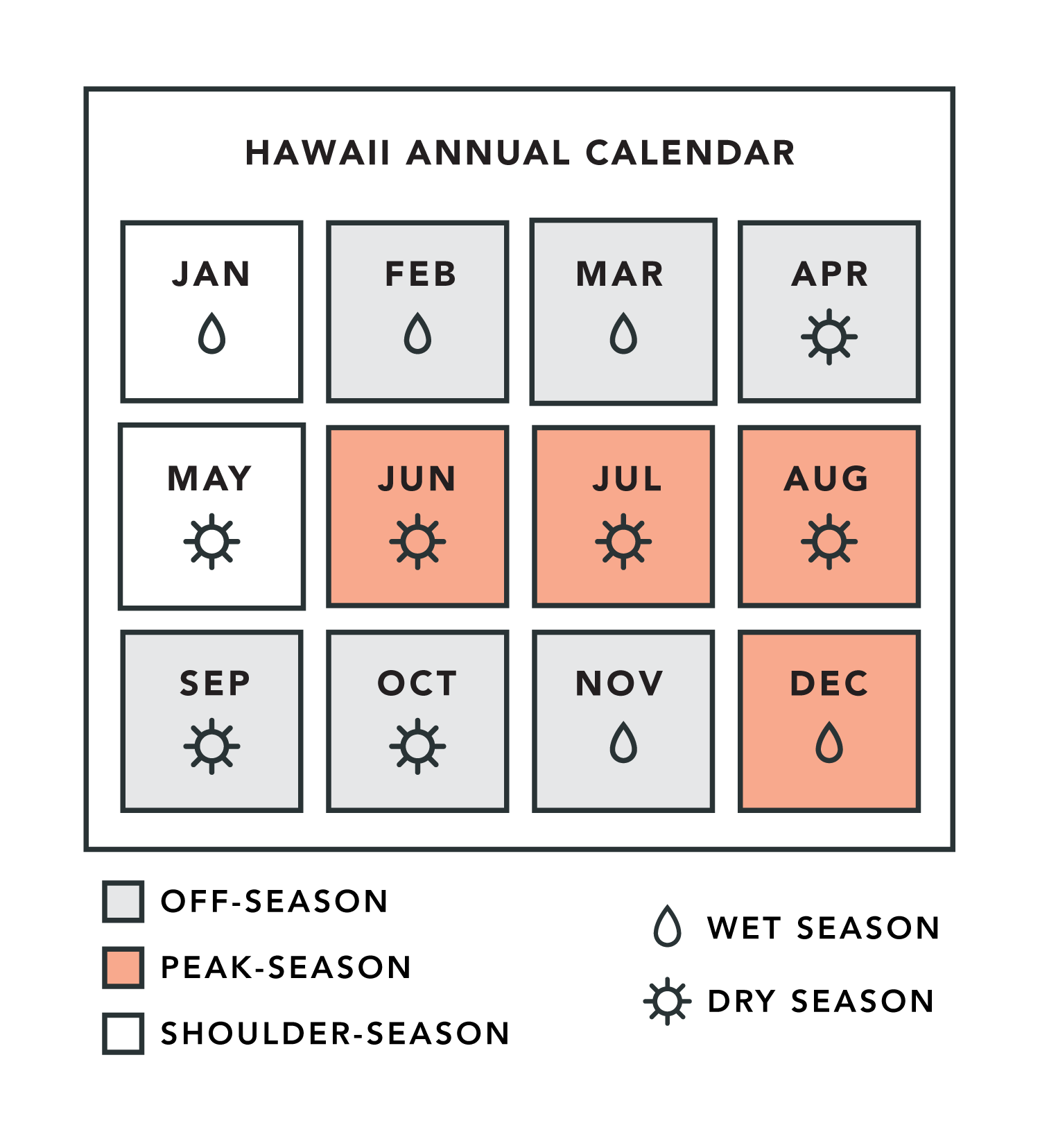
Hawaii enjoys a relatively stable, tropical climate year-round, meaning you’re unlikely to encounter extreme temperatures. However, there are subtle but significant shifts that can impact your experience. The islands are essentially divided into two main seasons: the dry season and the wet season.
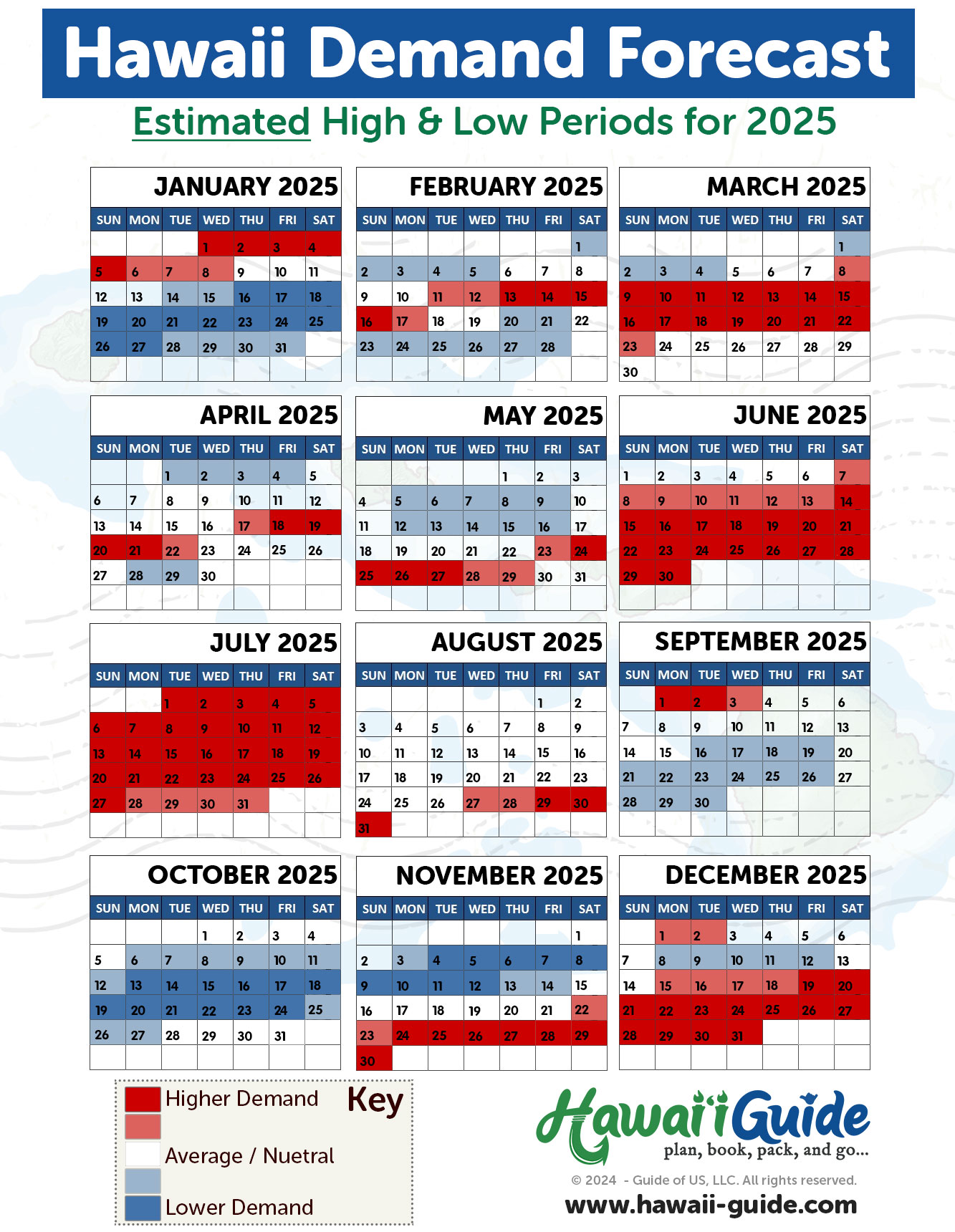
The Dry Season: Pleasant Skies and Lower Humidity
The dry season generally runs from April to October. During these months, Hawaii experiences less rainfall, more sunshine, and lower humidity levels, making it a prime time for outdoor activities and beach enjoyment. The trade winds are typically consistent, offering a refreshing breeze that helps to temper the tropical warmth.
Peak of the Dry Season: Summer Months
June, July, and August represent the peak of the dry season. This is also when you’ll find the warmest ocean temperatures, perfect for swimming, surfing, and snorkeling. Daylight hours are at their longest, allowing for extended exploration of the islands’ natural beauty and attractions. However, as with any popular destination during its most favorable weather period, these months also tend to be the busiest and most expensive. Families on summer break flock to the islands, making it a lively but potentially crowded experience. If you’re seeking the quintessential sunny Hawaiian getaway and don’t mind larger crowds or higher prices, the summer months are a strong contender.
The Wet Season: Lush Landscapes and Surfing Waves
The wet season typically spans from November to March. While “wet” might conjure images of constant downpours, it’s important to understand that Hawaii rarely experiences prolonged, all-day rain. Instead, you’ll likely encounter more frequent, but often brief, showers, particularly on the windward (northeastern) sides of the islands. These showers contribute to the vibrant greenery and lush landscapes that Hawaii is famous for.
Winter Wonders: Reduced Crowds and Unique Experiences
The winter months, from December to February, offer a different kind of appeal. While it’s the wet season, the rainfall is often manageable, and the islands remain beautiful. Crucially, the crowds tend to thin out considerably after the holiday season, offering a more serene and intimate experience. Prices for flights and accommodations can also see a dip during this period, making it a more budget-friendly option.
One of the most exciting aspects of visiting Hawaii in the winter is the arrival of the magnificent Humpback Whales. From December to May, these gentle giants migrate from Alaska to the warm Hawaiian waters to breed and calve. Whale watching tours are a must-do during this time, offering unforgettable encounters with these majestic creatures. Islands like Maui are particularly renowned for their whale watching opportunities.
The winter also brings bigger surf to the north shores of islands like Oahu, attracting professional surfers to iconic spots such as Banzai Pipeline and Waimea Bay. While this is a thrilling spectacle for onlookers, it means swimming conditions on these north shores can be dangerous for casual swimmers.
Shoulder Seasons: The Sweet Spot for Value and Experience
For many travelers, the ideal time to visit Hawaii falls within the shoulder seasons, which bridge the gap between the peak dry and wet periods. These months often offer a compelling balance of pleasant weather, fewer crowds, and more attractive pricing, providing the best of both worlds.
Spring: Blooming Beauty and Gradual Warmth
The spring months, specifically April and May, are often cited as among the best times to visit Hawaii. The rainy season is winding down, and the islands are bursting with vibrant tropical flowers. The weather is consistently warm and sunny, with comfortable humidity levels. Ocean conditions are generally calm, making it excellent for water activities across all islands.
April marks the end of the whale watching season, so you might still catch a glimpse of these incredible animals, though sightings become less frequent as the month progresses. The crowds are significantly smaller than in the summer months, and you can often find better deals on flights and accommodation. This period is perfect for exploring Oahu’s beaches, hiking in Waimea Canyon on Kauai, or enjoying the volcanic landscapes of Hawaii Island without feeling overwhelmed by tourists.
Autumn: Lingering Warmth and Transition
September and October represent the autumn shoulder season in Hawaii. The intense heat and humidity of summer begin to recede, and the weather remains largely dry and pleasant. The trade winds usually pick up again, providing a refreshing breeze.
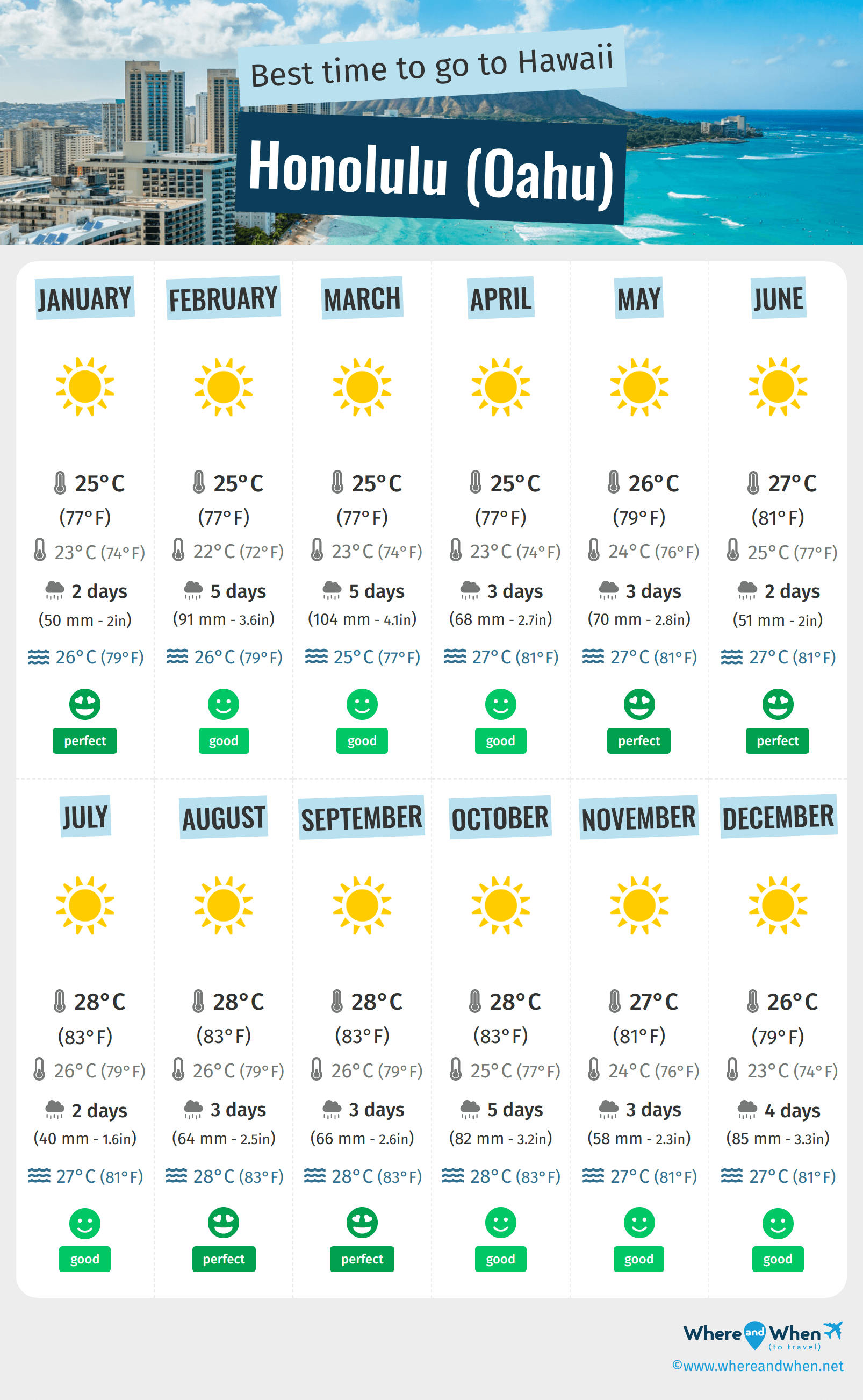
This period is ideal for those who want to experience the warmth of the dry season without the peak summer crowds. You can enjoy all the classic Hawaiian activities, from lounging on the beaches of Waikiki to exploring the Road to Hana, with a more relaxed atmosphere. As the winter swells start to arrive on the north shores in late October, surfers begin to prepare for the season, but for most travelers, ocean conditions remain excellent for swimming and snorkeling. Like spring, autumn often presents more favorable pricing and availability for hotels and flights.
Considering Your Priorities: Weather, Crowds, and Cost
When deciding on the “best” month to travel to Hawaii, it’s essential to weigh your personal priorities. Are you primarily concerned with experiencing the driest weather, or are you willing to tolerate a bit more rain for fewer crowds and lower prices?
For the Sun Seeker: June – August
If your absolute top priority is sunshine and minimal rainfall, then the summer months of June, July, and August are your best bet. The days are long, the temperatures are warm, and the ocean is typically calm and inviting. However, be prepared for higher prices and a more energetic, crowded atmosphere. Booking well in advance is crucial for securing desirable accommodations and flights.
For the Budget Traveler and Crowd-Averse: January – March (excluding holidays) & November
If you’re looking to stretch your travel budget and avoid the peak tourist rushes, the period between the Christmas and New Year holidays and the spring break season is a good option. Specifically, January, February, and March (excluding the immediate holiday weeks) often see a dip in prices and visitor numbers. November also presents an opportunity for lower prices and fewer crowds, though it marks the beginning of the wetter season. During these times, you can enjoy a more laid-back Hawaiian experience and potentially secure excellent deals at resorts like the Grand Wailea, A Waldorf Astoria Resort, or budget-friendly apartments.
For the Best of Both Worlds: April – May & September – October
As discussed, the shoulder seasons of April, May, September, and October consistently emerge as the sweet spot for many travelers. They offer a fantastic combination of pleasant weather, manageable crowds, and reasonable prices. These months allow you to fully immerse yourself in the natural beauty and cultural richness of Hawaii, from exploring the volcanic craters of Haleakalā National Park to experiencing the traditional luau ceremonies, without the feeling of being rushed or overwhelmed.
Specific Island Considerations
While the general climate patterns apply across the Hawaiian archipelago, there are minor differences between the islands that might influence your decision.
Oahu: The Gathering Place
Oahu, home to Honolulu and the iconic Waikiki beach, is a year-round destination. However, it experiences its busiest periods during school holidays, especially summer and winter breaks. The north shore of Oahu is famous for its massive winter waves, making it a haven for surfers from November to February, but potentially less ideal for casual beachgoers during that time.
Maui: The Valley Isle
Maui is a perennial favorite, offering a diverse range of experiences from the beaches of Ka’anapali to the volcanic landscapes of Haleakala. Similar to Oahu, its peak seasons are summer and the Christmas/New Year period. The winter months (December to April) are prime whale watching season on Maui.
Kauai: The Garden Isle
Kauai is renowned for its dramatic cliffs, lush rainforests, and pristine beaches. Its weather can be more variable, with the north and east shores receiving more rainfall year-round than the drier south and west coasts. Spring and fall are generally considered excellent for visiting Kauai, offering a good balance of sunshine and fewer visitors.
Island of Hawaii (Big Island): The Orchid Isle
The Island of Hawaii, often referred to as the Big Island, offers incredible diversity, from active volcanoes in Hawaii Volcanoes National Park to black sand beaches and snow-capped mountains. Its leeward (west) side is generally drier and sunnier year-round. The shoulder seasons of spring and fall are excellent for exploring the Big Island without the intense summer heat or the increased rainfall of winter.
Conclusion: Crafting Your Perfect Hawaiian Escape
Ultimately, the “best” month to travel to Hawaii is subjective and depends on what you prioritize for your vacation. Whether you dream of sun-drenched days, the thrill of winter waves, the spectacle of migrating whales, or simply a more tranquil escape, Hawaii offers a unique charm every month of the year.
By understanding the nuances of its climate, crowd patterns, and seasonal attractions, you can make an informed decision that aligns with your desires and budget. From the vibrant energy of summer to the serene beauty of the shoulder seasons, and the unique wildlife encounters of winter, your perfect Hawaiian adventure awaits, no matter when you choose to embark on it. Remember to consider booking through reputable platforms for accommodations and tours to ensure a seamless and enjoyable trip, whether you’re seeking luxury resorts or charming apartments.
LifeOutOfTheBox is a participant in the Amazon Services LLC Associates Program, an affiliate advertising program designed to provide a means for sites to earn advertising fees by advertising and linking to Amazon.com. Amazon, the Amazon logo, AmazonSupply, and the AmazonSupply logo are trademarks of Amazon.com, Inc. or its affiliates. As an Amazon Associate we earn affiliate commissions from qualifying purchases.