
The allure of Hawaii is undeniable, a tropical paradise beckoning with emerald valleys, volcanic landscapes, and shimmering turquoise waters. When dreaming of an island getaway, the name “Hawaii” often conjures images of this iconic archipelago. However, the question “What is the main island of Hawaii?” is a surprisingly nuanced one, as the term “Hawaii” itself can refer to both the entire state and a specific island within it. This article will delve into the heart of the Hawaiian Islands, clarifying which island holds the distinction of being the namesake and often considered the “main” island, while also exploring the diverse offerings that make each of the major islands a unique destination.
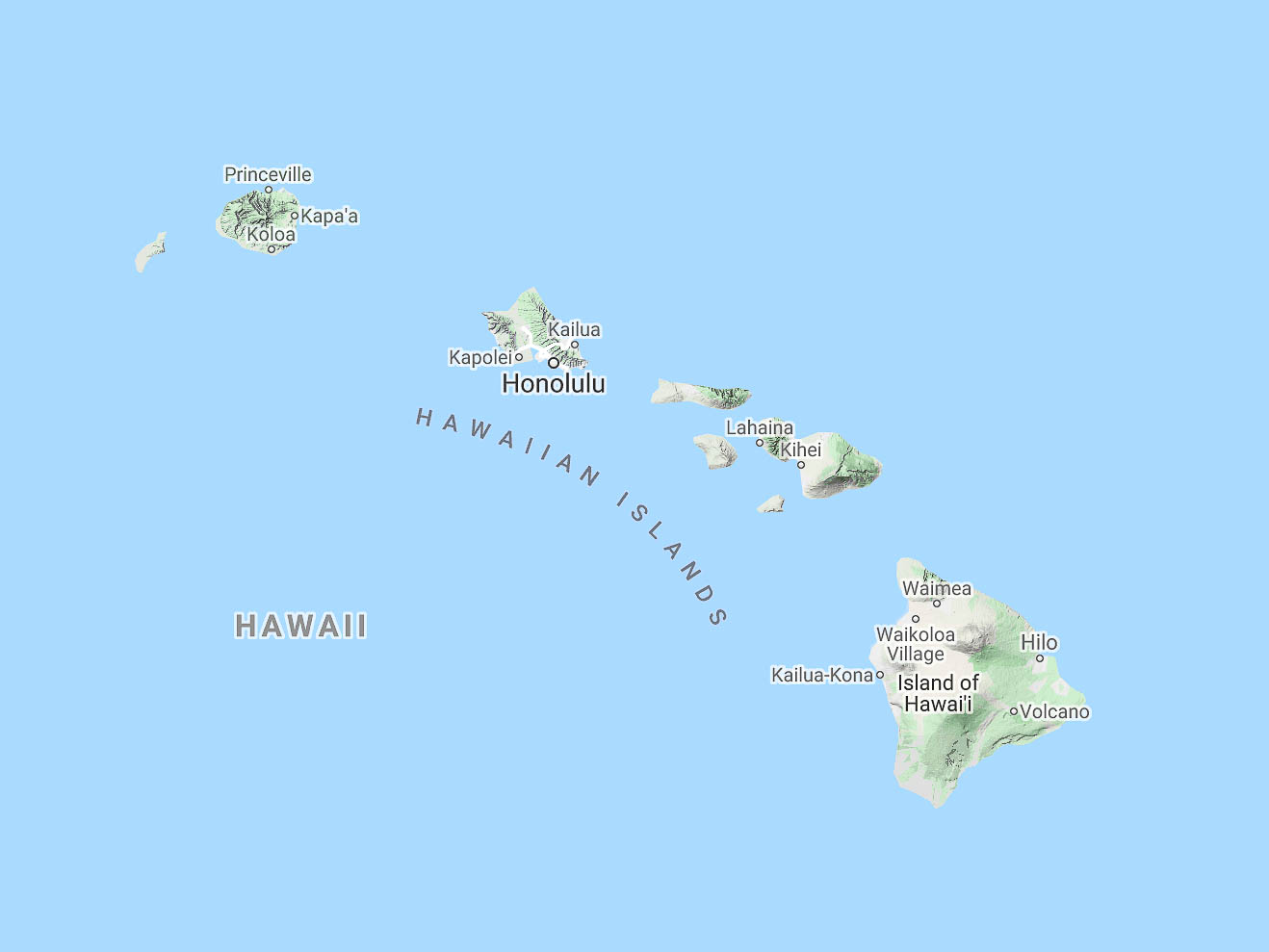
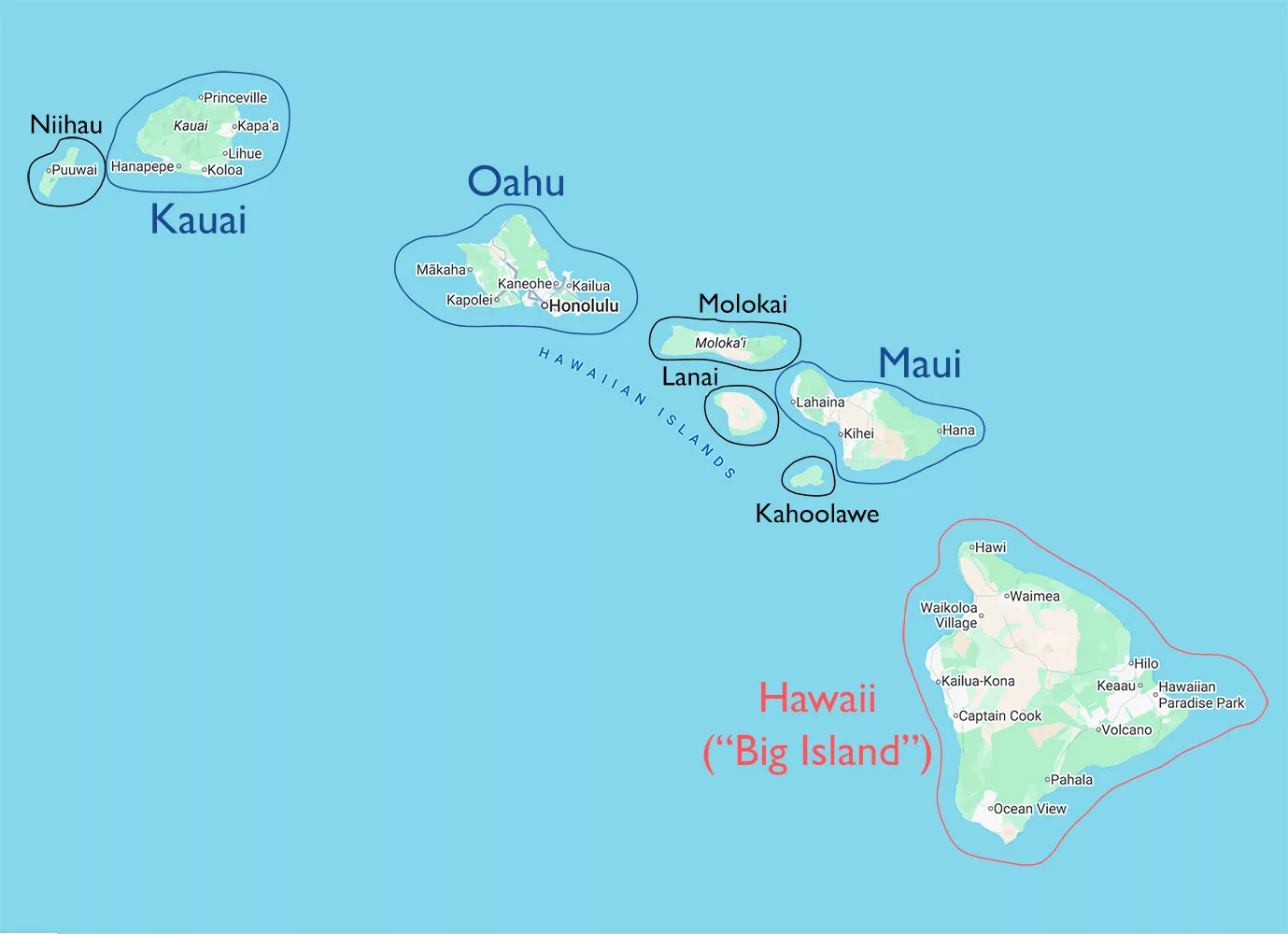
The State of Hawaii, a collection of islands situated in the central Pacific Ocean, is comprised of eight main islands, each possessing its own distinct character and appeal. From the bustling energy of Oahu to the dramatic cliffs of Kauai, and the volcanic power of the Big Island to the laid-back charm of Maui, there’s an island for every traveler’s desire. However, when the question arises, it most commonly refers to the island that shares its name with the entire state: the Island of Hawaii.
Understanding the Nomenclature: Hawaii Island, The Big Island
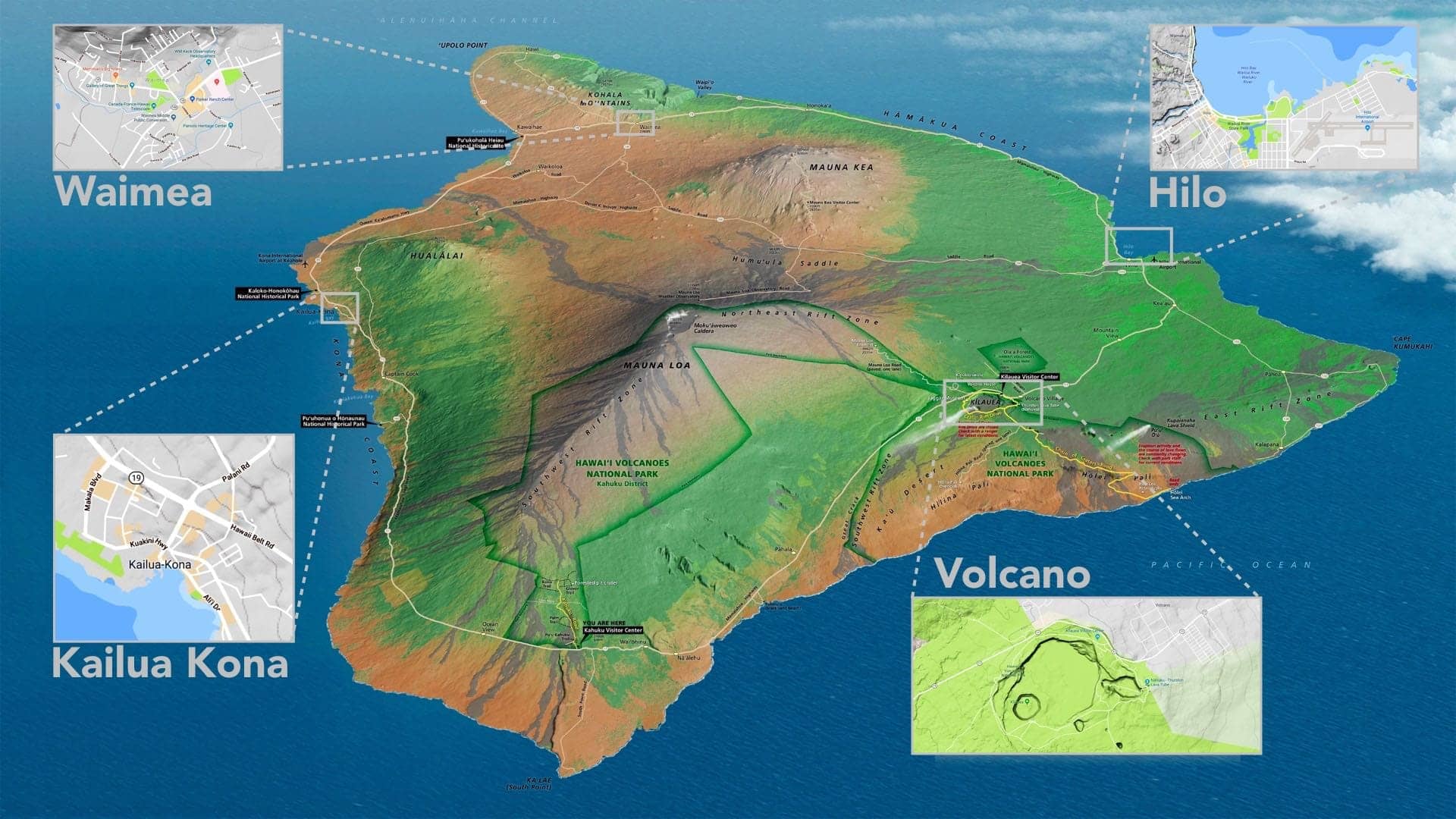
To avoid confusion, it’s crucial to differentiate between the state and the island. The State of Hawaii encompasses all the islands, while the Island of Hawaii is the largest landmass in the archipelago. To distinguish it from the state, the island is affectionately and practically known as The Big Island. This moniker is not merely for convenience; it reflects its sheer geographical dominance. Stretching over 4,000 square miles, The Big Island is more than twice the size of all the other Hawaiian Islands combined. This vastness allows for an incredible diversity of landscapes and experiences, from snow-capped mountains to black sand beaches and lush rainforests.
Geography and Diversity
The Island of Hawaii is a geological marvel, a testament to the ongoing volcanic activity that shaped the entire Hawaiian chain. It is home to Mauna Kea, an inactive volcano that is the tallest mountain in the world when measured from its base on the ocean floor. At its summit, often dusted with snow, sit some of the world’s most powerful astronomical observatories, offering a glimpse into the cosmos. Adjacent to it is Mauna Loa, the world’s largest active volcano by volume, whose immense presence shapes the island’s topography. The fiery heart of the island is undoubtedly Hawaii Volcanoes National Park, a UNESCO World Heritage Site, where visitors can witness the raw power of nature at Kīlauea, one of the most active volcanoes on Earth. The park offers dramatic landscapes, from steaming vents and sulfur banks to the solidified lava flows that create surreal, otherworldly vistas.
Beyond its volcanic core, The Big Island boasts an astonishing array of microclimates. The lush Hilo side, on the eastern coast, receives abundant rainfall, fostering verdant rainforests, cascading waterfalls like Akaka Falls, and a tropical abundance of flowers and fruits. In contrast, the western side, known as the Kona coast, is characterized by sunny skies, arid landscapes, and beautiful beaches, making it a prime destination for relaxation and water activities. This climatic diversity is reflected in the island’s agriculture, producing world-renowned coffee in the Kona region, macadamia nuts, and a variety of tropical fruits.
Exploring the Island of Hawaii: Attractions and Experiences
The Island of Hawaii offers a wealth of attractions that cater to every type of traveler. For those seeking adventure, the island provides unparalleled opportunities. Hiking through Hawaii Volcanoes National Park allows for an intimate encounter with the island’s volcanic heart. The dramatic scenery of the Chain of Craters Road leads to the coast, where visitors can witness the ocean meeting ancient lava flows, a powerful reminder of the island’s ever-evolving nature.
For water enthusiasts, the Kona coast is a paradise. The clear, warm waters are ideal for snorkeling and diving, with vibrant coral reefs teeming with marine life. Swimming with manta rays at night, a truly unforgettable experience, is a must-do. The island also offers excellent surfing conditions, particularly on the northern and western shores, with breaks suitable for both beginners and experienced surfers. The historic town of Kailua-Kona offers a charming base with boutique shops, art galleries, and a lively waterfront.
Nature lovers will be captivated by the island’s diverse landscapes. The Waipio Valley, accessible by a steep road or guided tour, is a sacred and breathtakingly beautiful valley with taro fields, waterfalls, and black sand beaches. The Papakolea Green Sand Beach, one of only a few in the world, is another unique natural wonder, its vibrant green hue derived from olivine crystals. Exploring the Puna district reveals lush tropical vegetation, hot springs, and a more bohemian lifestyle.
When it comes to accommodation, The Big Island offers a range of options to suit different budgets and preferences. From luxurious resorts along the Kona coast, such as the Four Seasons Hualalai or the Mauna Lani, Auberge Resorts Collection, offering world-class amenities and stunning ocean views, to charming bed and breakfasts in the Hilo area and vacation rentals scattered across the island, there’s a perfect place to stay. For those interested in a more immersive experience, exploring vacation rentals or even long-term stay options can provide a deeper connection to the local lifestyle.
Cultural Immersion and Culinary Delights
The Island of Hawaii is steeped in rich Polynesian history and culture, offering visitors a chance to experience the true spirit of Aloha. Engaging with local traditions is a highlight for many. Visiting historical sites like Pu’uhonua o Honaunau National Historical Park, an ancient place of refuge, provides insights into Hawaiian law and culture. Attending a traditional luau is a popular way to experience Hawaiian music, dance, and cuisine, with performances often set against the backdrop of a sunset.
The culinary scene on The Big Island is as diverse as its landscapes. Fresh seafood is abundant, with local specialties like poke (marinated raw fish) a must-try. The Kona coffee region is renowned for its high-quality beans, and visiting a coffee farm for a tasting tour is a delightful experience. The island’s fertile volcanic soil yields an abundance of tropical fruits, and farmers’ markets offer a vibrant display of local produce. Don’t miss the opportunity to try local delicacies such as kalua pig, laulau, and sweet poi. For those seeking a more adventurous culinary exploration, sampling local street food or seeking out hidden gems in small towns can lead to delicious discoveries.
Beyond the Big Island: The Charms of Other Hawaiian Islands
While the Island of Hawaii carries the namesake, the other islands of the Hawaiian archipelago each possess a unique allure that draws millions of visitors annually. Understanding these distinctions is key to planning an unforgettable Hawaiian vacation.
Oahu: The Gathering Place
Oahu, often called “The Gathering Place,” is the most populous island and home to the state capital, Honolulu, and the world-famous Waikiki Beach. This island offers a dynamic blend of city life, historical significance, and natural beauty. Visitors can explore the iconic Pearl Harbor National Memorial, a poignant reminder of World War II history. Surfing enthusiasts flock to the North Shore, renowned for its legendary waves during the winter months, attracting professional surfers from around the globe. Beyond the beaches, Oahu boasts lush interiors with hiking opportunities, such as the challenging climb to the summit of Diamond Head for panoramic views. The vibrant culinary scene in Honolulu ranges from upscale dining to local food trucks, offering a taste of diverse influences. Accommodation options on Oahu are plentiful, from luxurious resorts in Waikiki to boutique hotels and vacation rentals in quieter neighborhoods.
Maui: The Valley Isle
Maui, known as “The Valley Isle,” is celebrated for its stunning natural beauty and romantic ambiance. The scenic Road to Hana is a legendary drive, winding through verdant rainforests, past cascading waterfalls, and offering breathtaking coastal vistas. Haleakalā National Park is another major draw, allowing visitors to witness a spectacular sunrise or sunset from the summit of the dormant volcano, an experience often described as otherworldly. The beaches of Maui are world-class, with options for sunbathing, swimming, snorkeling, and surfing. The resort towns of Ka’anapali and Wailea offer luxurious accommodations and amenities, while charming towns like Lahaina provide a glimpse into the island’s whaling history and a vibrant arts scene. Maui’s culinary offerings are equally impressive, with a focus on fresh, local ingredients and farm-to-table dining experiences.
Kauai: The Garden Isle
Kauai, affectionately known as “The Garden Isle,” is characterized by its dramatic natural landscapes, including the majestic Na Pali Coast with its towering sea cliffs, accessible by boat tours, helicopter rides, or challenging hikes for the adventurous. The lush interior of the island is a hiker’s paradise, with trails leading through verdant valleys and to spectacular waterfalls. Waimea Canyon, often called the “Grand Canyon of the Pacific,” offers breathtaking vistas and hiking opportunities. Kauai offers a more laid-back and tranquil atmosphere compared to Oahu or Maui, making it ideal for those seeking a peaceful escape. Accommodation options range from luxurious resorts to charming cottages and vacation rentals, often nestled amidst lush tropical surroundings.
Other Islands: Molokai and Lanai
While the other main islands like Molokai and Lanai are less frequented by mass tourism, they offer unique and authentic Hawaiian experiences. Molokai, known for its strong connection to Hawaiian culture and its dramatic sea cliffs, provides a glimpse into a simpler way of life. Lanai, once a pineapple plantation, now offers a more exclusive and serene escape, with luxury resorts and unspoiled natural beauty.
In conclusion, while the Island of Hawaii, or The Big Island, is the namesake of the state and the largest of the islands, each Hawaiian island offers a distinct and captivating experience. Whether you are drawn to the volcanic wonders of the Big Island, the vibrant energy of Oahu, the romantic landscapes of Maui, or the lush beauty of Kauai, the Hawaiian archipelago promises a journey of discovery, adventure, and unparalleled natural splendor. Planning your trip with an understanding of the unique character of each island will ensure you find the perfect slice of paradise that aligns with your travel desires.
LifeOutOfTheBox is a participant in the Amazon Services LLC Associates Program, an affiliate advertising program designed to provide a means for sites to earn advertising fees by advertising and linking to Amazon.com. Amazon, the Amazon logo, AmazonSupply, and the AmazonSupply logo are trademarks of Amazon.com, Inc. or its affiliates. As an Amazon Associate we earn affiliate commissions from qualifying purchases.