
Hawaii, a tropical paradise renowned for its stunning beaches, vibrant culture, and lush landscapes, also harbors a spectacular natural phenomenon: the annual migration of humpback whales. These gentle giants, weighing up to 40 tons, journey from the frigid waters of Alaska to the warmer, calmer seas surrounding the Hawaiian Islands to breed and give birth. For nature enthusiasts and travelers seeking an unforgettable experience, understanding the whale season is paramount to planning the perfect Hawaiian adventure.
This article delves into the optimal times to witness these magnificent creatures in their natural habitat, offering insights into where to see them, what to expect, and how to make the most of your whale-watching expedition in the Aloha State.
The Prime Season for Humpback Whales in Hawaii
The migration of humpback whales to Hawaii is a predictable and highly anticipated event. While sightings can occasionally occur outside the core season, the peak period offers the highest probability of encountering these marine mammals.
Understanding the Migration Timeline
The humpback whale season in Hawaii generally runs from November through May. However, the most active and abundant period, when the highest concentrations of whales are typically observed, is from December to April.
- Early Season (November – December): As the waters in Alaska begin to cool significantly, the first whales start their epic journey south. During this early phase, sightings may be less frequent, and the whales might be more dispersed. However, for those who venture out in November and December, there’s a chance to witness the initial arrivals, often including pregnant females and solitary males. The seas are typically less crowded during these months, offering a more serene whale-watching experience.
- Peak Season (January – April): This is undeniably the golden period for whale watching in Hawaii. By January, the majority of the humpback whale population has arrived. The waters become a bustling nursery and mating ground. You’ll see mothers with their newborn calves, males competing for females, and a general abundance of activity. The sheer number of whales present during these months significantly increases the likelihood of multiple sightings, often close to shore. This is also the busiest time for whale-watching tours, so booking in advance is highly recommended.
- Late Season (May): As the breeding season concludes and the waters of Alaska begin to warm, the whales gradually depart Hawaii. May marks the end of the season, with fewer whales remaining each week. While some stragglers might still be present in early May, the chances of seeing them diminish considerably as the month progresses. This can be an excellent time to visit if you prefer fewer crowds and are willing to accept a slightly lower probability of sightings.
It’s important to note that the exact timing can fluctuate slightly year by year, influenced by oceanographic conditions and prey availability in their feeding grounds. However, the November to May window remains a reliable guide for planning your trip.
Key Islands and Locations for Whale Watching
While humpback whales can be found in Hawaiian waters surrounding several islands, some locations offer more consistent and spectacular viewing opportunities due to their geography and marine sanctuary status.
Maui: The Whale Watching Capital
Undoubtedly, Maui is considered the whale-watching capital of Hawaii. The warm, shallow waters between Maui, Lanai, and Molokai create an ideal environment for humpback whales.
- The Auau Channel: This channel, situated between Maui’s west and south shores and the islands of Lanai and Molokai, is a protected marine mammal sanctuary and a favored calving and breeding ground. The depths here are ideal for mothers to nurse their calves and for mating rituals to occur.
- Shoreline Viewing: Many locations along Maui’s west and south coasts offer excellent opportunities for shore-based whale watching. Ka’anapali Beach, Ma’alaea Harbor, and Kihei are popular spots where you can often see whales breaching or spouting from the sand or a hotel balcony. The visibility from these points is surprisingly good, especially during calm mornings.
- Boat Tours: For an up-close and personal experience, countless boat tours depart daily from harbors like Ma’alaea Harbor and Lahaina Harbor (though Lahaina is currently undergoing rebuilding efforts post-wildfire, Ma’alaea remains fully operational for tours). These tours are led by experienced captains and naturalists who are adept at locating whales and providing fascinating insights into their behavior. Many tours also offer snorkeling and diving opportunities, though the primary focus is whale observation.
The Big Island (Hawaii Island)
The waters off the west coast of the Big Island also attract a significant number of humpback whales.
- Kona Coast: The sheltered waters of the Kona Coast are a prime location for whale sightings. Similar to Maui, the warmer, calmer conditions here are conducive to calving and mating.
- Humpback Whale National Marine Sanctuary: A portion of the Hawaiian Islands Humpback Whale National Marine Sanctuary extends to the waters off the Big Island.
- Boat Tours and Shoreline: Boat tours are readily available from Kailua-Kona and Honokohau Harbor. While shore-based viewing is possible, it is generally considered less prolific than on Maui. However, areas like Pu’uhonua o Honaunau National Historical Park can sometimes offer distant sightings.
Kauai and Oahu
While Maui and the Big Island are the top choices, Kauai and Oahu also see whale activity during the season.
- Kauai: The north and west shores of Kauai can provide opportunities to see whales, especially from scenic lookouts. Poipu Beach on the south shore is also a potential spot.
- Oahu: The waters off the south and west shores of Oahu, particularly near Waikiki and Ko Olina, can host migrating whales. Sightings are generally more sporadic compared to the other islands. Boat tours are available from Honolulu.
What to Expect During Whale Season
Witnessing humpback whales in their natural environment is a profound experience. Understanding their behavior and the etiquette of whale watching can enhance your appreciation and ensure responsible interaction.
Whale Behavior and Interactions
During the breeding season in Hawaii, humpback whales exhibit a range of behaviors that are fascinating to observe:
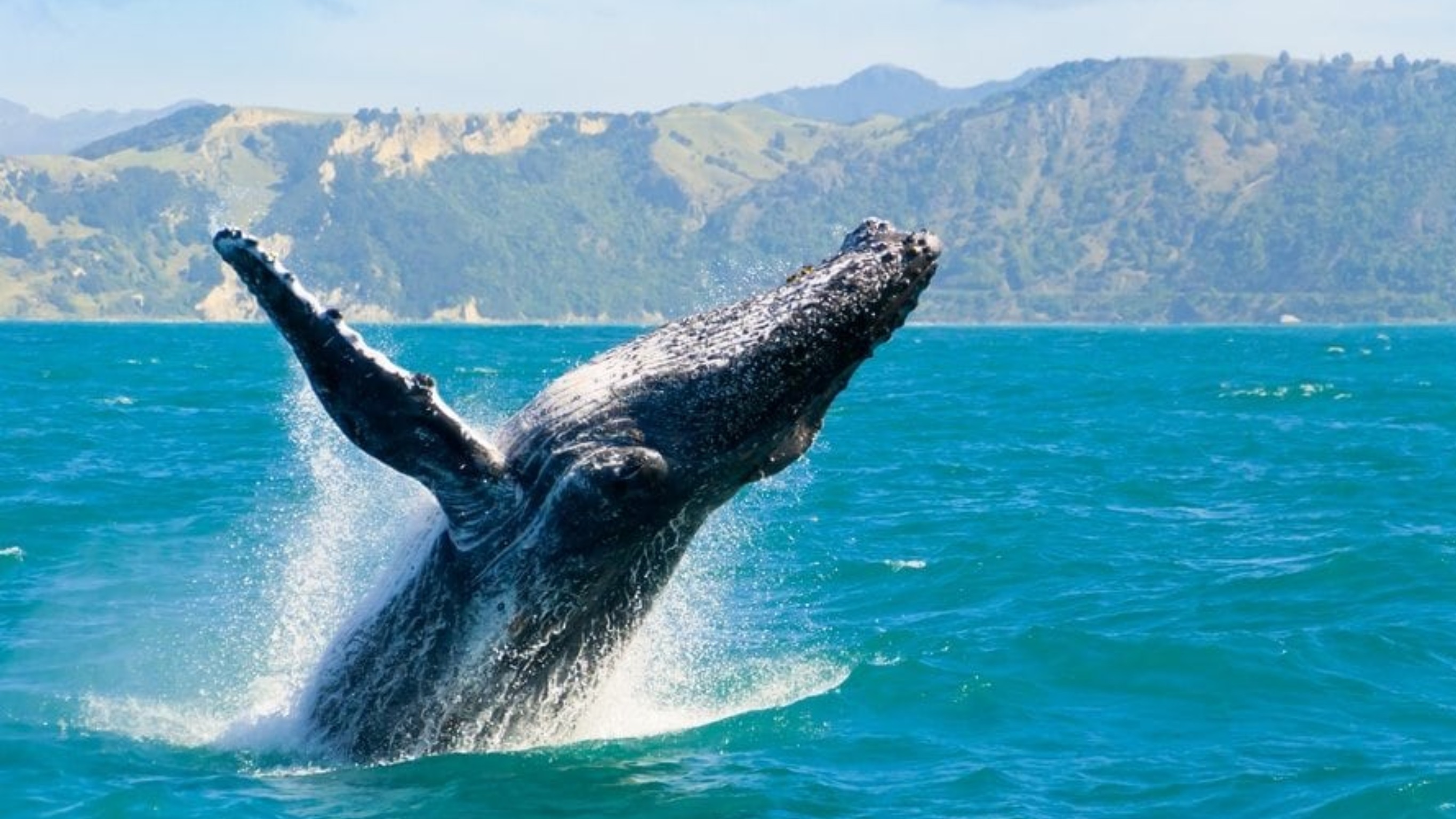
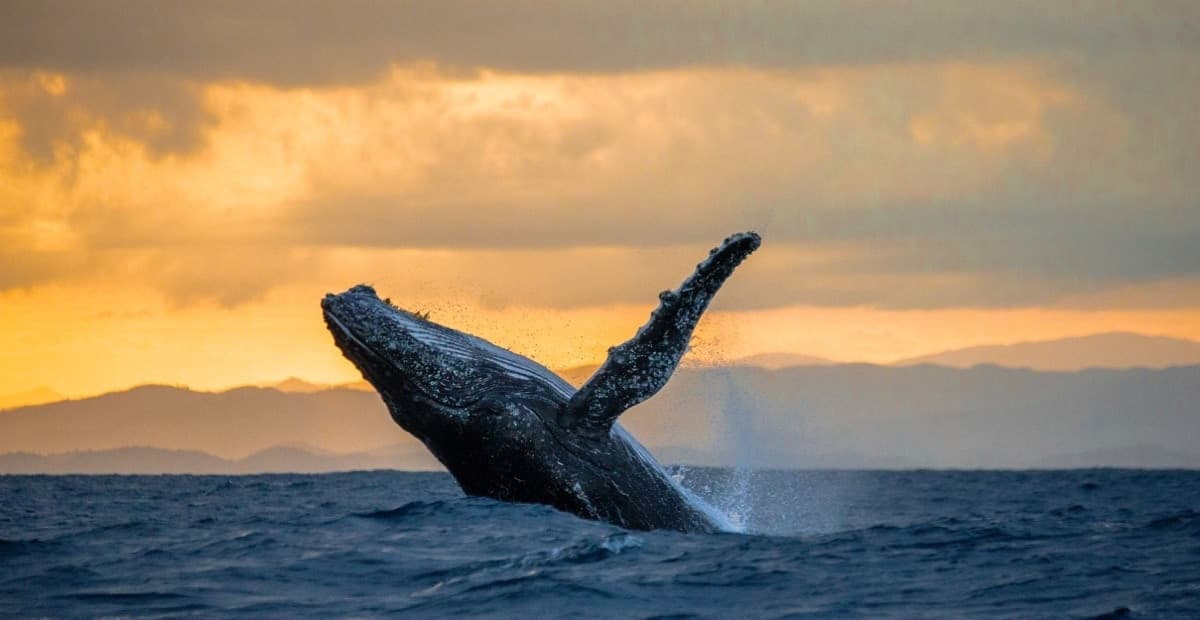
- Breaching: This is perhaps the most dramatic and iconic whale behavior, where a whale propels its entire body out of the water before crashing back down. Scientists believe this may be done to remove parasites, communicate, or as a form of play or dominance.
- Spyhopping: In this behavior, a whale raises its head vertically out of the water to look around. This is often done to observe boats or their surroundings.
- Tail Slapping (Lobtailing): A whale forcefully slaps its tail flukes on the water’s surface. This can be a sign of agitation, a warning to other whales, or used for communication.
- Fluke Slapping: Similar to tail slapping, but the whale arches its back and slaps its tail flukes upwards before a deep dive. This is a common prelude to a deep dive.
- Mothers and Calves: You’ll frequently see mothers with their young calves. The calves are born during the Hawaiian winter and are dependent on their mothers for milk and protection. Observing these gentle interactions is particularly heartwarming.
- Singing: Humpback whales are famous for their complex songs, which are primarily sung by males, likely for attracting mates or communicating. While you can’t hear the songs from a boat, understanding this auditory aspect adds another layer to the experience.
Responsible Whale Watching Practices
To ensure the well-being of the whales and preserve their habitat, adhering to responsible whale-watching guidelines is crucial:
- Maintain Distance: Vessels are legally required to stay at least 100 yards (91 meters) away from humpback whales. Commercial tour operators are well-versed in these regulations. It is illegal to harass, pursue, torment, or approach whales too closely.
- Observe from Afar: If you see whales from shore, enjoy the view without attempting to get closer.
- Limit Time: Avoid lingering too long with any single whale or group of whales, which can cause them stress.
- No Feeding or Touching: Never attempt to feed or touch a whale. This is harmful to their health and illegal.
- Reduce Speed: Vessels should operate at slow speeds when in areas with known whale activity.
- Be Aware of Calves: Exercise extra caution when observing mothers and their calves.
- Choose Reputable Tour Operators: Select tour companies that are committed to ethical and sustainable whale watching practices. They will often provide educational information and adhere strictly to regulations.
Planning Your Whale Watching Trip to Hawaii
A successful whale-watching trip requires thoughtful planning. Considering the best time to visit, booking accommodations and tours in advance, and packing appropriately will ensure a memorable experience.
When to Book
- Accommodation: As mentioned, the peak whale-watching season (December to April) coincides with Hawaii’s high tourist season. It is advisable to book your flights and accommodations several months in advance, especially if you plan to visit during popular holiday periods like Christmas, New Year’s, or spring break. Consider booking accommodations on Maui for the highest likelihood of sightings.
- Tours: Whale-watching tours also fill up quickly during the peak season. Booking your preferred tour in advance, whether a small-group catamaran or a larger vessel, is highly recommended. Some operators offer guarantees of sightings, though this is not always a reliable measure of success due to the unpredictable nature of wildlife.
What to Pack
The Hawaiian climate is generally warm and pleasant, but conditions at sea can be cooler and windier.
- Sun Protection: Sunscreen (reef-safe is preferred), hats, and sunglasses are essential due to the strong tropical sun.
- Light Layers: Pack light, breathable clothing for warm days, but also bring a waterproof jacket or windbreaker and a warm layer for cooler mornings or windy boat rides.
- Camera and Binoculars: To capture the incredible moments and observe whales from a distance, a good camera with a zoom lens and binoculars are invaluable.
- Seasickness Medication: If you are prone to seasickness, it’s wise to bring medication or other remedies, as the ocean can be choppy at times.

Beyond Whale Watching
While whale watching is the primary focus, the islands offer a plethora of other activities and attractions:
- Maui: Explore the scenic Road to Hana, visit the summit of Haleakala National Park, relax on the beaches of Ka’anapali, or immerse yourself in the history of Lahaina (though its recovery is ongoing).
- The Big Island: Discover the volcanic landscapes of Hawaii Volcanoes National Park, snorkel or dive in the crystal-clear waters, visit the historic towns of Kailua-Kona, and witness the stunning scenery of the Waipio Valley.
- Other Islands: If you extend your stay, Oahu offers the iconic Pearl Harbor, the bustling city of Honolulu, and the world-famous surfing beaches of the North Shore. Kauai, the Garden Isle, is renowned for its dramatic cliffs of the Na Pali Coast and lush rainforests.
By timing your visit to coincide with the humpback whale migration, you are not only setting yourself up for an extraordinary wildlife encounter but also embracing the spirit of Hawaii – a place of natural wonder, cultural richness, and unforgettable experiences. The majestic presence of these whales is a powerful reminder of the importance of conservation and the incredible biodiversity our planet holds.
LifeOutOfTheBox is a participant in the Amazon Services LLC Associates Program, an affiliate advertising program designed to provide a means for sites to earn advertising fees by advertising and linking to Amazon.com. Amazon, the Amazon logo, AmazonSupply, and the AmazonSupply logo are trademarks of Amazon.com, Inc. or its affiliates. As an Amazon Associate we earn affiliate commissions from qualifying purchases.