
The question of “When did the United States take over Hawaii?” is more complex than a simple date. It’s a narrative woven through shifting political alliances, economic interests, and the forceful imposition of foreign will upon an independent nation. While a pivotal moment marked the formal annexation, the seeds of this takeover were sown much earlier, culminating in a series of events that irrevocably changed the course of Hawaiian history and its place on the global stage. Understanding this history is crucial for appreciating Hawaii’s unique identity, its rich cultural heritage, and its enduring spirit, especially for travelers seeking deeper insights into its attractions and landmarks.
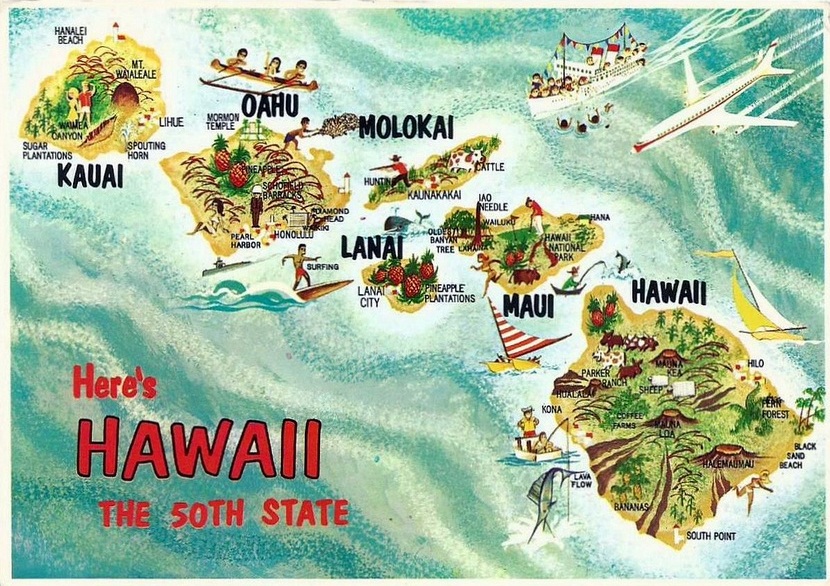
The story begins not with conquest, but with engagement. From the late 18th century, European and American explorers and traders began to visit the Hawaiian Islands. These interactions, initially driven by trade in sandalwood, whale oil, and later sugar, gradually introduced Western ideas, technologies, and diseases. American missionaries, arriving in the 1820s, played a significant role in shaping Hawaiian society, introducing Christianity, the English language, and Western educational systems. While their stated intentions were spiritual, their presence also paved the way for increasing American influence and economic dominance.
The Gradual Erosion of Hawaiian Sovereignty
The Hawaiian Kingdom, under monarchs like Kamehameha III and Kamehameha IV, attempted to modernize and navigate the complexities of international relations. They adopted a constitution, established diplomatic ties with foreign powers, and enacted laws to protect their sovereignty. However, the burgeoning economic interests of American planters, particularly in the sugar industry, created a powerful lobby that exerted significant pressure on the Hawaiian government.
The Bayonet Constitution and the Rise of American Power
A critical turning point was the imposition of the Bayonet Constitution in 1887. This forced constitution, dictated by American and European businessmen and their Hawaiian allies, severely curtailed the power of the monarch, King Kalākaua, and disenfranchised a large portion of the native Hawaiian population. It effectively transferred significant political power to the white business elite, many of whom were American citizens or descendants. The constitution’s name itself reflects the coercive nature of its adoption, as King Kalākaua was presented with a bayonet at his throat, compelling him to sign it.
This period saw a dramatic increase in land ownership by foreigners, primarily Americans, who established vast sugar plantations. The economic backbone of the islands shifted, making the Hawaiian Kingdom increasingly reliant on American markets and capital. This economic dependence was a crucial factor that facilitated the eventual political takeover. The appeal of Hawaii as a destination for luxury travel and a place to experience unique island lifestyles was already beginning to emerge, fueled by the romanticized image of the islands in Western media, often shaped by these very economic interests.
The Overthrow of the Monarchy
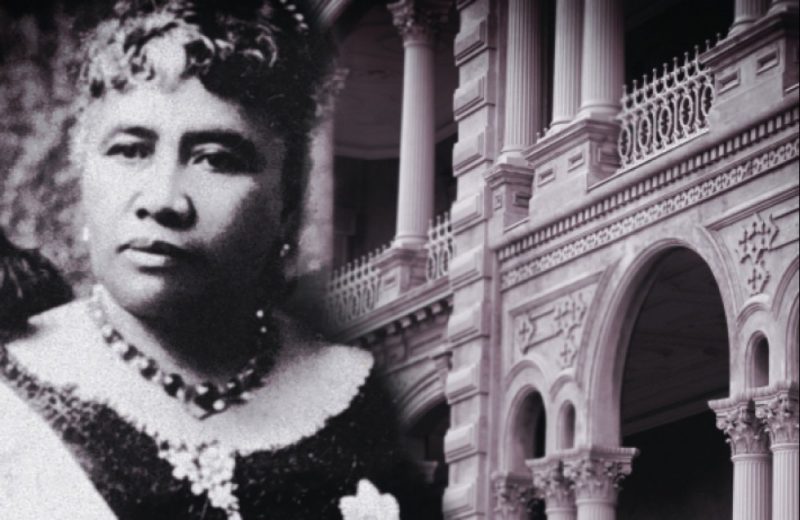
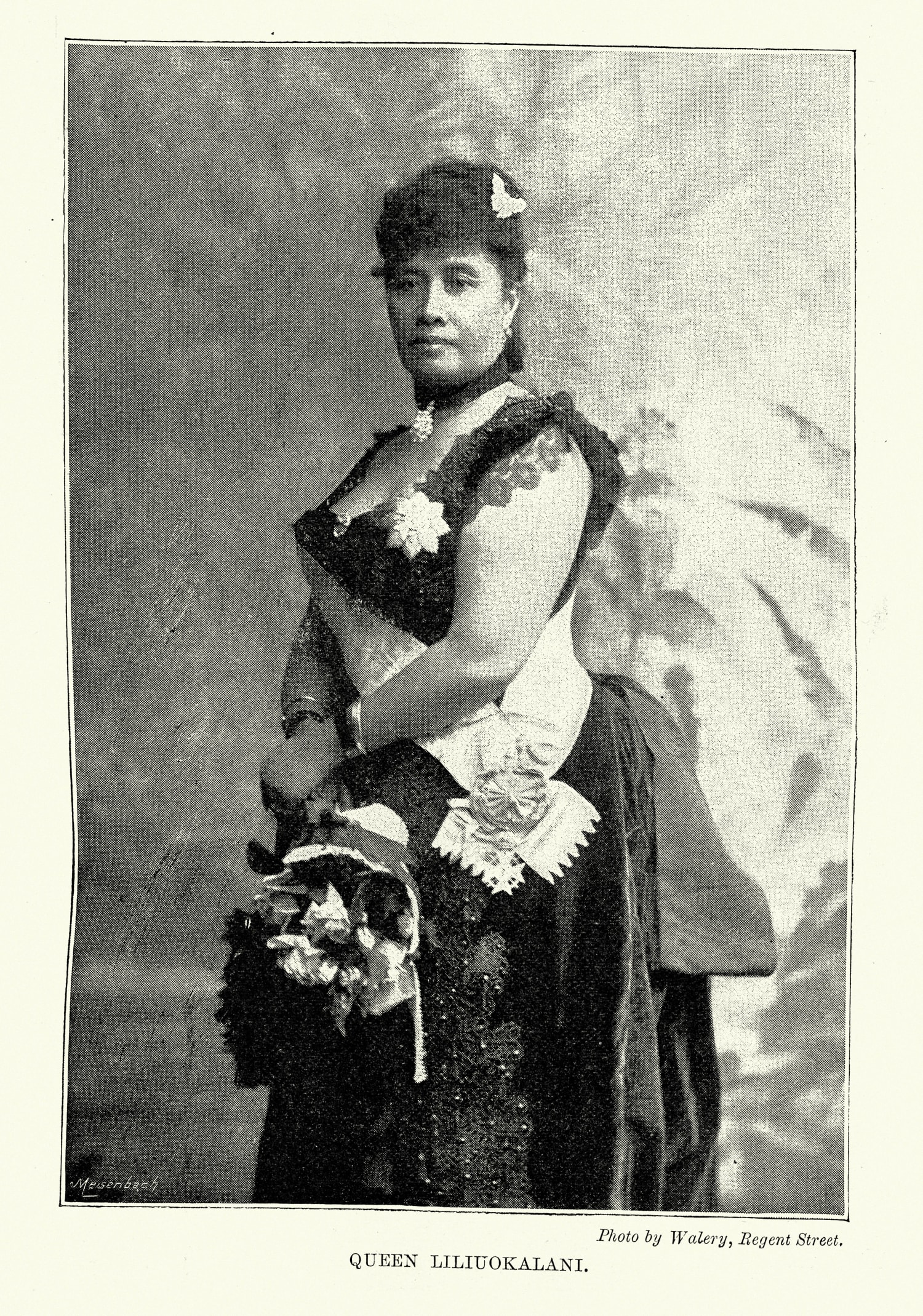
The most direct answer to “When did the United States take over Hawaii?” often points to the events of 1893, but this was the overthrow of the monarchy, not the immediate annexation. In January 1893, a group of American and European businessmen, with the tacit support of U.S. Minister John L. Stevens and the presence of U.S. Marines from the USS Boston, staged a coup d’état against Queen Liliʻuokalani. Queen Liliʻuokalani had been working to restore power to the monarchy and the native Hawaiian people through a new constitution.
The overthrow was swift and bloodless. The Committee of Safety, a group of foreign businessmen, declared the establishment of a provisional government. They then appealed to the United States for annexation. President Grover Cleveland initially condemned the overthrow and ordered an investigation, which concluded that the U.S. had acted improperly. He opposed annexation, and the provisional government, led by Sanford B. Dole, maintained its hold, awaiting a more favorable political climate in Washington D.C.
The Republic of Hawaii and the Path to Annexation
Following the failed annexation attempt under President Cleveland, the provisional government transitioned into the Republic of Hawaii in 1894, with Sanford B. Dole as its president. This was a strategic move to consolidate power and continue lobbying for U.S. annexation. The economic ties continued to deepen, with the sugar industry remaining central. The appeal of Hawaii as a tourist destination, offering unique cultural experiences and natural beauty, was growing, though it was largely geared towards affluent travelers from the mainland. Hotels were beginning to cater to this burgeoning market, offering glimpses into a tropical paradise.
During this period, native Hawaiians actively protested the loss of their sovereignty. Petitions were circulated, and efforts were made to resist the establishment of a republic and prevent annexation. However, their voices were largely ignored by the dominant political and economic forces. The strategic importance of Hawaii, particularly its location in the Pacific, also began to draw more attention from the U.S. military and political strategists, especially with rising tensions in Asia.
The Formal Annexation and Statehood
The political climate shifted significantly with the election of President William McKinley in 1896. McKinley was a proponent of American expansionism, and the Spanish-American War in 1898 provided the opportune moment. The war highlighted the strategic necessity of Hawaii as a coaling station and naval base for the United States in the Pacific.
The Newlands Resolution and the Annexation of Hawaii
On July 7, 1898, the United States formally annexed Hawaii through the Newlands Resolution. This resolution, passed by the U.S. Congress, effectively absorbed the Republic of Hawaii into the United States as a territory. While a treaty of annexation was initially proposed and rejected by the Senate, the Newlands Resolution, a joint resolution, bypassed this hurdle. This date, July 7, 1898, is often cited as the official date of the U.S. takeover.
As a U.S. territory, Hawaii’s economy continued to be dominated by American corporations, particularly in sugar and pineapple cultivation. The native Hawaiian population experienced further cultural and economic marginalization. Despite this, the islands began to attract more American tourists, drawn by the promise of exotic landscapes, vibrant local culture, and new resorts. The infrastructure developed to support the burgeoning economy and military presence also facilitated tourism.
From Territory to Statehood
Hawaii remained a U.S. territory for nearly 60 years. During this time, its economy diversified, and its role as a strategic military outpost solidified, particularly after World War II. The islands became a popular destination for American GIs and eventually for a broader range of travelers. The allure of its stunning natural landmarks, from Diamond Head to the volcanoes of Hawaii, combined with its unique Polynesian culture and burgeoning hospitality industry, made it a sought-after travel experience.
Finally, after decades of lobbying and a strong desire for self-governance, Hawaii was admitted as the 50th state of the United States on August 21, 1959. This marked the final chapter in the U.S. takeover narrative, transitioning Hawaii from a conquered territory to a constituent part of the nation. While statehood brought greater political representation and economic opportunities, it also meant that the legacy of the overthrow and annexation continued to be a subject of debate and a focal point for the ongoing native Hawaiian sovereignty movement. Today, understanding this history enriches any visit to Hawaii, allowing travelers to appreciate the complex tapestry of its past and present, from its luxurious resorts to its ancient landmarks.
LifeOutOfTheBox is a participant in the Amazon Services LLC Associates Program, an affiliate advertising program designed to provide a means for sites to earn advertising fees by advertising and linking to Amazon.com. Amazon, the Amazon logo, AmazonSupply, and the AmazonSupply logo are trademarks of Amazon.com, Inc. or its affiliates. As an Amazon Associate we earn affiliate commissions from qualifying purchases.