
Hawaii, a paradise renowned for its pristine beaches, lush volcanic landscapes, and vibrant culture, beckons travelers from across the globe. While the allure of its natural beauty and tropical climate is undeniable, understanding the nuances of its weather patterns is crucial for planning an unforgettable and safe vacation. Among these considerations, the timing of hurricane season is paramount for many visitors. This guide delves into the specifics of when hurricane season occurs in Hawaii, what to expect, and how to prepare, ensuring your journey to the Aloha State is as seamless as possible.
Understanding Hawaii’s Hurricane Season
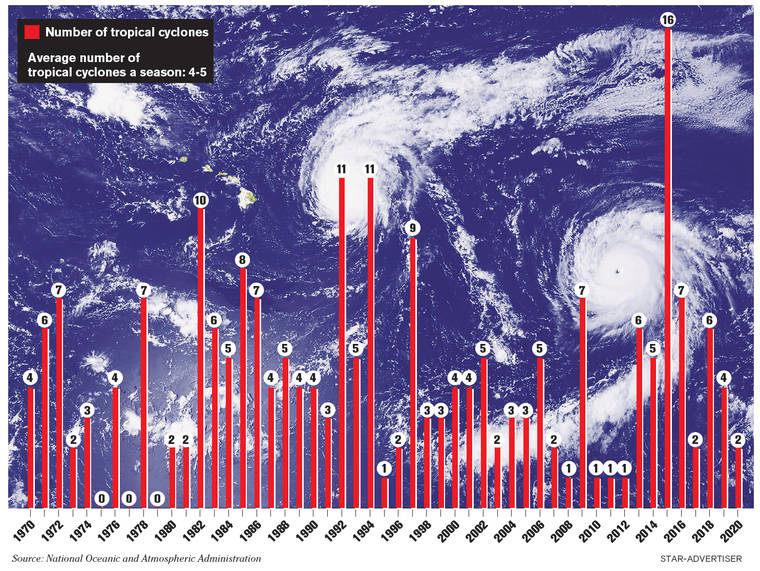
While Hawaii enjoys a generally pleasant climate year-round, like many tropical regions, it is susceptible to tropical cyclones, commonly known as hurricanes. Fortunately, Hawaii experiences hurricanes less frequently than other parts of the tropical Atlantic or eastern Pacific basins. However, preparedness is always key.
The Official Hurricane Season Timeline
The Pacific hurricane season officially runs from June 1st to November 30th each year. This six-month period is when the waters of the eastern North Pacific become warm enough to fuel the development of tropical depressions, which can then intensify into tropical storms and, ultimately, hurricanes. Within this broad timeframe, there are typically periods of heightened activity.
Peak Months of Activity
While hurricanes can technically form at any point during the season, the most active period for tropical cyclones in Hawaii generally occurs from mid-August through September. During these months, sea surface temperatures are at their warmest, and atmospheric conditions are most conducive to storm development and potential tracking towards the Hawaiian Islands. This doesn’t mean every August or September will see a direct hit, but statistically, the risk is higher during this window.
Factors Influencing Hurricane Formation and Tracks
Several oceanic and atmospheric conditions contribute to the formation and movement of hurricanes in the Pacific.
- Warm Ocean Temperatures: Hurricanes draw their energy from warm ocean waters. When sea surface temperatures exceed 26.5 degrees Celsius (80 degrees Fahrenheit), the atmosphere is primed for tropical development.
- Moisture: Ample moisture in the atmosphere is essential for cloud formation and the development of thunderstorms that fuel a storm.
- Low Vertical Wind Shear: This refers to the change in wind speed and direction with height. Low wind shear allows thunderstorms to organize and strengthen vertically, which is a prerequisite for hurricane formation.
- Oceanic Currents and Weather Patterns: The position and strength of prevailing ocean currents, such as the El Niño-Southern Oscillation (ENSO) phenomenon, can influence hurricane tracks. During El Niño years, for instance, there is often an increased likelihood of tropical cyclones forming and tracking towards Hawaii. Conversely, La Niña years tend to see less activity. The National Oceanic and Atmospheric Administration (NOAA) closely monitors these patterns.
What to Expect During Hawaii’s Hurricane Season
Understanding what hurricane season entails goes beyond just knowing the dates. It involves appreciating the potential impacts and the preparedness measures in place to mitigate them.
Potential Impacts of Hurricanes and Tropical Storms
While Hawaii is fortunate to experience direct hurricane impacts relatively infrequently, when they do occur, they can have significant consequences.
- Heavy Rainfall and Flooding: Even storms that do not make direct landfall can bring torrential rainfall, leading to flash floods, landslides, and disruptions to infrastructure.
- High Winds: Strong winds can cause damage to buildings, down trees and power lines, and create hazardous conditions for outdoor activities.
- Dangerous Surf and Coastal Erosion: Hurricanes generate large swells that can produce powerful surf, posing a serious risk to swimmers and surfers along the coasts of islands like Oahu and Maui. Coastal erosion can also be exacerbated.
- Power Outages: High winds and debris can lead to widespread power outages, affecting communications and essential services.
- Disruptions to Travel: Flights to and from the islands may be canceled or delayed, and inter-island travel can also be impacted. Road closures due to flooding or debris are also common.
Preparedness Measures and Resources
The Hawaiian Islands have a robust system for hurricane preparedness, involving government agencies, emergency services, and the local community.

- Official Warnings and Advisories: The Central Pacific Hurricane Center (CPHC) is responsible for issuing watches and warnings for tropical cyclones affecting Hawaii. It is crucial to stay informed by monitoring official sources like the CPHC, NOAA Weather Radio, and local news outlets.
- Emergency Management Agencies: Each county in Hawaii has an emergency management agency that coordinates preparedness and response efforts. These agencies provide valuable information and guidance to residents and visitors.
- Community Preparedness: Hawaii has a strong culture of community resilience. Many businesses and residents are well-prepared for potential storm impacts, with readily available emergency kits and contingency plans.
- Evacuation Plans: In the event of an imminent threat, official evacuation plans will be communicated through designated channels. Familiarizing yourself with the general layout of your accommodation and potential evacuation routes is always advisable.
Planning Your Trip: Navigating Hurricane Season
Deciding when to visit Hawaii involves weighing various factors, and hurricane season is certainly one of them. However, with proper planning, a trip during this period can still be highly rewarding.
The Benefits of Traveling During Hurricane Season
Despite the potential for storms, there are often advantages to visiting Hawaii during the hurricane season.
- Fewer Crowds: Generally, visitor numbers can be lower during the latter half of the year, particularly outside of peak holiday periods. This can translate to a more relaxed experience and potentially less crowded attractions.
- Potentially Lower Prices: With lower demand, you might find more competitive pricing on flights and accommodations at resorts like the Grand Wailea Maui, A Waldorf Astoria Resort or The Royal Hawaiian, a Luxury Collection Resort, Waikiki.
- Lush Scenery: The increased rainfall during the later months can contribute to exceptionally lush and vibrant landscapes, particularly in the rainforests and along the volcanic slopes of Maui’s Haleakala National Park or the verdant valleys of Kauai.
Strategies for a Smooth Trip
To ensure your Hawaiian vacation is enjoyable and safe, regardless of the season, consider these strategic approaches.
- Flexibility in Travel Dates: If possible, maintaining some flexibility in your travel dates can be beneficial. This allows you to adjust your itinerary if a storm threatens your planned arrival or departure.
- Travel Insurance: Investing in comprehensive travel insurance is highly recommended. Ensure your policy covers trip cancellations or interruptions due to severe weather events. This can provide financial protection if your plans are significantly disrupted.
- Stay Informed: Keep a close eye on weather forecasts from reliable sources like the CPHC and local news channels. Before and during your trip, regularly check for any developing tropical systems.
- Heed Official Advice: If authorities issue watches or warnings, pay close attention to their instructions. This might involve staying indoors, seeking shelter, or even evacuating certain areas. The safety of yourself and your fellow travelers should always be the top priority.
- Pack Accordingly: While the weather is generally warm, it’s wise to pack for varied conditions. Include rain gear, sturdy footwear for hiking, and perhaps a light jacket for cooler evenings or breezy conditions.
Alternatives to Hurricane Season Travel
For travelers who prefer to avoid the hurricane season altogether, there are distinct periods during the year when the risk is significantly lower.
The “Dry Season” and Its Advantages
Hawaii experiences a noticeable difference in rainfall between its two primary seasons.
- The “Dry Season” (April to October): While the official hurricane season overlaps with the warmer, wetter months in some parts of the tropics, Hawaii’s climate is often characterized by a distinct “dry season” that generally runs from April to October. This period coincides with warmer temperatures and less rainfall, particularly on the leeward sides of the islands, such as Kona on the Big Island. During these months, the probability of encountering significant tropical storm activity is considerably reduced.
- Lower Humidity and Sunshine: The dry season typically offers lower humidity levels and more consistent sunshine, making it ideal for beach activities, hiking the Diamond Head State Monument on Oahu, or exploring the volcanic landscapes of Hawaii Volcanoes National Park.

When to Avoid Hurricane Season
If your primary concern is minimizing the risk of hurricane-related disruptions, consider booking your trip outside of the June 1st to November 30th window.
- The “Wet Season” (November to March): The cooler months, from November to March, generally see more rainfall across the islands. However, this period also marks the lowest risk for hurricanes. While tropical systems can technically form year-round, their occurrence is rare during these months. This time of year is often favored for its cooler temperatures and vibrant green landscapes, particularly on the windward sides of the islands like the Na Pali Coast on Kauai. Many travelers find the winter months to be a delightful time to visit, enjoying activities like whale watching excursions which are popular during this period.
In conclusion, while Hawaii’s hurricane season spans from June 1st to November 30th, with the peak activity typically in August and September, the islands remain a breathtaking destination year-round. By understanding the potential risks, staying informed through official channels, and planning with flexibility and preparedness in mind, travelers can confidently embark on their Hawaiian adventure, embracing the magic of the Aloha State in any season.
LifeOutOfTheBox is a participant in the Amazon Services LLC Associates Program, an affiliate advertising program designed to provide a means for sites to earn advertising fees by advertising and linking to Amazon.com. Amazon, the Amazon logo, AmazonSupply, and the AmazonSupply logo are trademarks of Amazon.com, Inc. or its affiliates. As an Amazon Associate we earn affiliate commissions from qualifying purchases.