
Hawaii, a paradise forged by volcanic fire and sculpted by the Pacific’s embrace, beckons with its emerald valleys, azure waters, and vibrant culture. When planning a trip to this archipelago of dreams, one of the most pertinent questions travelers ask is about the weather, specifically, the timing of the rainy season. Understanding Hawaii’s climate patterns is crucial for optimizing your travel experience, ensuring you pack appropriately, and perhaps most importantly, setting realistic expectations for your sun-drenched escape. While often generalized, Hawaii’s “rainy season” is not a monolithic event but rather a nuanced phenomenon influenced by geography and microclimates. This guide aims to demystify Hawaii’s precipitation patterns, helping you pinpoint the best time to visit for your ideal Hawaiian adventure.
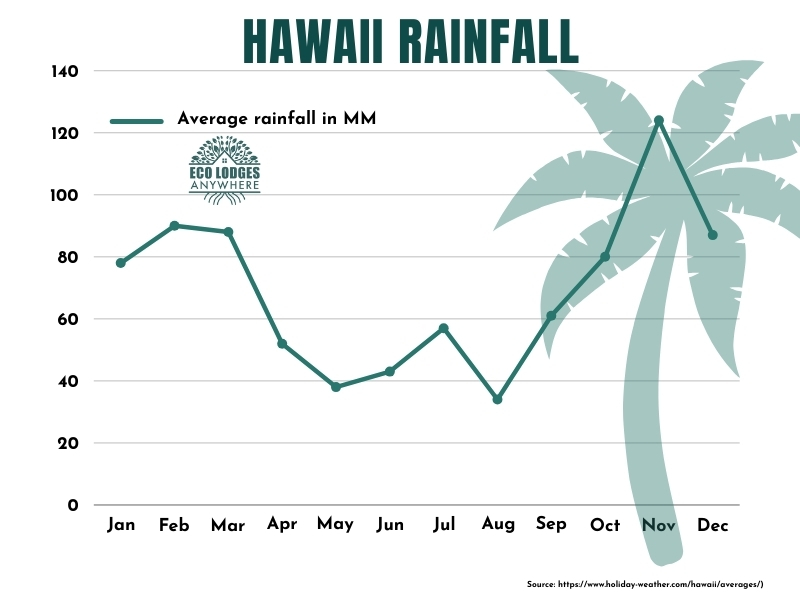
Understanding Hawaii’s Climate: A Tale of Two Seasons
Hawaii enjoys a tropical climate, characterized by warm temperatures year-round and distinct wet and dry periods. However, unlike many tropical destinations with a pronounced monsoon season, Hawaii’s rainfall is more subtle and highly localized. The general perception of a “rainy season” often refers to the winter months, but this doesn’t equate to constant downpours or a disruption of typical vacation activities. Instead, it signifies an increase in the likelihood of rain, particularly on certain islands and in specific regions of those islands.
The Winter Months: November to April – The Wetter Season
The period from November through April is generally considered Hawaii’s wetter season. During these months, the islands experience a higher frequency of weather systems moving in from the north Pacific. These systems can bring cooler temperatures, increased cloud cover, and a greater chance of precipitation. However, it’s vital to understand that “wetter” in Hawaii does not typically mean relentless, all-day rain. Instead, showers are often brief and localized, frequently occurring in the early mornings or late afternoons. These showers can be a refreshing break from the sun and are essential for maintaining the lush, verdant landscapes that Hawaii is famous for.
The Summer Months: May to October – The Drier Season
Conversely, the months from May to October represent Hawaii’s drier season. During this time, the islands are influenced by a dominant high-pressure system, often referred to as the Pacific High. This system generally brings stable weather patterns, characterized by abundant sunshine, lower humidity, and significantly less rainfall. This period is ideal for those seeking consistently sunny days for beach activities, hiking, and exploring. The waters are typically calmer during these months, making them perfect for snorkeling, diving, and other water sports.
The Nuances of Rainfall: Island by Island and Microclimates
The most crucial aspect of understanding Hawaii’s rainy season is recognizing the significant variations that exist not only between islands but also within individual islands. Hawaii’s dramatic topography, with its towering volcanic mountains, plays a pivotal role in dictating local weather patterns.
Windward vs. Leeward Coasts: The Rain Shadow Effect
A fundamental concept to grasp is the difference between the windward and leeward sides of each island. Prevailing trade winds blow from the northeast for most of the year. As these moist air masses are forced to rise over the mountains, they cool, condense, and release their moisture as rain on the windward (northeastern) slopes. This phenomenon is known as the orographic effect or the rain shadow effect.
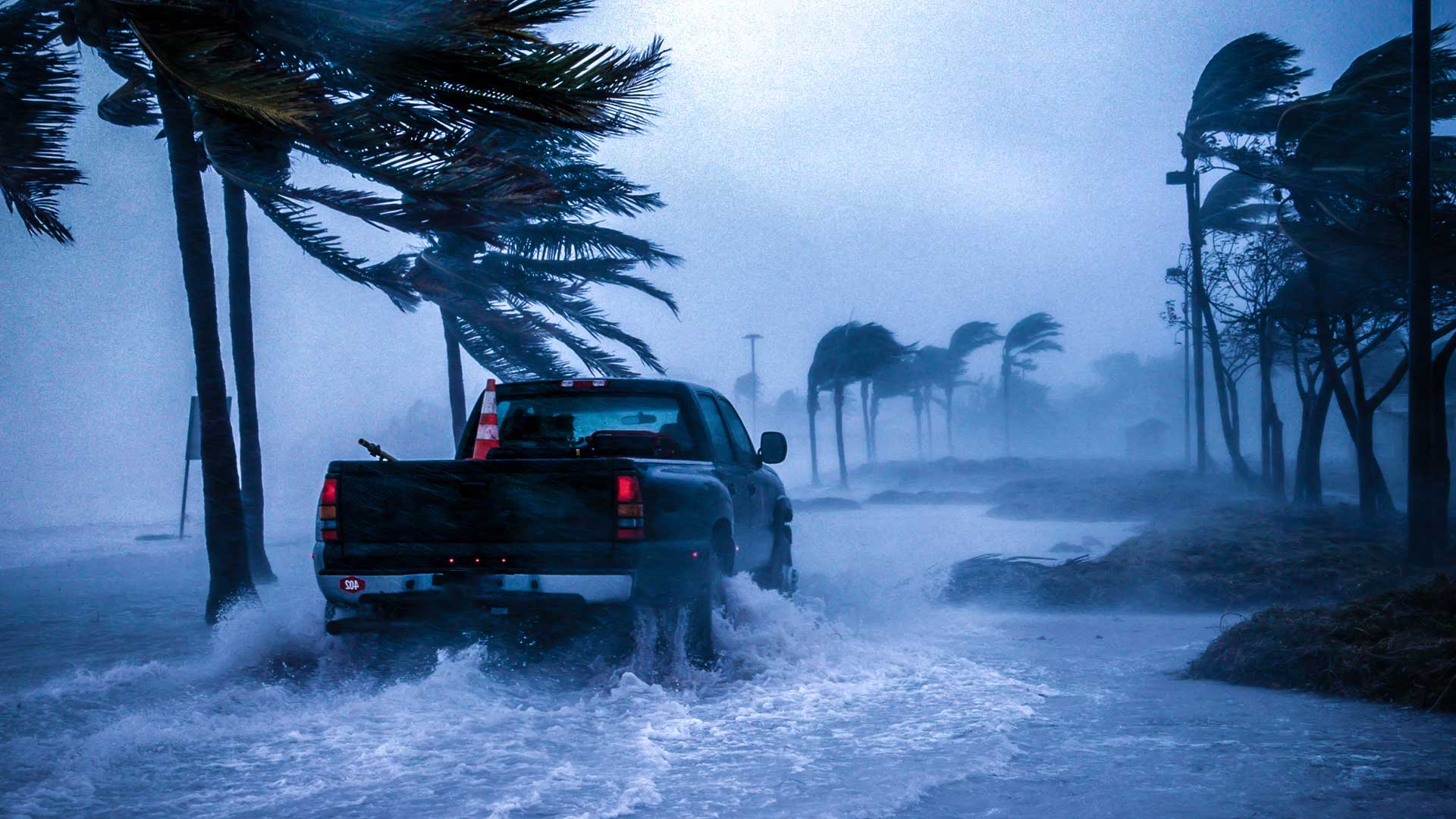
- Windward Coasts: Islands like Kauai and the eastern sides of Maui, Oahu, and Hawaii Island are typically wetter. Areas such as the Na Pali Coast on Kauai and the lush rainforests of the Hana Highway on Maui are testament to this. These regions receive more frequent rainfall throughout the year, contributing to their exceptionally verdant scenery.
- Leeward Coasts: The leeward (southwestern) sides of the islands, shielded from the prevailing trade winds by the mountains, are consequently much drier and sunnier. Popular tourist destinations like Waikiki in Honolulu on Oahu, Kaanapali on Maui, and the Kohala Coast on Hawaii Island typically enjoy more sunshine and less rainfall, even during the winter months. This makes the leeward sides particularly attractive for those seeking a classic sun-and-sand vacation experience.
Island-Specific Rainfall Patterns
While the windward-leeward distinction holds true across the archipelago, each island has its unique rainfall profile:
- Kauai: Known as the “Garden Isle,” Kauai is the wettest of the main islands, especially its northern and eastern shores. The famous Mount Waialeale, one of the wettest spots on Earth, dictates much of this precipitation. However, its southern and western coasts, such as the area around Poipu, are significantly drier and receive ample sunshine.
- Oahu: While the windward side of Oahu, home to the Windward Coast, experiences more rain, the leeward side, including the bustling city of Honolulu and the iconic Waikiki Beach, enjoys a drier climate for most of the year. Even during the winter months, rain in Waikiki often manifests as brief, refreshing showers.
- Maui: Maui presents a striking contrast between its lush, rain-soaked Hana side and its sunny leeward shores, home to popular resorts like those in Kaanapali and Wailea. The dormant volcano Haleakala significantly influences these patterns.
- Hawaii Island (The Big Island): As the largest and most geologically diverse island, Hawaii Island exhibits the most extreme microclimates. The eastern (windward) side, with the active volcano Kilauea, is lush and receives substantial rainfall. In contrast, the western (leeward) side, including the Kona and Kohala Coasts, is arid, blessed with abundant sunshine and very little rain, making it ideal for beach resorts and golf courses. The northern parts of the island, such as Hilo, tend to be wetter year-round than the southern and western regions.
- Molokai and Lanai: These smaller islands also exhibit windward-leeward rain patterns, with their eastern and northern slopes receiving more rainfall than their southern and western regions.
Planning Your Hawaiian Getaway: Timing Your Visit
When deciding when to visit Hawaii, consider your priorities. If your dream vacation involves endless days of sunshine for beach lounging and water sports, the drier months of May to October are generally your safest bet. This period also coincides with peak tourist season, meaning higher prices and more crowds at popular attractions.
However, don’t shy away from visiting during the “wetter” season of November to April if you’re seeking fewer crowds, potentially lower prices, and a more authentic glimpse into the islands’ natural beauty, which is amplified by the rain. Remember, even during these months, the leeward sides of the islands remain predominantly sunny, and any rain is often brief and localized. Furthermore, the winter months on the north shores of islands like Oahu, Maui, and Kauai are renowned for their world-class surfing waves, attracting enthusiasts and spectators alike.
What to Pack Regardless of Season
No matter when you choose to visit, packing for Hawaii requires a thoughtful approach. Light, breathable clothing is essential year-round.
- Essentials: Swimsuits, shorts, t-shirts, sundresses, a light jacket or sweater for evenings or higher elevations, comfortable walking shoes or sandals, and sun protection (hat, sunglasses, reef-safe sunscreen) are must-haves.
- Rainy Season Specifics: If you are traveling during the November to April period, or if you plan to explore the wetter windward regions, consider packing a lightweight, packable rain jacket or an umbrella. Waterproof footwear can also be beneficial for exploring rainforest trails.
- Activity-Based Packing: If your itinerary includes hiking, pack appropriate gear. For volcano explorations like those at Hawaii Volcanoes National Park or the summit of Haleakala, warmer layers are recommended as temperatures can drop significantly at higher altitudes.
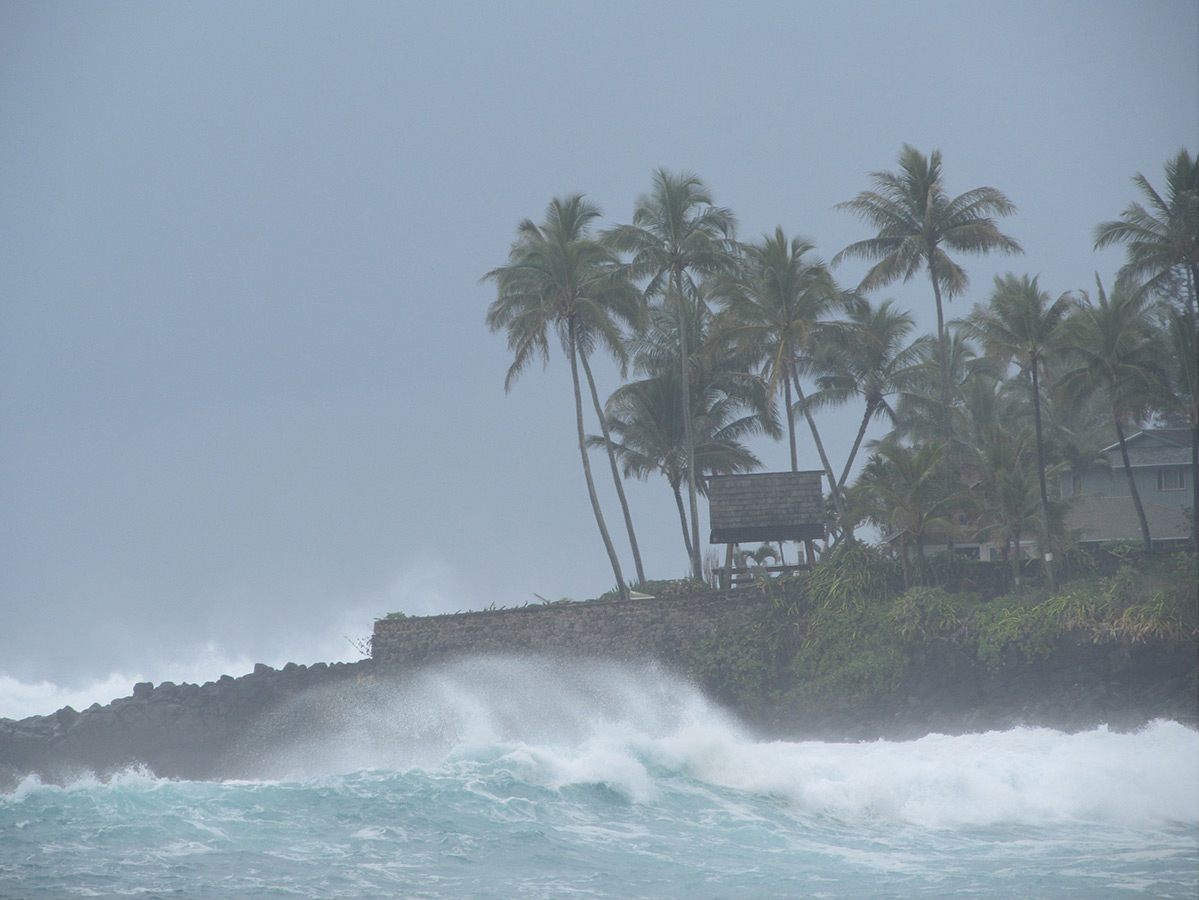
Beyond the Rain: Embracing the Hawaiian Experience
Ultimately, the question of “when is it rainy season in Hawaii?” should not deter you from experiencing this extraordinary destination. The islands offer a wealth of activities and attractions that can be enjoyed regardless of the weather. The beauty of Hawaii lies in its diverse landscapes and the unique experiences each island offers. Whether you are drawn to the dramatic cliffs of the Na Pali Coast, the historic sites of Pearl Harbor, the vibrant underwater world of Molokini Crater, or the culinary delights of Honolulu, Hawaii promises an unforgettable journey. Understanding the nuances of its climate allows for better planning, but the spirit of Aloha and the sheer magic of the islands will undoubtedly captivate you at any time of year.
LifeOutOfTheBox is a participant in the Amazon Services LLC Associates Program, an affiliate advertising program designed to provide a means for sites to earn advertising fees by advertising and linking to Amazon.com. Amazon, the Amazon logo, AmazonSupply, and the AmazonSupply logo are trademarks of Amazon.com, Inc. or its affiliates. As an Amazon Associate we earn affiliate commissions from qualifying purchases.