
The allure of sushi is undeniable, a delicate balance of flavors and textures that has captivated palates across the globe. Among the myriad of rolls, the California Roll stands out as a beloved classic, an approachable gateway for many into the world of Japanese-inspired cuisine. Its widespread popularity, from bustling street markets in Tokyo to high-end resorts in Malibu, speaks volumes about its universal appeal. However, for the health-conscious traveler, the discerning diner, or anyone embracing a specific dietary lifestyle, the question often arises: How many carbs are in California Rolls?
Understanding the nutritional profile of your favorite dishes is an integral part of maintaining wellness, especially when navigating the diverse culinary landscapes encountered during travel. From exploring the vibrant food scene of Kyoto to enjoying a leisurely meal at a boutique hotel in Paris, mindful eating choices empower you to savor every experience without derailing your health goals. This comprehensive guide will not only unravel the carbohydrate content of California Rolls but also delve into their ingredients, their cultural journey, and how they fit into a balanced lifestyle for those constantly on the move, seeking both adventure and wellness.
Understanding the Nutritional Landscape of California Rolls
For many, sushi represents a healthy dining option, a perception often rooted in the lean proteins and fresh vegetables it typically contains. While this holds true for many variations, the California Roll, with its unique combination of ingredients, presents a distinct nutritional profile. When planning your culinary adventures, whether it’s sampling authentic street food in Hanoi or indulging in fine dining at a five-star hotel in London, understanding the building blocks of your meals is key.
Decoding the Ingredients: Where Do the Carbs Come From?
To accurately assess the carbohydrate content, we must first break down the core components of a standard California Roll. Unlike traditional Japanese sushi, which often features raw fish, the California Roll gained its fame for its approachability and milder flavors, particularly appealing to Western palates.
- Sushi Rice (Shari): This is, without a doubt, the primary source of carbohydrates in any sushi roll, including the California Roll. Sushi rice is a short-grain white rice, seasoned with rice vinegar, sugar, and salt. While the vinegar adds a tangy note, the sugar is a significant contributor to the carb count. A standard serving (6-8 pieces) of California Roll can contain anywhere from 100 to 150 grams of cooked sushi rice.
- Imitation Crab (Kani): This is a popular and cost-effective alternative to real crab meat, often used in California Rolls. Made from surimi, a paste primarily composed of white fish (like pollock), imitation crab also contains starches, egg whites, and flavorings. While not as carb-heavy as rice, it does add to the overall count.
- Avocado: A creamy, nutrient-dense fruit, avocado is famous for its healthy monounsaturated fats. While it contains some carbohydrates, a significant portion of these are dietary fiber, which isn’t digested and thus doesn’t impact blood sugar in the same way as net carbs (total carbs minus fiber). A quarter to a half of an avocado might be used per roll.
- Cucumber: This refreshing vegetable offers a crisp texture and minimal calories. It’s primarily water and contains very few carbohydrates, mostly fiber.
- Nori (Seaweed): The dried seaweed wrapper that holds the roll together is incredibly low in carbohydrates and rich in minerals like iodine. For an inside-out roll (uramaki), the nori is on the inside, hidden by the rice.
- Mayonnaise-based Sauces/Toppings: Some variations might include spicy mayo or other sauces, which can add a small amount of carbs (from sugar in the sauce) in addition to fats and calories.
The Carbohydrate Breakdown: A Closer Look at Serving Sizes
The exact carbohydrate content of a California Roll can vary significantly based on several factors: the restaurant or chef, the size of the roll, the amount of rice used, and any additional ingredients or sauces. However, we can provide a general estimate for a standard serving.
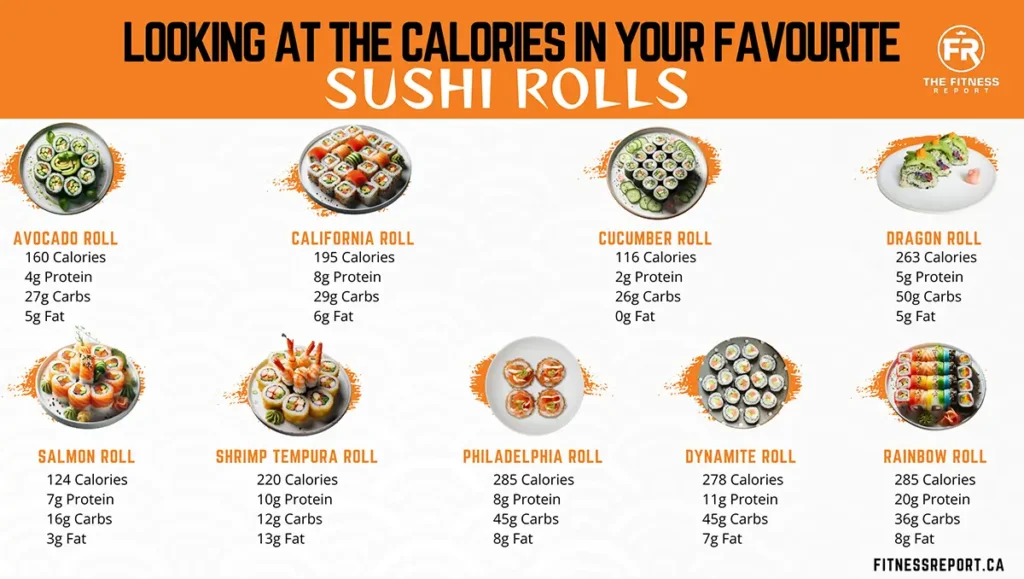
A typical California Roll consists of 6-8 pieces. For this serving size:
- Total Carbohydrates: You can expect a standard California Roll to contain approximately 30 to 45 grams of total carbohydrates.
- Net Carbohydrates: Since avocado and nori contribute fiber, the net carb count might be slightly lower, perhaps in the range of 28 to 40 grams.
- Calories: A single roll (6-8 pieces) typically ranges from 250 to 350 calories.
- Protein: Around 8-12 grams, primarily from the imitation crab.
- Fat: Around 7-15 grams, largely from the healthy fats in avocado and any added mayo.
For comparison, a single slice of white bread contains about 15 grams of carbohydrates. So, a full California Roll can be equivalent to 2-3 slices of bread in terms of carb content. This insight is particularly useful when you’re counting macros while exploring culinary delights in places like Rome or enjoying a quick lunch at a business hotel during a trip to Frankfurt.
It’s important to remember that these are averages. If you’re dining at a high-end sushi restaurant in New York City known for generous portions, the carb count could be higher. Conversely, some health-focused eateries might offer “light” versions with less rice or alternative grains.
California Rolls in the Global Culinary Scene: A Traveler’s Perspective
The journey of the California Roll is a fascinating tale of cultural fusion, a testament to how culinary innovation can transcend borders and become a global phenomenon. For travelers, understanding such culinary origins enhances the entire tourism experience, adding layers of appreciation to local food and the way it evolves.
From Tokyo to Los Angeles: The Journey of an Iconic Roll
While many associate sushi directly with Japan, the California Roll is a true product of cross-cultural culinary exchange, with its roots firmly planted in Los Angeles, California, in the late 1960s or early 1970s.
The prevailing theory credits Chef Ichiro Mashita of the former Tokyo Kaikan restaurant in Los Angeles. Facing challenges in sourcing fresh tuna consistently and recognizing that many American diners were hesitant to try raw fish or the traditional nori (seaweed) on the outside of the roll, Mashita ingeniously adapted. He substituted tuna with cooked crab meat (initially Dungeness crab, later imitation crab), added creamy avocado for texture, and crisp cucumber. Crucially, he made the roll “inside-out” (uramaki), hiding the nori and making it less intimidating for newcomers.
This innovation was a massive success. The California Roll quickly became a hit, spreading across the United States and eventually making its way back to Japan and other parts of the world. It became a symbol of Westernized sushi, paving the way for countless other fusion rolls and democratizing sushi consumption globally. This historical anecdote highlights how food, like landmarks such as the Eiffel Tower or the Colosseum, can have a rich narrative that enhances the travel experience.
Making Healthy Choices on the Go: Sushi and Travel
When you’re exploring new destinations, from the bustling markets of Marrakech to the serene landscapes of the Swiss Alps, maintaining your dietary preferences can be a challenge. However, sushi, even with its carb considerations, offers numerous opportunities for healthy eating.
For those mindful of carbohydrate intake, especially when indulging in diverse cuisines:
- Opt for Sashimi or Nigiri: If you love fish, sashimi (slices of raw fish without rice) is virtually carb-free. Nigiri (fish over a small ball of rice) offers less rice than a full roll.
- Choose “Naruto” Rolls: These rolls replace the rice with thin slices of cucumber, a fantastic low-carb alternative.
- Ask for “No Rice” or “Less Rice”: Many sushi chefs in popular tourist destinations are accustomed to requests for “easy on the rice” or even “no rice” rolls, especially at restaurants catering to international clientele. This is an excellent strategy when dining at a luxury hotel’s restaurant or a reputable local establishment.
- Embrace Vegetable Rolls: Rolls featuring primarily vegetables like cucumber, avocado, carrot, or asparagus (without tempura) are generally lower in carbs and higher in fiber.
- Beware of Sauces: Many specialty rolls come drizzled with sweet or creamy sauces, which can add hidden sugars and fats. Ask for sauce on the side or opt for simple soy sauce (low-sodium if available).
- Balance Your Meal: If you decide to enjoy a California Roll, balance it with a side of edamame, a seaweed salad, or miso soup, which are generally low in carbs and high in nutrients.
- Portion Control: Instead of ordering multiple rolls, perhaps share a California Roll and complement it with carb-lighter options.
These strategies are invaluable whether you’re staying at an all-inclusive resort in the Caribbean or a charming Airbnb in Lisbon, ensuring your dietary needs are met without sacrificing the joy of culinary exploration.
Crafting Your Own Culinary Adventure: California Rolls at Home and Abroad
The beauty of the California Roll lies not just in its taste but also in its versatility and adaptability. Whether you’re a seasoned globetrotter or planning a relaxed family trip, integrating conscious food choices into your lifestyle is key.
Embracing the Bento Box: California Rolls as a Travel Snack
For those embarking on long journeys, whether by train through the picturesque landscapes of Scotland or flying to a far-flung destination like Sydney, the bento box is a lifesaver. Pre-made sushi, including California Rolls, is a popular choice for convenient, relatively healthy meals on the go.
- Convenience: Easily available in airport terminals, train stations, and convenience stores in many major cities, sushi bento boxes offer a quick and satisfying meal solution.
- Portability: Compact and requiring no heating, they are ideal for picnics, long commutes, or a quick bite between visiting museums in Florence.
- Mindful Packing: If you’re staying in an apartment rental or a villa with kitchen facilities, you can even prepare your own low-carb California Rolls using cauliflower rice for a truly customized, healthy travel snack. This allows for complete control over ingredients and carb content, aligning perfectly with a health-conscious lifestyle while exploring destinations like the vibrant coastlines of Brazil.
Navigating Hotel and Restaurant Menus: Finding Your Perfect Roll
Dining out is a quintessential part of the travel experience, offering insights into local culture and flavors. When faced with diverse menus, especially in international hotels or specialty restaurants, it pays to be prepared.
- Ask Questions: Don’t hesitate to inquire about ingredients or preparation methods, especially if you have specific dietary needs. Many establishments, particularly those in tourist-heavy areas or upscale accommodations, are well-equipped to answer questions about carb content, allergens, or dietary restrictions.
- Look for Customization Options: Some sushi places offer options like “light rice” or “brown rice” rolls. While brown rice still contains carbohydrates, its higher fiber content can lead to a slower release of glucose and greater satiety.
- Check Online Menus: Before arriving at a restaurant, if possible, check their online menu. Many establishments now include nutritional information or allergen guides, which can help you plan your order in advance, whether you are planning a romantic getaway in Venice or a family vacation to Orlando.
- Embrace Other Cuisines: Remember that while sushi is delicious, it’s just one facet of the global culinary scene. If you’re struggling to find a low-carb sushi option, consider exploring other local dishes that might naturally align better with your dietary goals. For instance, a grilled fish dish with vegetables in Greece might be a more carb-friendly choice than multiple sushi rolls.
Beyond Carbs: A Holistic View of California Rolls and a Healthy Lifestyle
While carbohydrate count is a primary concern for many, especially those following specific diets like keto or low-carb, it’s crucial to adopt a holistic view of the nutritional value of foods, particularly when integrating them into a vibrant travel and lifestyle routine. The California Roll, beyond its carb numbers, offers several beneficial components.
The Benefits of Key Ingredients: Avocado, Nori, and Crab
The non-rice components of the California Roll contribute positively to its nutritional profile:
- Avocado: A powerhouse of nutrition, avocado provides monounsaturated fats, which are heart-healthy and aid in nutrient absorption. It’s also rich in fiber, potassium, and vitamins K, C, B6, and E. These benefits are particularly important for maintaining energy and health during demanding travel schedules.
- Nori (Seaweed): This dark green wrap is a superfood from the ocean. It’s packed with iodine (essential for thyroid function), vitamins A and C, calcium, and iron. Its minimal calorie and carb count makes it an excellent addition.
- Imitation Crab (or Real Crab): While imitation crab is processed, it still offers lean protein, contributing to satiety. If real crab meat is used, it provides higher quality protein, omega-3 fatty acids, and essential minerals like zinc and selenium. Protein is vital for muscle repair and sustained energy, key for active travelers exploring sites like the Great Wall of China or hiking trails in Patagonia.
- Cucumber: Mostly water, it contributes to hydration and provides a small amount of vitamins and minerals, adding refreshing crunch and negligible calories.
Balancing Indulgence and Wellness: Enjoying Sushi Responsibly
Ultimately, integrating any food, including the California Roll, into a healthy lifestyle is about balance, awareness, and informed choices. This philosophy extends to all aspects of travel and daily living.
- Moderation is Key: Enjoying a California Roll as part of a varied diet and active lifestyle is perfectly fine. The occasional indulgence, especially when paired with physical activity like exploring a new city on foot or swimming at your hotel’s pool, fits well within a balanced approach.
- Context Matters: Consider the overall context of your meal and your day. If you’re planning a carb-heavy meal later, you might opt for a lighter sushi choice. If you’ve been particularly active, your body might better utilize the carbohydrates.
- Personalized Approach: Everyone’s dietary needs and preferences are unique. What works for one traveler exploring the bustling souks of Dubai might not work for another enjoying a serene retreat in Bali. Listen to your body and adjust your choices accordingly.
- Embrace the Experience: Part of the joy of travel and lifestyle is experiencing different cultures through their food. While it’s important to be mindful of nutrition, don’t let strict rules overshadow the pleasure of trying new dishes and creating lasting memories.
In conclusion, while California Rolls do contain a notable amount of carbohydrates, primarily from their seasoned rice, they also offer a range of beneficial nutrients. For the conscious traveler and lifestyle enthusiast, understanding these components allows for informed decision-making. By applying simple strategies like portion control, opting for less rice, or pairing with carb-lighter options, you can continue to savor this iconic roll while staying true to your wellness goals, whether you’re dining in a vibrant metropolis or relaxing at a secluded beach resort. The world is your oyster, or in this case, your California Roll – enjoy it mindfully and deliciously.
LifeOutOfTheBox is a participant in the Amazon Services LLC Associates Program, an affiliate advertising program designed to provide a means for sites to earn advertising fees by advertising and linking to Amazon.com. Amazon, the Amazon logo, AmazonSupply, and the AmazonSupply logo are trademarks of Amazon.com, Inc. or its affiliates. As an Amazon Associate we earn affiliate commissions from qualifying purchases.