
The allure of the Golden State is undeniable. From the sun-drenched beaches of Southern California to the majestic redwoods of the north, and from the bustling urban sprawls of Los Angeles and San Francisco to the serene vineyards of Napa Valley, California promises a lifestyle and travel experience like no other. Whether you’re planning a dream vacation, considering a long-term stay, or even contemplating a permanent move, the state offers a mosaic of destinations, from iconic landmarks like the Golden Gate Bridge to world-class entertainment at Disneyland Resort. However, beneath the golden glow of opportunity and adventure lies a crucial consideration for every traveler, aspiring resident, or business professional: the financial landscape, particularly income tax.
Understanding how much income tax is levied in California is not merely a dry financial exercise; it’s a vital part of budgeting for your travels, planning your accommodation, and shaping your overall lifestyle experience in this vibrant state. For those indulging in luxury travel, the impact on discretionary spending can be significant. For budget-conscious explorers, every dollar saved on taxes could mean an extra night at a charming boutique hotel or an additional excursion to a hidden gem. This article will demystify California’s income tax system, placing it within the broader context of travel, accommodation, and the unique lifestyle options the state presents.
Understanding California’s Income Tax Landscape: A Traveler’s and Resident’s Guide
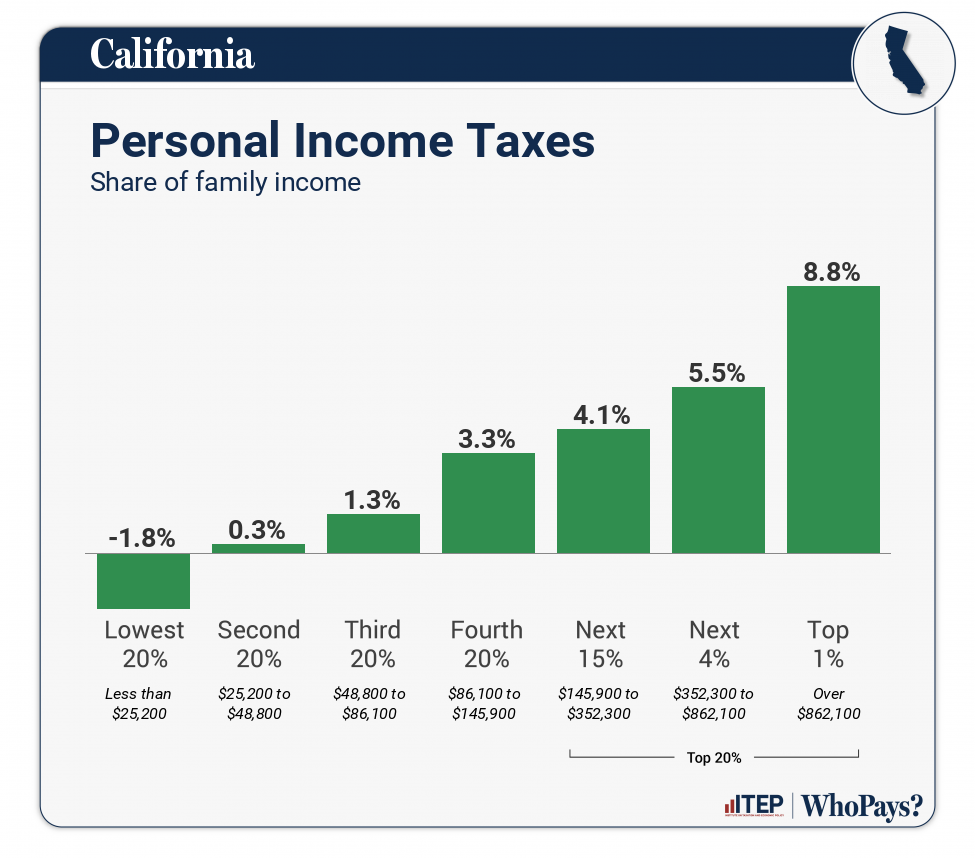
California operates one of the most progressive income tax systems in the United States. This means that individuals with higher incomes pay a larger percentage of their earnings in state income tax. While the specifics can appear complex, grasping the fundamental principles is essential for anyone spending significant time or earning income within the state. For tourists, this might seem irrelevant at first glance, but for digital nomads working remotely from a Santa Monica apartment, or business travelers on an extended assignment in Silicon Valley, it quickly becomes a central concern. Likewise, anyone considering purchasing property, relocating for work, or even enjoying an extended sabbatical will find these details crucial to their financial planning.
The state’s revenue from income tax plays a significant role in funding public services, from maintaining its extensive network of state parks like Yosemite National Park and the dramatic coastline along Big Sur to supporting its world-renowned educational institutions. While these services ultimately benefit everyone, including visitors, the cost of funding them is primarily borne by residents and those earning income within the state.
Who Pays California Income Tax? Defining Residency for the Golden State
The most critical factor in determining your California income tax obligation is your residency status. This isn’t always as straightforward as it sounds, especially in an era of flexible work arrangements and frequent travel.
-
Full-Year Residents: If you consider California your permanent home and spend most of your time here, you are generally a full-year resident. This means all your income, regardless of where it was earned (within California or outside), is subject to California state income tax. This includes income from investments, pensions, and remote work, even if the client or company is located elsewhere. For individuals considering a full move, understanding this broad tax base is paramount to assessing the true cost of living and budgeting for housing, which can range from lavish Beverly Hills estates to more modest apartments in Sacramento.
-
Part-Year Residents: If you move into or out of California during the tax year, you are a part-year resident. You will be taxed on all income received while you were a resident, plus any California-source income received while you were a nonresident. This scenario is common for those taking up seasonal work, attending university, or embarking on a planned long-term stay that isn’t permanent.
-
Nonresidents: Generally, if you are not a resident of California, you are only taxed on income derived from California sources. This includes wages earned for work performed in California, income from a business conducted in California, or rental income from California property. Most tourists and short-term visitors fall into this category. If you’re visiting San Diego for a week-long vacation and working remotely for an out-of-state employer, your out-of-state income is typically not subject to California income tax. However, if you perform consulting work for a California-based company while physically present in the state, that income could be considered California-source income. Understanding this distinction is crucial for business travelers and freelancers who might spend extended periods in the state.
The Franchise Tax Board (FTB) is California’s tax agency, and they have specific guidelines for determining residency. Factors considered include where you hold your driver’s license, where you vote, where your children attend school, and where your primary bank accounts are located. For those exploring “long-term stay” options advertised on accommodation websites, a careful review of these residency rules is a must to avoid unexpected tax liabilities.
Unpacking California’s Progressive Tax Brackets
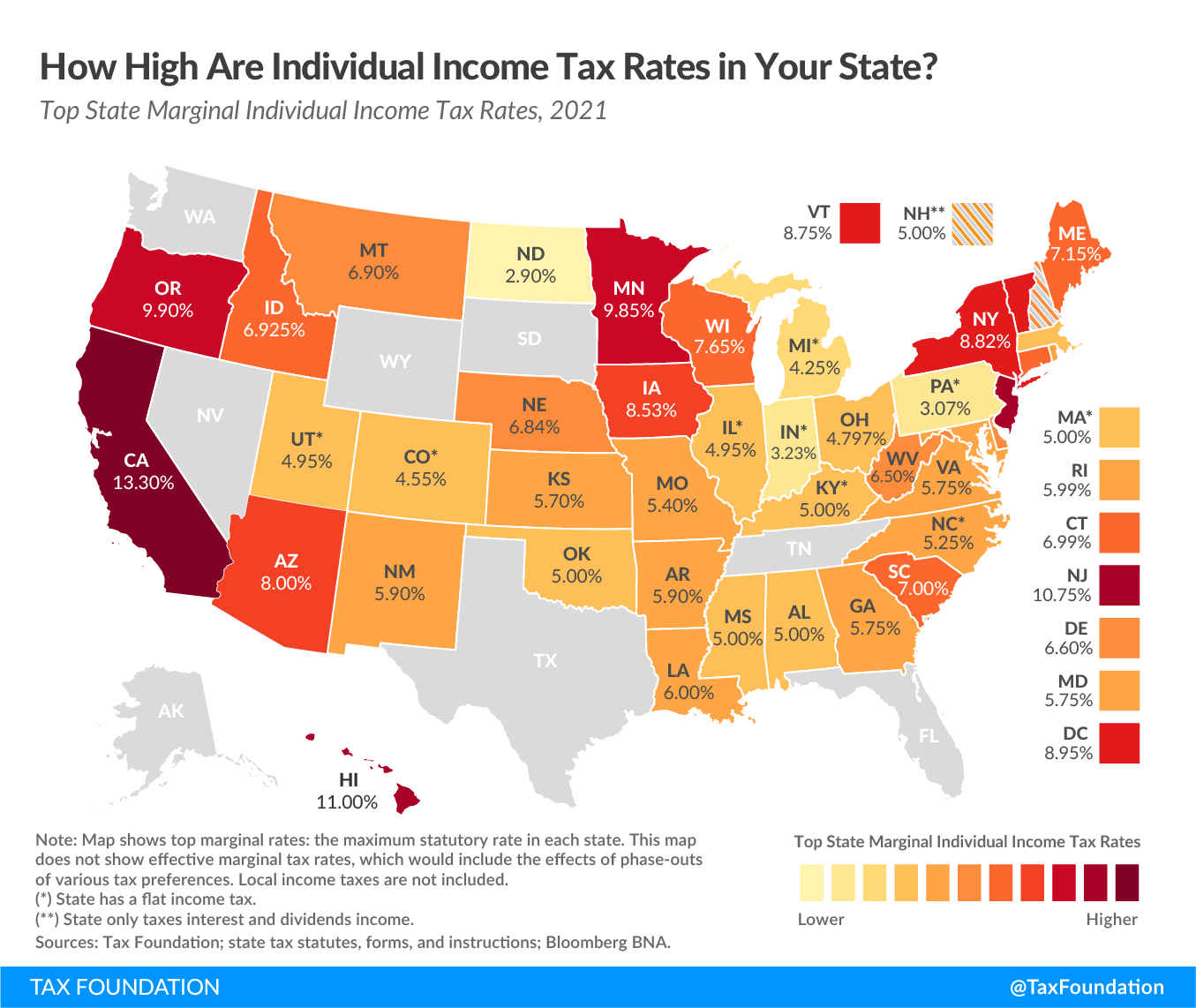
California’s income tax system is known for having some of the highest marginal tax rates in the nation. The state utilizes multiple tax brackets, with rates increasing as taxable income rises. While specific percentages are adjusted annually for inflation, the structure remains consistent. As of recent years, the lowest marginal rate begins at around 1% for the lowest income earners, escalating to a top marginal rate that can exceed 13% for the highest earners. Additionally, there’s an extra “mental health services tax” (often referred to as the “millionaire’s tax”) of 1% on taxable income over a certain threshold, further elevating the top effective rate for very high-income individuals.
This progressive structure has significant implications for different lifestyle choices:
-
Luxury Travel and High Earners: For individuals accustomed to luxury travel, staying at five-star hotels like the Beverly Wilshire, A Four Seasons Hotel in Beverly Hills or a premium resort in Laguna Niguel, the high marginal tax rates mean a larger portion of their substantial income goes towards state taxes. This might influence their overall discretionary spending budget, though for many, the unparalleled experiences in California justify the cost. However, awareness of this impact is vital for financial planning for lavish getaways or extended luxury stays.
-
Budget Travel and Mid-Range Earners: Those with moderate incomes will face lower, but still significant, state income tax rates. This segment often needs to be more strategic with their budgeting, where every percentage point in tax can influence choices between a charming Airbnb and a standard hotel room, or between a guided tour and self-exploration. For a family vacation to Lake Tahoe or an adventure through Death Valley National Park, understanding the net income available after taxes is critical to funding memorable experiences.
It’s crucial to remember that these rates apply to taxable income, which is your gross income minus various deductions and exemptions. Therefore, effective tax rates are often lower than the stated marginal rates. Consulting the official California Franchise Tax Board website or a tax professional is always recommended for the most current and personalized information.
The Impact on Your California Dream: Budgeting for Travel, Accommodation, and Lifestyle
While income tax is a primary consideration, it’s not the only financial factor shaping your California experience. The state levies various other taxes that collectively contribute to the overall cost of living and traveling here. From the sales tax on your souvenirs to the occupancy tax on your hotel room, these charges quickly add up and must be factored into any realistic budget.
Beyond Income Tax: Other Essential Taxes in California
-
Sales Tax: California has a statewide sales tax rate, but local jurisdictions can add their own district taxes, leading to combined rates that vary significantly across cities and counties. For instance, while the base state rate is 7.25%, in some cities like Oakland or San Jose, the combined sales tax rate can climb to over 9% or even 10%. This tax applies to most tangible goods purchased, from groceries (though many food items are exempt) and clothing to electronics and souvenirs. For travelers, this means the price tag on that Hollywood souvenir or that exquisite bottle of Napa wine will have an additional percentage added at checkout. For residents, it’s a constant consideration in daily spending.
-
Transient Occupancy Tax (TOT) / Hotel Tax: This is highly relevant for anyone seeking accommodation. When you book a hotel, motel, or even many short-term rentals (like those found on Airbnb or Vrbo), you’ll pay a transient occupancy tax. This tax is typically imposed by local cities and counties, not the state, and varies widely. Major tourist destinations often have higher TOT rates; for example, San Francisco and Los Angeles can have hotel taxes exceeding 14% to 15%. This can significantly inflate the total cost of your stay, especially for extended trips or luxury accommodations. Always check the total price, including all taxes and fees, when comparing hotels, resorts, or apartments for your stay.
-
Property Tax: While primarily a concern for homeowners, property taxes indirectly affect everyone through rental prices. California’s property tax system is governed by Proposition 13, which limits the annual increase in assessed value to 2% unless the property changes ownership. However, the initial purchase price dictates the base, and in a state with some of the most expensive real estate in the world, property taxes can be substantial. For renters, landlords factor these costs into monthly rent, contributing to California’s high cost of living, which impacts overall affordability for various lifestyles.
-
Gasoline Tax: California has some of the highest gasoline taxes in the nation, reflecting its commitment to environmental initiatives and infrastructure. For travelers embarking on road trips along scenic routes like Highway 1 or through national parks, this means higher fuel costs. Budgeting for transportation, especially if you plan to explore extensively by car, should include this factor.
Maximizing Your Budget: Deductions, Credits, and Financial Planning for California
For those subject to California income tax, strategic financial planning can significantly mitigate the tax burden, freeing up more funds for travel, accommodation upgrades, or other lifestyle choices. California offers a range of deductions and credits that can reduce your taxable income or directly lower your tax liability.
-
Standard Deduction vs. Itemized Deductions: Like federal taxes, California allows taxpayers to choose between a standard deduction or itemized deductions. Itemizing can be beneficial if you have significant deductible expenses, such as home mortgage interest, state and local taxes (SALT) beyond the federal cap, medical expenses, or charitable contributions. For new residents, understanding which option provides the greater benefit is a key first step.
-
Tax Credits: California offers various tax credits designed to support specific activities or groups. These can include credits for dependent care, low-income housing, senior citizens, and certain educational expenses. For families planning trips or considering long-term stays, exploring applicable credits can directly reduce their tax bill, leaving more for family-friendly attractions or suitable family accommodations.
-
Retirement Contributions: Contributing to retirement accounts like 401(k)s and IRAs (both traditional and Roth, depending on income levels) can reduce your current taxable income, as contributions to traditional accounts are often tax-deductible. This isn’t just a smart long-term financial move; it’s a way to manage your current tax liability and potentially free up cash flow for leisure activities or investments in experiences.
-
Business Expenses: For freelancers, self-employed individuals, or those with side hustles, deducting legitimate business expenses can significantly lower taxable income. This is particularly relevant in the gig economy and for digital nomads who might be earning income while traveling or living in California. Proper record-keeping is crucial here.
Ultimately, proactive financial planning, whether through consultation with a tax professional familiar with California law or diligent self-education, is indispensable. Every dollar saved on taxes is a dollar that can be reinvested into enjoying the incredible experiences California has to offer, from a gourmet meal in San Francisco’s Embarcadero to a thrilling adventure at Universal Studios Hollywood.
California Living: A Lifestyle Perspective on Tax and Cost of Living
California’s high tax rates and overall cost of living are frequent topics of discussion, sometimes overshadowing the state’s undeniable appeal. However, for millions, the quality of life, economic opportunities, and sheer diversity of experiences outweigh these financial considerations. It’s about finding the right balance and understanding what your investment truly yields.
Balancing the Books: High Living Costs vs. Unmatched Experiences
Yes, California is expensive. Its major metropolitan areas consistently rank among the most costly places to live in the world, with housing, transportation, and consumer goods often priced above the national average. Income taxes contribute to this overall picture by reducing disposable income. However, what this cost often buys is access to an unparalleled array of lifestyle benefits and experiences:
-
Diverse Landscapes: From the dramatic cliffs of Big Sur to the desert landscapes of Palm Springs, and from the snowy peaks of Lake Tahoe to the bustling beaches of Malibu, California offers an incredible variety of natural beauty and outdoor activities. This includes world-class surfing, skiing, hiking, and camping.
-
Cultural Hubs: Cities like Los Angeles and San Francisco are global centers for entertainment, arts, and innovation. They boast world-class museums, theaters, music venues, and culinary scenes that attract talent and visitors from across the globe. For those passionate about culture and cutting-edge experiences, the value is immense.
-
Economic Opportunity: California’s economy is a powerhouse, home to Silicon Valley’s tech giants, Hollywood’s entertainment industry, and a thriving agricultural sector. For professionals, the career opportunities and potential for high earnings often justify the higher cost of living and tax burden.
-
Climate: For many, the Mediterranean climate, particularly in coastal areas, is a major draw, offering sunshine and mild temperatures for much of the year. This enables an active, outdoor lifestyle that is difficult to replicate elsewhere.
For a family choosing between a mid-range hotel in a lower-tax state and a slightly more expensive but infinitely more enriching trip to California, the decision often leans towards the latter due to the unique experiences available, even with higher taxes factored in.
Exploring Diverse Lifestyles: From Budget-Friendly Stays to Luxury Escapes
Despite its reputation for high costs, California is vast and offers a spectrum of experiences and living costs tailored to different budgets and lifestyles.
-
Luxury Travel and Stays: For those seeking the pinnacle of luxury, California delivers with opulent resorts like The Ritz-Carlton, Laguna Niguel, Michelin-starred dining in San Francisco and Los Angeles, and exclusive experiences in wine country or private yacht charters in Newport Beach. While income taxes may reduce the disposable income for these indulgences, the market for such high-end experiences remains robust, reflecting the affluence drawn to the state. Accommodation options range from sprawling villas overlooking the Pacific Ocean to exclusive suites in urban centers, all catering to a lifestyle where quality and experience supersede cost.
-
Budget and Mid-Range Travel: California is also incredibly accessible for budget-conscious travelers. Exploring national parks often involves affordable camping or rustic cabin stays. Smaller towns away from major metropolitan areas offer more reasonable hotel rates and dining options. Road trips through scenic routes, utilizing budget-friendly motels or vacation rentals in less-hyped locations, allow visitors to experience the state’s beauty without breaking the bank. For a long-term stay, areas in the Central Valley or smaller coastal towns can offer significantly lower accommodation costs compared to the major cities. The key is strategic planning and exploring the diverse regions beyond the primary tourist hubs.
-
Family Trips: California is a prime destination for families, offering everything from theme parks like Knott’s Berry Farm and the San Diego Zoo to educational opportunities at science museums and historical landmarks. Budgeting for a family means carefully considering not just income tax implications for residents, but also sales tax on purchases and the ubiquitous hotel taxes that can add hundreds of dollars to a week-long stay. However, with careful planning, including self-catering options in apartments or villas, and seeking out free attractions like beaches and parks, families can enjoy an unforgettable California adventure.
In conclusion, understanding “how much is income tax in California?” is more than just knowing a number. It’s about recognizing its pervasive influence on your travel budget, your accommodation choices, and the feasibility of your desired lifestyle within the Golden State. Whether you’re a fleeting tourist, a temporary resident, or a hopeful transplant, an informed approach to California’s tax structure ensures that your dream of experiencing this remarkable state remains financially viable and enjoyable. While the costs can be high, the rewards of California’s unique blend of natural beauty, cultural vibrancy, and economic dynamism often prove to be well worth the investment for those who plan wisely.
LifeOutOfTheBox is a participant in the Amazon Services LLC Associates Program, an affiliate advertising program designed to provide a means for sites to earn advertising fees by advertising and linking to Amazon.com. Amazon, the Amazon logo, AmazonSupply, and the AmazonSupply logo are trademarks of Amazon.com, Inc. or its affiliates. As an Amazon Associate we earn affiliate commissions from qualifying purchases.